Wisconsin Rules on Frozen Lakes
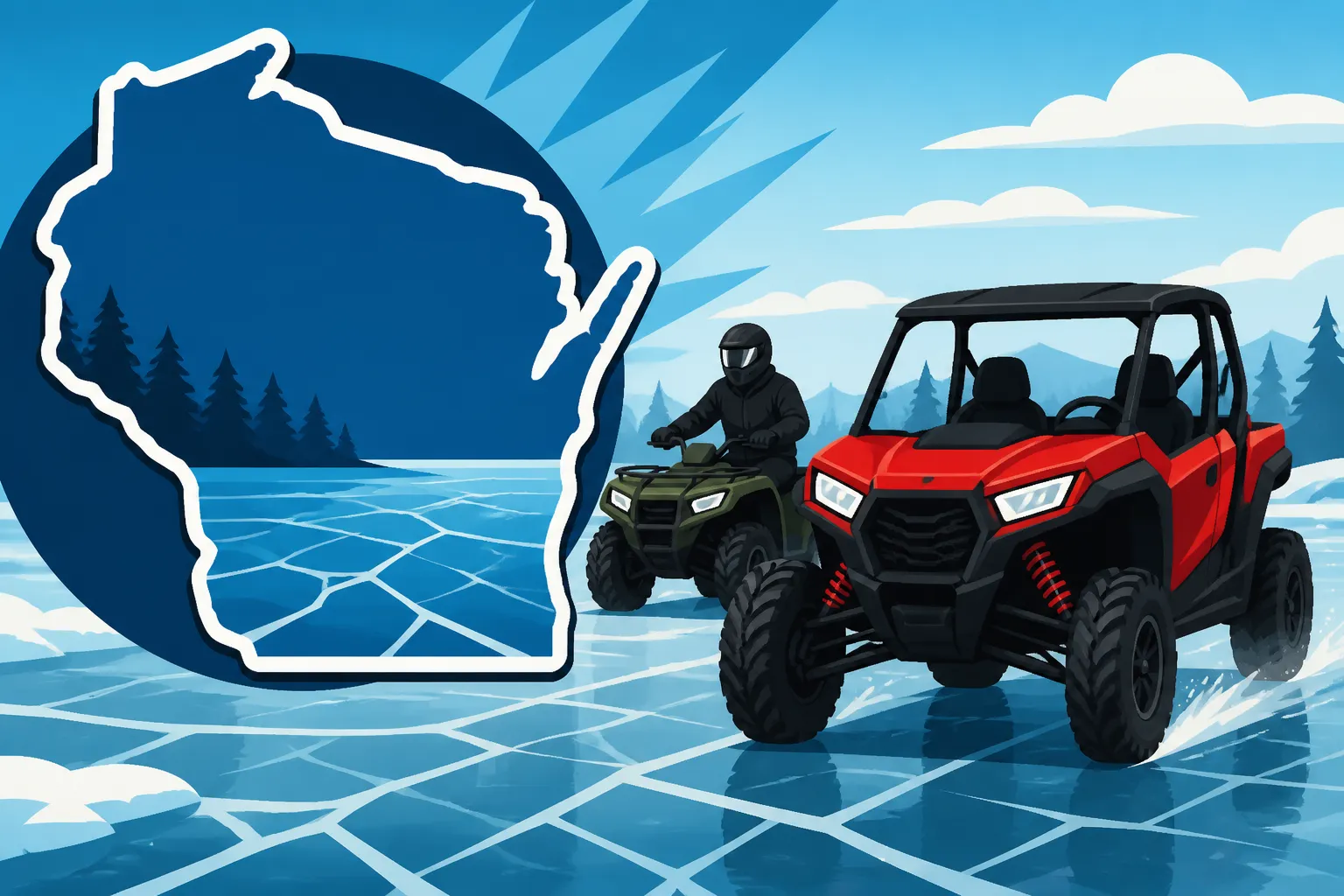
Oh, the allure of those crisp winter mornings in Wisconsin, when the lakes stretch out, covered in a pristine sheet of ice, just begging for an adventure. But as enticing as it is to rev up your ATV or UTV and head out for some ice fishing or a scenic ride, the frozen waters present a unique set of challenges and rules that can trip up even experienced riders. This guide will meticulously break down everything you need to know about legally and safely operating your off-road machine on Wisconsin's frozen lakes, ensuring your winter escapades are memorable for all the right reasons.
Understanding the Allure and the Risks of Frozen Lakes
There's something uniquely Wisconsin about embracing winter, and for many, that means heading out onto a frozen lake. Whether it's the thrill of a new riding landscape or the promise of a big catch, the ice holds a special place in the hearts of ATV and UTV enthusiasts. But with that excitement comes a significant responsibility.
Why Riders Head to the Ice
For many Wisconsin residents and visitors, a frozen lake isn't just a body of water; it's a winter playground, a highway to a fishing hotspot, or even a shortcut to a remote cabin. Ice fishing, in particular, drives a huge amount of ATV and UTV traffic onto the state's frozen lakes. Imagine loading up your gear, driving directly to your favorite fishing shack, and setting up camp with ease, far from the shore-bound crowds. It's a convenience that makes winter angling incredibly accessible and enjoyable. Beyond fishing, the vast, open expanses of a frozen lake offer a different kind of riding experience – a sense of freedom, the ability to explore untouched areas, and a chance to truly take in the serene beauty of a Wisconsin winter landscape. Many riders enjoy the challenge of navigating glare ice, packed snow, or even the occasional drift, making for an exhilarating day out.
The Inherent Dangers of Frozen Water
While the frozen lake beckons, it's crucial to acknowledge that it's an ever-changing environment, and not always a stable one. The most obvious danger is falling through the ice, but there are numerous other risks. Ice thickness can vary dramatically, even within a few feet, due to currents, springs, or underwater structures. Snow cover can insulate the ice, preventing it from thickening, or hide weak spots and open water. Pressure ridges, where ice sheets collide and buckle, can create dangerous obstacles or thin areas. A sudden warm spell, even for a day or two, can rapidly degrade ice quality, turning a seemingly safe surface into a perilous trap. Many experienced riders have harrowing tales of unexpected cracks appearing or slush pockets forming, reminding us that vigilance is paramount whenever we venture onto the ice.
Wisconsin's Legal Framework for ATVs and UTVs on Ice
Riding on a frozen lake in Wisconsin isn't like riding on your own private land; it's generally treated as a public thoroughfare, which means specific rules and regulations apply. Understanding these rules is your first line of defense against potential fines and ensures you're riding legally.
General Rules for Operating on Frozen Waters
In Wisconsin, frozen waters are generally considered public ways. This means that when you're operating an ATV or UTV on a frozen lake, you're essentially on a public trail or road, and therefore, state laws governing off-road vehicle operation apply. This includes requirements for proper registration, display of decals, and adherence to specific safety regulations. It's not just a free-for-all; the same rules that govern riding on a county forest trail often apply when you're navigating the ice on a large body of water like Lake Winnebago or a smaller lake up in Vilas County. The Wisconsin DNR takes these regulations seriously, and wardens patrol frozen lakes just as they do land trails. Understanding these [Wisconsin Rules on Frozen Lakes] is critical for any rider planning a winter outing.
Registration and Decal Requirements
Just like riding on land, your ATV or UTV needs to be properly registered with the Wisconsin DNR if you plan to operate it on a frozen lake. For most recreational riders, this will mean a public use registration. This type of registration allows you to ride on designated public trails, routes, and, crucially, frozen waters. It's vital to remember that these [Wisconsin Public Use Registrations Expire March 31] each year, so make sure your decals are current before heading out in January or February. The registration decals must be clearly displayed on your machine, typically on the front cowl and rear fender. For out-of-state riders, you’ll also need to ensure you have the appropriate Wisconsin registration or trail pass if you intend to ride on the ice, even if your machine is registered in your home state. The whole point of [Wisconsin DNR ATV Registration Explained] is to ensure everyone using public resources is contributing to their upkeep and adhering to safety standards. Understanding the difference between [Public Use Versus Private Use in Wisconsin] is key here, as private use registration generally doesn't grant access to public waterways, frozen or otherwise.
Age and Safety Certificate Rules on the Ice
Wisconsin has specific age and safety certification requirements for ATV and UTV operators, and these rules absolutely extend to riding on frozen lakes. If you were born on or after January 1, 1988, you must possess an ATV or UTV safety certificate to operate on public lands, which includes frozen bodies of water. This is a crucial rule that many riders, especially those new to the sport or visiting from out of state, sometimes overlook. It's not just a suggestion; it's a legal requirement designed to ensure riders have a foundational understanding of safe operation.
For younger riders, the rules are even more stringent. A person must be at least 12 years old to operate an ATV, and 16 years old to operate a UTV, on public lands or frozen waters. There are also stipulations regarding direct adult supervision for those under 16, typically a parent or a responsible adult over 18. Neglecting these rules can lead to serious legal consequences, including fines and the suspension of riding privileges. The best way to ensure compliance and promote safety for everyone is to make sure every rider in your party meets the [Wisconsin's ATV Safety Certificate Requirement] and understands the implications of [Wisconsin's Rule for Riders Born On or After 1988].
Navigating the Critical Aspect: Ice Thickness and Safety
When it comes to frozen lakes, no topic is more critical than ice thickness. It's the ultimate determinant of safety, and getting it wrong can have catastrophic consequences. Relying on guesswork or the "everyone else is out there" mentality is incredibly dangerous.
The DNR's Recommended Ice Thickness Guidelines
The Wisconsin DNR provides clear guidelines for safe ice thickness, and these are not mere suggestions; they are benchmarks developed through years of observation and accident data. It's imperative to measure the ice thickness in multiple locations, as it can vary dramatically, even over short distances. These guidelines are based on clear, solid blue ice. Snow-covered ice, cloudy ice, or ice that has refrozen after a thaw is significantly weaker.
Here's a general guide to ice thickness recommendations from the DNR:
| Ice Thickness | Activity | Notes |
|---|---|---|
| 2 inches | STAY OFF | Too thin for any activity. |
| 3 inches | Single person on foot, ice fishing | Only for individuals, spread out. |
| 4 inches | Ice fishing groups | Small groups, spread out. |
| 5-7 inches | Snowmobile or ATV | This is the minimum for a single machine. Always check regularly. |
| 8-12 inches | Car or small pickup | Double-check locally, weight limits vary significantly. |
| 12-15 inches | Medium truck | Extreme caution, local regulations and ice conditions are paramount. |
Always remember these are minimums, and conditions can change rapidly. Just because you drove out yesterday doesn't mean it's safe today. The best advice for [Ice Thickness Before You Ride Out] is to check, and then check again. A spud bar or an ice auger isn't just for fishing; it's your primary safety tool for testing the ice every 50 to 100 feet.
Factors Affecting Ice Strength Beyond Thickness
While thickness is paramount, it's far from the only factor determining ice safety. Snow cover, for instance, can be a double-edged sword. A layer of snow insulates the ice, preventing it from thickening further and can also hide dangerous slush pockets or open water. Heavy snow can even weigh down the ice, causing water to seep up through cracks and create unsafe slush layers on top of otherwise solid ice. Currents from rivers or streams flowing into or out of a lake can create dangerously thin ice, even in very cold weather. Springs on the lakebed can also continuously bring warmer water to the surface, maintaining a weak spot regardless of the overall cold.
Weather changes, even subtle ones like a few sunny days or an increase in wind, can weaken ice. Pressure ridges, formed when large ice sheets expand and contract, can create zones of very thin or unstable ice. Never assume uniform conditions. Always be on the lookout for discolored ice (darker usually means thinner), cracks, and areas of open water, even if they seem small. These factors collectively illustrate that relying solely on a single measurement of thickness isn't enough; a comprehensive understanding of the ice environment is necessary.
Essential Safety Gear for Ice Riding
Heading out onto a frozen lake unprepared is a gamble no rider should take. Beyond ensuring your ATV or UTV is in top mechanical shape – maybe installing some new, robust skid plates or A-arm guards from a brand like SuperATV to protect against unseen ice chunks – there's a specific set of personal safety gear that is non-negotiable. First and foremost, a set of ice picks worn around your neck is vital. If you do break through, these can be life-savers, helping you grip the ice and pull yourself out. A throw rope, brightly colored and easily accessible, is essential for rescuing others or being rescued.
Flotation suits or cold-weather survival suits are highly recommended. These suits are designed to provide thermal protection and buoyancy if you end up in the frigid water, significantly increasing your survival time. Carrying a fully charged cell phone in a waterproof bag, a GPS device, and a map of the lake are also critical. Cell service can be spotty, especially on larger lakes, so a satellite messenger is a worthwhile investment for emergencies. Remember to tell someone your travel plans, including your route and expected return time. Finally, a small emergency kit with a first aid kit, fire starter, and some high-energy snacks can make a huge difference if you get stranded or have an unexpected delay.
Municipal Ordinances and Local Variations
While the Wisconsin DNR sets the overarching state regulations for ATV and UTV use on frozen lakes, individual towns, villages, and counties often have their own specific ordinances that can further refine or restrict access. Ignoring these local rules can quickly turn a fun day into a frustrating one, complete with citations.
How Towns Can Regulate Ice Access
Just as local municipalities can establish [Municipal Ordinances Wisconsin Riders Must Read] for land-based trails and routes, they can also impose specific rules for their portion of a frozen lake. These local ordinances might dictate specific access points for ATVs and UTVs, prohibiting entry from other areas to protect shorelines or prevent conflicts with other lake users. Some towns might set specific hours of operation, particularly if the lake is near residential areas, to minimize noise disturbance. They might also impose speed limits, particularly near shorelines or designated ice fishing zones, to enhance safety for everyone on the ice. In some cases, a town might even require an additional local permit for ice access, although this is less common for general recreational use. The intent is always to manage the diverse uses of a public resource and ensure safety and harmony among residents and visitors.
Checking Local Regulations Before You Go
It is your responsibility as a rider to know and obey all applicable laws, both state and local. Before you plan a trip to a particular lake, especially one you haven't visited before, take the time to check the local ordinances of the adjacent municipality or county. Many towns or counties will have their ordinances posted on their official websites. You can also call the local sheriff's department or the municipal clerk's office for clarification. Don't rely solely on word-of-mouth or assume that because you saw others riding in a particular area, it's automatically legal. Conditions, regulations, and enforcement can change. A quick phone call or website visit can save you from a costly [Penalties for an Unregistered ATV in Wisconsin] or other violations. Remember, when a Wisconsin warden or local law enforcement official approaches you, they'll likely ask to see your registration, safety certificate, and potentially inquire about your awareness of local rules. Knowing [What a Wisconsin Warden Asks a Rider For] beforehand will make any interaction much smoother.
Best Practices and Responsible Ice Riding
Beyond merely staying legal and safe, responsible ice riding involves a mindful approach to planning, etiquette, and environmental stewardship. It's about preserving the privilege of riding on Wisconsin's frozen lakes for everyone.
Pre-Trip Planning and Preparation
The success and safety of any ice riding trip begin long before you even load your machine. First, continuously monitor ice conditions and weather forecasts. Local bait shops, fishing guides, and DNR offices are often excellent sources for the latest ice reports. Never rely on old information. Second, map out your intended route and stick to it. Identify potential hazards like known pressure ridges, inlets/outlets with currents, or areas of heavy snow accumulation. Consider installing accessories that enhance visibility and safety, such as upgraded LED light bars or an amber whip flag, perhaps from a reputable dealer that carries brands like SuperATV, especially if you plan on riding in low light or amidst heavy traffic.
Third, ensure your machine is in peak operating condition. Check tire pressure, fluid levels, and battery charge. Cold weather can be tough on equipment, so proactive maintenance is key. Pack all necessary safety gear, a full tank of fuel, and consider bringing extra fuel in an approved container for longer excursions. Finally, and crucially, inform someone of your plans – where you're going, your route, and when you expect to return. This "float plan" is a simple yet powerful safety measure that can be invaluable in an emergency.
On-Ice Riding Etiquette and Conservation
Once you're on the ice, how you behave reflects on all ATV and UTV riders. Practice good etiquette:
- Maintain Distance: Avoid riding too close to other vehicles, ice shanties, or groups of people on foot. Give them space and respect their activities.
- Moderate Speed: While open ice can be tempting, excessive speed reduces your reaction time to unforeseen hazards like slush, cracks, or other users. Follow any posted speed limits.
- Stay Clear of Sensitive Areas: Avoid riding in designated wildlife refuge areas or through areas where fragile vegetation might be present under shallow ice.
- No Littering: Pack out everything you pack in, and perhaps even a little extra. The ice is a public resource, and keeping it clean is everyone's responsibility.
- Respect Private Property: Even if the ice is public, access points can sometimes be on private land. Ensure you have permission or use designated public access points.
- Mind Your Noise: While your machine might have the legal 96-decibel exhaust, be mindful of noise levels, especially near residential areas or quiet fishing spots.
- Consider Winter Route Riding in Wisconsin: If the lake is part of an officially designated [Winter Route Riding in Wisconsin] system, familiarize yourself with any specific rules for that route.
By being a courteous and environmentally conscious rider, you contribute positively to the perception of ATV and UTV use on frozen lakes, helping to ensure these opportunities remain available for years to come.
What to Do in an Emergency on the Ice
Despite all precautions, emergencies can happen. Knowing what to do in a worst-case scenario can save lives.
If you break through the ice:
- Stay Calm: Panic uses up energy and reduces your ability to think clearly.
- Turn Back: Face the direction you came from, as that's likely where the ice was strongest.
- Spread Your Weight: Use your ice picks to get a grip on the solid ice. Kick your feet to try and float horizontally.
- Propel Yourself Out: Pull yourself onto the ice, using your arms and legs to push yourself forward until your chest is on solid ice. Don't stand up immediately; roll or slide away from the hole to further distribute your weight.
- Get Warm: Once clear, head for shore or a warm shelter immediately. Remove wet clothing and get into dry layers. Seek medical attention for hypothermia if necessary.
If someone else breaks through:
- Do Not Rush In: Do not run directly to the hole. The ice that couldn't hold them won't hold you.
- Call for Help: Immediately call 911 or emergency services. Provide your exact location if possible.
- Reach, Throw, Go:
- Reach: If they are close enough, extend a branch, rope, or something to them from a safe distance.
- Throw: If not close enough, throw them a rope, a spare tire, or something that floats.
- Go: If you absolutely must go onto the ice, use a ladder, boat, or another item to distribute your weight. Crawl, don't walk.
- Aid the Victim: Once rescued, help them get warm and seek medical attention.
Being prepared for emergencies, practicing self-rescue techniques, and knowing how to assist others are critical components of responsible ice riding.
Disclaimer
This article is for general informational purposes only and does not constitute professional advice. Laws, prices and regulations vary by location and change over time. Consult a qualified professional for guidance on your specific situation.