Helmet Rules for a 17-Year-Old in Wisconsin
It’s a common scenario in Wisconsin: your 17-year-old is practically an adult, eager to hit the trails or ride the local ATV routes, and they might even see older riders cruising without helmets. This can lead to some real confusion about whether that helmet rule still applies to them. This guide is here to clear up that very specific question, ensuring you and your almost-adult rider understand the law and stay safe.
Understanding Wisconsin's Core Helmet Law for ATV and UTV Riders
When it comes to off-road riding in Wisconsin, safety is paramount, and the state has some pretty clear guidelines, especially for younger riders. It’s not just about what you feel is safe; it’s about what the law mandates.
The "Under 18" Rule: A Clear Line in the Sand
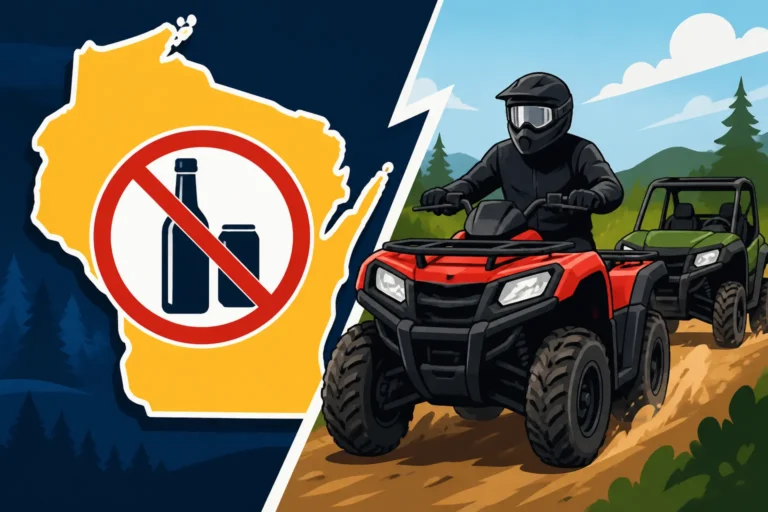
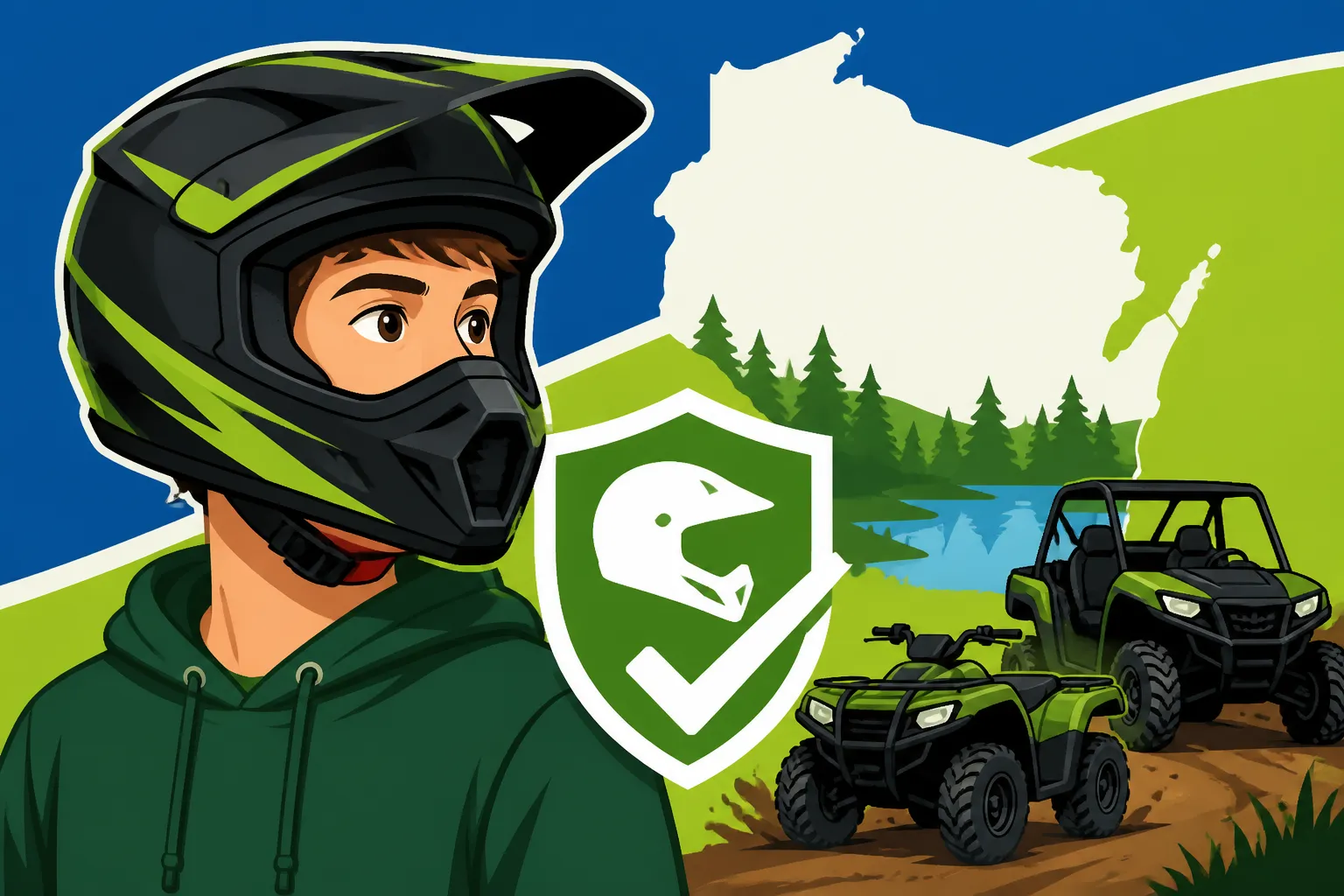
Let's cut right to the chase: In Wisconsin, if you are operating or riding as a passenger on an ATV or UTV and you are under the age of 18, you must wear a protective helmet. There’s really no wiggle room on this one, and it places 17-year-olds squarely in the category of riders for whom a helmet is non-negotiable.
This rule isn't arbitrary. It's born from years of accident data and a commitment to protecting minors. While a 17-year-old might feel like they're just on the cusp of adulthood and capable of making their own safety decisions, the state law doesn't differentiate between a 12-year-old and a 17-year-old when it comes to helmet use. The risks of head injury in an off-road incident are significant, and a helmet provides a crucial layer of protection against impacts, abrasions, and even simple hazards like low-hanging branches or kicked-up debris. It can be frustrating to feel "almost adult" but still subject to this rule, but the intention is purely for the rider's well-being. Think of it as an extra layer of peace of mind for parents, too, knowing their teen is legally protected. This is why [Wisconsin Helmet Rules for Riders Under 18] is a topic wardens take very seriously.
What "Approved Helmet" Really Means
It's not enough to just wear any helmet; it needs to be an approved helmet. In Wisconsin, this means the helmet must meet safety standards established by the U.S. Department of Transportation (DOT). You’ll typically see a "DOT" certification sticker on the back of any compliant helmet.
So, what does DOT approval entail? It means the helmet has been tested to withstand certain impact forces, penetration, and chin strap retention. These aren't just fancy labels; they represent real-world protection. A simple bicycle helmet, or one designed for skateboarding, will not suffice, nor will a novelty helmet that doesn't carry the DOT certification. These types of helmets simply aren't engineered to handle the types of forces generated in an ATV or UTV accident. When you're looking for a helmet, whether it's an open-face with good eye protection or a full-face model, ensure it clearly displays that DOT certification. A good helmet also fits snugly but comfortably, without obstructing vision or hearing. Many riders find that a full-face helmet offers the best all-around protection against impacts, dust, and wind. Reputable brands, often found through retailers like SuperATV, offer a wide range of DOT-approved helmets designed specifically for off-road use, featuring features like good ventilation and moisture-wicking liners.
Specific Scenarios and What a 17-Year-Old Faces on Wisconsin Trails and Routes
The helmet rule for minors isn't just for designated trails; it extends to virtually all riding situations where an ATV or UTV is operated. Understanding these contexts is crucial to avoiding citations and, more importantly, preventing injury.
Riding Public Trails and Designated Road Routes
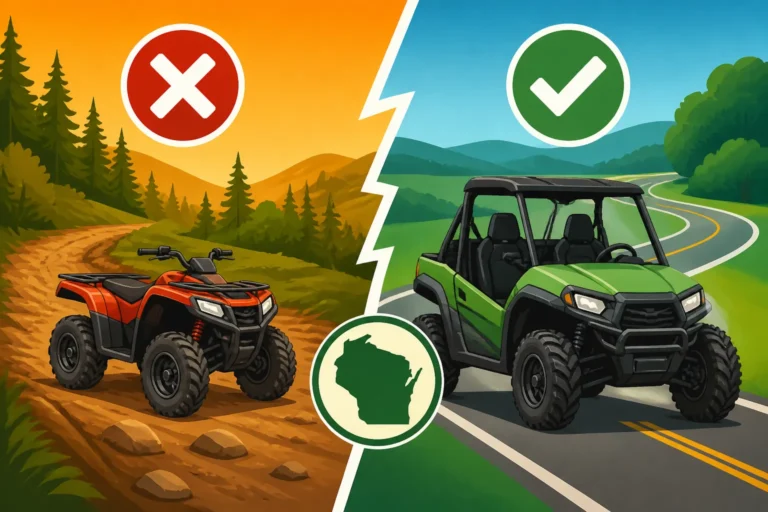
Whether your 17-year-old is tearing up a county trail in Marinette County, exploring the vast networks of the Chequamegon-Nicolet National Forest, or cruising on a [Wisconsin Road Route] that winds through a small Northwoods town like St. Germain or Eagle River, the helmet rule applies. There are no exceptions for these public riding areas. Wardens and local law enforcement actively patrol these routes and trails, and a common reason for them to stop a young rider is the absence of a helmet.
The consequences of non-compliance can range from a verbal warning to a significant citation. Fines can add up quickly, and they’re often issued to both the underage rider and the supervising adult or parent. Imagine trying to explain to a warden that you just didn't realize the rule applied. It's a conversation no one wants to have, especially when it could have been easily avoided. So, before heading out for a day of fun, double-check that every rider under 18 has their DOT-approved helmet securely fastened. This rule applies whether the 17-year-old is the one behind the handlebars or simply riding as a passenger in a side-by-side.
Riding on Private Property and the Exceptions (or Lack Thereof)
This is where some of the biggest misunderstandings can occur. Many people mistakenly believe that if they are riding on private land—their own property, a friend's farm, or a leased hunting ground—Wisconsin's ATV and UTV laws, including helmet requirements, somehow vanish. This is largely untrue when it comes to the "under 18" helmet rule.
Wisconsin's statute generally mandates helmets for all ATV/UTV operators and passengers under 18, regardless of where they are riding. This means that even if your 17-year-old is just doing chores around your sprawling rural property or riding at a friend’s cabin in [Riding a Friend's Land by Permission in Wisconsin], they are still legally required to wear a helmet. The law doesn't make a distinction between public land and most private property for minors. There are extremely narrow exceptions for farm work performed by specific individuals on agricultural land, but these are highly specific and not a blanket "no helmet needed" pass. For the vast majority of recreational riding situations, whether on your back forty or a public trail, a 17-year-old needs to have a helmet on. It’s always best to err on the side of caution and ensure the helmet is worn, preventing both potential injury and legal headaches.
Beyond the Helmet: Other Important Rules for 17-Year-Old Riders in Wisconsin
While the helmet is a critical piece of the puzzle, a 17-year-old rider in Wisconsin also needs to be aware of other regulations that ensure their safety and legality on the trails and routes.
Safety Certification and Age Restrictions
Beyond the helmet, a 17-year-old rider, like many younger operators, will almost certainly need an ATV or UTV safety certificate. In Wisconsin, anyone born on or after January 1, 1988, is required to complete an ATV and/or UTV safety course to operate on public trails and routes. Since a 17-year-old would fall squarely into this birthdate range, completing this certification is a must. This course covers everything from basic machine operation and maintenance to trail etiquette, environmental considerations, and, yes, helmet requirements. It's a crucial step to ensuring a young rider is not only compliant with the law but also knowledgeable and prepared for the responsibilities of operating an off-road vehicle. For more on this, check out [Wisconsin's ATV Safety Certificate Requirement].
Furthermore, while a 17-year-old is certainly old enough to operate an ATV (minimum age 12), they also meet the minimum age of 16 to operate a UTV on public lands, provided they have their safety certificate. Understanding these age restrictions is key to avoiding further citations. You don't want to be in a situation where your 17-year-old is wearing a helmet but is operating a UTV without the proper certification. These rules are interconnected for a reason, all aimed at fostering responsible and safe riding. For a broader look at age rules, [Wisconsin Age Rules for ATVs and UTVs] offers more details.
Eye Protection and Other Safety Gear
Even with a DOT-approved helmet, proper eye protection is a legal requirement if the helmet doesn't have a full face shield. This means if your 17-year-old opts for an open-face helmet, they must wear goggles or glasses that meet protective standards. This isn't just a suggestion; it's a critical safety measure to protect against dust, debris, insects, and branches that can cause serious eye injuries. Imagine riding along a scenic trail when a pebble from another machine or a low-hanging branch strikes an unprotected eye. That's a surefire way to ruin a riding trip and cause lasting damage.
Beyond the legal necessities of helmets and eye protection, encourage your 17-year-old to wear other protective gear. Sturdy gloves can prevent blisters and protect hands in a spill. Over-the-ankle boots offer crucial foot and ankle support. Long pants and long-sleeved shirts, even in warmer weather, provide protection against scrapes, sun exposure, and bug bites. Brands like SuperATV offer a variety of high-quality riding gear designed to enhance safety and comfort on the trails. Investing in good gear is just as important as investing in a good machine. For specific rules, consider [Eye Protection on a Wisconsin Route Ride].
Parental Responsibility and Consequences
It's natural for parents to want their teenagers to have fun and experience the joy of outdoor recreation, and ATV and UTV riding can be an incredible way to do that in Wisconsin. However, with that freedom comes significant parental responsibility, especially when it comes to ensuring adherence to safety laws. As mentioned, if a 17-year-old is cited for not wearing a helmet, the consequences often extend to the parent or legal guardian. This can include fines, which can range from minor to substantial, depending on the municipality and the discretion of the enforcing officer.
Beyond the legal penalties, there’s the moral responsibility. Instilling good safety habits in young riders isn't just about avoiding tickets; it's about protecting their lives and future. By making sure your 17-year-old wears a helmet, completes their safety course, and understands all the rules, you're not just being a compliant parent—you're being a responsible guide, teaching them lessons that extend far beyond the trail. It shows them that safety isn't optional, and it's a habit that will serve them well in all aspects of life.
Here's a quick reference table for Wisconsin ATV/UTV helmet rules:
| Rider Age Group | Helmet Required? | Key Details |
|---|---|---|
| Under 18 | YES | Required for both operators and passengers on all public and most private lands. Must be DOT-approved. |
| 18 and Over | NO | Not legally required, but highly recommended for safety. Must wear eye protection if helmet is open-face or absent. |
| Youth 12-15 | YES | Must wear helmet. Must have safety certificate. Limited supervision rules apply. |
| Youth under 12 | YES | Generally not permitted to operate ATVs/UTVs on public land. Special rules for youth machines on private property. |
Disclaimer
This article is for general informational purposes only and does not constitute professional advice. Laws, prices and regulations vary by location and change over time. Consult a qualified professional for guidance on your specific situation.