Riding a Wisconsin Trail After Logging Season
Wisconsin trail riding after logging season requires checking route access, assessing rutted surfaces, and respecting closures.
The map is not the permission.
National forest and BLM routes, state OHV parks, and club trails crossing private land — with the closures and passes that decide whether today counts.

Wisconsin trail riding after logging season requires checking route access, assessing rutted surfaces, and respecting closures.

Wisconsin ATV trail rules and maps change at county boundaries, requiring riders to check multiple agencies before starting.

Wisconsin two-track and single-track trails differ in width, terrain, and vehicle access for ATVs and dirt bikes.

Wisconsin ATV and UTV fuel planning helps riders estimate practical reserves, verify route services, and avoid long gaps.

Wisconsin ATV trail conditions after rain, checking local closures, machine preparation, and safe riding decisions.
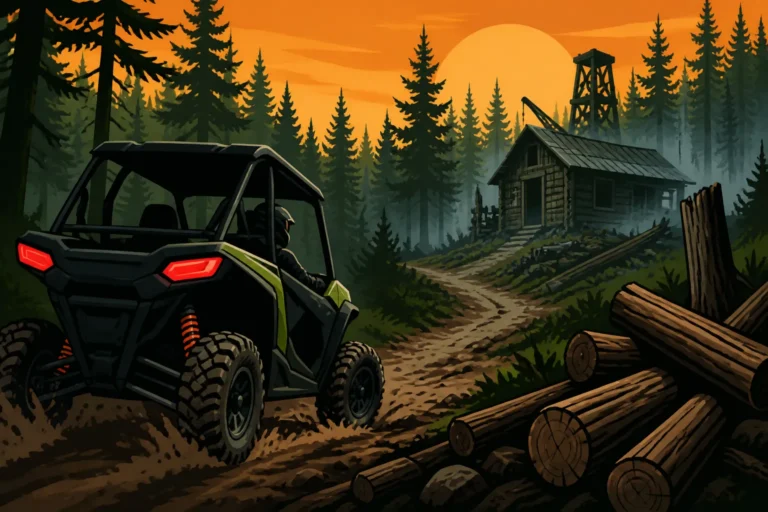
Wisconsin ghost logging camp trails require legal route planning, historic research, and strict adherence to land access rules.

Wisconsin ATV trails feature forest overlooks, lake views, and rolling terrain in Bayfield and Iron County locations.

Elevation change on Wisconsin ATV and UTV trails affects ride pacing, traction, and throttle control during climbs.
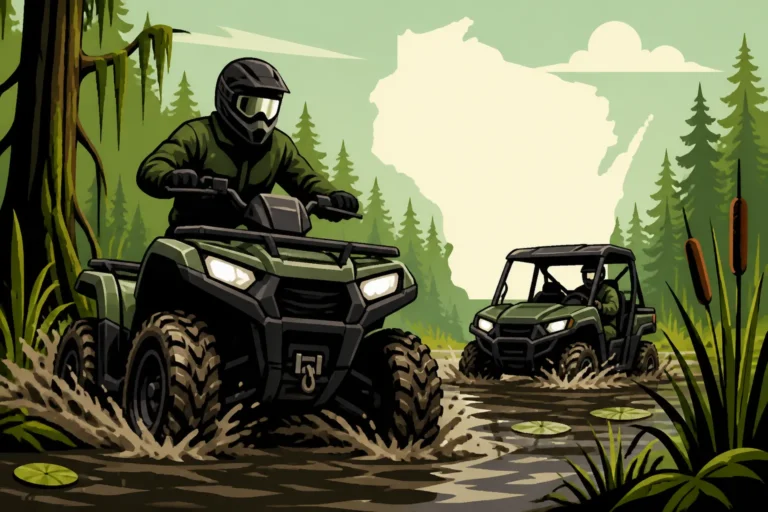
Wisconsin swamp trail riding techniques, ATV preparation, and safety steps for handling deep mud and standing water.

Wisconsin county trail water crossings can hide soft bottoms and strong currents, requiring riders to assess safety conditions.