Fueling an ATV in a Wisconsin Small Town
Ah, the open trail calls, doesn't it? You've been out all morning, exploring the beauty of Wisconsin's Northwoods or the rolling hills of the central sands, and your fuel gauge is starting to wink at you. Now you're approaching a charming small town, the kind with one stoplight and a classic main street, and a question pops into your head: can I actually ride my ATV or UTV right up to the gas pump here? It's a common dilemma, and navigating the nuances of fueling up in a Wisconsin small town can feel like a maze, full of local rules and unspoken etiquette. This guide is here to untangle that, helping you confidently and legally get your machine refueled and back on the trails.
Understanding Wisconsin's ATV/UTV Route Rules for Town Access
Riding your ATV or UTV into a Wisconsin small town for fuel isn't as simple as just hitting the main drag. Unlike a car, you can't just drive anywhere you want. The ability to access services like gas stations hinges entirely on how that particular town has opened its roads to off-highway vehicles. It's a critical first step, and misunderstanding it can lead to frustration or, worse, a citation.
The Importance of Local Ordinances
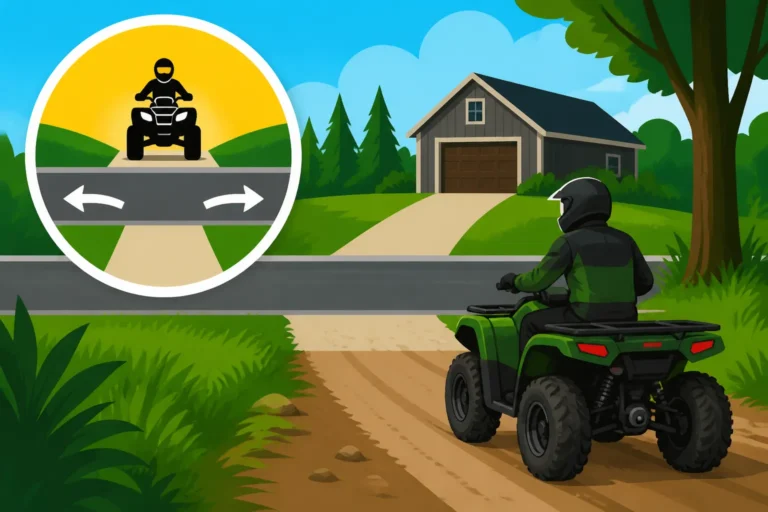
Every town in Wisconsin has the power to decide if and how ATVs and UTVs can operate on its municipal roads. This is done through local ordinances, which are essentially local laws. What's legal in Eagle River might be completely off-limits in a town just ten miles down the road. These ordinances dictate everything from which roads are open, to the hours of operation, to specific speed limits. When a town decides to open a road or a series of roads as an ATV/UTV route, they typically install signage to indicate this. You'll often see specific ATV/UTV route signs, sometimes with arrows pointing the way, or signs indicating that a particular road is part of the designated route system.
The tricky part is that these ordinances aren't always immediately obvious to an out-of-town rider. You can't assume that because you're in a "trail town" that every street is fair game. Many towns will designate specific roads that lead to gas stations, restaurants, or lodging, while others remain strictly off-limits. It's not uncommon for a town to have a robust trail system surrounding it, but very limited route access within the town limits themselves. This is why it's so important to do a little homework before you roll into town. Checking the local town or village website, looking at county trail maps, or even asking at a local business like a bait shop or a tavern can save you a lot of grief. Remember, wardens and local police do enforce these rules, and ignorance isn't typically considered a valid excuse for non-compliance. Understanding [Municipal Ordinances Wisconsin Riders Must Read] is truly the key to a smooth ride.
Designated Routes Versus Open Roads
The distinction between a "designated route" and a regular "open road" is crucial. In Wisconsin, unless a specific road has been officially designated as an ATV/UTV route by a local ordinance, it's generally off-limits for riding. This means you can't just take any convenient street to get to the gas station if it's not part of the established route system. A designated route implies that the local municipality has gone through the process of approving it, posting proper signage, and often setting specific rules for its use by off-highway vehicles.
These routes are designed to connect riders to essential services and to other trail systems. For example, a town might have a main road that serves as an ATV/UTV route, allowing access to the local gas station and perhaps a few eateries. However, the side streets branching off that main route might not be open at all. This creates a kind of "corridor" effect where you're expected to stay on the marked path. If you veer off a designated route onto an unposted road, even if it seems like a shortcut to the pump, you could be breaking the law. It’s imperative to follow the signs and stick to the roads explicitly marked for ATV/UTV use. This ensures you're riding legally and respectfully within the community, and helps maintain the good standing of all riders. It's all part of [What a Wisconsin ATV Route Actually Is] and why it's so important to understand.
Navigating a Wisconsin Small Town to the Pump
Once you've confirmed that the small town you're entering has designated routes that will lead you to a gas station, the next step is actually navigating those routes safely and courteously. It's a different experience than trail riding, with different rules and expectations. You're sharing the road with cars, pedestrians, and sometimes even bicycles, so awareness and good manners are paramount.
Identifying ATV-Friendly Gas Stations
Not all gas stations in a small town will be equally convenient or even accessible for ATV/UTV riders. Some stations might be located directly on a designated route, making them an obvious choice. Others might be a block or two off the main route, requiring a careful look at the local ordinance or signage to confirm access. Often, in popular trail towns, gas stations will have visible signs welcoming ATV/UTV riders, sometimes even with specific parking areas or wider approaches that make maneuvering larger machines easier. Local knowledge is invaluable here; often, the gas station that's been serving riders for years will be the most accommodating.
If you're unsure, keep an eye out for other ATVs or UTVs parked at a particular station. That's usually a good indicator that it's a known spot. You might also find local trail maps, often provided by county tourism offices or local businesses, which highlight ATV/UTV-accessible services, including gas. These maps can be a lifesaver when you're in an unfamiliar area, especially in remote parts of the Northwoods where cell service can be spotty. Remember, you're not just looking for fuel; you're looking for a hassle-free, legal experience. It’s all part of the fun of [Riding to Supper in a Wisconsin Trail Town] – the convenience of getting everywhere on your machine.
The Rules of the Road (or Route) to the Pump
When you transition from a winding trail to a town road, the rules of engagement change significantly. For starters, speed limits are strictly enforced on town routes, just as they would be for cars. These limits are usually much lower than what you might be used to on a wide-open trail, often 25 mph or even less in residential or commercial areas. It’s crucial to respect these limits, not only for safety but also to maintain a positive image for the ATV/UTV community. Loud machines speeding through town can quickly generate complaints from residents, potentially jeopardizing future route access. You can find detailed information on [Speed Limits on a Wisconsin Route].
Additionally, you're generally expected to ride single file, just like any other vehicle on a public road. Two abreast is usually not permitted on designated routes within town limits, as it takes up too much road space and can create hazards. When you're approaching the gas station, pull over to the side of the road safely if you need to stop and consult a map or wait for others in your group. Avoid blocking traffic or making sudden maneuvers. Parking at the station itself should be done considerately. Aim for spots that are easy to get in and out of with your machine, and avoid taking up multiple car parking spaces if possible, especially during busy times. Be mindful of pedestrians, cyclists, and other drivers. Remember, every time you ride through a town, you're an ambassador for the sport, so make a good impression. Many trail towns have embraced ATV/UTV riders, and a little courtesy goes a long way to keep that welcome alive. You'll learn that [Wisconsin Road Rules Riders Get Wrong] often center around these nuances.
Fueling Up: Practical Considerations at the Station
You've successfully navigated the town routes and pulled into an ATV-friendly gas station. Now it's time to actually get that precious fuel into your tank. While it might seem straightforward, there are a few practical considerations to keep in mind, especially when you're on an off-highway vehicle rather than in a car.
Safely Maneuvering Your Machine at the Pump
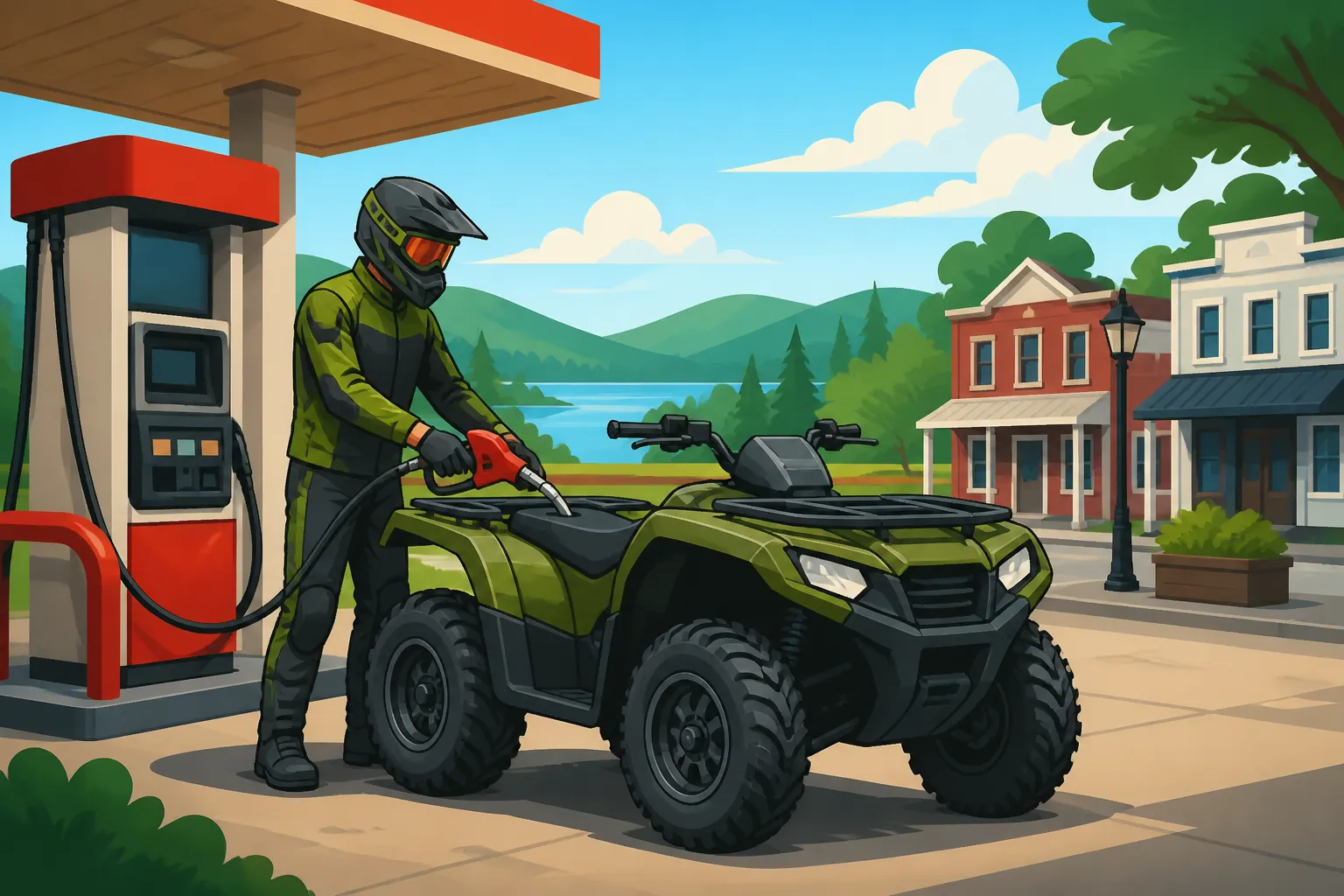
One of the first things to remember when pulling up to the pump is to always turn your engine off. This is not only a safety precaution to prevent accidental acceleration or fire, but also a legal requirement at most fueling stations. Secure your machine so it won't roll, especially if you're on an incline. When you're ready to fill up, try to choose a pump that offers ample space to maneuver, particularly if you're on a larger UTV or pulling a small trailer. Avoid pumps that are cramped or require you to block the flow of traffic significantly. Parking etiquette is key: pull your machine forward enough so that other vehicles can still get by, and consider parking slightly off to the side if there's an area that's out of the main traffic flow.
Some riders find it easier to use the outside pumps, if available, as they often offer more room to turn around. If you're riding with a group, coordinate your fueling so you don't overwhelm a single pump or create a bottleneck. Let one or two machines fuel at a time, moving aside as soon as you're done. This minimizes disruption for other customers. If your machine is equipped with tracks for winter riding, be especially mindful of how they interact with the pavement and any potential damage they could cause. Always prioritize safety for yourself, your group, and other patrons of the gas station. If you need to dismount your machine to stretch or grab a snack, make sure it's safely parked and not impeding anyone. [Wisconsin Gas Stations Along the Routes] are usually well-versed in handling riders, but it's always good to be prepared.
Payment, Fuel Types, and Other Amenities
Most modern gas stations offer card payment directly at the pump, which is incredibly convenient when you're geared up and don't want to go inside. However, sometimes the system might require you to go in and pre-pay, or you might prefer to pay with cash. If you do go inside, remember to remove your helmet and any other bulky gear that might make you appear less approachable. Be friendly and courteous to the station staff; they often deal with a lot of customers and appreciate a pleasant interaction.
Regarding fuel types, most ATVs and UTVs run perfectly fine on regular unleaded gasoline (87 octane). However, some higher-performance machines or those with aftermarket tunes might benefit from premium fuel, so always check your owner's manual. A common concern for off-road vehicles is ethanol. Many riders prefer ethanol-free gasoline if available, as ethanol can sometimes cause issues with fuel lines and carburetors, especially in older machines or those stored for long periods. If your local small-town station offers ethanol-free fuel, it might be worth the slightly higher price for peace of mind. Beyond fuel, remember these stations are often your only chance to grab a quick snack, use a restroom, or pick up a cold drink before heading back out. Some might even stock small essential items like oil or two-stroke mix, or even offer air for tires – handy if you picked up a slow leak on the trail.
Etiquette and Responsible Riding in Town
Riding an ATV or UTV through a small Wisconsin town isn't just about legality; it's also about being a good neighbor and ambassador for the sport. The way you conduct yourself in these communities directly impacts the perception of all riders and can influence whether towns continue to welcome off-highway vehicles.
Minimizing Impact and Maintaining Good Relations
The sound of an ATV or UTV can be quite distinct, and while it's part of the fun on the trail, it can be a nuisance in a quiet residential area. One of the most common complaints from town residents is excessive noise. This is why many local ordinances have specific hours of operation for ATV/UTV routes, often restricting nighttime riding. When you're on town routes, try to keep your engine RPMs low, avoid aggressive acceleration, and certainly don't rev your engine unnecessarily. If you have an aftermarket exhaust system, be especially mindful of its sound levels. Wisconsin does have a 96-decibel exhaust limit, and while it's primarily enforced on trails, it's a good standard to adhere to in town as well. [Noise Complaints From Lake Neighbors Up North] are a real thing, and we want to avoid them.
Dust is another factor, particularly on gravel roads or during dry conditions. Slowing down significantly when passing homes, businesses, or pedestrians can dramatically reduce the amount of dust you kick up. Always respect private property; don't park on someone's lawn, cut through private lots, or block driveways. Simple courtesies, like waving to residents, giving pedestrians the right-of-way, and generally being polite, can go a long way in fostering good relationships between riders and townspeople. Remember, these towns are often the lifeblood of our trail systems, offering services and hospitality. Treat them with respect, and they'll continue to welcome you.
Avoiding Common Mistakes and Citations
The penalties for violating ATV/UTV rules in Wisconsin can range from warnings to significant fines, and in some cases, even temporary loss of riding privileges. One of the biggest mistakes riders make is assuming that because they're on a route, all rules are relaxed. This couldn't be further from the truth. Speeding, as mentioned, is a common offense. Driving off a designated route, even if it's just for a block to reach a gas station, is another sure way to get a ticket. Look for the signs, and if there isn't one, assume the road is closed to ATVs/UTVs.
Littering is another absolute no-go. Whether it's a discarded energy drink can or an old trail map, anything left behind reflects poorly on all riders. Carry out whatever you carry in. And of course, never, ever operate an ATV or UTV under the influence of alcohol or drugs. Wisconsin has strict laws regarding operating ATVs/UTVs while intoxicated, similar to those for cars. An OWI on an ATV carries serious consequences, including fines, license suspension, and potential jail time. [Wisconsin Alcohol Limits for ATV Operators] are important to know and respect. Wardens and local law enforcement actively patrol these routes, especially during busy riding seasons, so expect to encounter them. Being prepared and compliant means a stress-free ride. Don't let a moment of carelessness ruin your trip or give other riders a bad name; [Wisconsin Warden Enforcement on Wisconsin Routes] is a regular part of the riding experience.
Planning Your Fuel Stops on Longer Rides
For day-trippers and multi-day adventurers, running out of gas miles from the nearest town or accessible route is a nightmare scenario. Strategic fuel planning isn't just smart; it's essential for a smooth and enjoyable Wisconsin ATV/UTV experience.
Mapping Out Your Route and Gas Availability
Before you even load your machine onto the trailer, sit down with a good map – whether it's a paper one from the county forestry office or a digital app like onX Offroad. Plot your intended route, noting key intersections, points of interest, and, most importantly, potential fuel stops. Pay close attention to the mileage between these stops and compare it to your machine's estimated fuel range. Remember that aggressive riding, deep mud, or heavy loads can significantly reduce your fuel economy, so always err on the side of caution and factor in a buffer. It's truly vital to [Planning a Wisconsin Riding Trip] with fuel in mind.
Many trail systems in Wisconsin are extensive and can cover vast, sparsely populated areas. Some of the most remote sections of the Chequamegon-Nicolet National Forest, for instance, might have long stretches without any services. Highlight potential gas stations directly on your map. Also, note their operating hours, especially in smaller towns where pumps might not be open 24/7 or might close early on weekends. Having a plan B, or even a plan C, for fuel can prevent a lot of stress. Don't rely solely on one gas station; know which others are along your route or reasonably accessible from it.
Carrying Auxiliary Fuel (When and How)
For those truly remote rides, or when you know the next fuel stop is a long way off, carrying auxiliary fuel is a smart move. However, this isn't as simple as tossing a plastic gas can in your cargo rack. Safety is paramount when transporting flammable liquids. Always use purpose-built fuel containers designed for off-road use, not just any old jerry can. These containers are typically more durable, less prone to spills, and designed to withstand the vibrations and jostling of trail riding.
Secure the auxiliary fuel firmly to your machine. It shouldn't be bouncing around or at risk of coming loose. Many riders use specialized mounts that bolt to their racks or cargo beds for this purpose. Companies like SuperATV offer a wide range of robust cargo boxes, fuel can mounts, and spare tire carriers that can help you safely and securely transport extra fuel, ensuring it won't be a hazard during your ride. Consider the size of the container; a one or two-gallon can is often sufficient for extending your range by a significant margin without adding excessive weight or bulk. Always fill these containers away from your machine to avoid spills on hot exhaust components. With careful planning and safe execution, carrying extra fuel can open up a whole new world of longer, more adventurous rides across Wisconsin.
Disclaimer
This article is for general informational purposes only and does not constitute professional advice. Laws, prices and regulations vary by location and change over time. Consult a qualified professional for guidance on your specific situation.