Mud on a Wisconsin Town Road in April
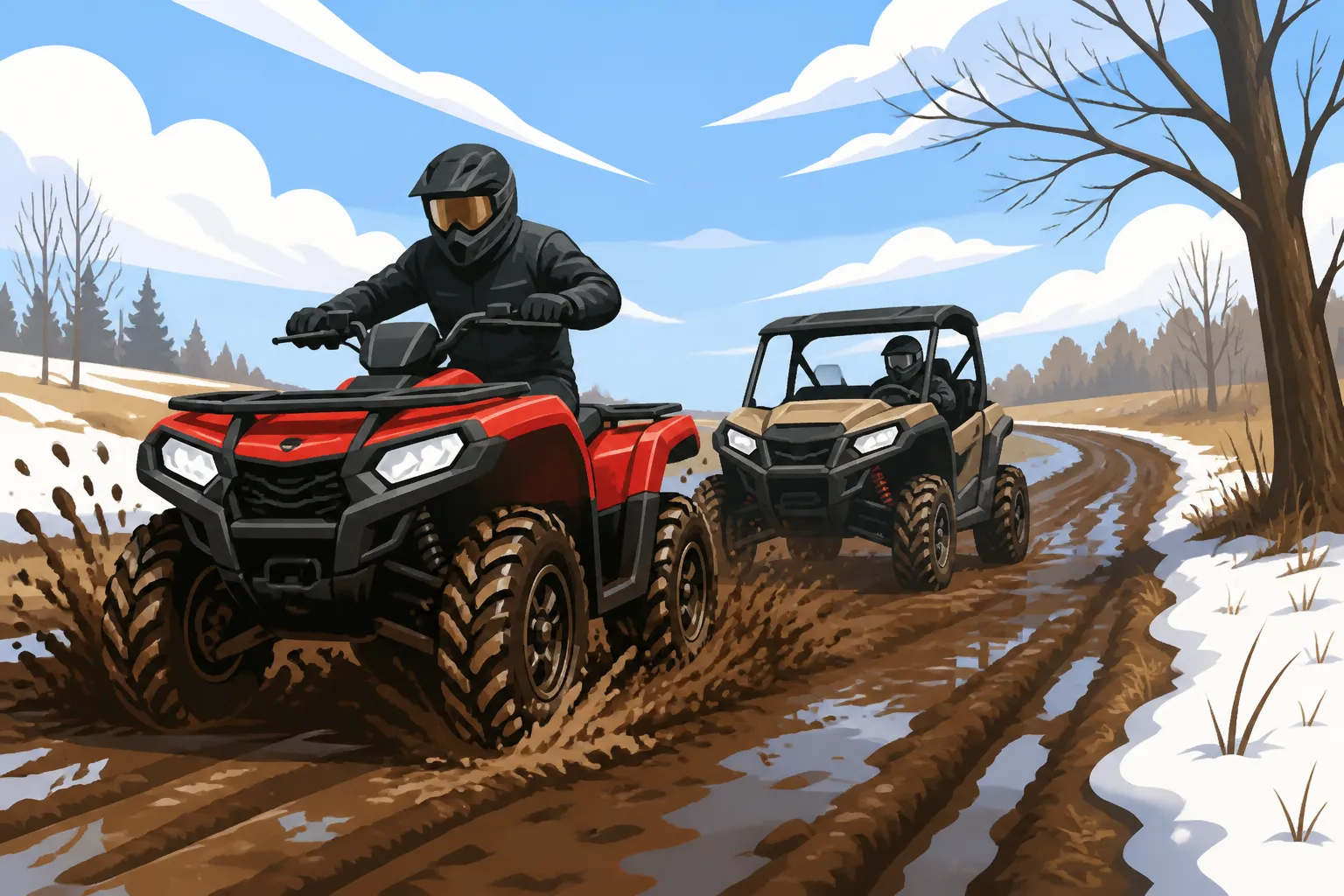
Ah, spring in Wisconsin! While it brings the promise of warmer weather and longer days, for many of us who love to hit the trails and backroads on our ATVs and UTVs, April often means one thing: MUD. Specifically, incredibly messy, rut-forming, paint-splattering mud on our beloved town roads. It's a real headache, isn't it? You want to get out and enjoy the machine you've invested in, but you also don't want to be that rider who tears up the local infrastructure. This guide is all about understanding why those town roads turn into soupy messes in April, the impact our machines can have, and how to navigate these conditions responsibly to keep trails open and neighbors happy.
Understanding Wisconsin's Spring Thaw and Road Conditions
Every year, like clockwork, Wisconsin experiences its legendary spring thaw. For outdoor enthusiasts, it's a double-edged sword. On one hand, the snow melts, and the air warms. On the other, the ground becomes saturated, and our unpaved town roads, which crisscross so much of our beautiful state, can quickly transform into treacherous, muddy rivers. It’s a perennial challenge, and one that every responsible rider needs to understand deeply.
Why April Brings the Muddiest Road Conditions
The primary culprit behind April's mud-laden roads is the freeze-thaw cycle that defines our transition from winter to spring. Throughout the colder months, the ground freezes deeply, often several feet down. This frozen ground acts like an impermeable barrier, preventing any moisture from percolating deeper into the earth. When spring arrives, the snow and ice begin to melt from the top down, and the spring rains kick in. All that water has nowhere to go but to sit on top of the frozen sub-layers or seep into the upper few inches of soil.
As the sun warms the surface, the top layer of the road thaws, becoming completely saturated with water. Below it, the ground might still be frozen solid, creating a waterlogged "sponge" effect. This process turns gravel and dirt roads into a soft, yielding mess that loses all its structural integrity. It's not just a little mud; it's often a thick, soupy consistency that can trap tires and vehicles. This is especially true in areas with clay soils, which hold water like nobody's business, making for exceptionally sticky and deep mud.
The Structural Integrity of Unpaved Town Roads
Think about your typical unpaved Wisconsin town road. It's usually a mix of gravel, dirt, and aggregate, designed to be somewhat permeable and shed water. However, when the spring thaw hits, this design is severely tested. The very base of these roads, which provides stability and support, becomes compromised as the underlying ground thaws and saturates. The gravel can no longer interlock firmly, and the entire surface turns pliable.
This loss of structural integrity means that the road is incredibly vulnerable to damage. Heavy vehicles, or even the concentrated weight and aggressive tread patterns of ATVs and UTVs, can easily create deep ruts. These ruts don't just disappear; they become channels for water, leading to further erosion and more extensive damage. This is a big deal for local municipalities, as repairing these roads is costly and time-consuming. They are constantly battling to keep these roads in decent shape for residents, farmers, and emergency services. This is also why you often see signs about [Spring Thaw and Wisconsin Route Damage] in the springtime, alerting drivers to the fragile condition of the roadways.
The Impact of ATV/UTV Riding on Soft Roadways
It's tempting to think of mud riding as part of the off-road experience, and it absolutely can be on designated trails and private property. However, when it comes to shared public thoroughfares like town roads, especially during the vulnerable spring season, our machines can have a disproportionate impact. Understanding this impact is key to being a responsible and considerate rider in the Wisconsin community.
How Off-Road Tires Exacerbate Mud Damage
One of the greatest joys of ATV and UTV riding is the ability to tackle challenging terrain, and aggressive off-road tires are crucial for that. Those deep, widely spaced lugs are designed to dig in, find traction, and propel your machine forward through loose soil, rocks, and, yes, mud. They excel at "paddle" through the muck, clearing material to get a grip.
However, on a soft, waterlogged town road, these same characteristics become a major liability. Instead of just rolling over the surface, those aggressive treads act like miniature excavators. They dig deep, quickly churning up the saturated gravel and dirt, creating significant ruts in a very short amount of time. The heavier your machine, especially a larger side-by-side, the more pronounced this effect will be. When multiple machines follow the same path, those initial ruts deepen into impassable trenches, making the road difficult for even four-wheel-drive trucks, let alone smaller cars, to navigate. This kind of damage isn't just cosmetic; it can actually compromise the roadbed, leading to long-term issues that require extensive repairs by the town.
The Legal and Community Consequences of Road Damage
Causing damage to public roads, even unintentionally, can have serious repercussions. While you might just be trying to get from one section of trail to another, leaving deep ruts in a town road can be considered property damage or reckless operation. Local municipalities have ordinances in place to protect their infrastructure, and wardens, sheriff's deputies, and even local town officials can issue citations. You could face significant fines under statutes related to damaging public property or [Wisconsin Fines for Illegal Road Riding]. In severe cases, particularly if your actions are deemed deliberate or exceptionally reckless, you could even be looking at [Wisconsin Penalties for Reckless Riding].
Beyond the legal aspect, there's the equally important issue of community relations. Most of Wisconsin's ATV and UTV routes exist because local towns and counties have voted to open them. This access is a privilege, not a right, and it hinges on maintaining good relationships with residents and landowners. When riders tear up town roads, it quickly breeds resentment. Homeowners who rely on those roads for daily travel, farmers trying to move equipment, and local businesses trying to get deliveries will be understandably frustrated. This can lead to increased complaints, pressure on town boards to close routes, or even stricter local ordinances regarding ATV/UTV use. As riders, we need to be ambassadors for our sport, and that means respecting the shared infrastructure and the communities that host us. It's about maintaining good [Group Etiquette Through a Northwoods Town] and showing respect for everyone who calls Wisconsin home.
Responsible Riding Practices on Muddy Wisconsin Town Roads
Navigating muddy town roads in April requires a blend of skill, patience, and a deep respect for the environment and local community. It's not about avoiding the mud entirely – sometimes it's unavoidable – but rather about minimizing your impact and riding in a way that preserves access for everyone. Being proactive and informed is your best defense against causing damage and ensuring a positive riding experience.
Strategies to Minimize Your Footprint
When you encounter a muddy section of a town road, your first instinct might be to power through it. Resist that urge. The key is to reduce your impact as much as possible. Here are some strategies:
- Reduce Your Speed: High speeds, especially when combined with aggressive tires, magnify the amount of material churned up. Slowing down significantly allows your tires to roll over the soft surface more gently, rather than digging into it with force.
- Avoid Spinning Your Tires: This is perhaps the most crucial tip. Excessive wheel spin is what creates those deep, damaging ruts. If you feel your tires starting to spin, ease off the throttle. Sometimes, a steady, low-speed crawl is all that's needed to maintain forward momentum without tearing up the road.
- Stay in Existing Tracks: If there are already ruts or tracks from other vehicles, try to stay within them. While it might deepen existing ruts slightly, it prevents you from widening the damaged area or creating new parallel ruts. Spreading out and creating multiple sets of tracks only exacerbates the problem.
- Consider Alternative Routes: Before you even head out, check your maps. Is there a paved road or a less-traveled gravel road that might be in better condition? Sometimes taking a slightly longer detour can save the town road from damage and prevent potential fines. Always consult [Finding a Wisconsin Town's ATV Ordinance] to confirm if your planned route is even open to ATV/UTV traffic.
- Be Patient: Spring riding often means dealing with less-than-ideal conditions. If a road looks too soft, or you feel your machine struggling without excessive throttle, it might be better to turn around and find another way, or postpone your ride until conditions improve. No ride is worth causing significant damage and potentially jeopardizing future access. Remember that many trails are closed during this time, so checking [Wisconsin Trail Closures in April] can give you an idea of the general ground conditions.
Equipment Choices for Muddy Conditions
While skill and responsible riding are paramount, having the right equipment can also play a role in mitigating your impact and enhancing your experience on muddy town roads.
- Tires: For sections of town road, especially those that are primarily gravel, consider if your aggressively lugged mud tires are truly necessary. Some riders choose more all-terrain style tires that offer a good balance of traction without being overly destructive on softer surfaces. If you have dedicated mud tires, remember to be extra gentle on the throttle.
- Mud Flaps and Fender Flares: While they won't stop you from creating ruts, mud flaps and extended fender flares can greatly reduce the amount of mud and debris that gets slung onto your machine, passengers, and other vehicles. Companies like SuperATV offer a range of fender flare kits that provide extra coverage, keeping your machine and nearby areas cleaner. This is especially helpful if you're [Riding Slowly Past a Farmyard on a Route] and want to avoid spraying someone's property.
- Winch and Recovery Gear: Even with the best intentions, you might find yourself stuck. Having a winch and basic recovery gear (like a tow strap) can help you self-recover without needing to spin your tires excessively and cause further damage in an attempt to get unstuck. Always ensure you have a safe anchor point before winching.
- Visibility Gear: In muddy conditions, visibility can be reduced by spray and slop. Ensure your machine's lights are clean and functional, and consider a brightly colored flag to make yourself more visible to other road users.
Checking Local Regulations and Road Status
This cannot be stressed enough: always know before you go! Wisconsin has a diverse landscape of local regulations regarding ATV/UTV use on town roads. What's permissible in one township might be strictly prohibited in another.
- Consult Local Ordinances: Before planning any route that involves town roads, do your homework. Contact the town clerk or visit the town's website. Look for specific ordinances regarding ATV/UTV operation. Some towns might have specific hours of operation, speed limits, or even temporary closures during spring thaw. A quick call or online search can save you a lot of grief. [Riding a Wisconsin Town Road] requires local knowledge.
- Check for Advisories: Many counties and towns will post advisories or even temporary weight restrictions on their roads during spring thaw. These are often shared on county forestry department websites, local government pages, or through local ATV clubs. [Checking Wisconsin Trail Status Before You Drive] is a good habit for designated trails, and the same principle applies to town roads during vulnerable periods.
- Warden Awareness: Be aware that local wardens and law enforcement are out there, especially during peak riding seasons. They are keen to ensure compliance with registration, safety, and operational rules. If you're riding recklessly or causing damage, you can expect to encounter [Warden Enforcement on Wisconsin Routes]. It’s much better to be stopped and commended for respectful riding than to be issued a citation.
Maintaining Your Machine After a Muddy Ride
Riding through mud, even responsibly, is tough on your machine. Ignoring the post-ride cleanup and inspection can lead to premature wear, costly repairs, and potential safety issues down the line. A little effort after each muddy outing goes a long way in preserving your ATV or UTV and ensuring it's ready for the next adventure.
Essential Cleaning Tips
Mud isn't just unsightly; it's abrasive and corrosive. When it dries, it can harden into concrete-like clumps that trap moisture against metal parts, accelerate rust, and seize moving components.
- Rinse Immediately (If Possible): The best time to clean mud is before it dries. If you can, hit your machine with a hose as soon as you get home. A pressure washer can be a powerful tool, but use it with caution around electrical components, seals, and bearings. Keep the nozzle moving and don't blast directly into sensitive areas.
- Focus on Key Areas: Pay special attention to the underside, suspension components, wheels, and behind the fender wells. This is where mud accumulates the most. Remove any large clumps by hand first.
- Engine and Radiator: Mud packed around the engine can cause it to overheat. Gently spray the engine compartment and, importantly, the radiator fins. A clogged radiator can drastically reduce cooling efficiency.
- Brakes and Drivetrain: Mud and grit can get into your brake calipers and pads, accelerating wear and reducing braking performance. Rinse these areas thoroughly. For chain-driven machines, clean and re-lube the chain. For belt-driven UTVs, ensure the CVT air intake and exhaust are clear of mud.
- Electrical Connections: While many modern ATVs and UTVs have sealed electrical systems, it’s still wise to rinse connections and allow them to dry completely. If you have auxiliary lights or accessories, ensure their wiring isn't caked in mud.
- Protect Your Finish: After rinsing, consider a gentle wash with ATV-specific soap, especially if the mud was particularly gritty. A quick spray of a protective detailer or silicone spray can help repel future mud and make cleaning easier next time.
Post-Ride Inspection for Wear and Tear
A thorough cleaning provides the perfect opportunity to inspect your machine for any damage or excessive wear caused by the muddy conditions. Catching issues early can prevent more significant problems.
- CV Boots: These rubber boots protect the critical CV joints on your axles. Mud, sticks, and debris can easily tear them. Inspect all CV boots for cracks, tears, or signs of grease leakage. A torn boot means dirt and water can get into the joint, quickly leading to expensive CV joint failure.
- Suspension Components: Check all control arms, tie rods, shocks, and bushings for bends, cracks, or excessive play. Mud can hide damage, so a clean machine makes it easier to spot.
- Bearings: Wheel bearings, especially, are vulnerable to water and grit. After a muddy ride, check for any abnormal play in the wheels or grinding noises. These are signs of worn bearings.
- Brakes: Inspect brake pads for excessive wear and rotors for scoring or damage. Mud can be very abrasive on brake components.
- Tires and Wheels: Look for any cuts, punctures, or damage to your tires and rims. Mud can hide embedded objects or rim bends.
- Frame and Mounts: Check the frame for any cracks or bends, particularly around suspension mounting points. Ensure all bolts are tight, especially those holding critical components.
- Fluids: After a hard, muddy ride, it's a good idea to check your engine oil, coolant, and differential fluid levels. Mud can put extra strain on your machine, and regular fluid checks are part of good maintenance.
Taking the time for both cleaning and inspection after a muddy April ride will extend the life of your ATV or UTV, keep it performing reliably, and ultimately make your riding experience safer and more enjoyable.
Disclaimer
This article is for general informational purposes only and does not constitute professional advice. Laws, prices and regulations vary by location and change over time. Consult a qualified professional for guidance on your specific situation.