Riding a Wisconsin Town Road
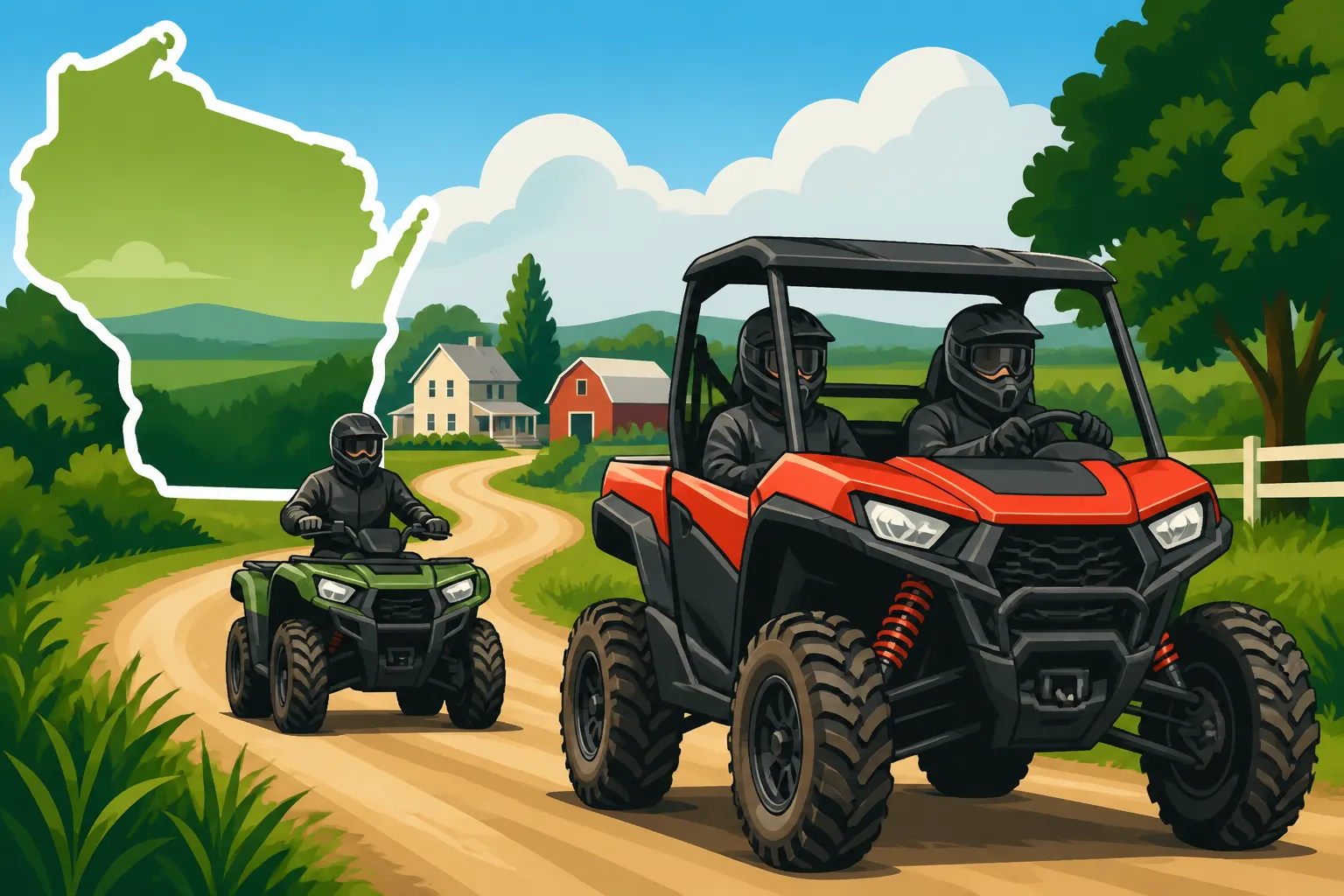
There’s nothing quite like the feeling of cruising down a quiet Wisconsin town road on your ATV or UTV, heading to the next trail section, or maybe just grabbing a burger in a small trail town. It feels like freedom, doesn't it? But here’s the thing: while many of us dream of just hopping on any road, Wisconsin has specific rules about where you can and can't ride. This guide is here to clear up the confusion and make sure your town road rides are legal, safe, and truly enjoyable.
The Basics: Is It Even Allowed?
It’s a common misconception that if a road looks like a simple gravel or paved town road, it's fair game for your machine. You see other folks on them, so why not you, right? Unfortunately, it's not that simple, and misunderstanding this can lead to some hefty fines and a ruined ride. Wisconsin operates under a specific system, and knowing it is key to staying out of trouble.
Understanding Wisconsin's "Route" System
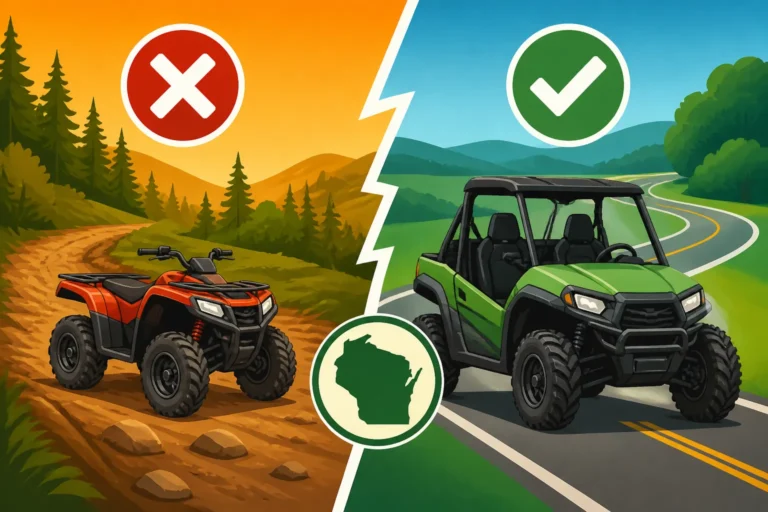
Here’s the absolute core truth: you cannot just ride on any town road in Wisconsin. Period. For an ATV or UTV to be legally operated on a town, village, or city road, that road must be specifically designated as an "ATV/UTV Route." It’s a crucial distinction. These routes are created through a local governmental process, not by default. The intention behind this system is to give local communities control over where and when these machines operate within their boundaries, addressing concerns like noise, safety, and wear and tear on roads. This can be frustrating for riders who just want to connect from one trail to another, or from their cabin to the gas station, only to find a perfectly good road is off-limits because it hasn't been officially designated. It creates a patchwork of rules that can be hard to navigate, but it's the system we're working with.
The Role of Local Ordinances
So, who decides which roads become routes? It's all about local control. Towns, villages, and cities in Wisconsin each have the authority to pass their own ordinances establishing ATV/UTV routes within their jurisdiction. This decision-making process typically involves the local town board or village trustees. They consider factors like public input, safety concerns, traffic patterns, and the potential impact on residents. Often, these ordinances come about after local ATV clubs advocate for them, presenting proposals and demonstrating community support. The variability here is why riding on a town road in Sayner might be perfectly legal, while a similar-looking road just a few miles away in Boulder Junction might be strictly prohibited. This inconsistency across different municipalities is definitely a source of headaches for many riders, making careful planning essential. You really need to read and understand the [Municipal Ordinances Wisconsin Riders Must Read] for any area you plan to ride.
How to Identify a Designated Route
The good news is that when a road is a designated route, it should be clearly marked. You won't have to guess if you know what to look for. Designated ATV/UTV routes in Wisconsin are identified by specific signage. These are typically rectangular signs, often green or brown, with white lettering indicating that the road is open to ATVs and UTVs. These signs will also typically specify any restrictions, such as hours of operation, applicable speed limits, and sometimes even the types of machines allowed (though usually, if ATVs are allowed, UTVs are too). It’s tempting to just follow other riders, but that’s a risky move. Always look for the official signs. Relying on an assumption, or just following someone else who might also be breaking the rules, could put you in a tough spot with a warden. These signs are your official green light, literally and figuratively. [Wisconsin Route Signage Standards] are quite specific, so keep an eye out for them.
Essential Rules for Riding on Wisconsin Town Roads
Once you've confirmed you're on a legitimate ATV/UTV route, you’re not entirely off the hook. There are still crucial rules to follow to ensure your ride is safe, legal, and respectful of other road users and residents. Think of it like driving a car: just because you’re on a public road doesn’t mean you can ignore traffic laws.
Registration and Trail Passes
Your machine absolutely needs to be properly registered for public use in Wisconsin. This isn’t optional, even if you’re just riding a short stretch of town road to connect to a trail. [Registering an ATV in Wisconsin] is a straightforward process, but it’s a non-negotiable step before you hit any public routes. If you’re a non-resident, beyond your home state’s registration, you’ll also need a Wisconsin Non-Resident Trail Pass. This pass helps fund the trail system you’re enjoying, so it’s money well spent. Always keep your registration card and any necessary trail passes with you. A warden might ask to see them, and fumbling around or not having them at all can quickly escalate a routine stop. I know it's a hassle to remember all the paperwork, but it's better to be prepared. [Wisconsin's Non-Resident Trail Pass] details are important for visitors. It's also smart to keep your [Do You Carry Papers on a Wisconsin Trail?] handy.
Age and Safety Certificate Requirements
Wisconsin has specific rules about who can operate an ATV or UTV, especially on public roads. For anyone born on or after January 1, 1988, an ATV/UTV safety certificate is mandatory to operate on any public land, including town road routes. There's no getting around this one. If you were born before that date, you’re exempt from the certificate requirement, but safety training is always a good idea, no matter your age. Beyond that, there are age restrictions: generally, operators must be at least 12 years old for ATVs and 16 years old for UTVs. There are also rules for supervised riding if you're underage. These rules are in place for everyone’s safety, so don’t try to bend them. Knowing [Wisconsin Age Rules for ATVs and UTVs] is crucial, and if you fall into the category, make sure you have [The Wisconsin Rule for Riders Born On or After 1988] covered. And for the younger riders, helmets are always required, even if adults aren’t wearing them. Pay attention to [Wisconsin Helmet Rules for Riders Under 18].
Speed Limits, Lighting, and Other Equipment
When you’re on a town road, you are sharing that road with cars, trucks, bicycles, and even pedestrians. Therefore, you must adhere to all posted speed limits, just like any other vehicle. Don't assume that because you're on an ATV, you can go faster than the posted limit; it's a quick way to get a ticket or, worse, cause an accident. [Speed Limits on a Wisconsin Route] are not suggestions.
Visibility is another huge factor. Your machine must have working headlights and taillights, and often reflectors are required, especially if you're riding at dusk, dawn, or in low-light conditions. Many riders choose to upgrade their lighting or add auxiliary lights for better visibility to other vehicles. Companies like SuperATV offer a range of lighting solutions, from LED light bars to turn signal kits, which can greatly enhance your presence on the road. Remember, being seen is being safe.
And let’s not forget about noise. Wisconsin has a strict 96-decibel sound limit for ATVs and UTVs on public lands and routes. Aftermarket exhausts that make your machine roar might sound cool, but they can quickly put you over this limit and earn you a citation. Be mindful of residents along these routes; excessive noise is often a primary complaint that leads towns to restrict or close routes. It's not just about getting caught; it's about being a good neighbor. Understanding [Lighting Rules for Wisconsin Night Riding] and the [The 96-Decibel Sound Test in Wisconsin] are musts.
Navigating and Enjoying Wisconsin's Town Road Routes
So, you’re ready to hit those town roads legally. Awesome! But how do you make the most of it, and ensure a smooth, enjoyable ride? It takes a bit of planning and a lot of awareness.
Planning Your Ride
Planning is paramount, especially since routes can be discontinuous or have specific hours. Start by checking the Wisconsin DNR website, county tourism sites, or individual town and village websites. Many provide downloadable maps or interactive GIS layers showing designated ATV/UTV routes. Apps like onX Offroad can also be incredibly helpful for visualizing routes and trails. Don't just show up and hope for the best! Map out your journey, noting where town roads transition into trails, or where routes might briefly pause and then resume. This is also a good time to identify places to refuel or grab a bite to eat. Many of Wisconsin's small towns embrace riders, with gas stations, restaurants, and taverns conveniently located along or just off the routes. It's part of the Northwoods experience! A good plan ensures you can make that seamless transition from [Where a Wisconsin Trail Meets a Route] to [Riding to Supper in a Wisconsin Trail Town], without any unwelcome surprises. Knowing the [Wisconsin Gas Stations Along the Routes] can save you from running on fumes.
| Planning Aspect | What to Check | Why It Matters |
|---|---|---|
| Route Status | Official DNR, county, or town websites, local maps | Routes can change, close seasonally, or have specific hours. Avoid tickets! |
| Local Ordinances | Look up specific town rules for your riding area | Speed limits, noise restrictions, and specific vehicle types vary by municipality. |
| Fuel & Services | Gas stations, restaurants, lodging along your path | Plan stops to refuel, eat, and rest. Cell service can be spotty up north. |
| Trail Connections | How town routes link to official ATV/UTV trails | Maximize your riding time by understanding the full network. |
| Weather | Forecast for your riding day and the days prior | Muddy conditions, rain, or snow can impact rideability and closures. |
Etiquette and Safety on Shared Roads
Remember, you're a guest on these roads, and positive interactions are key to keeping routes open. Always ride single file, especially when encountering oncoming traffic or passing other vehicles. Be mindful of dust on dry roads; slow down when passing homes or other vehicles to minimize kicking up dust, as it’s a major complaint from residents. Yield to cars, trucks, and especially pedestrians or bicyclists. Wave to folks, be polite, and represent the riding community well. Many routes pass by homes, farms, and businesses. Respecting private property and avoiding excessive noise or reckless behavior will go a long way in maintaining good relationships between riders and residents. Consider installing a full windshield or side mirrors, perhaps from SuperATV, to improve visibility and protect from road debris, making the ride safer and more comfortable for everyone. Paying attention to [Dust on a Dry Wisconsin Town Road] and riding [Single File on a Wisconsin Route] makes a difference. Also, remember to respect [Wisconsin Trespass Rules Along Routes].
What to Expect: Common Scenarios
You'll likely encounter several common scenarios when riding town roads. For example, riding into a small town for lunch or gas is a highlight of many trips. Park respectfully, don't block access, and try not to track mud everywhere. Another common scenario involves crossing state or county highways. These are rarely designated routes themselves, but specific spots might be marked for legal crossings. Always come to a complete stop, look both ways, and proceed with extreme caution. [Crossing a Wisconsin Highway Safely] is serious business. Finally, be aware of seasonal variations. [Wisconsin Winter Route Riding Rules] might include specific hours, snow depth limitations, or even closures. Spring thaw can lead to temporary route closures to prevent damage, so always check conditions before you head out.
The Pitfalls: What to Avoid
Even with the best intentions, it's easy to make mistakes if you're not fully informed. Knowing the common pitfalls can help you steer clear of trouble and ensure your riding experience remains positive.
Riding Undesignated Roads
This is, hands down, the biggest mistake riders make. The temptation to just "cut through" on an unmarked road can be strong, especially if it seems like a shortcut. But riding on an undesignated road is illegal and can lead to significant penalties, including fines and possibly impoundment of your machine. The "everybody else does it" argument won't hold up with a warden. Local enforcement levels vary, but ignorance of the law is never an excuse. A single citation for [Wisconsin Fines for Illegal Road Riding] can quickly wipe out the joy of your ride and leave a dent in your wallet. Always, always stick to the marked routes.
Overlooking Local Nuances
Beyond the general rules, many towns and villages add their own specific nuances to their ATV/UTV ordinances. This could include strict hours of operation for routes (e.g., no riding after 10 PM), specific speed limits lower than the typical rural road limit, or even restrictions on certain machine types on particular routes. While less common on town roads, some routes might prohibit UTVs due to their size or perceived impact, though typically if one is allowed, the other is too. What's allowed in one town might be forbidden in the next, even if the signs look similar. That's why it's so important to dig a little deeper than just looking for a sign. A quick call to the local town clerk or checking their website can save you a lot of grief. [Wisconsin Route Hours Set by Ordinance] is a common one to miss. Also, be considerate of [Noise Complaints From Lake Neighbors Up North] — it keeps routes open.
Staying Prepared
If you do happen to get pulled over, the best course of action is to be polite, cooperative, and have all your required documents—registration, trail pass, and safety certificate (if applicable)—readily available. A respectful attitude can go a long way. Beyond legal preparedness, it's smart to have your machine in top shape. Good tires with adequate tread are crucial for mixed terrain, and a well-maintained engine and brakes are essential for safety on roads shared with other vehicles. Aftermarket parts from companies like SuperATV, such as heavy-duty axles or lift kits, can enhance your machine's capability, but always ensure any modifications are still compliant with Wisconsin's regulations, especially regarding overall width and height for road use. Knowing your machine is reliable gives you peace of mind, whether you're connecting trails or just grabbing ice cream in town.
Disclaimer
This article is for general informational purposes only and does not constitute professional advice. Laws, prices and regulations vary by location and change over time. Consult a qualified professional for guidance on your specific situation.