Rules on Private Logging Roads Up North
Navigating Wisconsin's vast and beautiful landscape on your ATV or UTV is an incredible experience, but it also comes with its share of tricky questions, especially when you venture onto less-traveled paths. One of the biggest head-scratchers for many riders, especially those exploring the "up north" regions, is figuring out the rules for private logging roads. It's a common frustration to see a tempting trail winding off into the woods, only to wonder if it's legal to ride or if you're risking a trespassing charge. This guide will walk you through everything you need to know about accessing and riding these roads, helping you understand permissions, responsibilities, and how to enjoy these unique routes without breaking the law or upsetting landowners.
Understanding Private Land Access in Wisconsin
It’s easy to look at an unpaved road disappearing into dense forest and assume it’s fair game for riding, especially if it doesn’t have a gate or prominent "No Trespassing" sign. But when it comes to logging roads and other private tracts in Wisconsin, this assumption can land you in hot water. The Northwoods, in particular, has a complex patchwork of public and private ownership, and many of those inviting logging roads are, in fact, on private property.
The Core Principle: Permission is Paramount
Let’s get this straight from the start: on private land, permission is paramount. Unlike public trails or designated ATV routes where implied consent for recreational use often exists, riding on a private logging road without explicit permission from the landowner is trespassing. This isn't just a polite suggestion; it's a fundamental legal principle in Wisconsin, and it's something every rider needs to take seriously. Many riders face the frustrating reality of seeing what looks like a perfect trail, only to be left guessing about its legal status.
Imagine you're out riding near Florence County or venturing through the vast tracts of Marinette County. You come across a well-maintained gravel road that seems to stretch for miles, perfect for an afternoon cruise. Without knowing who owns that land, or if they permit recreational use, you're essentially gambling. The landowner, whether it's a private timber company, an individual, or a hunting club, has every right to control access to their property. Their reasons for restricting access could range from active logging operations, which are incredibly dangerous for recreational users, to concerns about liability, fire risk, or simply wanting privacy. Always assume a road is private until you can confirm otherwise.
Identifying Private Versus Public Logging Roads
This is where it gets tricky, and frankly, a lot of riders feel confused because the signs aren't always clear. Public logging roads, often found within national forests like the Chequamegon-Nicolet or state forests such as Black River State Forest, are generally open to registered ATV/UTV use unless specifically marked otherwise. These are typically part of a broader, officially designated trail system. You can usually find these on detailed county or DNR maps.
Private logging roads, however, are a different beast. They might look identical to public ones – gravel, dirt, sometimes well-maintained, sometimes rough. The key difference lies in ownership and designation. A private road serves a private purpose, primarily timber harvesting or land management for the owner. They often lead to active logging sites, private hunting cabins, or internal property boundaries. The challenge for riders is that these roads often lack clear signage indicating their private status, leading to inadvertent trespassing. This is why tools like plat maps or contacting local county forestry offices can be incredibly valuable. [Reading a Wisconsin County Trail Map] is a great start for understanding what's officially open.
The Myth of "Implied Permission" on Logging Roads
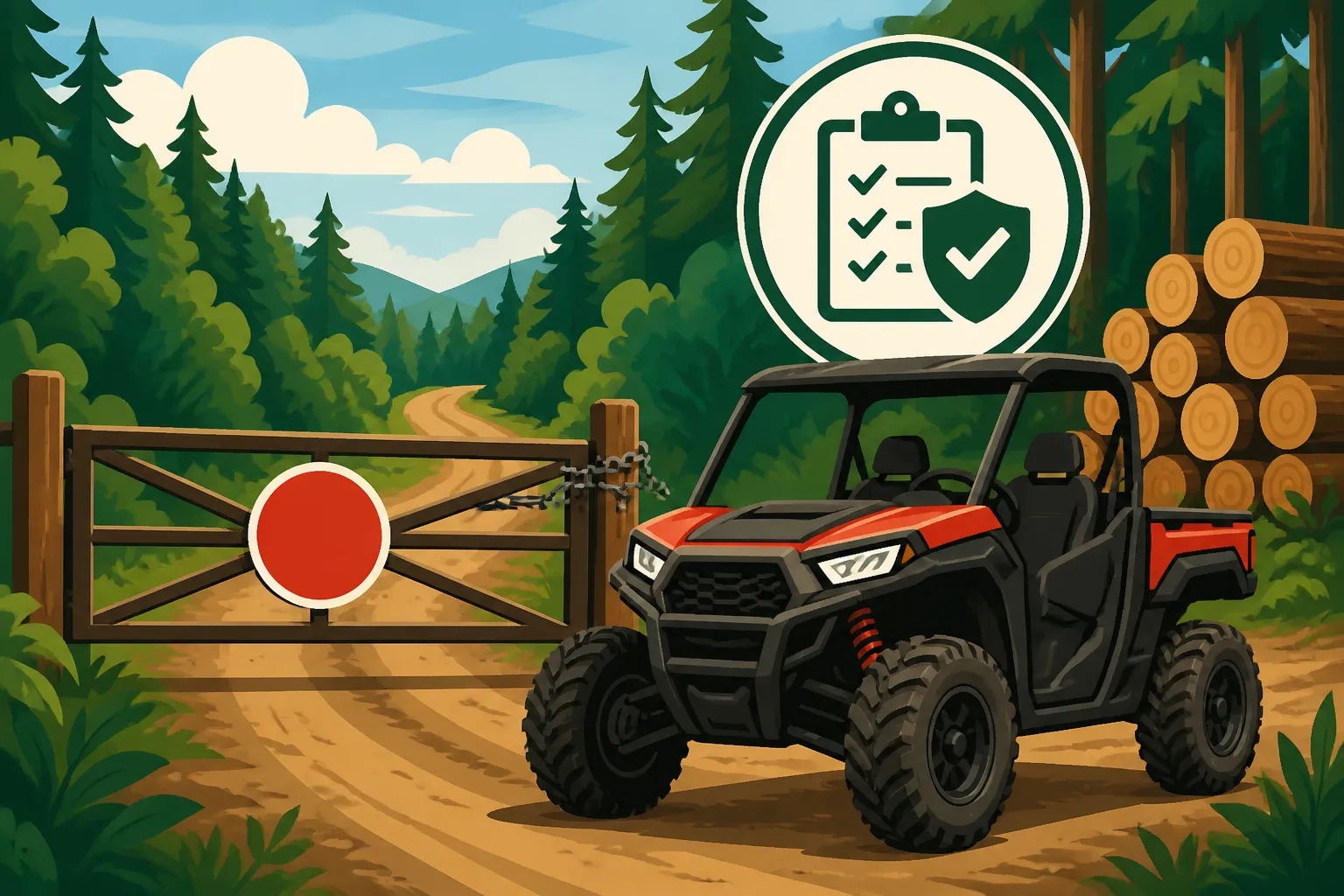
There’s a pervasive myth among some riders that if a logging road isn't gated or explicitly signed "No Trespassing," it's okay to ride. This couldn't be further from the truth in Wisconsin. The absence of a physical barrier or a warning sign does not grant you implied permission to enter private land. This misconception often stems from older traditions of access, but modern land management and liability concerns have largely put an end to such informal arrangements.
Think about it from the landowner’s perspective. Installing gates and signs across every logging spur on thousands of acres is an enormous, costly, and often futile task, as signs can be vandalized and gates bypassed. Just because a property owner hasn't put up a sign doesn't mean they've invited you onto their land. In Wisconsin, the legal burden is on the user to ensure they have permission before entering private property. This is particularly true in areas where active timber operations are underway. An unexpected encounter between an ATV and heavy logging equipment could have catastrophic consequences, which is precisely why landowners are so vigilant about unauthorized access. It's always better to err on the side of caution and assume you need permission. [Wisconsin Trespass Rules Along Routes] offers more context on this critical legal point.
Navigating Permission: How to Get It
So, you’ve scouted a promising logging road, and you suspect it’s private, but you really want to ride it. What do you do? The answer is simple, though sometimes challenging: you seek permission. This isn't always easy, as land ownership can be fragmented or held by large, remote companies. But taking the right steps can open doors to incredible riding opportunities while ensuring you're a responsible and respectful member of the riding community.
Who Owns These Roads? Pinpointing the Landowner
This is often the first and most challenging hurdle. Private logging roads are typically owned by timber companies, private investment groups, individual landowners, or sometimes even hunting clubs. Your best bet for identifying the landowner is through county plat maps, which are publicly available records showing property boundaries and ownership information. Most county government websites will have a land information system or GIS (Geographic Information System) portal where you can look up parcel data. You might also find these resources at the county courthouse or zoning office.
For example, if you're riding around Sawyer County or Douglas County, you'd want to check their respective county websites for plat map information. Sometimes, a quick search for the general area on a mapping app will show property lines, and from there, you can often identify the owner's name. Large timber companies like Plum Creek, Verso, or Weyerhaeuser own significant tracts in Wisconsin, and their land use policies are usually published or can be obtained by contacting their local offices. Don't be discouraged if it takes a bit of detective work – knowing who to ask is half the battle.
The Best Ways to Seek Permission
Once you've identified the landowner, the next step is to make contact. The most effective way is typically a direct and polite inquiry. For large timber companies, look up their corporate contact information, often a local forest manager or land affairs department. For individual landowners, a letter or a respectful phone call is usually best. If you can find a local mailing address, a well-composed letter explaining your intentions, your commitment to responsible riding, and your desire to respect their property can go a long way.
When you do make contact, be clear about what you're asking for: specific dates you'd like to ride, the type of machine you'll be on, and any group size. Avoid showing up unannounced at someone's house, as this can be perceived as an intrusion. For hunting clubs, finding a member who can introduce you or provide contact information for a club officer is a good strategy. Remember, you're asking for a privilege, not asserting a right. Be prepared for a "no," but also know that a polite, well-articulated request is often met with appreciation, and sometimes, a "yes."
What to Discuss When Asking for Access
When you get the opportunity to speak with a landowner, be prepared to discuss a few key points. Firstly, explicitly state what you want to do – ride your ATV or UTV on their logging roads. Secondly, assure them of your commitment to responsible use. This includes promising to stay on designated roads, not to create new trails, to pack out all trash, and to respect any specific rules they might have, such as seasonal closures or areas to avoid. Many landowners are concerned about environmental damage, liability, and disruption to wildlife or hunting activities.
Be ready to explain how you plan to mitigate these concerns. For instance, if they mention fire risk, you can assure them your machine has a properly functioning spark arrester. If they're worried about liability, you might mention your ATV insurance policy. Discussing [Wisconsin ATV Insurance Cost] can be a helpful point. Offering to sign a liability waiver, if they provide one, is also a good gesture. Some landowners might also have specific times of the year they allow access, or only permit certain types of machines. Be open to these restrictions and demonstrate flexibility. Building trust is key, and a good conversation now can lead to continued access in the future.
Respecting the Landowner's Rules and the Law
Getting permission is a fantastic first step, but it's only the beginning of your responsibilities. Once you have access to private logging roads, it’s imperative to uphold your end of the bargain. This means strictly adhering to any conditions set by the landowner and always remembering that you are a guest on their property. Failing to do so can quickly revoke your access and, worse, jeopardize opportunities for other riders in the future.
Common Restrictions and Why They Exist
Landowners often impose specific restrictions on private logging roads, and these aren't arbitrary; they're usually in place for very good reasons. Common restrictions include:
- Seasonal Closures: Many logging roads are closed during spring thaw to prevent damage to the roadbed. Heavy machines, even ATVs and UTVs, can cause significant rutting and erosion when the ground is soft. Landowners also close roads during active logging operations for safety. [Spring Thaw and Wisconsin Route Damage] is a real concern.
- Time of Day/Week Restrictions: To minimize disturbance to wildlife, active logging crews, or private hunting parties, landowners might restrict riding to certain hours or days.
- Speed Limits: Dust control, safety, and preventing road deterioration are common reasons for speed limits.
- Designated Routes Only: You might be allowed on main logging roads but not on smaller spurs or off-road areas. This helps protect sensitive habitats and reduces the risk of getting lost or damaging property.
- No Hunting/Fishing/Trapping: Permission to ride is not permission to hunt, fish, or trap on the property. Always clarify if you plan other activities.
- Fire Restrictions: During dry periods, landowners may have strict rules against campfires or even smoking to prevent forest fires.
These rules protect the landowner's assets, ensure safety, and preserve the natural environment. Respecting them shows you're a responsible visitor.
Legal Ramifications of Trespassing
Let’s be clear: riding on private land without permission is trespassing, which is illegal in Wisconsin. The consequences can range from a warning to significant fines, and potentially even impoundment of your machine. A conservation warden or local law enforcement officer has the authority to issue citations for trespassing. Fines for such infractions can be substantial, and repeated offenses can lead to even harsher penalties. [Fines for Riding Wisconsin Unregistered] gives you an idea of the kinds of penalties riders can face for various infractions.
Beyond the legal penalties, there’s the ethical consideration. Trespassing erodes trust between landowners and the riding community. It can lead to more private land being posted, gated, or aggressively monitored, limiting access for everyone. It can also open you up to civil liability if you cause damage to the property or if an accident occurs on someone else's land without their permission. Imagine damaging a bridge on a logging road or cutting down a tree – these could lead to serious legal and financial repercussions. It’s simply not worth the risk.
Leaving No Trace: The Rider's Responsibility
Part of being a responsible guest, and a good steward of the land, is practicing "Leave No Trace" principles. This means minimizing your impact on the environment and leaving the property as you found it, or better. This applies whether you're on public or private land, but it's especially critical when you've been granted the privilege of private access.
- Pack it in, pack it out: Any trash, no matter how small, must leave with you. This includes food wrappers, empty cans, and anything else you brought onto the property.
- Stay on designated roads: Do not create new trails, cut corners, or drive through sensitive areas like wetlands or young tree plantations.
- Respect wildlife: Do not harass or disturb animals. Ride quietly and give wildlife a wide berth.
- Be careful with fire: If fires are permitted, ensure they are completely extinguished. Carry a spark arrester on your machine to prevent accidental blazes.
- Minimize noise: While ATVs and UTVs are inherently noisy, try to keep revving and excessive acceleration to a minimum, especially near residences or active work sites.
- Report issues: If you notice trail damage, fallen trees, or other issues, report them to the landowner. This shows you care for their property.
By following these principles, you not only ensure your continued access but also contribute positively to the reputation of ATV and UTV riders as a whole. You might even consider doing a small bit of trail maintenance or picking up trash you find, even if it's not yours. Such actions are highly appreciated by landowners.
Equipping Your Machine for Private Logging Roads
Riding private logging roads often means encountering more varied and sometimes tougher conditions than groomed public trails. These roads might be less maintained, feature steeper grades, larger rocks, mud, or active logging debris. Equipping your ATV or UTV appropriately isn't just about comfort; it's about safety, reliability, and ensuring you don't get stuck miles from anywhere.
Essential Gear for Remote Riding
When you're venturing onto potentially remote logging roads in Wisconsin's Northwoods, preparation is key. Cellular service can be spotty at best, so you can't always rely on your phone for help.
- Navigation: A reliable GPS unit (or a dedicated off-road app on your phone with downloaded offline maps) is crucial. Paper maps of the area, combined with a compass, provide an essential backup. Being able to navigate effectively will help you stay on approved roads and avoid getting lost or accidentally venturing onto unpermitted areas.
- First Aid Kit: A well-stocked first aid kit should be a permanent fixture in your machine. Accidents happen, and having supplies for cuts, scrapes, sprains, or more serious injuries is non-negotiable when you’re far from immediate medical help.
- Communication Device: While cell service is unreliable, a satellite messenger (like a Garmin inReach or Zoleo) can be a lifesaver, allowing you to send messages and trigger an SOS even without cell signal. A two-way radio might also be useful if you're riding in a group.
- Basic Tool Kit: A small toolkit with basic wrenches, a tire plug kit, a small air compressor, and zip ties can fix many common trailside issues. Flats are common on rocky logging roads.
- Winch: A winch is invaluable for self-recovery, especially if you encounter mud, deep ruts, or need to move downed trees. Many riders opt for a 3,000-6,000 lb winch depending on their machine.
Remember, the goal is self-sufficiency. You can't always count on immediate assistance in these remote settings.
Upgrades for Rough Terrain and Heavy Hauling
Private logging roads aren't always manicured trails. They can be rough, rocky, muddy, and might require you to haul gear for hunting, fishing, or even just your lunch cooler. Consider these upgrades to make your machine more capable and durable:
- Skid Plates and A-Arm Guards: The underside of your ATV or UTV is vulnerable to rocks, stumps, and debris. Investing in heavy-duty skid plates, particularly from brands known for durability like SuperATV, can protect your chassis, differentials, and critical components from impact damage. A-arm guards protect your suspension components.
- Lift Kits and Larger Tires: If you anticipate deep ruts or larger obstacles, a small lift kit can provide valuable ground clearance. Combine this with aggressive, multi-ply tires that are resistant to punctures, and you'll significantly improve traction and durability. SuperATV offers a range of these products that many riders in Wisconsin consider for tackling tough terrain.
- Heavy-Duty Springs/Shocks: Carrying extra gear, passengers, or pulling a small trailer on uneven terrain can tax your stock suspension. Upgrading to heavier springs or adjustable shocks can improve ride quality and prevent bottoming out.
- Lighting: While you might plan to ride during daylight, unexpected delays can leave you riding after dark. Upgraded LED light bars or auxiliary lights can dramatically improve visibility, not just for you but also making your machine more visible to others.
- Storage Solutions: Cargo boxes, racks, and bed extenders can help you securely carry all your essential gear, from recovery tools to a cooler for snacks and drinks. [What a First Season Really Costs in Wisconsin] often includes these kinds of accessories.
These upgrades aren't just for extreme riders; they add a layer of protection and capability that enhances safety and enjoyment on less-maintained logging roads.
Maintaining Your Machine for Logging Road Use
Beyond initial upgrades, consistent maintenance is paramount when you're regularly riding logging roads. The harsh conditions – dust, mud, water, and impacts – can accelerate wear and tear on your machine.
- Pre-Ride Checks: Before every ride, check tire pressure, fluid levels (oil, coolant, brake fluid), and ensure all lights are working. Inspect your suspension components for damage and your brakes for proper function.
- Post-Ride Cleaning: Mud and dust can accumulate in hard-to-reach places, leading to corrosion and component wear. Thoroughly wash your machine after each ride, paying attention to the suspension, brakes, and engine area.
- Air Filter Maintenance: Riding on dusty logging roads can quickly clog your air filter. Clean or replace it more frequently than recommended for normal use. A dirty air filter starves your engine of air, leading to reduced performance and potential damage.
- Lubrication: Regularly grease all zerks (grease fittings) on your suspension, steering, and driveline components. This prevents rust and reduces friction, extending the life of moving parts.
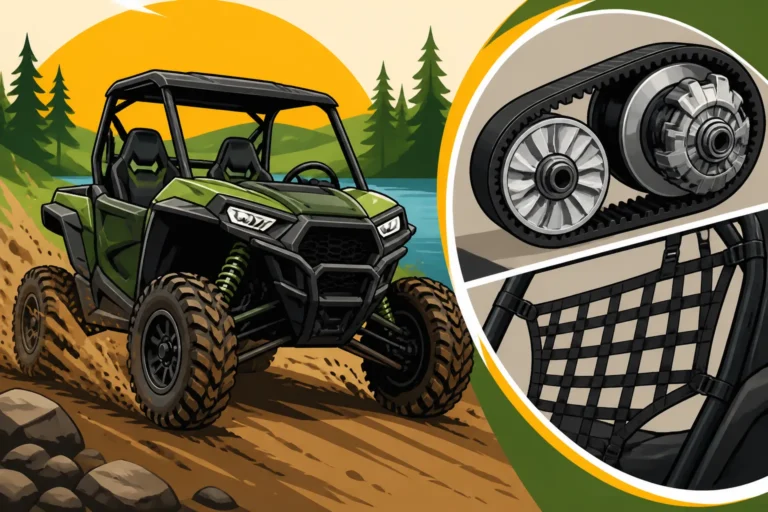
- Belt and Brake Inspections: The CVT belt in UTVs and some ATVs can wear out faster under heavy loads or in dusty conditions. Regularly inspect it for signs of fraying or glazing. Likewise, check your brake pads for wear. A lot of riders appreciate the durability of SuperATV components, but even the toughest parts need regular inspection.
- Cooling System: Keep your radiator free of mud and debris to prevent overheating, especially if you're working the engine hard on climbs or in thick mud.
Regular, thorough maintenance ensures your machine is reliable, performs optimally, and minimizes the chances of a breakdown in a remote location. It’s an investment in your safety and enjoyment of Wisconsin’s beautiful, if sometimes challenging, private logging roads.
| Feature / Aspect | Public Logging Roads (e.g., within National/State Forests) | Private Logging Roads (e.g., Timber Company Land) |
|---|---|---|
| Access Requirement | Usually open to registered ATVs/UTVs, check trail maps. | Explicit permission from landowner always required. |
| Ownership | Government (Federal/State/County) | Private individuals, timber companies, hunting clubs, investment groups. |
| Maintenance | Often part of official trail systems, subject to DNR/county maintenance schedules. | Varies widely; could be well-maintained during active logging or quite rough. |
| Signage | Typically marked with trail numbers, directional signs, rules. | May have no signage, or "No Trespassing" signs. Lack of signs does NOT imply permission. |
| Common Use | Recreation (ATV/UTV, hiking, hunting), official forestry access. | Timber harvesting, private access to cabins, hunting, land management. |
| Maps | Found on official DNR, county, or forest service maps. | Plat maps or GIS systems needed to identify ownership. |
| Liability | General recreational liability laws apply to public land. | Rider assumes significant personal liability for trespass or damage. |
Disclaimer
This article is for general informational purposes only and does not constitute professional advice. Laws, prices and regulations vary by location and change over time. Consult a qualified professional for guidance on your specific situation.