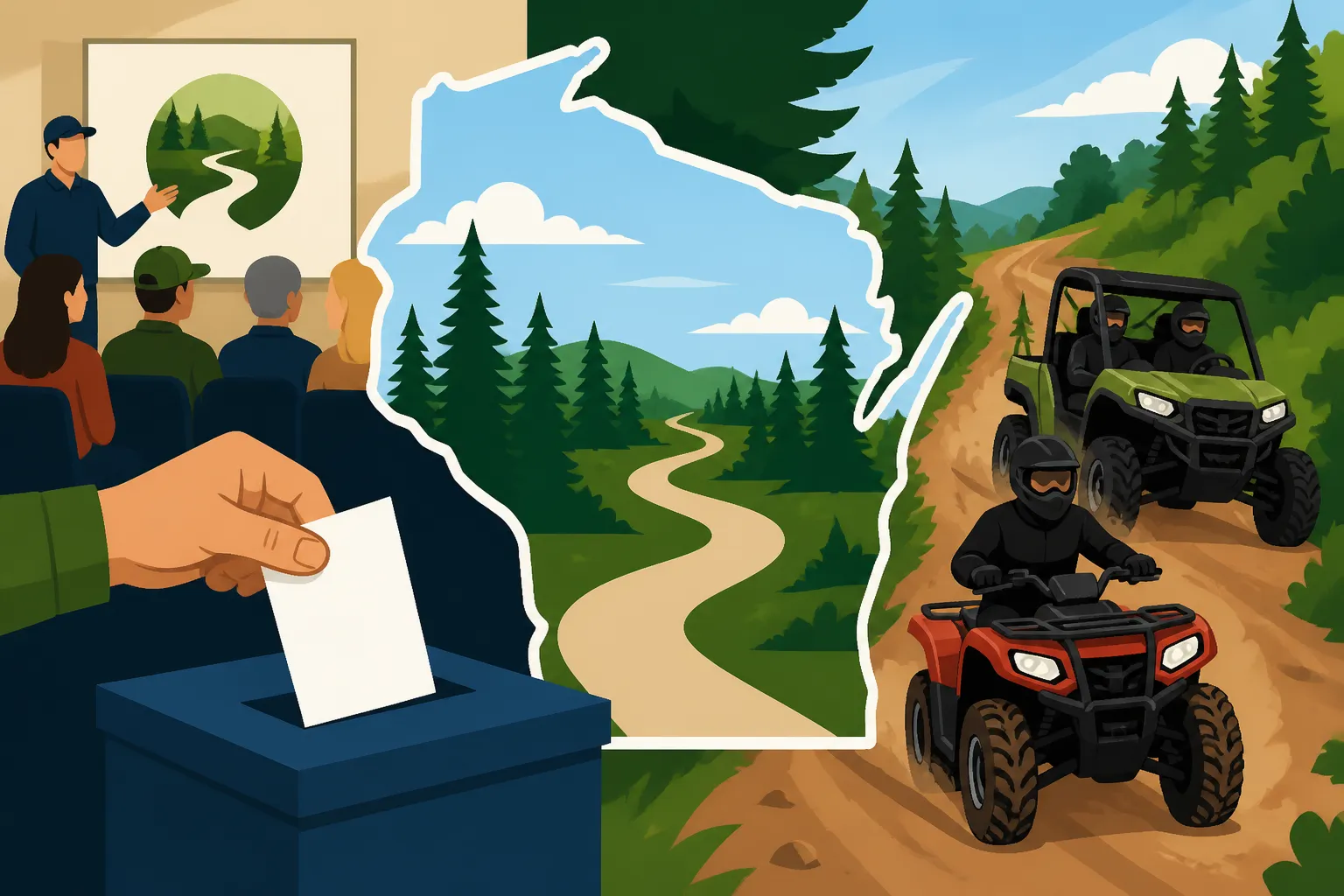
How a Wisconsin Town Votes in a Route
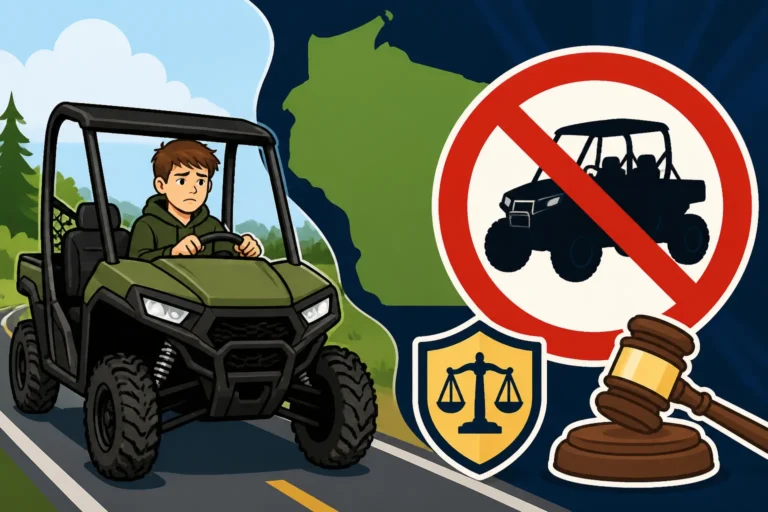
It's a familiar scenario for many ATV and UTV enthusiasts in Wisconsin: you're cruising a gorgeous trail, enjoying the Northwoods, and suddenly, the trail ends at a county road with a "No ATVs Allowed" sign. It's frustrating when you see a perfect connection to a gas station, a restaurant, or another trail system, but you can't legally get there. This guide is here to walk you through exactly how a local municipality in Wisconsin goes about establishing an ATV/UTV route, explaining the process from community interest to official ordinance.
Understanding the Desire for ATV/UTV Routes in Wisconsin
For many of us who love hitting the trails, the idea of being able to legally ride our machines from the trailhead right into town for a burger, or connect two distant trail systems via a town road, is a dream. This desire isn't just about convenience; it's deeply rooted in community connection and economic vitality, especially in our smaller, tourism-dependent towns across the state. The existing network of trails is fantastic, but those critical gaps, often just a few miles of road, can make planning a full day's ride or even a multi-day trip surprisingly complicated. It forces riders to trailer their machines for short distances, which takes away from the seamless experience and, frankly, the fun.
Think about a crisp autumn morning, the leaves blazing with color, and you're ready for a long ride. You might be staying at a cabin just outside a charming little town, and the nearest official trail system is a few miles away. If there's no designated route, you're packing up the machines, driving them down the highway, unloading, and then starting your ride. Later, if you want to grab lunch or refuel, it's the same tedious process in reverse. This isn't just inconvenient; it’s a barrier that keeps some riders from exploring certain areas altogether. That's why residents and local businesses often rally together to advocate for designated routes, seeing them as essential threads in the fabric of their community's outdoor recreation scene.
The Community's Call for Access
The push for new ATV/UTV routes almost always starts at the grassroots level. It's rarely a top-down mandate from Madison. Instead, it begins with local riders, business owners, and community members who see the potential benefits. Picture a group of passionate residents, perhaps members of a local ATV/UTV club, gathering at a town hall meeting. They're discussing specific roads, pointing out how opening a short stretch could unlock access to miles of existing trails or vital services like gas stations and grocery stores. These conversations might start informally at the local diner or general store, but eventually, they move into more formal settings.
The key is demonstrating a clear community need and showing the town board that there's broad support, not just a handful of loud voices. Often, this involves petitions, gathering signatures, or having a strong turnout at public meetings. Residents might highlight how a particular road, currently restricted, is perfect for a route because it's already used by minimal traffic or offers a safe, direct connection. They might also share personal anecdotes about their frustrations, like having to turn back early from a ride because a crucial connector road was closed to them. This collective voice is powerful, signaling to town officials that this isn't just a niche interest but something that impacts a significant portion of the community, both directly and indirectly.
Economic Boost for Local Businesses
Beyond rider convenience, one of the most compelling arguments for establishing new ATV/UTV routes is the undeniable economic benefit they bring to local economies. Small towns, particularly those "up north" that rely heavily on tourism, understand this connection well. When riders can easily access towns from the trails, they spend money. They fuel up their machines and tow vehicles, grab lunch at local restaurants, buy snacks and drinks at convenience stores, and sometimes even spend the night at local motels or resorts. Think about a popular trail town where you can ride your machine right up to the gas pump or the entrance of a pub. That level of accessibility encourages spending.
Consider a hypothetical town like "Pine Ridge," a quaint community surrounded by beautiful county forest land, but without direct ATV access to its downtown area. Riders often bypass Pine Ridge entirely, choosing to ride through towns that offer easier access to amenities. If Pine Ridge establishes a few key routes, suddenly it becomes a destination. Those riders who used to trailer through, or avoid the area, now have a reason to stop, explore, and spend their hard-earned dollars. Businesses, from the corner hardware store that sells SuperATV accessories to the local bakery, see an uptick in traffic. This isn't just wishful thinking; there's plenty of evidence from other Wisconsin trail towns that shows a direct correlation between improved ATV/UTV access and a boost in local commerce. It’s about creating a welcoming environment that says, "Come here, ride, and stay awhile."
The Step-by-Step Process: How a Town Establishes a Route
Getting an ATV/UTV route established in a Wisconsin town isn't as simple as hanging a sign. It's a structured process governed by state statutes and local ordinances, designed to ensure public safety, address community concerns, and provide clear guidelines for riders. While the specifics might vary slightly from one municipality to another, the general framework remains consistent. It involves public engagement, legislative action by the town board, and then the practical work of making the route known and enforceable. This process can sometimes feel slow, as town boards need to balance the desires of riders with the concerns of other residents, but patience and persistent, polite advocacy are often key to success.
At its heart, establishing a route is about formalizing permission for what was previously forbidden. It's about taking a stretch of town road—perhaps one that's quiet and connects perfectly to a trail system—and legally designating it for ATV/UTV use. This designation comes with specific rules and expectations for both the town and the riders. For instance, towns need to consider how to manage traffic flow, noise, and potential impacts on residential areas. Riders, in turn, need to understand that these routes are still public roads, not trails, and come with their own set of rules, including speed limits, right-of-way, and often, specific hours of operation. You'll find more details on those rules in resources like [Wisconsin Rules for an ATV on a Wisconsin Road Route].
Initial Discussions and Public Input
The very first formal step usually involves bringing the idea of a new route before the town board. This often happens at a regular town board meeting, where a citizen or a group presents their proposal. This initial presentation isn't just about asking for a route; it's about making a case for why it's a good idea for the community. The board will listen, and if they see potential merit, the next step is typically to schedule a public hearing. This is a crucial phase because it allows everyone in the community—not just those who support the idea—to voice their opinions, concerns, and questions.
During a public hearing, residents might raise issues about increased noise, potential safety hazards, or impacts on property values. It's essential for proponents of the route to be present and prepared to address these concerns respectfully. This is where those local ATV/UTV clubs often shine, offering to help with signage, enforcement, or even trail maintenance. The town board takes all this input into consideration. They might ask for more information, study traffic patterns, or even consult with law enforcement. The goal is to gather a comprehensive understanding of the community's sentiment and any potential challenges before moving forward. This public vetting is how communities ensure that new routes are a good fit for their area.
Crafting the Local Ordinance
If the public input and the town board's research lean towards supporting a new route, the next major step is drafting an official ordinance. This isn't just a casual announcement; it's a legally binding document that formally designates the specific roads or portions of roads where ATVs and UTVs are permitted. The ordinance will clearly outline the parameters for riding on these routes. It will detail things like:
- Specific Roads: Which roads or segments of roads are included in the route.
- Hours of Operation: Often, routes have specific times when they are open, for instance, from sunrise to sunset, or from 6 AM to 10 PM. This addresses noise concerns, particularly in residential areas.
- Speed Limits: While state law dictates some speed limits, towns can impose lower limits on their routes, especially if they pass through populated areas.
- Safety Requirements: Any specific safety gear beyond state mandates, though this is less common.
- Penalties: What happens if riders violate the terms of the ordinance.
- Signage Requirements: How the routes will be marked. [Route Signage Standards in Wisconsin] can provide further context here.
The crafting of this ordinance is a meticulous process, often involving the town's legal counsel to ensure it aligns with state statutes (like Chapter 23.33 of Wisconsin State Statutes regarding all-terrain vehicles) and is enforceable. Once drafted, the ordinance usually goes through several readings and votes by the town board, sometimes with amendments based on further public or board discussion, before it is finally adopted and becomes law. It's a significant legal undertaking that transforms a proposal into a permanent part of the town's regulations, establishing what [Municipal Ordinances Wisconsin Riders Must Read] entails.
Posting Signage and Communication
Once an ordinance is officially adopted, the real-world implementation begins with clear signage. This is absolutely critical for both riders and non-riders. Without proper signs, no one knows where the routes are, what the rules are, or even that they exist. Wisconsin state law and DNR guidelines provide specific standards for route signage, dictating the size, color, content, and placement of these signs. You'll typically see bright yellow signs with black lettering, clearly indicating "ATV/UTV Route" and often including crucial information like speed limits or hours of operation. These signs need to be placed strategically at the beginning and end of each route segment, at intersections, and wherever the route changes direction or characteristics.
The responsibility for purchasing, installing, and maintaining these signs usually falls to the local municipality. However, many local ATV/UTV clubs step up to assist with the physical installation or help cover some of the costs, especially if the town utilizes programs like the [Wisconsin ATV Trail Aids Program]. Beyond physical signs, effective communication is vital. The town needs to make sure its residents, local businesses, and visiting riders are aware of the new routes. This might involve publishing the ordinance in local newspapers, posting information on the town's website, or sharing details with local tourism groups and ATV/UTV clubs. Some towns even create maps showing their new routes, which can be invaluable for riders planning their trips. Without clear communication and well-placed, standardized signage, even the best-intentioned route can lead to confusion or violations.
Key Considerations and Challenges for Towns
Establishing an ATV/UTV route isn't a decision made lightly by a town board. There are numerous factors they must weigh, some of which present significant challenges. It's not just about opening a road; it's about integrating a new form of recreational traffic into an existing community, which brings with it a host of practical, safety, and social considerations. These challenges are often why the process can be slow and why robust community input is so vital. Towns want to ensure that any new route enhances, rather than detracts from, the quality of life for their residents and the experience for all who use their roads.
One of the biggest hurdles can be balancing conflicting interests within the community. For every rider cheering for a new route, there might be a homeowner concerned about increased noise or dust. Town boards are essentially mediators in these discussions, trying to find solutions that serve the broadest public good while minimizing negative impacts. This often means making compromises, such as restricting route hours or imposing stricter speed limits than might be found on dedicated trails. It also means committing resources—time, money, and staff—to the ongoing management and enforcement of these new routes, which can be a strain on smaller municipalities with limited budgets.
Safety, Noise, and Resident Concerns
When a town considers opening roads to ATVs and UTVs, legitimate concerns from residents are bound to arise, and safety is almost always at the top of the list. People worry about the mix of slower-moving ATVs with regular vehicle traffic, especially on roads without shoulders or in areas with blind corners. They might be concerned about children playing near roads that suddenly have more off-road vehicle traffic. This is why town ordinances often include strict rules regarding speed limits and may even specify certain roads or intersections as off-limits to ensure safer passage for everyone. For instance, you won't typically see ATVs allowed on busy state highways, though crossing them might be permitted under specific conditions, as covered in [Crossing a Wisconsin Highway Safely].
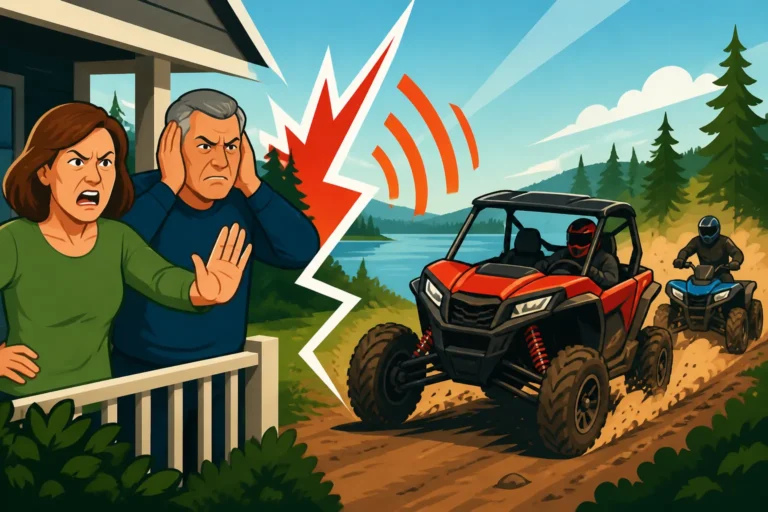
Noise is another major point of contention. While most modern machines are quieter than older models, the collective sound of several ATVs or UTVs passing through a residential area can be disruptive, particularly for residents who moved to the Northwoods seeking peace and quiet. This is why many ordinances include specific hours of operation for routes, often prohibiting riding after dark. Dust can also be an issue on unpaved roads during dry periods. Towns might have to consider dust control measures or even paving certain sections of routes if complaints become too numerous. These concerns are real, and addressing them thoughtfully is paramount for the long-term success and community acceptance of any new route. Manufacturers like SuperATV offer a range of accessories, including mufflers that adhere to sound limits, which can sometimes help alleviate these concerns from a rider's perspective.
Funding and Maintenance Realities
Opening a route isn't a one-time decision; it involves ongoing financial commitments for the town. The most immediate cost is often the signage itself, which needs to be purchased, installed, and regularly maintained or replaced if damaged by weather or vandalism. While local clubs can help, the ultimate financial responsibility usually rests with the municipality. Beyond signs, there are potential costs associated with road maintenance. While ATVs and UTVs are generally lighter than full-size vehicles, increased usage on gravel roads can contribute to wear and tear, necessitating more frequent grading or dust control, which can be expensive for small towns.
Enforcement also comes with a cost. Local law enforcement or the county sheriff's department will need to patrol these new routes to ensure riders are adhering to the rules—speed limits, hours of operation, and state laws regarding things like [Wisconsin Alcohol Limits for ATV Operators] or [Wisconsin Helmet Rules for Riders Under 18]. This requires officer time and resources. Some towns might be able to tap into programs like the [Wisconsin ATV Trail Aids Program], which provides grants to municipalities and clubs for trail development and maintenance, but these grants are competitive and often come with specific requirements. Ultimately, towns must consider where the money will come from to sustain these routes year after year, especially if the anticipated economic benefits don't materialize as strongly as hoped.
Rider and Town Responsibilities Once a Route is Established
Once a town has gone through the rigorous process of voting in an ATV/UTV route, the work isn't over. In fact, a new set of responsibilities kicks in for both the municipality and the riders who wish to use these newly opened roads. For the routes to be successful, safe, and sustainable, it requires ongoing cooperation and understanding from all parties. Towns must uphold their end by maintaining signage and enforcing the rules fairly, while riders must show respect for the privilege by adhering to all regulations and being good neighbors. This symbiotic relationship is the foundation for a positive, lasting riding experience for everyone.
Think of it as a social contract: the town trusts riders to operate responsibly, and riders trust the town to provide clear, consistent guidance. When this trust breaks down, problems arise—whether it's complaints from residents leading to stricter rules, or riders becoming frustrated by unclear signage or inconsistent enforcement. The success of a route isn't just measured by its mileage, but by how smoothly it integrates into the community, enhancing recreational opportunities without creating undue burdens or conflicts. It’s about building a positive reputation for ATV/UTV riding that encourages more towns to consider similar initiatives.
Navigating New Regulations
For riders, once a route is established, the primary responsibility is to learn and abide by all the new regulations. This isn't just about following the speed limit; it's about understanding the nuances of the local ordinance. For example, a town might have specific hours of operation for its routes that differ from state trail hours. You might find that one town allows riding until 10 PM, while the next town on your route closes theirs at sunset. It's also crucial to pay attention to where the routes actually are. [What a Wisconsin ATV Route Actually Is] means it's a specific designated road, not just any road in town. Deviating from the marked route, even if it's just to take a shortcut, can be considered illegal riding and result in a citation.
This means riders need to actively seek out the information for the specific towns they plan to visit. Many towns post their ordinances online, and local ATV/UTV clubs are often excellent resources for up-to-date information. It’s also wise to check the [Finding a Wisconsin Town's ATV Ordinance] and observe the signage carefully. Remember, these are public roads, and regular traffic laws apply in addition to the ATV/UTV specific rules. That means yielding to pedestrians and vehicles, stopping at stop signs, and generally operating with courtesy and caution. Ignoring these rules not only risks personal fines, but also jeopardizes the future of the route itself, as violations often lead to public outcry and reconsideration by town boards.
Sustaining the Route: A Shared Effort
The long-term sustainability of an ATV/UTV route hinges on a shared commitment between the town and the riding community. For the town, this means continuing to monitor the route, address any emerging issues (like increased dust, minor damage, or resident complaints), and maintain clear, visible signage. They also have a responsibility to enforce the ordinance fairly and consistently, which helps build trust with both riders and non-riders. Regular communication with local ATV/UTV clubs can be invaluable here, creating a feedback loop that helps the town respond proactively to challenges.
For riders, sustaining the route means being excellent stewards of the privilege. This involves riding respectfully, keeping noise levels down, staying on the marked routes, and being mindful of residents' privacy and property. It also means actively participating in the community, perhaps by joining a local club that helps with route maintenance or by volunteering at town clean-up events. If riders consistently demonstrate responsible behavior and contribute positively to the community, it strengthens the town's resolve to keep the routes open and even consider expanding them. Conversely, a pattern of irresponsible riding can quickly lead to routes being closed or stricter limitations being imposed, as fines for illegal riding like those detailed in [Wisconsin Penalties for an Unregistered ATV in Wisconsin] demonstrate. It’s a collective effort, and every rider plays a role in keeping these valuable routes open for everyone to enjoy.
| Stage of Route Establishment | Key Actions for Town Board | Key Actions for Community/Riders |
|---|---|---|
| Initial Interest | Listen to public; research state statutes | Present proposal; gather support (petitions, club advocacy) |
| Public Hearing | Solicit and evaluate all public input | Voice opinions (support or concern); offer solutions/help |
| Ordinance Drafting | Consult legal counsel; define specific rules (roads, hours, speed) | Provide input on practicalities; ensure rules are clear and fair |
| Ordinance Adoption | Vote on and formally adopt the ordinance | Publicize the new ordinance; prepare to follow rules |
| Implementation | Install and maintain clear, compliant signage; communicate rules | Learn specific route rules; ride responsibly and safely |
| Ongoing Management | Monitor route; address concerns; enforce ordinance | Follow rules; report issues; maintain positive community relations |
Disclaimer
This article is for general informational purposes only and does not constitute professional advice. Laws, prices and regulations vary by location and change over time. Consult a qualified professional for guidance on your specific situation.