Noise Complaints From Lake Neighbors Up North
Ah, the Northwoods. It's truly a magical place, isn't it? The rustling pines, the clear lakes, the crisp air – it calls to so many of us looking for escape, adventure, or simply a little peace. But sometimes, when the roar of an ATV or UTV engine echoes across a tranquil lake, that peace can feel a little shattered for those who live nearby. If you’re a rider who enjoys the incredible trails and routes Wisconsin has to offer, but you’ve started to hear grumblings from lake neighbors about noise, you’re not alone. This guide is here to help you understand why these complaints arise, what Wisconsin law says about noise, and practical, friendly ways to keep the peace and ensure everyone can enjoy our beautiful Northwoods.
The Northwoods Vibe: Where Recreation Meets Respite
The allure of Wisconsin’s Northwoods is undeniable, drawing in everyone from dedicated ATV and UTV enthusiasts to folks seeking quiet solitude by a cabin on the lake. It's a place where diverse passions converge, and sometimes, those passions can create friction, especially when it comes to noise.
The Clash of Cultures: Why Noise Becomes a Problem
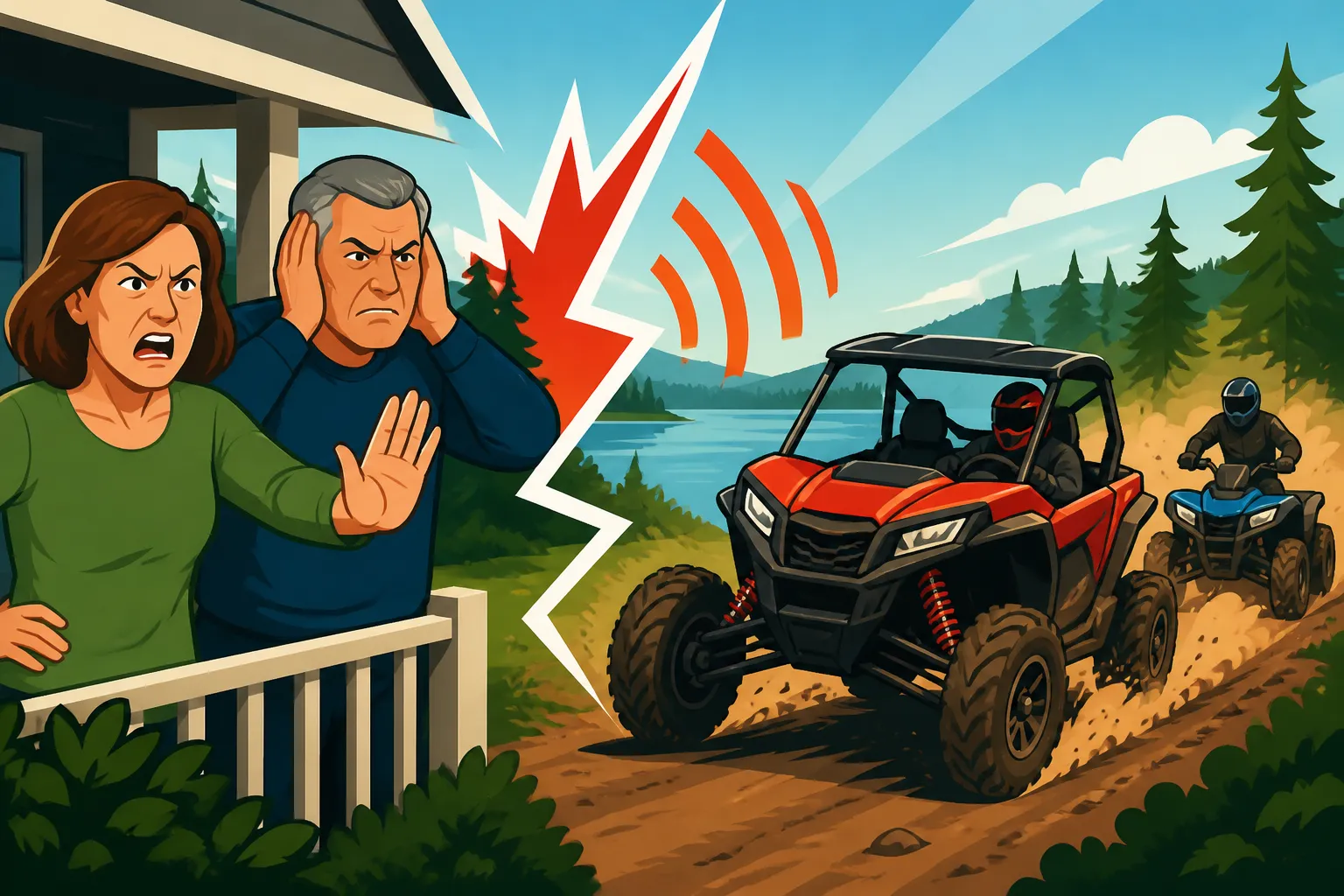
Imagine this: a family has saved all year for their two-week vacation to a quiet lakeside cabin. They dream of waking to loons calling, sipping coffee on the dock, and listening to the gentle lapping of waves. Then, bright and early, a group of riders fires up their machines just down the road, and the tranquility is instantly broken. For these lake neighbors, the sound of an ATV or UTV, especially if it’s loud or persistent, isn’t just an inconvenience; it feels like an intrusion on their cherished quiet time.
It’s easy for riders, especially when you’re out on the open trail, to forget how far sound travels over water or through still forest air. What might seem like normal engine noise to you, inside your helmet or on your side-by-side, can carry for miles, bouncing off the water and disturbing homes that are quite a distance away. This difference in perspective is at the heart of many noise complaints. Riders are often immersed in the thrill of the ride, while residents are seeking exactly the opposite – calm and quiet.
Common Sources of ATV/UTV Noise
So, what exactly contributes to the noise that can cause these complaints? It's usually a combination of factors, some more obvious than others.
The biggest culprit, almost universally, is the exhaust system. While stock exhaust systems are designed to meet specific noise regulations, wear and tear can make them louder over time. More often, though, it's aftermarket exhaust systems that really crank up the volume. Many riders seek these out for perceived performance gains or a "cooler" sound, but without careful selection, they can easily exceed legal limits and neighborly tolerance. The deep rumble or sharp crackle that sounds great on the trail can be profoundly disruptive when it’s echoing across a lake or through a quiet residential area.
Beyond the exhaust, the engine itself contributes significantly. The higher the RPMs, the louder the engine. Riders who love to "throttle up" quickly, accelerate hard, or hold high revs, especially when passing through areas near homes, inevitably generate more noise. This isn't just about speed; it's about the intensity of the engine working. Even a well-maintained engine makes noise, but one that's struggling, or has issues like worn valves or a stretched timing chain, can produce an unhealthy racket. Then there's the less obvious stuff: the clatter of loose accessories, the squeal of worn brakes, or even the sound of tires crunching gravel or hitting bumps at speed. All of these contribute to the overall soundscape that can annoy those seeking quiet.
Wisconsin's Stance on Off-Road Vehicle Noise
Thankfully, Wisconsin understands the need for balance and has put regulations in place to address ATV and UTV noise. These rules aren't meant to stop you from having fun, but rather to ensure that everyone can coexist.
The 96-Decibel Exhaust Limit
The cornerstone of Wisconsin's ATV and UTV noise regulation is the 96-decibel exhaust limit. This isn't some arbitrary number; it's a specific standard designed to keep noise levels manageable. What does this mean for you, the rider? It means your machine, when tested under specific conditions, should not produce an exhaust sound level exceeding 96 decibels. You can learn more about how this is measured by looking into [The 96-Decibel Sound Test in Wisconsin].
Wardens and law enforcement have the authority to conduct these tests. If your machine is found to be over this limit, you could face a citation. It’s important to remember that this isn't about how loud you think your machine is, but how it measures scientifically. Many stock machines are well within this limit when new, but as parts wear or if modifications are made, that can change quickly. It’s always a good idea to know where your machine stands.
Mufflers and Spark Arresters
Closely tied to the decibel limit are the requirements for mufflers and spark arresters. In Wisconsin, it is mandatory for all ATVs and UTVs operated on public trails or routes to have a functioning muffler and a U.S. Forest Service-approved spark arrester. These aren't optional accessories; they're critical components for both noise control and safety, preventing wildfires. Want to dive deeper? Check out [Mufflers and Spark Arresters in Wisconsin].
Unfortunately, some riders choose to modify or even remove these vital components. "Straight piping" an exhaust or altering the muffler can dramatically increase noise levels, pushing well past the 96-decibel limit and making you an instant target for complaints and citations. It's a surefire way to irritate neighbors and attract unwanted attention from wardens. While some aftermarket exhaust systems claim to be compliant, it's crucial to verify this. Before you consider any changes, it’s worth reading up on [Aftermarket Exhaust and the Wisconsin Sound Limit] to understand the nuances of the law.
Municipal Ordinances and Hours of Operation
While the state sets a general decibel limit, many local towns and counties in the Northwoods have the authority to implement their own additional rules to manage ATV and UTV traffic, especially regarding noise. These can include specific hours of operation for trails or routes within their boundaries, or even more stringent noise limits in certain zones. You might find some towns restrict riding to daylight hours or have curfews that extend into the evening.
It's absolutely vital to be aware of these local ordinances, particularly if you’re riding in new territory. A friendly conversation at a local gas station or a quick check of the town's website can often provide the information you need. Ignoring these rules, even unknowingly, won't save you from a potential citation. Knowing [Municipal Hours of Operation for ATVs] can prevent a lot of headaches, both for you and for the residents who live there. Remember, these local rules are often a direct response to past noise complaints from residents, so respecting them is key to maintaining good relations and keeping those routes open.
Practical Steps to Be a Better Northwoods Neighbor
Being a responsible rider in the Northwoods isn't just about following the law; it's about being a good neighbor and preserving access for everyone. Taking proactive steps can make a huge difference in reducing noise complaints.
Maintaining Your Machine for Quieter Operation
A well-maintained machine isn't just safer and more reliable; it's also quieter. Over time, worn parts can lead to increased noise. Think about loose heat shields rattling, exhaust gaskets leaking, or even worn engine components creating excessive mechanical noise. Regularly inspecting your exhaust system for leaks, cracks, or loose baffles is a great start. A small exhaust leak can sound like a much bigger problem to a distant listener.
Beyond the exhaust, keeping your engine tuned up means it runs more efficiently and therefore, often quieter. Clean air filters, properly adjusted valves, and fresh oil all contribute to a smoother, less noisy operation. If you notice your machine getting louder over time, it's a clear sign that something needs attention. Investing in quality replacement parts, potentially from reputable brands like SuperATV, can not only restore performance but also ensure your machine continues to operate within acceptable noise levels. It’s cheaper to fix a small issue than to face a ticket or the ire of an entire lake community.
Riding Habits That Reduce Disturbance
Sometimes, it's not the machine itself, but how it's ridden that causes the most complaints. Your riding style can significantly impact the noise level perceived by others.
- Gentle Acceleration: Blasting off with wide-open throttle creates an instant, jarring surge of noise. Try to accelerate smoothly and gradually, especially when starting from a stop near homes or cabins, or when entering a town.
- Mind Your RPMs: While it's fun to let the engine sing, try to keep your RPMs lower when in areas where sound might carry. High revs, even at slower speeds, generate a lot of noise.
- Stick to Designated Paths: Deviating from marked trails or routes, particularly onto private land or through quiet forested areas not meant for motorized use, is a quick way to generate complaints. It not only increases noise but also violates trespass laws.
- Be Mindful of Time: Early mornings and late evenings are when lake communities are often at their quietest. Try to avoid unnecessary riding during these times, or at least be exceptionally quiet if you must. Consider that residents may be sleeping or enjoying dinner on their porch.
- Group Riding Etiquette: A single machine might be tolerable, but a group of five or ten machines, all making noise, amplifies the problem exponentially. When riding in a group, try to maintain single file and be extra conscious of collective noise levels, especially when passing through sensitive areas.
Exhaust Modifications and Solutions
The appeal of aftermarket exhaust systems is understandable for many riders. They promise increased horsepower, torque, or simply a more aggressive sound. However, this is also where most noise problems originate. Many aftermarket exhausts are designed primarily for competition or off-highway use where noise isn't as strictly regulated as it is on public trails and routes.
If you are considering an aftermarket exhaust, do your homework. Look for systems that are explicitly advertised as being U.S. Forest Service approved and that include spark arresters and proper baffling to meet the 96-decibel limit. Some manufacturers, including companies like SuperATV, offer exhaust systems or inserts designed to reduce sound while still providing performance benefits. You might also find "quiet core" inserts or silencers that can be added to existing aftermarket systems to bring down the decibels. These can be a fantastic compromise, allowing you to enjoy some of the performance benefits without becoming a nuisance. Remember, legal compliance is crucial, and a loud exhaust is often the first thing a warden will check.
Engaging With the Community
Building positive relationships with Northwoods residents can go a long way. When riders are seen as part of the community, rather than an invading force, complaints often decrease.
- Join a Local Club: Many local ATV/UTV clubs actively work with towns and landowners to maintain trails, enforce rules, and promote responsible riding. Being part of a club shows you're committed to the sport and the community. [Wisconsin ATV Clubs and the Trails They Keep] are often at the forefront of these efforts.
- Educate Others: If you see fellow riders behaving irresponsibly or with excessively loud machines, a friendly word can often help.
- Support Local Businesses: Spending your money in trail towns helps the local economy, which can foster goodwill among residents.
When a Complaint Comes Calling: What to Do
No one likes to be told they’re causing a problem. But if a lake neighbor or, worse, a warden approaches you about noise, how you respond can make all the difference.
Responding Respectfully and Proactively
First and foremost, don't get defensive. It's a natural reaction, but it rarely helps the situation. Instead, listen carefully to what the person is saying. Try to understand their perspective. Even if you believe your machine is perfectly legal and quiet, their perception of the noise is what matters in that moment.
- Apologize if appropriate: Even if you didn't intend to cause a disturbance, a simple "I'm sorry if my riding disturbed you" can de-escalate tension.
- Ask for specifics: "When did you hear it? What did it sound like?" This can help you understand the context of their complaint.
- Offer solutions: If you can immediately identify a riding habit you can change (e.g., accelerating more gently in that specific area), offer to do so. If it's your machine, you might say you'll get it checked.
- Demonstrate compliance: If a warden stops you, be polite and cooperative. Be ready to show them your registration, which is why it's important to know [What a Wisconsin Warden Asks a Rider For]. If they want to perform a sound test, allow them to do so calmly.
Understanding Potential Penalties
Ignoring noise regulations can lead to more than just annoyed neighbors. Wisconsin law carries specific penalties for violations. If your machine is found to exceed the 96-decibel limit, you could face fines. These aren't usually crippling for a first offense, but repeated violations can escalate. Furthermore, being cited for noise might also lead wardens to inspect your machine for other compliance issues, like a missing spark arrester or an expired registration. While not directly related to noise, a lack of current [Wisconsin ATV Registration Explained] could lead to additional penalties, especially if you also fall into the category of [Fines for Riding Wisconsin Unregistered]. The key is to address the noise issue before it results in official action.
Documenting Your Compliance
If you've gone to the effort of ensuring your machine is compliant—whether it's by installing a legal aftermarket exhaust or making sure your stock system is in good repair—keep records.
- Receipts: Hold onto receipts for any exhaust components, mufflers, or spark arresters you've purchased.
- Maintenance Records: Keep a log of your machine's maintenance, especially anything related to the engine or exhaust.
- Photos: If you have an aftermarket exhaust that is clearly marked USFS approved, a photo of that marking can be helpful.
- Know Your VIN: In case of an inspection, be ready to show the warden your vehicle identification number. Knowing [Where the VIN Sits on a Utility Quad] will save you fumbling around.
Being able to calmly and clearly demonstrate that you've taken steps to comply with the law can often resolve a situation quickly and amicably, whether it's with a concerned neighbor or a law enforcement officer.
Ultimately, enjoying the incredible riding opportunities in the Wisconsin Northwoods means being a good steward of both the land and the community. By understanding noise regulations, maintaining your machine, and riding with respect for others, you can help ensure that ATV and UTV access remains strong, and that everyone can appreciate the beauty and tranquility of our beloved Northwoods.
| Noise Source Category | Common Issues & Solutions | Impact on Lake Neighbors | Proactive Rider Action |
|---|---|---|---|
| Exhaust System | – Aftermarket systems without proper baffling. | – Loud, sharp, or booming sounds carrying far over water. | – Install USFS-approved mufflers and spark arresters. – Use "quiet core" inserts for aftermarket exhaust. – Regularly inspect for leaks or loose baffles. |
| – Worn-out or damaged stock mufflers. | – Excessive rattling or a louder than intended drone. | – Replace damaged components promptly. | |
| Engine Noise | – High RPMs, aggressive acceleration. | – Whining, roaring, or jarring sounds, especially from a distance. | – Practice smooth, gradual acceleration, especially near residential areas. – Keep RPMs lower when passing through quiet zones. |
| – Poor maintenance (e.g., valve issues, worn timing components). | – Irregular, clattery, or unusually loud engine operation. | – Perform regular engine maintenance (oil changes, valve adjustments, air filter cleaning). | |
| Riding Habits | – Riding early morning/late evening. | – Disrupting sleep or quiet family time. | – Be mindful of [Municipal Hours of Operation for ATVs]. – Avoid riding during prime quiet hours if possible, or be exceptionally quiet. |
| – Riding off-trail or too close to private property. | – Direct disturbance to specific properties, feeling of intrusion. | – Stick to designated trails and routes. – Respect private property boundaries and signage. | |
| Accessory/Other | – Loose components, clanking trailers, loud music. | – Rattling, vibrations, or unwanted music competing with nature. | – Secure all gear and accessories. – Ensure trailer hitches and connections are tight. – Keep music at a respectful volume, or use headphones. – Consider quieter tire treads for general riding. |
Disclaimer
This article is for general informational purposes only and does not constitute professional advice. Laws, prices and regulations vary by location and change over time. Consult a qualified professional for guidance on your specific situation.