Riding Posted Land in Wisconsin
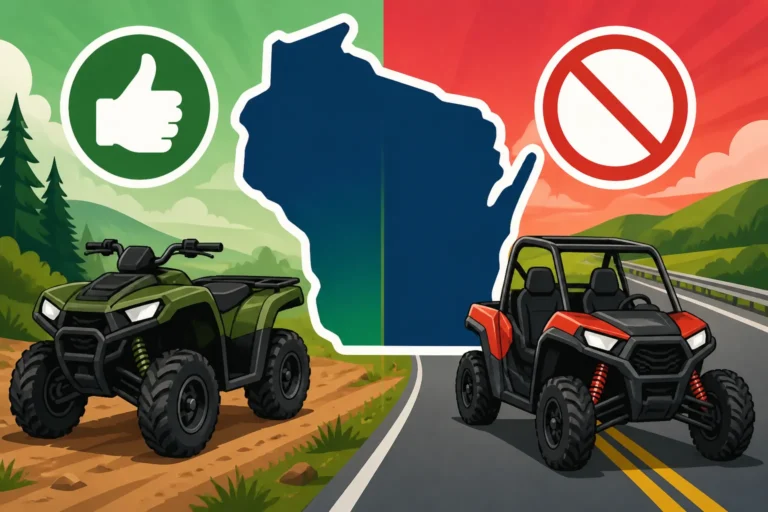
There's a unique allure to the vast, wild stretches of Wisconsin, especially when you're perched on your ATV or UTV, ready for adventure. However, for every mile of open trail, there's a tangled web of private property lines, and understanding where you can and cannot ride is paramount. Nothing sours a day of riding faster than the sudden realization you've crossed onto someone's posted land, or worse, finding yourself in an uncomfortable conversation with a landowner or a warden. This guide aims to unravel the complexities of "posted land" in Wisconsin, helping you navigate these boundaries with confidence, respect, and, most importantly, within the bounds of the law.
Understanding "Posted" Land in Wisconsin: It's More Than Just a Sign
For many riders, the idea of "posted" land conjures up images of clear-cut "No Trespassing" signs nailed to trees. While those signs are certainly a key indicator, Wisconsin's legal framework for identifying private property and restricting access goes much deeper. It’s not just about a casual warning; it’s about a landowner’s legal right to control their property and a rider’s responsibility to respect those rights. Ignoring these markers, whether intentionally or accidentally, can lead to serious consequences.
The Legal Definition of Posted Land
In Wisconsin, land is legally considered "posted" when the owner has taken reasonable steps to communicate that entry is forbidden. This isn't just a suggestion; it's a legal directive. The most common and widely recognized method is, of course, the placement of "No Trespassing" signs. These signs need to be reasonably visible and placed at intervals that clearly indicate the property boundaries. A single sign hidden in the brush at one corner of a large parcel wouldn't necessarily constitute adequate posting, but a series of signs along a property line certainly would.
Beyond traditional signage, Wisconsin law also recognizes other methods. One increasingly common and legally valid way for landowners to mark their property is by using purple paint. If you see purple paint stripes on trees or fence posts at regular intervals along a property line, consider that land posted. This method, often favored for its durability and visibility, carries the same legal weight as a "No Trespassing" sign. Additionally, cultivated lands, such as agricultural fields, are often implicitly understood to be private, even without explicit signage, though clear markers are always best practice. Always err on the side of caution when you encounter these indicators.
Why Landowners Post Their Property
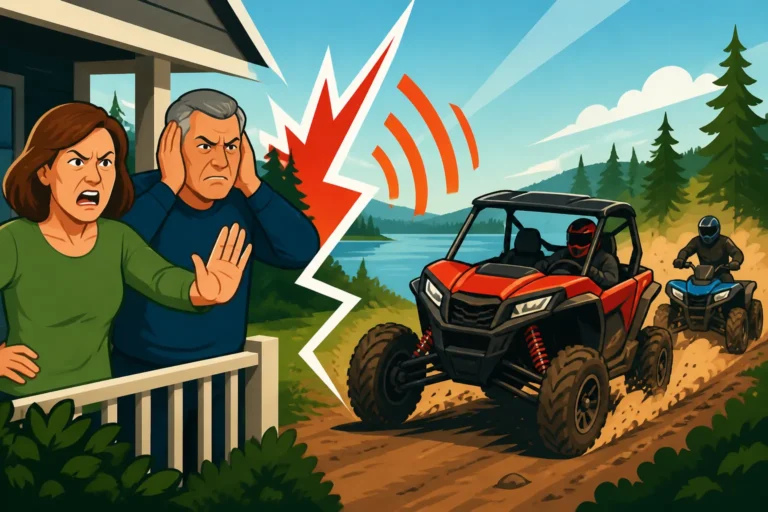
It’s easy for riders to feel frustrated when they encounter posted land, especially if it seems to block a convenient route or a scenic vista. However, it’s crucial to understand the landowner’s perspective. There are many legitimate reasons why someone might choose to post their property, and very few of them are meant to spite recreational users. Often, it comes down to privacy. People value their solitude and don't want unexpected visitors, whether on foot or on an ATV. Imagine you own a quiet parcel of land, and suddenly, machines are regularly rumbling through your backyard or past your cabin.
Liability is another huge factor. Landowners can be held responsible for injuries sustained on their property, even if the person was trespassing. By posting their land, they are attempting to mitigate this risk. Furthermore, posted land is often used for specific purposes, such as hunting, timber harvesting, or agricultural operations. An ATV passing through a freshly planted field, disturbing game, or accidentally interfering with logging equipment can create significant problems. Respecting these boundaries helps foster a better relationship between landowners and the wider outdoor community.
Common Misconceptions About Private Land Access
The world of private land access is rife with misunderstandings that can lead riders into trouble. One prevalent myth is that if there's no fence, the land is "fair game." This is absolutely not true in Wisconsin. A property line doesn't need a physical barrier to be legally enforceable. As discussed, signs, purple paint, or even the nature of the land itself (like a cultivated field) can clearly indicate private ownership. Another misconception is "implied access," where a rider might assume they can cross a piece of private land if it leads to a public trail or if others have seemingly done so in the past. Unless there is a clearly marked easement or specific written permission, there is no implied right to cross private property.
Some riders also mistakenly believe that if a trail is unmaintained or overgrown, it's automatically public. Again, this isn't the case. A private logging road or farm access path can become overgrown, but it remains private property unless formally dedicated as a public thoroughfare or trail. Always remember that the burden is on the rider to know where they are and to ensure they have legal access. Ignorance of the boundary markers or the law is not a valid defense if you're found trespassing. For more information on legal access, you might find [Riding a Friend's Land by Permission in Wisconsin] helpful.
The Risks and Realities of Trespassing on ATVs in Wisconsin
Riding an ATV or UTV onto posted land in Wisconsin isn't just a minor infraction; it carries significant legal and financial risks, not to mention the potential for damaging the already delicate relationship between riders and landowners. It’s not a situation you want to find yourself in, and understanding the full scope of potential consequences is crucial for any responsible rider.
Penalties for Riding Unlawfully Posted Land
Wisconsin takes trespassing seriously, and the penalties can be steep. If you're caught riding an ATV or UTV on posted private land without permission, you could face substantial fines. These fines vary depending on the specific circumstances, whether it's a first offense, and if any damage occurred. Beyond just monetary penalties, your machine could be impounded, which means you'd incur towing and storage fees to get it back, in addition to the fine itself. In some cases, particularly for repeat offenders or egregious violations, you could even lose your riding privileges for a period of time.
It's important to remember that these penalties are designed to deter unauthorized access and protect landowner rights. A warden or local law enforcement officer has the authority to issue citations on the spot, and contesting them can be a lengthy and expensive process. For a deeper dive into the specific legal ramifications, understanding [Wisconsin Trespass Law for Riders] is highly recommended. These aren't just theoretical possibilities; wardens patrol recreational areas, and landowners are often vigilant about protecting their property.
Potential Civil Liability and Property Damage
Beyond criminal charges and fines, trespassing on an ATV or UTV can open you up to significant civil liability. If your machine causes any damage to the private property – whether it’s rutting a field, damaging a fence, disturbing landscaping, or scaring livestock – the landowner can sue you in civil court to recover the costs of repairs or losses. This can quickly escalate into thousands of dollars, far exceeding any initial trespassing fine.
Furthermore, if you or a passenger are injured while trespassing, you generally have very little legal recourse. In fact, if your actions lead to a landowner being put in a position where they have to respond to your presence, you could even be held liable for any costs they incur, such as security measures or property restoration. This is where the importance of carrying adequate insurance comes in, though most ATV insurance policies won't cover incidents that occur during illegal activities like trespassing. Riding responsibly, with appropriate accessories like sturdy skid plates and well-maintained tires (perhaps even from a reputable brand like SuperATV), can help prevent accidental damage, but it doesn't excuse trespassing.
The Impact on Rider Reputation and Access
Every instance of trespassing, whether by an individual or a group, casts a shadow over the entire ATV and UTV riding community. When landowners experience property damage, privacy invasion, or simply the stress of dealing with trespassers, they are far more likely to become staunch opponents of ATV access in general. This leads to more land being posted, more restrictive local ordinances, and fewer opportunities for everyone to enjoy the trails. It creates a "bad apple" scenario where the actions of a few irresponsible riders can negatively impact the many who strive to be respectful and law-abiding.
Organizations and clubs work tirelessly to build positive relationships with landowners, local communities, and government agencies to expand and maintain legal riding opportunities. Trespassing undermines all of this hard work. It erodes trust and makes it harder to negotiate new trail easements or prevent existing ones from being closed. Being a responsible rider means not only following the rules yourself but also actively discouraging others from trespassing, helping to preserve the future of ATV and UTV riding in Wisconsin. For context on where you can ride, checking out [Where to Ride an ATV in Wisconsin] offers excellent resources.
How to Legally Access Private Land for ATV Riding in Wisconsin
While the default assumption should always be that private land is off-limits unless otherwise stated, there are legitimate and legal ways to gain access. These methods not only keep you on the right side of the law but also foster positive relationships with landowners, which is vital for the long-term health of the riding community.
Always Ask for Permission: The Golden Rule
This might seem obvious, but it is, without a doubt, the single most important rule when it comes to riding on private land. Always ask for explicit permission from the landowner. Never assume, never guess, and never rely on what you think might be okay. A friendly, respectful approach can go a long way. If you’re interested in accessing a specific parcel, try to find out who owns it (county plat maps are a great resource for this) and approach them directly. Be prepared to explain your intentions: what kind of machine you ride, how many people will be with you, and what route you'd like to take.
Remember, you are asking for a favor, so be polite and be prepared for a "no." If a landowner declines your request, respect their decision without argument. Their reasons are their own, and pushing the issue will only make them, and potentially other landowners, less likely to grant permission in the future. Offering to help with a task, like clearing brush or a downed tree, might also sweeten the deal for some landowners, demonstrating your respect for their property.
Getting Written Permission and Setting Clear Boundaries
While a verbal "yes" is a good start, getting permission in writing is always the best practice for both you and the landowner. A simple written agreement can prevent misunderstandings later on. This document doesn't need to be overly formal; it could be a signed letter or even an email exchange that clearly outlines the terms. Key elements to include are:
- The names of the rider(s) granted permission.
- The specific dates or duration of the permission.
- A clear description or map of the areas where riding is allowed.
- Any specific restrictions or rules (e.g., speed limits, time of day, no alcohol, specific routes).
- The landowner's signature and contact information.
This written agreement serves as proof if you are ever questioned by law enforcement and protects the landowner by setting clear expectations. It shows you are a responsible and organized rider, which can build trust. This is particularly important when considering riding in areas that might be close to a public trail but still involve crossing a private parcel.
Exploring Opportunities with Landowner Groups and Clubs
In Wisconsin, many ATV and UTV clubs actively work with private landowners to establish and maintain trail systems that cross private property. These agreements often involve formal easements or land use agreements, providing legal access for club members or the general public. Joining a local ATV club can be an excellent way to gain access to private land that you wouldn't otherwise be able to ride. Clubs often have established relationships and agreements that ensure responsible riding and minimal impact.
These clubs also play a crucial role in maintaining trails, contributing to signage, and fostering positive community relations. Supporting these efforts, perhaps through volunteering or membership fees, helps secure access for everyone. They are a valuable resource for finding legal places to ride and understanding the nuances of local access. For example, [Wisconsin Passes and Trails That Cross Private Land] can provide more context on these types of agreements.
Navigating Access Across Private Parcels to Public Trails
Sometimes, public trails are designed to cross small slivers of private land, or a short section of private driveway might be the only way to connect two segments of a public route. In these specific scenarios, formal easements or specific agreements between the landowner and the trail managing authority (like a county or the DNR) are typically in place. These areas should be clearly marked with official trail signs, indicating that ATV/UTV use is permitted.
It is absolutely vital not to assume such an agreement exists if there isn't clear signage. If you encounter a private road or property line on what you believe is a public trail, and there are no official trail markers or specific route signs (as detailed in [Wisconsin Road Route Rules Riders Get Wrong]), you must turn around. Do not rely on faint tracks or anecdotal evidence. Official maps from the DNR or county forestry departments will always show these designated access points. Equipping your machine with a reliable GPS unit, perhaps one integrated with a sturdy mount from SuperATV, can be invaluable for staying on official routes.
Identifying Posted Land and Staying on the Right Side of the Law
Even with the best intentions, it can be easy to inadvertently stray onto private land if you're not paying close attention. Knowing how to identify posted land and understanding the resources available to you are key components of responsible riding in Wisconsin.
Reading Wisconsin Trail Maps and Ordinances
Before you even load your machine, thorough trip planning is essential. Always consult official, up-to-date trail maps from the Wisconsin DNR, county forestry departments, or reputable ATV clubs. These maps clearly delineate public trails, designated road routes, and often highlight areas where trails might cross private land under agreement. Many counties publish maps specifically for ATV/UTV use, which are invaluable.
Beyond maps, be sure to check local municipal and county ordinances. Some towns or counties may have specific rules regarding ATV/UTV use, including access points, hours of operation, or even special conditions for riding on certain town roads. These ordinances are often available on the municipality's website. Modern GPS apps, such as onX Offroad, are also highly recommended as they overlay property lines onto topographic maps, allowing you to see exactly whose land you're on in real-time. For a comprehensive guide on where to find these resources, check out [Finding a Wisconsin County Trail Map].
Recognizing "No Trespassing" Signs and Purple Paint
As discussed, the most common indicators of private, posted land in Wisconsin are "No Trespassing" signs and purple paint. "No Trespassing" signs are usually clear, often with bold lettering, and placed strategically along property boundaries. They can vary in size and material, but their message is unmistakable.
The purple paint rule is especially important to recognize. Wisconsin law allows landowners to mark their property lines with a vertical stripe of purple paint on trees or posts at specific intervals. This purple marking has the same legal effect as a "No Trespassing" sign. It's a method designed to be long-lasting and easily visible, even in dense wooded areas. If you encounter either of these visual cues, consider the land off-limits, even if there's no physical fence or obvious barrier.
When in Doubt, Turn Around: The Safest Approach
Ultimately, the best advice for navigating private land boundaries is simple: when in doubt, turn around. If you’re unsure if you have permission, if the signage is ambiguous, or if your GPS shows you’re near a private property line without a clear trail easement, do not proceed. The potential consequences of trespassing—fines, liability, and damage to the riding community’s reputation—far outweigh the momentary satisfaction of exploring an unknown path.
Responsible riding is about preparation, respect, and adherence to the law. By understanding what "posted" land means in Wisconsin, knowing how to seek legal access, and utilizing available resources to stay on designated trails, you contribute to a positive future for ATV and UTV recreation in the state. Always carry your [What a Wisconsin Warden Asks a Rider For] documents, like registration and safety certificates, and be ready to show you're a responsible rider.
Here's a quick reference table to help you identify different land status indicators:
| Indicator Type | Suggests Private/Posted Land | Suggests Public/Accessible Land |
|---|---|---|
| Physical Markings | "No Trespassing" signs, purple paint on trees or posts, fences, gates, private drive signs. | Designated trail signage, public land boundary markers, official DNR or county forest signs. |
| **Land Use | Cultivated fields, active logging operations (without public access signs), private residences, farm buildings. | Marked trailheads, designated parking areas for public use, trail counters, public recreation infrastructure. |
| **Maps & GPS | Parcels marked "Private" on plat maps or GPS apps (e.g., onX Offroad), unmarked trails leading away from public areas. | Clearly delineated public trails (ATV/UTV, snowmobile, multi-use), named state/county forests, DNR lands. |
| **Verbal/Written | Direct statements from landowner, formal "No Trespassing" letters, verbal warnings. | Posted ordinances allowing access, official club communications about private land agreements. |
Disclaimer
This article is for general informational purposes only and does not constitute professional advice. Laws, prices and regulations vary by location and change over time. Consult a qualified professional for guidance on your specific situation.