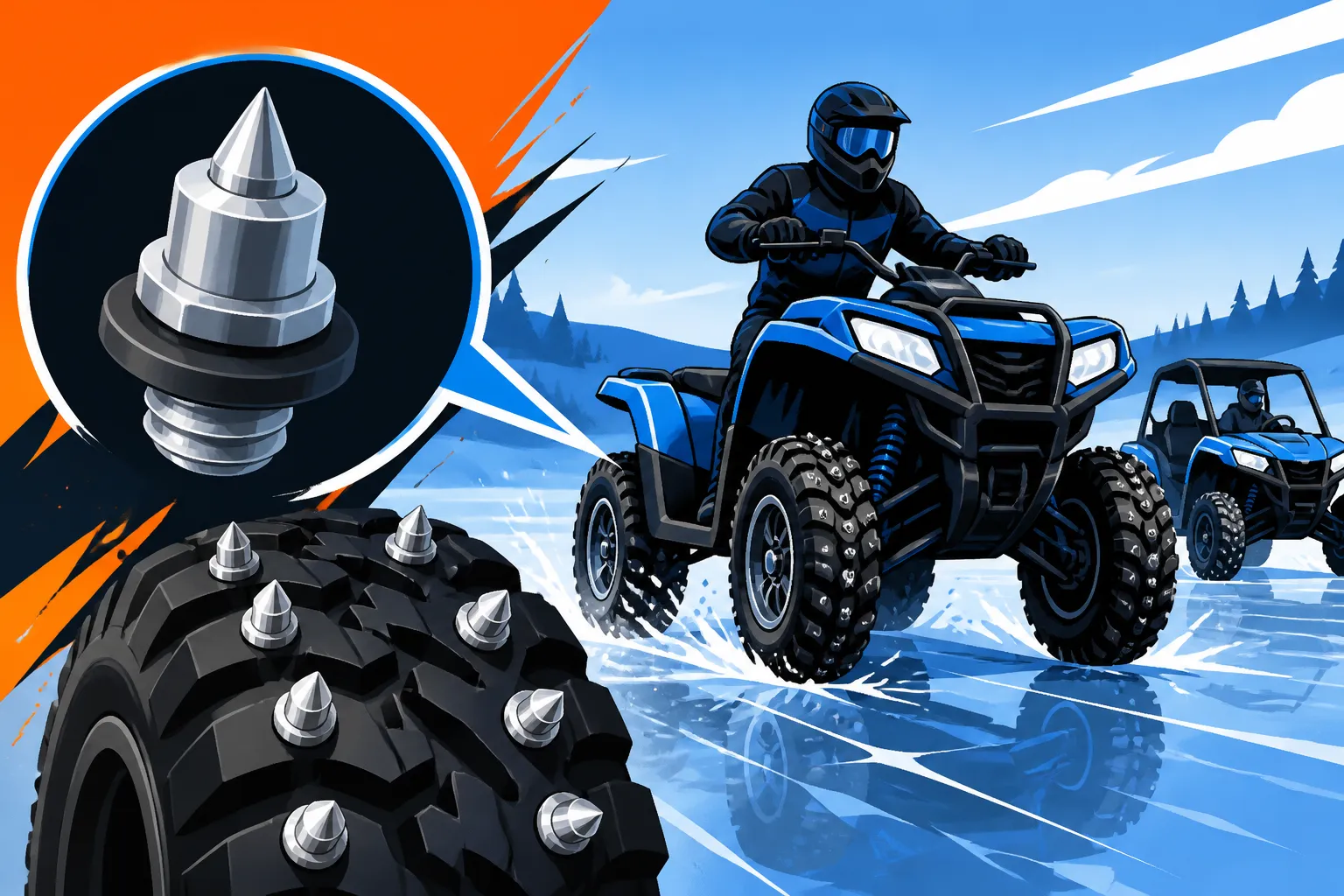
Studs for Riding on Ice
The crunch of snow under tires gives way to a slick, unpredictable surface when you venture onto Wisconsin's frozen lakes or hard-packed, icy trails. It's a challenging environment that many riders either avoid entirely or approach with a healthy dose of trepidation, often wondering how they can maintain control and safety when the ground beneath them offers virtually no grip. This guide dives deep into the world of studded tires for ATVs and UTVs, exploring why they're essential for true winter riding in the Badger State, what the regulations are, and how to choose and use them effectively to navigate those icy expanses with confidence.
The Allure and Dangers of Wisconsin's Frozen Waters for ATV/UTV Riders
There's something undeniably captivating about Wisconsin's winter landscape. When the lakes freeze solid and the snow blankets the forests, a whole new playground opens up for ATV and UTV enthusiasts. But this beauty comes with its own unique set of challenges, especially when it comes to traction.
The Thrill of Winter Riding: Why Ice Calls to Us
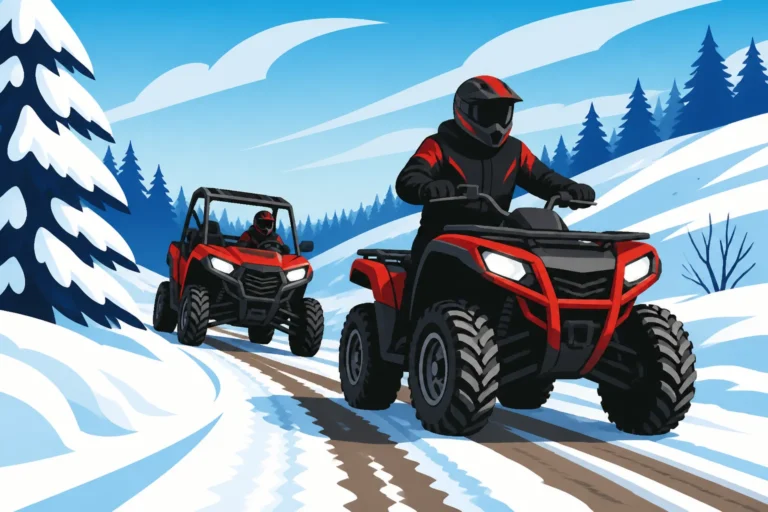
Imagine the crisp winter air, the sun sparkling off a vast, frozen lake, and the hum of your machine as you glide across the smooth, open expanse. For many, ice riding isn't just a way to get around; it's an experience in itself. Whether you're heading out to your favorite ice fishing spot with your gear loaded on a utility quad, simply enjoying the wide-open spaces that aren't accessible during warmer months, or participating in organized ice racing events, the appeal is immense.
These frozen surfaces offer a sense of freedom that traditional trails can't always match. You might be connecting to a [Wisconsin Trail That Reaches a Lake] or venturing far from the beaten path to a secluded spot. For farmers, a frozen lake can even serve as a shortcut for checking on distant livestock or hauling feed to a winter pasture. But that smooth, glassy surface, while beautiful, is also inherently treacherous without the right equipment. Without proper grip, even slight turns can become heart-stopping slides, and stopping can feel like an exercise in futility.
Understanding the Risks: What Can Go Wrong on Ice
The biggest, most obvious risk when riding on frozen water is, of course, falling through. While this guide isn't about ice safety (you should always check [Ice Thickness Before You Ride Out] and understand [Wisconsin Rules on Frozen Lakes] before venturing out), even on perfectly safe ice, the lack of traction presents significant hazards. Imagine accelerating from a dead stop, only to have your tires spin endlessly, or approaching an intersection on a plowed lake road and realizing you have almost no braking power. That's a common frustration for riders who try to tackle ice with standard tires.
Beyond the catastrophic, there are the more common dangers: uncontrolled slides that can lead to rollovers, especially in a heavier UTV; the inability to steer effectively, which can send you veering off course or into obstacles; and the sheer exhaustion and anxiety that comes from constantly fighting for control. Even a simple change in direction can feel like a high-stakes maneuver. This lack of control isn't just annoying; it can lead to serious accidents, injuries, or even put you at risk if you're far from help in the cold, unforgiving Wisconsin winter. Without specialized tires, your machine essentially becomes a very heavy, very powerful hockey puck.
Navigating Wisconsin's Rules for Studded Tires on ATVs and UTVs
Before you go out and buy a set of aggressively studded tires, it’s crucial to understand the lay of the land when it comes to regulations in Wisconsin. While many states have very strict rules, Wisconsin generally takes a practical approach, especially for off-highway vehicles.
What Wisconsin Law Says About Tire Modifications
Good news for Wisconsin ATV and UTV owners: generally speaking, Wisconsin law does not prohibit the use of studded tires on ATVs and UTVs. Unlike cars and trucks, which have specific seasonal restrictions for studded tires on public roads, ATVs and UTVs are primarily designed for off-road use, and the regulations reflect that. This means you won't typically run into issues with the state DNR or local wardens just for having studs on your machine, provided you're riding where ATVs and UTVs are permitted.
However, a critical nuance comes into play when you venture onto specific surfaces. While [Wisconsin Rules for a Work Machine] on your own property or a frozen lake might be quite lenient, you need to be mindful of where you ride. For instance, if a designated [Wisconsin ATV Route] uses an asphalt or paved road section, highly aggressive studs designed solely for ice could potentially damage the pavement. While there isn't a blanket ban, some local municipalities might have ordinances regarding tire types on their specific road routes. It's always smart to check local ordinances if you plan to spend significant time on town or county roads designated as routes. This is a common point of confusion, and many riders assume the same rules apply to their ATV as their car, which is often not the case.
When and Where Studs Make Sense (and Where They Don't)
Studs are a game-changer for specific conditions, making a huge difference in performance. They truly shine on:
- Frozen Lakes: This is where studs are absolutely invaluable. For ice fishing, traveling between ice shanties, or just joyriding on the open ice, studs provide the necessary bite for acceleration, braking, and steering. If you plan on [Riding Out to a Wisconsin Ice Shanty], studded tires will make the journey much safer and more enjoyable.
- Hard-Packed Snow and Ice-Covered Trails: Many winter trails, especially in the Northwoods, can become glazed over with ice, or feature sections of hard-packed, icy snow that regular tires struggle with. Studs offer superior grip, allowing you to maintain speed and control where others might be sliding.
- Plowing Operations: If you're using your ATV or UTV for [Plowing a Wisconsin Driveway With a Machine] during winter, studs can dramatically improve traction, especially when pushing heavy, wet snow or clearing ice-covered surfaces.
However, studs aren't a universal solution and can actually be detrimental in other situations:
- Deep, Powder Snow: In very deep, fresh powder, studs offer little to no advantage, as the tire itself is floating on the snow rather than making contact with a hard surface. The aggressive tread pattern of a good winter tire is more important here.
- Soft Ground or Dirt Trails (Non-Frozen): Riding aggressively studded tires on dirt or soft ground will not only be less effective but can cause excessive wear on the studs and potentially damage the trail surface. They'll also feel very "squirmy" and uncomfortable on anything but hard-packed surfaces.
- Paved Roads (Excessively): While allowed, prolonged use of aggressive studs on paved surfaces can lead to faster wear of the studs themselves, damage to the pavement (which can lead to complaints or local restrictions), and a very noisy, jarring ride. It's about finding the right tool for the right job, and studs are for ice, not asphalt. If you're riding a [Wisconsin Road Route], consider if you'll actually be on ice or mostly pavement.
| Feature | Studded Tires | Non-Studded Winter Tires | All-Season/Mud Tires (Standard) |
|---|---|---|---|
| Primary Use | Ice, hard-packed snow, frozen surfaces | Snow (powder & packed), light ice | Dirt, mud, rock, general trail riding |
| Ice Traction | Excellent (direct bite into ice) | Fair (siping and soft compound help) | Poor (hard compound, less siping) |
| Snow Traction | Good (aggressive tread still effective) | Excellent (designed for snow evacuation) | Varies (mud tires can pack with snow) |
| Pavement Wear | High (can be noisy, reduces stud life) | Moderate (softer compound wears faster) | Moderate (depending on tread) |
| Cost | Higher (tire cost + stud installation) | Moderate to High | Moderate |
| Versatility | Specific for ice/frozen conditions | Good for varied winter conditions | Best for warmer weather, varied terrain |
| Noise Level | High on hard surfaces | Moderate | Moderate |
| Key Advantage | Unmatched grip on slick ice | Excellent flotation and grip in snow | Year-round versatility, robust for tough trails |
Choosing and Installing the Right Studs for Your Wisconsin Ice Riding
Once you've decided that studs are the way to go for your winter adventures, the next step is selecting the right type and deciding on the installation method. It's not a one-size-fits-all situation, and making informed choices will directly impact your safety and performance.
Types of Studs and Their Applications
The world of tire studs offers a few different options, each with its own characteristics and best use cases. You'll typically encounter screw-in studs and pre-studded tires.
- Screw-In Studs: These are perhaps the most common and versatile option for existing ATV/UTV tires. They come in various lengths, thread types, and carbide tip designs. Brands like SuperATV offer a range of screw-in studs that can be installed directly into the knobs of your existing tires.
- Pros:
- Customization: You can choose the number and pattern of studs, tailoring the grip to your specific needs and riding style. Some riders prefer more studs on the drive tires, others want even distribution for all-around control.
- Cost-Effective: Often cheaper than buying a whole new set of pre-studded tires, especially if your current tires are in good shape.
- Temporary: While durable, they can be removed if you only need them for a specific season or type of riding.
- Variety: From small, low-profile studs for light ice to aggressive, long-shank studs for maximum bite, there's a stud for nearly every condition.
- Cons:
- Installation Time: Can be time-consuming to install correctly, especially for a full set of tires.
- Tire Compatibility: Works best with tires that have robust, deep tread blocks for the studs to grip into. Some open-lug mud tires might not hold studs as well.
- Potential for Air Leaks: While rare with proper installation, there's a slight risk of puncturing the tire if not done carefully.
- Pros:
- Pre-Studded Tires: Some manufacturers offer tires that come from the factory with studs already integrated. These are typically purpose-built winter tires.
- Pros:
- Professional Installation: Studs are factory-installed, ensuring optimal placement and security.
- Balanced Design: The tire and stud design are often optimized to work together for winter performance.
- Convenience: No installation required on your end, just mount and go.
- Cons:
- Higher Upfront Cost: Often more expensive than buying standard tires and screw-in studs separately.
- Less Customization: You get what you get; you can't easily change the stud pattern or quantity.
- Seasonal Swap: You'll likely want to swap these out for summer riding, meaning you need a second set of wheels or regular tire changes, impacting your [Yearly Cost of Owning an ATV in Wisconsin].
- Pros:
When choosing studs, consider the depth of your tire tread, the type of riding you'll primarily be doing, and your budget. For extreme ice conditions, a more aggressive carbide-tipped stud will provide the best traction. If you're just looking for a bit more bite on occasional icy patches, a smaller stud might suffice. You can find robust options from retailers like SuperATV that are designed for the rigors of ATV and UTV use.
DIY vs. Professional Installation: What to Consider
Installing screw-in studs can be a rewarding DIY project, but it requires patience and attention to detail.
-
DIY Installation:
- Tools Needed: A drill, a stud installation tool (often provided with the studs or available separately), a tire gauge, and appropriate safety gear.
- Process: You'll typically drill a pilot hole into each tread block where you want a stud, then use the specialized tool to screw the stud in until it's firmly seated and flush with the tread block. The key is to ensure the stud goes in straight and doesn't protrude too far into the tire's casing, which could cause a leak.
- Tips:
- Start with a clean tire.
- Mark your desired stud pattern before you begin. A common strategy is to focus more studs on the outer edges of the tires for cornering grip and on the central lugs for acceleration and braking.
- Use a consistent depth for your pilot holes.
- Inflate your tires to riding pressure before installing to ensure the tread blocks are fully extended.
- Considerations: If you're mechanically inclined and have the time, this can save you money on labor costs. However, a rushed or improper installation can lead to studs falling out prematurely or, in the worst case, air leaks.
-
Professional Installation:
- Where to Go: Many ATV/UTV dealerships, tire shops, or powersports service centers in Wisconsin will offer stud installation services. They have the right tools, experience, and often specialized stud guns for faster, more secure installation.
- Pros:
- Expertise: Professionals know the best stud patterns, appropriate stud lengths for various tires, and how to install them without damaging your tires.
- Efficiency: They can often complete the job much faster than a DIY approach.
- Peace of Mind: You'll have confidence that your studs are properly installed and less risk of issues.
- Cons:
- Cost: You'll pay for the labor, which adds to the overall expense.
- Availability: During peak winter season, there might be a wait for service.
For most riders, particularly those new to studded tires, professional installation is a wise investment, ensuring maximum safety and longevity from your studs. However, with good guidance and patience, tackling it yourself is certainly doable.
Maintaining Your Studded Tires for Safety and Longevity
Just like any other component of your ATV or UTV, studded tires require some care to ensure they perform well and last through many Wisconsin winters.
- Regular Inspection: After each ride, especially if you've been on varied terrain, give your studded tires a quick visual inspection. Check for any missing studs, severely worn studs, or damage to the tire itself. Missing studs can usually be replaced individually.
- Tire Pressure: Maintain proper tire pressure as recommended by your machine's manufacturer. Incorrect pressure can affect how the studs bite into the ice and can lead to uneven wear on both the tire and the studs.
- Riding Style: While studs give you incredible grip, they don't make you invincible. Avoid excessive wheel spin on dry pavement or aggressive sliding on non-ice surfaces, as this can accelerate stud wear or even cause them to tear out. Ease into throttle and brake applications, even with the added traction.
- Storage: When the ice season is over and you're ready to remove your studded tires or put your machine into [Winter Storage Costs for Wisconsin Owners], clean the tires thoroughly. If you're removing screw-in studs, ensure they are stored properly for reuse. If you're storing the whole set, keep them in a cool, dry place away from direct sunlight.
- Tire Life: Remember that the added wear from studs can slightly reduce the overall life of your tires, especially if you frequently ride on abrasive surfaces. Factor in potential [Tire Costs for Wisconsin Riders] when budgeting for your winter setup.
By understanding the unique challenges of ice riding in Wisconsin and equipping your ATV or UTV with the right studded tires, you're not just preparing for winter; you're unlocking a whole new level of adventure and safety. Whether it's the thrill of a wide-open lake run or the necessity of navigating icy access roads, studs truly make all the difference, transforming treacherous conditions into a confident ride.
Disclaimer
This article is for general informational purposes only and does not constitute professional advice. Laws, prices and regulations vary by location and change over time. Consult a qualified professional for guidance on your specific situation.