Wisconsin Alcohol Limits for ATV Operators
Riding your ATV or UTV through Wisconsin's stunning forests, over its open plains, or across a frozen lake offers an unparalleled sense of freedom and adventure. However, that sense of freedom can quickly vanish if you make the mistake of mixing alcohol with operating your machine. Many off-road enthusiasts are surprised to learn that Wisconsin's impaired driving laws apply just as strictly to ATVs and UTVs as they do to cars, carrying severe penalties that can impact your life long after the ride is over. This comprehensive guide will walk you through everything you need to know about Wisconsin's alcohol limits for ATV and UTV operators, helping you understand the law, avoid costly mistakes, and ensure your time on the trails is always safe and responsible.
The Sobering Reality of Wisconsin's OWI Laws for Off-Roaders
It's a common, yet dangerous, misconception among some riders that once you're off the paved roads and onto the dirt, the rules somehow relax. Many folks might think that a couple of beers around the campfire or a frosty beverage during a trailside break is harmless. Unfortunately, that couldn't be further from the truth in Wisconsin. The state takes operating while intoxicated (OWI) incredibly seriously, and these stringent laws extend unequivocally to ATVs and UTVs, whether you're on a designated trail, a county road route, or even certain private lands.
Identical Standards for ATVs and Road Vehicles
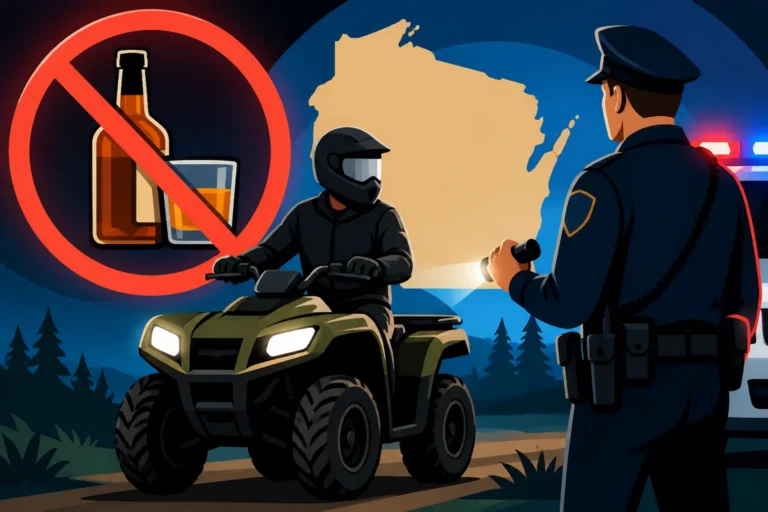
Let's cut right to the chase: the legal blood alcohol concentration (BAC) limit for operating an ATV or UTV in Wisconsin is precisely the same as it is for driving a car. This means the familiar .08% BAC threshold applies across the board, without exception, for recreational off-road vehicles. This parity isn't arbitrary; it reflects the state's commitment to public safety. Operating a powerful machine, whether it has four wheels on asphalt or four knobby tires in the mud, demands a high degree of skill, judgment, and quick reaction time. Alcohol impairs all of these faculties, making any form of impaired operation a significant risk to the rider, their passengers, and anyone else on or near the trails.
The authorities tasked with enforcing these laws, including Wisconsin DNR wardens and local sheriff's deputies, are well-trained and fully authorized to patrol trails, road routes, and public lands. They have the same tools and powers to identify, stop, and charge impaired ATV operators as they do for car drivers. Don't be fooled into thinking that a remote trail means you're beyond the reach of the law; these dedicated officers are out there to ensure everyone's safety. For a deeper dive, check out [Wisconsin Alcohol Limit on an ATV] to understand the specific legal context.
Where Wisconsin's OWI Laws Apply to ATVs
The reach of Wisconsin's OWI laws for ATVs and UTVs is expansive, covering virtually any place you might choose to ride. This includes all public ATV and UTV trails, which are managed by the DNR or local counties and clearly marked for motorized use. It also extends to any designated ATV or UTV road routes, which are town or county roads specifically opened for off-road vehicle travel. Even if you're just cruising down a quiet backroad that's part of an approved route, the same OWI laws apply. You can learn more about these routes by reading [Riding an ATV on a Wisconsin Road Route].
Furthermore, these laws apply to public lands, such as county forests, state forests, and even the often-overlooked expanses of frozen lakes. Many ice anglers and winter enthusiasts enjoy taking their ATVs out onto the ice, but it's critical to remember that [Wisconsin Rules on Frozen Lakes] still apply, including strict enforcement of OWI laws. In some scenarios, if a warden observes impaired operation and has probable cause, even if you eventually make it back to private land, the initial observed violation on public access points or visible from public areas can lead to charges. The key takeaway is that if you can ride it, you can get an OWI on it if you're impaired.
Understanding the Legal Blood Alcohol Concentration BAC Limit
The .08% BAC limit might sound like a small number, but for many individuals, it doesn't take much alcohol to reach that threshold. Understanding what this number means for your body and your ability to safely operate an ATV or UTV is paramount to making responsible choices.
The .08% Threshold and Its Meaning
A blood alcohol concentration of .08% means that for every 100 milliliters of blood, there are 80 milligrams of alcohol. While that sounds technical, what it really means for you is that your judgment, reaction time, coordination, and depth perception are significantly impaired. These are all faculties absolutely essential for safe ATV or UTV operation, especially given the variable terrain, potential obstacles, and ever-changing conditions on Wisconsin's trails. Factors like your body weight, metabolism, gender, and even how much you've eaten can affect how quickly you reach this limit. For some people, even a couple of drinks can be enough to push them over the legal limit.
It's also crucial to understand that impairment begins well before you hit .08%. Even a lower BAC can affect your ability to ride safely, potentially leading to errors that result in accidents or other citations for reckless operation, even if you're not technically over the OWI limit. The goal isn't just to stay under .08%; it's to remain completely unimpaired for safe and enjoyable riding. While less common for recreational ATV use, it's worth noting that individuals with prior OWI convictions or those operating commercial vehicles may face even stricter, lower BAC limits.
Zero Tolerance for Underage Riders
Wisconsin has a very clear and absolute zero-tolerance policy when it comes to alcohol and underage individuals, particularly those operating any type of motorized vehicle, including ATVs and UTVs. If you are under the age of 21, it is illegal to consume or possess alcohol. If you are found operating an ATV or UTV with any measurable amount of alcohol in your system, you will face severe penalties. This isn't just about the .08% limit; it's about any alcohol.
The consequences for underage riders can be incredibly harsh, including significant fines, mandatory license suspensions (which can affect their ability to get a driver's license for a car later on), and participation in alcohol education programs. These penalties are designed to deter underage drinking and driving from the start. Parents and guardians have a critical role to play in educating [Wisconsin's Rule for Riders Aged 12 to 15] and all young people about the dangers and legal ramifications of underage drinking, especially when it comes to operating an ATV. Setting a strong example and clear expectations is the best defense against these life-altering mistakes.
Severe Penalties for Operating Under the Influence
An OWI conviction for an ATV or UTV isn't just a minor inconvenience; it carries significant and lasting consequences that can impact your finances, your freedom, and your ability to enjoy not only off-road sports but also everyday driving privileges. The state of Wisconsin treats these offenses with the gravity they deserve, imposing penalties that escalate with each subsequent violation.
Fines, Jail Time, and License Revocation
The penalties for OWI on an ATV or UTV in Wisconsin are serious and can profoundly affect your life. A first offense, while typically not involving mandatory jail time for a vehicle OWI, can still result in substantial fines, suspension of your driving privileges for a set period, and mandatory participation in an alcohol assessment program. It's crucial to understand that an OWI on an ATV can impact your driver's license for a car, not just your ATV riding privileges. This means you could lose your ability to drive your personal vehicle, which can have ripple effects on your job, family responsibilities, and daily life.
Subsequent offenses lead to increasingly severe consequences. A second OWI conviction within a certain timeframe will bring much higher fines, mandatory jail time, and a longer period of license revocation. By the third offense, the penalties become even more stringent, with extended periods of imprisonment and license loss. Beyond these direct legal consequences, you may also be required to attend alcohol treatment programs at your own expense. These penalties are designed to deter repeat offenders and underscore the state's no-tolerance stance on impaired operation. Understanding the potential for [An OWI on an ATV in Wisconsin] is critical for all riders. Additionally, impaired riding can often lead to charges of [Wisconsin Penalties for Reckless Riding], further complicating your legal situation.
Here's a general overview of how penalties escalate, though specific figures can change and vary based on individual circumstances:
| Offense Number (Within a Specified Period) | Fines (General Shape) | Jail/Imprisonment (General Shape) | Driver's License Revocation (General Shape) | Other Key Consequences |
|---|---|---|---|---|
| 1st OWI | Significant | None (typically) | Several months | Alcohol Assessment, Vehicle Impoundment |
| 2nd OWI | Substantially higher | Mandatory minimum days | 1 to 2 years | Alcohol Treatment, Ignition Interlock Device |
| 3rd OWI | Very high | Mandatory minimum months | 2 to 3 years | Alcohol Treatment, Ignition Interlock Device |
| 4th OWI and beyond | Extremely high | Mandatory minimum months/years | Extended periods, often permanent | Felony charges, Long-term Treatment |
Note: The specific amounts for fines, jail time, and revocation periods are subject to change and depend on various factors including BAC level, prior offenses, and any aggravating circumstances. Consult legal counsel for precise information.
Other Costly Consequences and Collateral Damage
Beyond the immediate legal penalties, an OWI conviction carries a host of other costly and disruptive consequences that can linger for years. One of the most immediate impacts is on your insurance. Expect your auto and possibly your ATV insurance premiums to skyrocket, or you might find it difficult to obtain coverage at all. Insurers view OWI convictions as a major risk factor, and you'll likely pay for it dearly through higher rates. In some cases, your ATV or UTV might even be impounded, adding towing and storage fees to your growing financial burden.
Legal fees for defense can quickly accumulate, even for a first offense, costing thousands of dollars before you ever step foot in a courtroom. The impact on your employment can also be severe, especially if your job requires driving or if your employer has a strict code of conduct. A criminal record can also affect future job opportunities, professional licenses, and even housing applications. Furthermore, there's the social stigma and personal toll of an OWI, which can strain relationships and damage your reputation.
It's also important to be aware of related violations, such as [Open Intoxicants on a Wisconsin Ride]. While distinct from OWI, having an open container of alcohol on your ATV in a public area can lead to its own set of fines and legal troubles, even if you aren't over the legal BAC limit. These additional citations can compound the issues and deepen the financial and legal holes you might find yourself in.
Enforcement, Stops, and Your Rights on the Trail
The presence of law enforcement on Wisconsin's ATV trails and road routes is a reality, and knowing what to expect if a warden or officer pulls you over can help you navigate a potentially stressful situation, even if you're completely sober. Being prepared and understanding your rights is key.
What Wardens Look For and How They Enforce
DNR wardens and local police are trained to spot signs of impaired operation. This can include erratic riding behavior, such as weaving, making overly wide turns, driving at inappropriate speeds, or having trouble maintaining control of the machine. They also look for machines operating without proper registration or displaying expired decals, which can be an initial reason for a stop. For more on what officers might ask for, refer to [What a Wisconsin Warden Asks a Rider For]. Once stopped, officers observe physical cues like slurred speech, bloodshot eyes, or the odor of alcohol.
If impairment is suspected, you may be asked to perform field sobriety tests, which are adapted for ATV riders. These tests assess your balance, coordination, and ability to follow instructions. Officers may also administer a preliminary breath test (PBT) at the scene, which gives an indication of your BAC. It's important to remember that DNR wardens, just like municipal police, conduct [Warden Enforcement on Wisconsin Routes] and are fully authorized to do so on any public land or designated route. Their goal is always to ensure public safety, and impaired operators pose a significant threat.
Refusing a Test and Its Ramifications
Wisconsin operates under an "implied consent" law. This means that by choosing to operate an ATV or UTV on public lands, trails, or designated routes within the state, you have implicitly given your consent to chemical testing (breath, blood, or urine) if an officer has probable cause to believe you are operating while intoxicated. This is a critical point that many riders are unaware of.
While you do have the right to refuse a chemical test, doing so comes with significant administrative penalties. Refusing a breath, blood, or urine test will result in an automatic, lengthy suspension of your Wisconsin driver's license, often for a period far longer than the suspension you might face if you had taken the test and failed. This suspension is administrative, meaning it's separate from any criminal OWI charges and can take effect immediately. Furthermore, your refusal to take a test can be used as evidence against you in court, implying that you refused because you knew you were impaired. The consequences for refusal can be just as severe, if not more so, than a conviction for a first-time OWI, underscoring the importance of understanding this legal provision.
Prioritizing Safety: Preventing OWI Incidents on the Trail
The absolute best way to deal with Wisconsin's OWI laws is to simply avoid the situation altogether. Riding sober is the only sure way to protect yourself, your passengers, your fellow riders, and your future. There are many ways to enjoy the beauty of Wisconsin's trails without introducing the dangerous element of alcohol.
Designating a Sober Operator and Responsible Group Planning
Just like planning for a night out on the town, responsible ATV groups should always consider designating a sober operator for the day. This individual commits to riding alcohol-free, ensuring that at least one machine, and one responsible driver, is available if needed. This practice fosters a culture of accountability within your riding group, where everyone looks out for each other. Peer pressure can be a powerful force, and using it for good, by encouraging sober riding, is invaluable.
It's also wise to plan your riding days with alcohol avoidance in mind. This might mean enjoying your rides first and saving any alcoholic beverages for a time when all riding is definitively done for the day and everyone is safely back at camp or lodging. Consider packing plenty of non-alcoholic refreshments—water, sports drinks, or soda—to stay hydrated and refreshed on the trail. Investing in quality accessories, whether it's improved lighting from SuperATV for night riding or robust storage, ensures your machine is ready for a safe adventure, minimizing any temptation to rely on substances for a "good time." Focus on the thrill of the ride, the camaraderie, and the natural beauty, rather than on alcohol.
The Role of Gear and Equipment in Safe Riding Habits
While no amount of protective gear or machine accessories can ever compensate for impaired judgment due to alcohol, they certainly contribute to a safer riding experience when you are sober. Helmets, eye protection, sturdy riding boots, and appropriate clothing are non-negotiable safety items that reduce the risk of injury in the event of an accident. You can explore [Wisconsin Helmet Rules for Riders Under 18] and [Eye Protection on a Wisconsin Ride] for detailed information on these crucial safety elements.
Beyond personal protective equipment, properly outfitting your machine also plays a role in fostering responsible habits. For instance, ensuring your machine is in top shape, with reliable components and perhaps even upgrades from trusted brands like SuperATV, makes for a more confident and controlled ride, further reducing any perceived need to "loosen up" with alcohol. Using secure cargo boxes or bags to stow all your gear, including non-alcoholic beverages and snacks, helps keep your machine tidy and prevents items from being mistaken for open containers. A well-prepared and well-maintained machine allows you to focus purely on the ride itself, enhancing the enjoyment and safety of your adventures.
Beyond Alcohol: Other Impairments and Responsible Riding
While alcohol is the primary focus of OWI laws, responsible riding encompasses a broader commitment to safety. Anything that impairs your ability to safely operate an ATV or UTV—whether it's legal or illegal—can put you and others at risk. True responsible riding means being fully present and capable whenever you hit the trail.
Medications, Fatigue, and Other Impairments
Alcohol isn't the only substance or condition that can impair your ability to ride safely. Many prescription and even over-the-counter medications can cause drowsiness, dizziness, blurred vision, or slow reaction times, all of which are detrimental to operating an ATV. Always read warning labels and consult your doctor or pharmacist about how medications might affect your ability to drive or operate heavy machinery. If a medication advises against driving, it absolutely applies to your ATV or UTV as well.
Fatigue is another silent danger. Long days on the trail, especially combined with early mornings or late nights, can lead to exhaustion that mirrors the effects of alcohol impairment. Your judgment, concentration, and reaction time will suffer, dramatically increasing the risk of an accident. Other distractions, such as using cell phones or being overly engrossed in conversation, can also divert your attention from the trail ahead. Responsible riding means addressing all potential impairments before you start your machine, ensuring you are physically and mentally ready for the demands of the ride.
The Community Responsibility of Riders
The off-road community in Wisconsin is known for its camaraderie and passion for the outdoors. This community spirit should extend to looking out for each other's safety on the trails. If you see a fellow rider who appears impaired, whether by alcohol, drugs, or extreme fatigue, it's a moral imperative to intervene. A friendly conversation, an offer to help, or even a discreet call to authorities could prevent a serious accident or an OWI charge. Nobody wants to be the "fun police," but preventing harm is a far greater good.
Beyond direct intervention, promoting ATV safety courses is another way to foster a culture of responsible riding. These courses, often required for younger riders as detailed in [Wisconsin ATV Safety Certificate Requirements], teach essential skills and emphasize safe operating practices, reinforcing the idea that riding is a privilege that comes with significant responsibilities. By upholding high standards for ourselves and our fellow riders, we ensure that Wisconsin's beautiful trails remain a safe and enjoyable destination for everyone.
Disclaimer
This article is for general informational purposes only and does not constitute professional advice. Laws, prices and regulations vary by location and change over time. Consult a qualified professional for guidance on your specific situation.