Can You Ride a Wisconsin State Highway?
It’s a common scenario in Wisconsin: you're out enjoying a fantastic ride on your ATV or UTV, cruising down a designated local route, and suddenly you see that familiar green highway sign ahead. A state highway. Your mind starts racing, wondering, "Can I just cross this? Can I ride on it for a little bit to get to the next trail section? Or am I about to get myself into some serious trouble?" It's a frustrating point of confusion for many riders, and honestly, the rules around state highways can feel a bit like a maze. This guide is here to untangle that confusion and give you the clear answers you need about riding your off-highway vehicle (OHV) on Wisconsin state highways.
The Straight Answer: State Highways and ATVs in Wisconsin
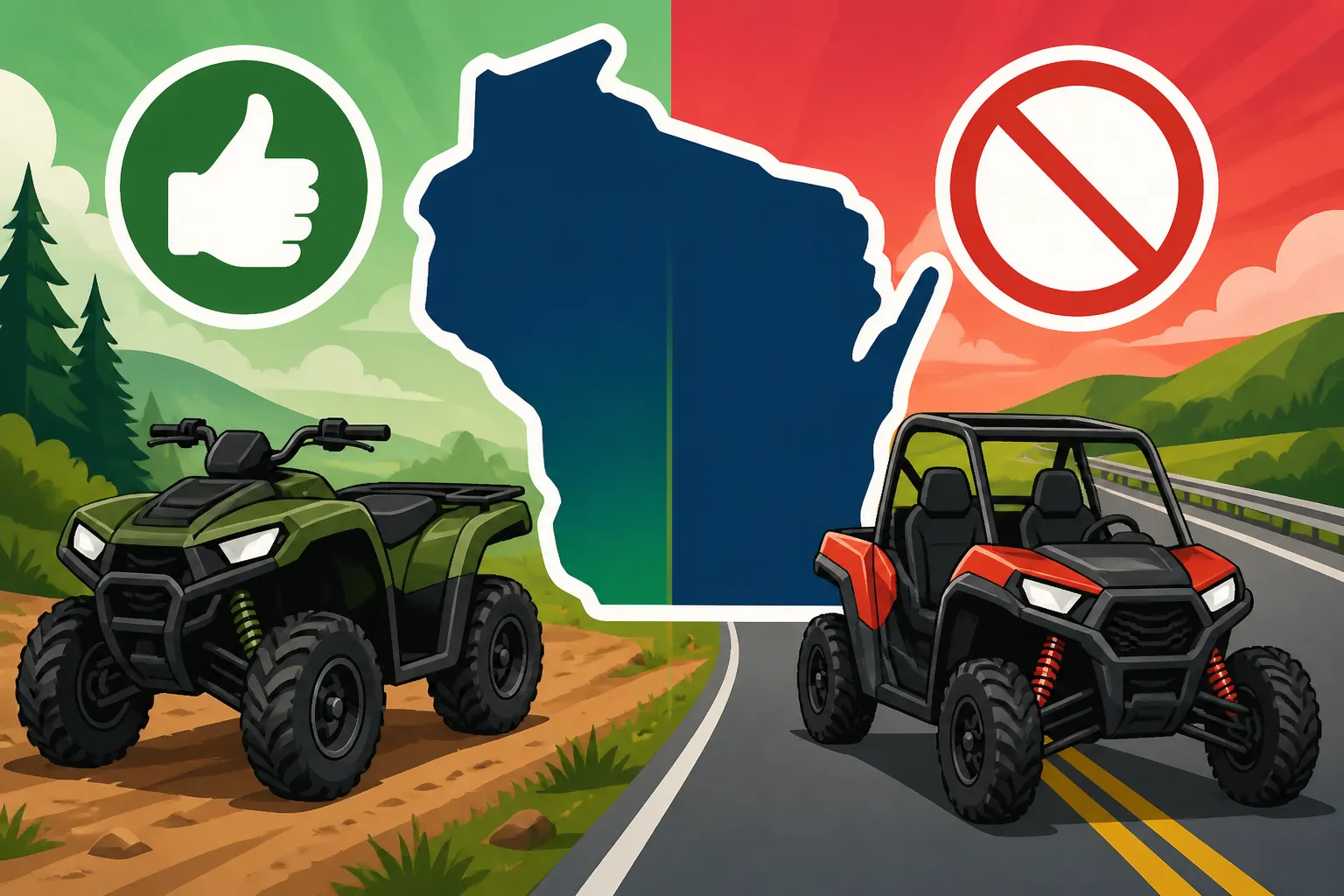
Let’s cut right to the chase because this is where many riders get into a sticky situation. When it comes to riding your ATV or UTV on a Wisconsin state highway, the general rule is a resounding "no." Wisconsin law specifically prohibits the operation of ATVs and UTVs on state highways, with only a very narrow exception for crossing them. This isn't just a suggestion; it's a legal restriction designed for safety and to keep different types of traffic separated.
The Core Restriction: Why State Highways Are Different
State highways are the major arteries of Wisconsin’s transportation network. They’re designed for higher speed limits, larger volumes of traffic, and vehicles built for sustained road travel. ATVs and UTVs, while incredibly capable off-road, are generally not built to safely share this environment. Their top speeds, turning radius, braking distances, and visibility are often quite different from cars, trucks, and motorcycles. The Department of Transportation (DOT), which manages these roads, prioritizes the flow and safety of conventional highway traffic, and unfortunately, that means OHVs just don't fit into the picture for regular travel. You might see some UTVs that look "street legal" in other states, perhaps outfitted with full windshields, turn signals, and even DOT-approved tires like some of the robust options from SuperATV, but even with these modifications, Wisconsin's state highway rules remain rigid for all ATVs and UTVs.
This distinction is crucial because confusing a state highway with a local town road or county highway can lead to more than just a stern talking-to. It can result in significant fines and even legal penalties. The state's focus is on preventing accidents involving high-speed traffic and slower, less visible OHVs, which can be devastating for everyone involved. So, while it might feel like an inconvenience when a state highway cuts off your planned route, remember it’s rooted in a fundamental safety principle for all road users.
The Exception: Crossing a State Highway
Now, here's where the single, very important exception comes into play: you can cross a state highway. But this isn't an open invitation to ride down the shoulder for a mile and then cut across. The law is explicit that this crossing must be done in the most direct manner possible. Think of it like crossing a busy street on foot – you go straight across, not diagonally, and you certainly don't stroll down the middle of the road.
The intention here is to allow riders to connect trails or approved local road routes that are bisected by a state highway. The crossing must be made at an angle of approximately 90 degrees to the roadway, and you must yield to all highway traffic. This isn't a right-of-way situation; you are the one needing to give way. Imagine you're riding a designated county trail that abruptly ends at State Highway 70. You see the trail pick up again on the other side. You can cross, but you must stop, look for traffic, and only proceed when it is completely safe to do so. This also means you can't ride the length of the highway to find a "better" crossing point. The crossing should be at the nearest practical intersection of the trail or route with the highway. For more detailed guidance, check out [Crossing a Wisconsin Highway Safely].
Understanding the "State Highway" Designation
So, how do you even know if it’s a state highway versus a county or town road? This is where a lot of the confusion originates. In Wisconsin, state highways are generally identified by numbered routes, often displayed on those iconic black-and-white shield signs or larger green signs with white numbers. Think of roads like State Highway 13, Highway 29, or Highway 70. These are maintained by the state and fall under state regulations.
County highways, on the other hand, are typically designated with letters (e.g., County Highway M, County Highway H) and are maintained by individual counties. Town roads usually don't have a letter or number designation beyond a street name. The critical difference is that counties and towns can (and many do!) pass ordinances to open their specific roads to ATV and UTV use, whereas the state maintains a blanket prohibition on its highways for these vehicles. If you're ever in doubt, the safest bet is to consult a detailed map (like one from a county forestry office) or a GPS app designed for off-road use, which can clearly delineate road types. Ignorance of the specific road's designation isn't a valid defense if you're cited by a warden for riding illegally on a state highway.
Navigating Crossings and Avoiding Trouble
Knowing the letter of the law is one thing, but applying it safely and practically out on the trails is another. It takes awareness, caution, and a good understanding of your surroundings to make safe crossings and avoid running afoul of the rules. The last thing any of us wants is for a fantastic day of riding to end with a hefty fine or, worse, an accident.
Safety First: Crossing Legally and Smartly
When you approach a state highway with the intent to cross, your primary focus must be safety. This isn't the time for quick decisions or assumptions.
- Stop Completely: Treat it like a stop sign. Come to a full and complete stop at the edge of the highway.
- Look Both Ways (Multiple Times): Traffic on a state highway can be moving very fast. Look left, then right, then left again. Pay attention to oncoming vehicles, assessing their speed and distance. Don't forget to check your mirrors and blind spots if you're on a UTV.
- Yield to All Traffic: This is non-negotiable. You do not have the right of way. Wait until there is a clear, wide gap in traffic that allows you to cross safely without forcing any oncoming vehicles to brake or swerve.
- Cross Directly: As mentioned, cross at a 90-degree angle. Don't linger on the highway or try to merge with traffic. Get across efficiently and safely.
- Be Visible: Ensure your headlights and taillights are on, even in daylight. Brightly colored gear, and even a whip flag, can help increase your visibility to highway drivers who might not be expecting an OHV. Some riders even upgrade their stock lighting to brighter LED bars or auxiliary lights from brands like SuperATV for enhanced visibility, which can be particularly useful in areas with heavy tree cover that cast shadows on the road.
Remember, even the most careful crossing carries inherent risks, especially on busy highways. Choose your crossing points wisely, prioritize your safety and the safety of others, and always err on the side of caution.
Warden Enforcement and the Cost of Misunderstanding
Wisconsin DNR wardens, county sheriffs, and local police officers are all authorized to enforce ATV and UTV regulations. They know these roads well, and they’re particularly aware of areas where riders might be tempted to illegally use state highways to connect trails or get into town. The fines for operating an unregistered or illegal machine on public roads can be substantial, and the penalties for riding on a state highway are even more severe, often including court appearances and higher fines. For details on potential legal repercussions, you can refer to [Wisconsin Fines for Illegal Road Riding].
Beyond the monetary cost, there’s the impact on your riding privileges and even your personal record. An illegal operation citation isn't just a slap on the wrist; it can affect future vehicle registrations or even insurance rates. Wardens are not out to ruin your fun, but they are committed to ensuring everyone's safety and upholding the law. They're often stationed in popular riding areas or near common crossing points, looking for riders who might be unaware of, or deliberately ignoring, the rules. Make sure you know [What a Wisconsin Warden Asks a Rider For] if you are stopped. It's a much better use of your time and money to plan your routes meticulously, ensuring you stick to legal roads and crossings, than to face the consequences of an illegal shortcut.
Planning Your Ride: Identifying Safe Crossing Points
Effective ride planning is your best defense against inadvertently ending up on a forbidden state highway. This is where modern technology and good old-fashioned map reading come together.
- Utilize GPS Apps: Apps like onX Offroad or dedicated ATV/UTV GPS units often have detailed maps showing legal trails and approved road routes, and they can clearly mark state highways. Use these to plot your course before you leave.
- County Maps: Many Wisconsin counties publish excellent ATV/UTV trail maps that clearly differentiate between state highways, county roads, and town roads. Grab one from a local DNR station, county forestry office, or trail club.
- Talk to Locals: Local riders, trail clubs, and businesses in trail towns are invaluable resources. They can tell you about specific crossing points, alternate routes, and any recent changes to ordinances.
- Look for Signage: While not always comprehensive, designated ATV/UTV routes on county and town roads are typically marked with specific signage. State highways, conversely, will have state highway signs. Pay attention to these visual cues.
When planning, prioritize routes that minimize state highway crossings. Sometimes, taking a slightly longer path on approved town or county roads is far preferable to navigating a dangerous or illegal state highway crossing.
The Local Option: Town and County Roads
While state highways are largely off-limits, the good news for Wisconsin ATV and UTV riders is that a vast network of town and county roads can be legally open for riding. This is where the magic happens for connecting trails, accessing services, and truly exploring the state's beautiful landscapes. Understanding this distinction is key to enjoying your ride without stress.
Where the Riding Is Allowed: Local Routes
Unlike state highways, Wisconsin law gives individual counties, towns, and villages the authority to open their roads to ATVs and UTVs through local ordinances. And many, many communities across the state have done just that! This is why you’ll find extensive ATV and UTV road routes in popular riding areas like Vilas, Oneida, Marinette, and Clark counties, among others. These local routes allow riders to connect various trail systems, ride into towns for gas, food, or lodging, or simply enjoy scenic drives on less-traveled roads.
When a town or county opens a road, they typically post clear signage indicating that it’s an ATV/UTV route. These routes are integral to the riding experience, allowing for multi-day trips and access to local economies. Imagine being able to ride from your cabin directly to a gas station or a lakeside restaurant on designated local roads. This system is a huge benefit to riders and local communities alike, and it’s why Wisconsin is such a popular destination for OHV enthusiasts. You can discover [Wisconsin Towns With Miles of Open Roads] and plan your next adventure.
How Local Ordinances Open Roads for Riders
The process for opening local roads involves local government bodies passing specific ordinances. These ordinances detail which roads are open, what hours they can be used, specific speed limits for OHVs on those roads, and sometimes even additional insurance or equipment requirements beyond state law. For example, some towns might require you to have specific lighting on your machine when riding their routes, or they might limit passenger numbers.
It’s crucial for riders to understand that these rules can vary from one municipality to the next. What's allowed in the Town of Clover might be different from the Village of Spruce, even if they're adjacent. This patchwork of regulations is one of the complexities of Wisconsin riding, but it's manageable with good planning. Before heading into an unfamiliar area, it's always wise to check the local ordinances, which you can often find on the town or county's official website or by contacting their clerk's office. Learning [Finding a Wisconsin Town's ATV Ordinance] is an essential skill for any rider. While your machine might be equipped with durable components like heavy-duty axles or a lift kit from SuperATV, enabling it to handle rough terrain, remember that these upgrades don't automatically make it compliant with every local road ordinance. Always check the specific rules of the road you intend to ride.
The Limitations of Local Routes
While local routes offer fantastic riding opportunities, they come with their own set of limitations.
- Not All Roads Are Open: Just because a road is a county or town road doesn't automatically mean it's open to ATVs/UTVs. The local government must pass an ordinance specifically opening it. If you don't see signage, assume it's closed unless you've verified otherwise.
- Time and Speed Restrictions: Many ordinances specify hours of operation (e.g., no riding after dark or before sunrise) and often impose lower speed limits for OHVs than for other vehicles.
- Specific Equipment Requirements: Some areas might have specific requirements for lights, mirrors, or even tire types when riding on their roads. Always check.
- Intersections and Busy Areas: Even on open local routes, common sense dictates extra caution in busy intersections, residential areas, or school zones.
It’s about striking a balance: enjoying the freedom these routes provide while respecting local communities and their rules. Adhering to these local nuances is what keeps these invaluable routes open for everyone.
What This Means for Your Wisconsin Riding
Understanding the rules, especially the strict prohibitions on state highways, might seem like a lot to take in. But ultimately, it empowers you to be a more responsible, safer, and stress-free rider. It allows you to focus on the joy of the ride, knowing you're on the right side of the law.
The Importance of Planning Your Route
We've touched on it already, but it bears repeating: route planning isn't just a suggestion, it's a critical part of a successful and legal Wisconsin ATV/UTV adventure. Before you even load your machine onto the trailer, sit down with maps, online resources, and perhaps even chat with local experts.
- Identify All Road Types: Clearly mark state highways, county roads, and town roads on your map or GPS.
- Highlight Open Routes: Focus on the designated ATV/UTV routes. These are your bread and butter.
- Pinpoint Legal Crossings: If a state highway must be crossed, identify the safest and most direct crossing points.
- Consider Alternatives: Always have a backup plan. If one route is unexpectedly closed or proves too challenging, know how to get around it without resorting to illegal highway riding.
Good planning not only keeps you legal but also enhances your experience. You’ll spend less time worrying about where you can and can't go, and more time enjoying the beautiful Wisconsin scenery.
Equipping Your Machine for Wisconsin Road Riding
While most of your riding might be off-pavement, if you plan on utilizing Wisconsin's extensive network of approved local road routes, you need to ensure your machine is properly equipped. This isn't about making it "street legal" for state highways (which, as we know, isn't really an option), but rather about meeting state and local requirements for road operation.
- Lights: Headlights, taillights, and brake lights are essential, and often turn signals are required for road use, even if not for trail riding. Ensure they are all in working order.
- Mirrors: Side mirrors and a rearview mirror are crucial for visibility on roads.
- Horn: A working horn is a must for signaling other vehicles or pedestrians.
- Muffler and Spark Arrester: Your machine must meet Wisconsin's 96-decibel sound limit and have a U.S. Forest Service approved spark arrester, especially if you'll be on routes that eventually lead to federal or state lands. For more info, see [Wisconsin's 96-Decibel Exhaust Limit].
- Tires: While aggressive off-road tires are great for mud, consider how they perform on pavement. Some riders opt for more all-terrain style tires, even from performance brands like SuperATV, that offer a better balance of grip and longevity for mixed-surface riding, without compromising too much off-road capability.
- Registration and Insurance: Don't forget proper [Registering an ATV in Wisconsin] and [Insuring an ATV in Wisconsin]. These are non-negotiable for any public riding, including on local road routes.
Having your machine properly set up demonstrates responsibility and contributes to your own safety and the safety of others on shared roads.
Staying Informed About Changing Rules
The world of OHV regulations isn't static. Laws can and do change, sometimes due to new legislation, sometimes due to local community decisions. What was true last year might not be true this year.
- Follow Local Clubs: Join a local ATV/UTV club in the areas you frequent. These clubs are often the first to know about rule changes, trail openings, or closures, and they do vital work maintaining trails and advocating for riders.
- Check DNR Resources: The Wisconsin DNR website is an official source for state-level regulations and often provides links to county-level information.
- Read Local News: If you plan a trip to a specific area, a quick search of local news sources for that town or county can sometimes reveal recent ordinance changes related to OHV use.
By actively staying informed, you contribute to a positive riding environment for everyone and avoid unpleasant surprises on your next Wisconsin adventure.
| Feature | Wisconsin State Highways | Approved Local (Town/County) Roads |
|---|---|---|
| ATV/UTV Operation | Generally Prohibited | Permitted by Local Ordinance |
| Crossing Allowed | Yes, at 90-degree angle, yielding | N/A (Already Permitted) |
| Primary Identifier | Numbered routes (e.g., HWY 70) | Lettered routes (e.g., County M) |
| Authority | Wisconsin Department of Transportation | County/Town/Village Governments |
| Speed Limits | Higher (55+ MPH) | Variable, often lower for OHVs |
| Traffic Volume | High | Low to Moderate |
| Enforcement | State Patrol, Sheriff, DNR Warden | Sheriff, Local Police, DNR Warden |
| Purpose | Major thoroughfare for conventional vehicles | Connect trails, access services, scenic routes |
Disclaimer
This article is for general informational purposes only and does not constitute professional advice. Laws, prices and regulations vary by location and change over time. Consult a qualified professional for guidance on your specific situation.