Crossing a County Highway on a Quad
Oh, the county highway crossing! It's one of those moments that can make any Wisconsin ATV or UTV rider a little bit anxious, right? You're cruising along a beautiful trail or designated route, enjoying the freedom, and then boom—you hit a major road that clearly isn't part of the open-to-ATV network. You just need to get to the other side to continue your adventure, but the rules feel murky and the traffic is flying by. This guide is here to untangle that knot of confusion, walk you through the precise rules for safely and legally crossing a county highway in Wisconsin, and help you navigate those tricky intersections with confidence.
The Legal Lay of the Land: Understanding Wisconsin's Rules for Crossing
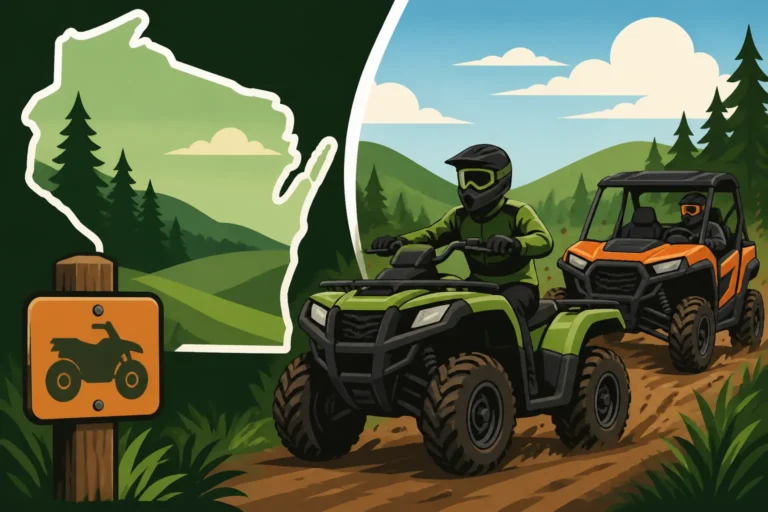
Let's be real, Wisconsin is fantastic for ATV and UTV riding, with hundreds of miles of trails and routes. But that doesn't mean it's a free-for-all everywhere you go. State laws and local ordinances carve out specific places where you can ride. County highways, in particular, often represent a boundary line, not a travel corridor for our machines.
Why Crossing is Different from Riding On
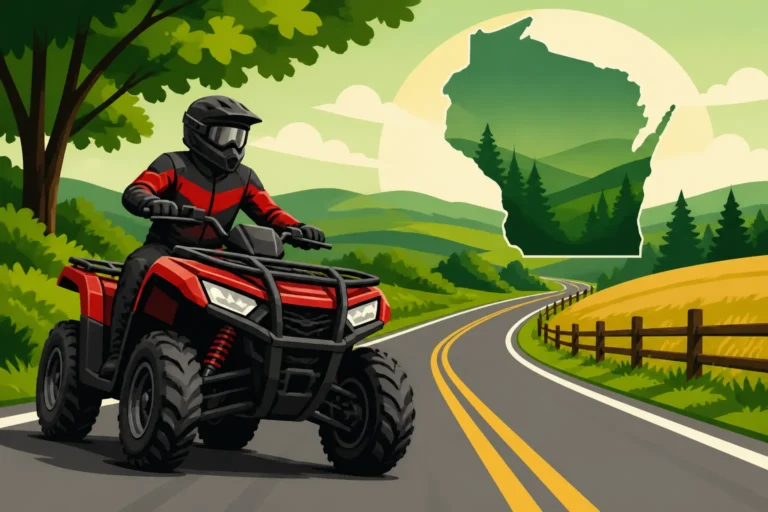
It’s crucial to understand that there’s a world of difference between being on a designated ATV/UTV route (which might include town roads or specific county roads opened by ordinance) and merely crossing a county highway. Most county highways, especially those with higher speed limits or more traffic, are not established routes for ATVs and UTVs. The state's primary concern, and rightly so, is safety for everyone on the road. A fast-moving highway with cars and trucks traveling at 55 mph or more is an entirely different environment than a quiet county forest trail.
Riding your ATV or UTV on a non-designated county highway for any extended period is generally illegal and incredibly dangerous. These machines aren't designed for sustained high-speed road travel, and their size and speed make them very vulnerable to other vehicles. The laws reflect this reality, drawing a clear line where motorized recreation meets faster, heavier road traffic.
What the Law Says About a Quick Dash Across
Thankfully, Wisconsin law does make provisions for crossing county highways when it's necessary to connect two segments of a legal trail or route. However, these aren't casual crossings. The law outlines very specific conditions that you must adhere to for a crossing to be legal. Think of it less as "driving on the road" and more as a highly controlled, momentary transition.
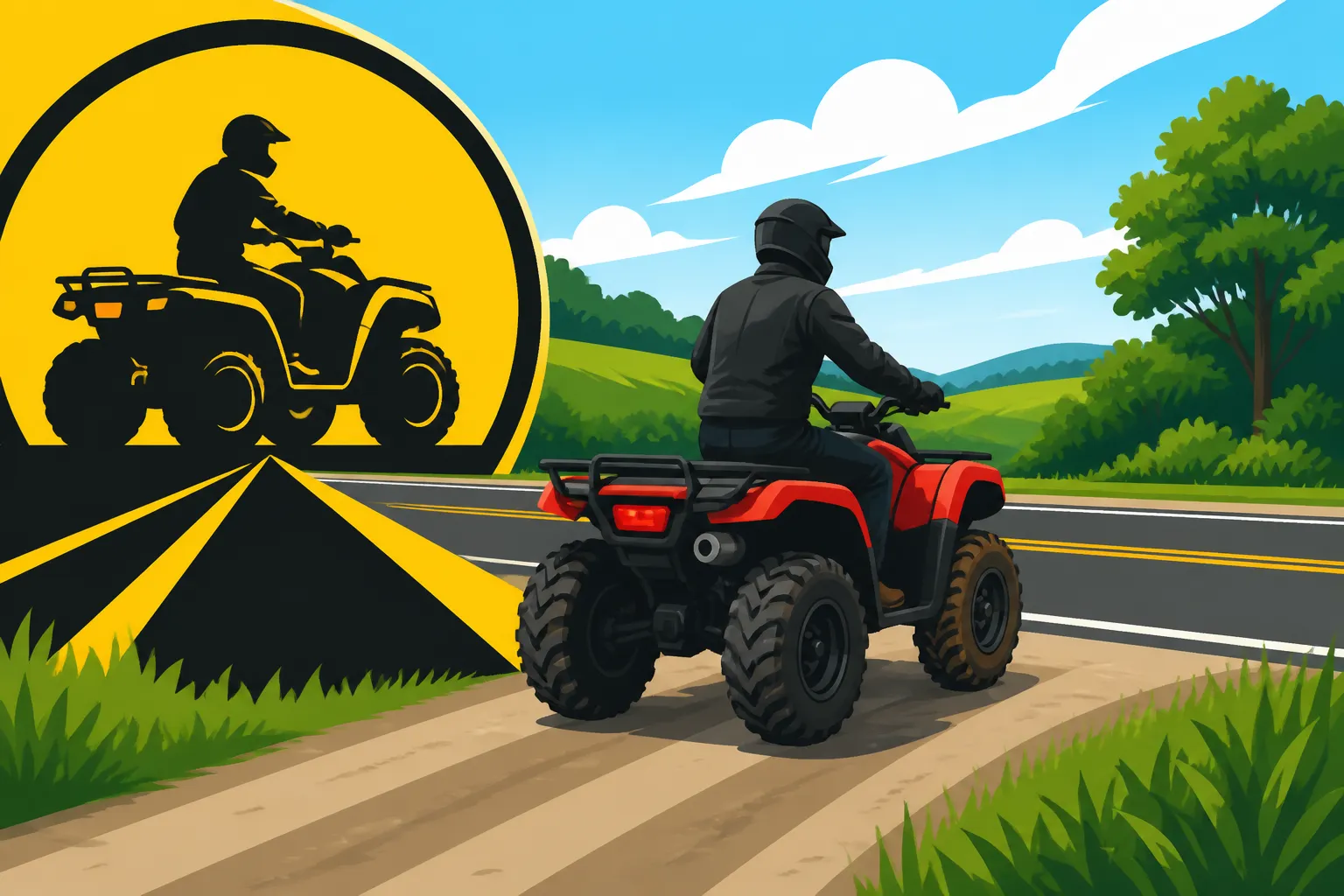
Here's the gist of it: you're generally allowed to cross a county highway at a right angle (the shortest distance) to get from one legal riding area to another. But there are non-negotiable prerequisites. You must come to a complete stop before entering the roadway. Just like a car at a stop sign, you have to yield to all vehicular traffic that is approaching on the highway and constitutes an immediate hazard. This means waiting until the way is truly clear. You can't just zip across; you have to exercise extreme caution and ensure you're not cutting anyone off or forcing them to brake suddenly.
The key phrase here is "shortest distance." You can't ride down the shoulder for a block to find a better crossing point if it means traveling parallel to the highway. The intent of the law is to minimize your time spent on the highway itself, making the crossing as brief and direct as possible. This strict interpretation helps maintain safety for both you and other motorists. For more specifics on what wardens look for, you might want to check out [What a Wisconsin Warden Asks a Rider For].
The Importance of Local Ordinances
While the state provides the foundational rules for crossing, it's absolutely vital to remember that individual counties and even smaller towns can have their own specific ordinances that add layers to these regulations. What might be permissible in one county might have additional stipulations in another. These local rules often dictate where ATV/UTV routes begin and end, and by extension, where crossings might be necessary or even explicitly prohibited.
For example, a county might have a general rule about crossing, but then a specific town within that county might have an ordinance about the hours of operation for ATVs, which could impact when you can legally cross a particular highway within their jurisdiction. Always, always check with the local county forest, DNR office, or town clerk for the most up-to-date and specific ordinances for the area you plan to ride. Signage is your best friend out on the trails, and if you see a sign prohibiting a crossing, it's there for a reason and you need to obey it. This hyper-local approach to rules can feel frustrating, but it's part of how communities manage their unique trail networks and road systems.
Safety First: Minimizing Risk at Highway Crossings
Let’s face it, no matter how legal your crossing is, it’s still the riskiest part of many rides. Highways are designed for speed, and our ATVs and UTVs are much smaller and often slower, making us harder for drivers to spot. This isn't just about avoiding a ticket; it's about getting home safely.
Pre-Crossing Preparation and Awareness
Before you even get close to the pavement, you need to shift your mindset from trail riding to highway awareness. Slow down well in advance. Scan left, scan right, then scan left again. Make eye contact with drivers if at all possible, though often they might not even see you. Look for traffic coming from both directions, including motorcycles and even bicycles that might be sharing the shoulder.
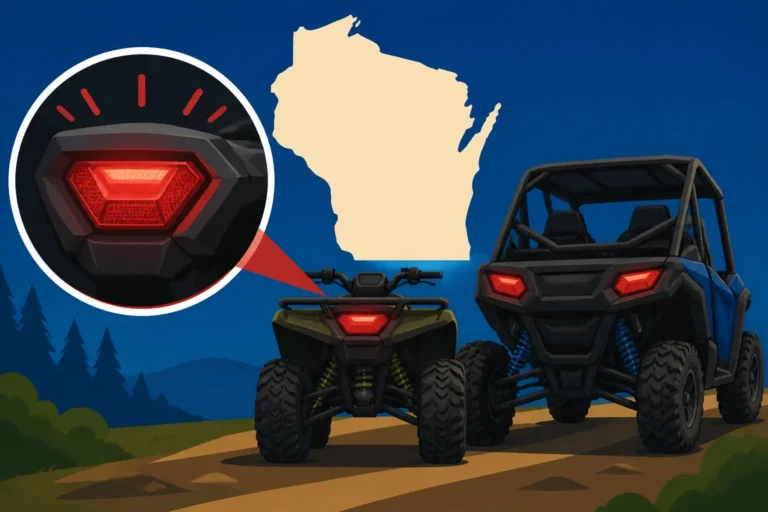
Remember, a driver in a car or truck traveling at 55 mph closes a lot of distance in a short amount of time. Your machine, especially a compact ATV, has a much smaller profile than a car, making it less visible. Wearing bright, high-contrast clothing can significantly improve your visibility to oncoming traffic. Make sure your machine's headlights and taillights are functioning perfectly. Even in broad daylight, having your lights on can make a huge difference in being seen. Using high-quality LED lights, like some of the bright options from SuperATV, can dramatically increase your presence, especially during dawn or dusk rides when visibility is already a challenge.
The Crossing Maneuver Itself
Once you’ve stopped, looked, and confirmed the coast is clear (or clear enough for a safe crossing), execute the maneuver with confidence and decisiveness. Don't creep. Don't hesitate halfway. Accelerate smoothly and cross the highway as directly as possible, maintaining a right angle to the flow of traffic. The goal is to minimize your time exposed to the highway environment.
Avoid any erratic movements, like sudden braking or swerving. If you're in a group, ensure there's enough space between riders for each person to make a safe, independent crossing. The worst thing you can do is get halfway across and then realize you have to stop because the rider in front of you hesitated. It can be tempting to rush, especially if you feel pressure from behind or impatience, but that's precisely when mistakes happen. A safe crossing means waiting for a truly adequate gap in traffic, even if it feels like forever.
Group Riding Considerations
Riding with a group is a blast, but it adds complexity to highway crossings. A large group attempting to cross a busy highway simultaneously can be a recipe for disaster. It's often safer to cross in smaller clusters or even individually, especially on higher-traffic roads.
One effective strategy is to have a designated "spotter" for larger groups. This person, usually the leader, crosses first when safe, then signals to the rest of the group when it’s clear for others to follow. However, even with a spotter, each rider is responsible for their own safety and must verify the road is clear before proceeding. Never blindly follow the rider in front of you across a busy road. The gap they found might not be sufficient for you, or new traffic might have appeared. Waiting for each individual machine, or small groups of two or three at most, to find their own safe window is the most responsible way to handle these intersections.
Equipment and Enforcement: What a Warden Wants to See
When you're out on the trails, you might not always be thinking about road readiness, but a highway crossing is precisely when your machine and your paperwork need to be in order. A Wisconsin DNR warden can and will observe your crossing, and if something's amiss, you could be facing a citation.
Your Machine's Readiness for the Road
While you're not riding on the highway for an extended period, the act of crossing means you're briefly interacting with highway traffic. Therefore, your machine should be in good working order, particularly when it comes to safety equipment. This includes functioning headlights, taillights, and brakes. If you have turn signals, ensure they work, though they might not be strictly required for a direct crossing, they're good practice if your route momentarily involves a short stretch of road.
Consider adding accessories that enhance visibility and awareness. Mirrors, for instance, are invaluable for quickly checking traffic behind you before a crossing, even if not legally mandated for ATVs. Companies like SuperATV offer a range of mirrors and lighting upgrades that can make a real difference in your ability to see and be seen. While you might not need a full suite of "street legal" modifications just to cross a highway, basic functionality for safety is non-negotiable.
What Paperwork to Have on Hand
This is where many riders get caught off guard. You're out in the woods, far from home, and suddenly you're interacting with a warden on a paved road. It's easy to forget those essential documents. Always carry your Wisconsin ATV or UTV registration card with you. This proves your machine is legally registered to operate in the state. [Keeping the Registration Card With the Machine] isn't just a good idea, it's often a requirement when operating on public land or crossing public roads.
Furthermore, if you were born on or after January 1, 1988, you are required to hold a valid ATV safety certificate to operate an ATV or UTV on public trails and routes in Wisconsin. This certificate needs to be with you, too. While an officer can often look up your information, having the physical card or a clear digital copy readily available makes any interaction much smoother. [Wisconsin's ATV Safety Certificate Requirement] is an important one, and wardens do check.
Penalties for Improper Crossing
Failing to follow the rules for crossing a county highway can lead to more than just a stern warning. You could be cited for a number of offenses, ranging from operating an unregistered machine (if your registration isn't current) to more serious violations like reckless operation or operating off a designated route. Fines for such infractions can be substantial, and accumulating multiple tickets could even lead to a suspension of your riding privileges.
Beyond the monetary penalties, there's the much graver risk of an accident. An improper crossing dramatically increases your chances of a collision with a car or truck. The physical and financial consequences of such an event — injuries, machine damage, and potential liability — far outweigh the minor inconvenience of waiting for a clear traffic gap. Don't risk it. Taking an extra minute to ensure a safe and legal crossing is always the best choice. For a broader understanding of what penalties exist, you can review information on [Wisconsin Penalties for Reckless Riding].
Navigating the Network: Beyond Just Crossing
Understanding how to cross a county highway is part of a larger picture of responsible riding in Wisconsin. It's about recognizing the different classifications of roads and trails and knowing where you can and cannot legally operate your machine.
Distinguishing Between County Roads and County Highways
This is a common point of confusion for riders. In Wisconsin, not all roads managed by a county are the same in terms of ATV/UTV access. Some county roads may be officially designated as ATV/UTV routes through local ordinances. These routes will be clearly marked with official signage indicating they are open to ATV/UTV use. You can typically ride on these specific designated county roads.
However, many other county roads, and almost all county highways, are generally not open for sustained ATV/UTV travel. County highways usually serve as more significant arteries, carrying higher volumes of faster traffic. The key is to look for those official, unmistakable signs. If there's no sign explicitly opening it as a route, assume it's closed to through-travel and only cross it if absolutely necessary and permitted by law. Information on [County Roads Wisconsin Towns Can Open] can help you differentiate.
When a Route Requires a Highway Crossing
Sometimes, the ingenious trail systems in Wisconsin are designed in a way that necessitates a county highway crossing to link two otherwise separate segments of a trail or route. This is perfectly normal, but it doesn't change the rules for the crossing itself. When you encounter these situations, the expectation is still that you stop, yield to all traffic, and cross at the nearest right angle to continue on the designated route.
These necessary crossings highlight the importance of planning your ride. Before heading out, especially in a new area, consult county trail maps or online resources (like the DNR's trail finder or apps like onX Offroad) to understand the route. Knowing ahead of time where you'll encounter a highway crossing allows you to prepare mentally and physically for it, rather than being surprised.
Other Road Rules to Keep in Mind
Even though you’re only crossing a highway, it’s a moment of interaction with the broader road network. It’s always good to refresh your memory on general road rules that might apply. For instance, age restrictions for operators and passengers don't disappear just because you're making a quick dash across the pavement. [Wisconsin Rules for Riders Sixteen and Over] cover general operation, and these rules would apply to the operator during any road interaction. Similarly, [Wisconsin Helmet Rules for Riders Under 18] are always in effect for younger riders, regardless of whether they are on a trail or briefly crossing a road.
Be courteous to other road users. Slow down when approaching residences, yield to pedestrians, and maintain a reasonable speed. The impression we make as ATV and UTV riders on the public can influence future trail access and relations with local communities. Safe, responsible, and visible crossings are a big part of being a good ambassador for our sport.
| Aspect | Designated ATV/UTV Route (Town/County Road) | Non-Designated Local Road | County Highway (Crossing Only) |
|---|---|---|---|
| Primary Use | Permitted for ATV/UTV travel | Generally closed to ATVs/UTVs | Restricted to perpendicular crossing |
| Signage | Clearly marked as open | No ATV/UTV signs | Crossing signs may indicate connection points |
| Speed Limit | Often posted, typically lower | Posted for cars/trucks | Higher for cars/trucks |
| Stopping Before Entry | Not always required (unless stop sign) | Not applicable | ALWAYS required |
| Yielding to Traffic | As per standard road rules | Not applicable | ALWAYS yield to all traffic |
| Visibility Requirement | Good visibility is key | Not applicable | EXTREME visibility is crucial |
| Legal Documentation | Required (registration, safety certificate) | Not applicable | Required |
| Risk Level | Moderate, depends on traffic/conditions | Not applicable | High |
Disclaimer
This article is for general informational purposes only and does not constitute professional advice. Laws, prices and regulations vary by location and change over time. Consult a qualified professional for guidance on your specific situation.