Riding an ATV on a Wisconsin Road Route
It's an amazing feeling to finally get that new ATV or UTV, or maybe you've had one for years, but navigating where you can actually ride it on Wisconsin's roads can feel like trying to solve a complicated puzzle. Many riders get frustrated, unsure if they're breaking the law by simply trying to get from one trail segment to another or grab a bite in a small town. This comprehensive guide is designed to cut through that confusion, helping you understand the nuances of Wisconsin's road route system so you can ride confidently and legally.
Understanding Wisconsin's ATV Road Route System
Wisconsin has truly embraced the ATV and UTV community, and part of that acceptance has come through the establishment of designated road routes. These aren't just random stretches of pavement; they're carefully considered connections designed to enhance your riding experience, allowing you to access services, link trails, and explore communities. Understanding how these routes come to be, what they actually entail, and how they're marked is the first step toward a worry-free ride.
How a Wisconsin Town Opens an ATV Route
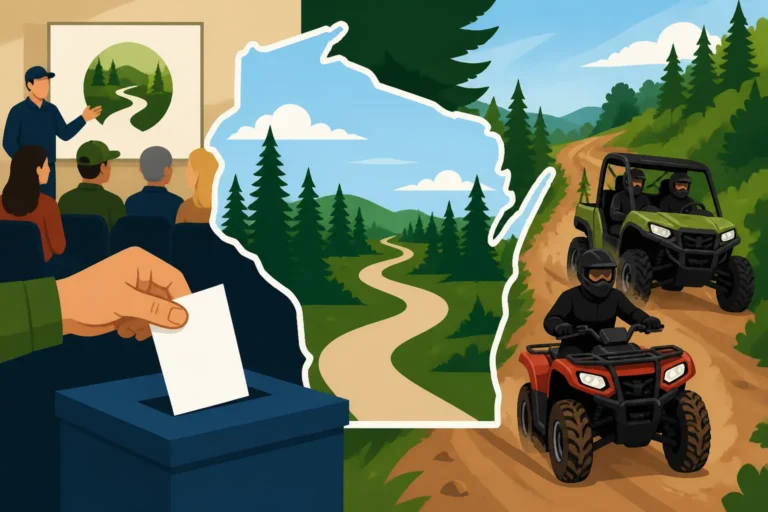
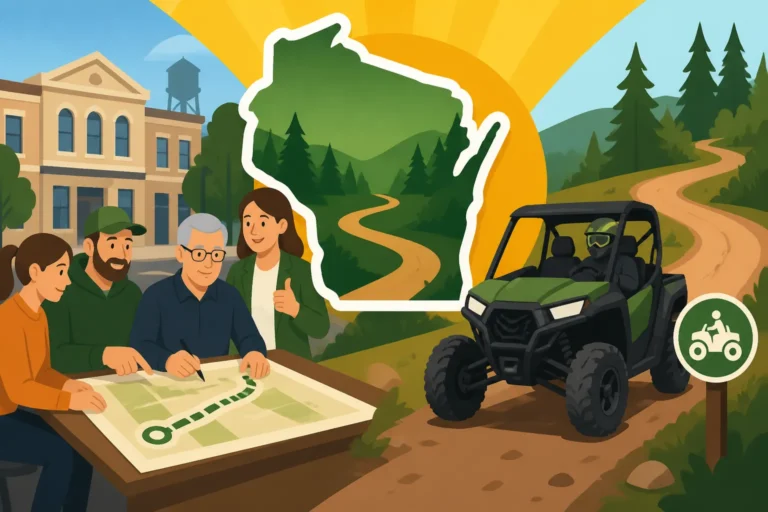
It's not as simple as a town board just deciding, "Hey, let's open this street to ATVs!" There's a formal process involved, driven by local initiative and state guidelines. Typically, a town, village, or city in Wisconsin will consider opening roads to ATV and UTV traffic based on citizen requests, a desire to boost local tourism, or to complete a crucial link in a wider trail system. The process often involves public hearings, where residents can voice their opinions, concerns, and support. The local governing body, whether it's a town board or city council, then votes on an ordinance to designate specific roads or segments of roads as ATV/UTV routes. This ordinance outlines things like hours of operation, speed limits, and any specific local requirements. Once passed, the ordinance defines the local rules, but it still has to conform to broader state regulations. This local autonomy means that what's legal in one town might have slightly different stipulations in another, which can be a source of confusion for riders moving between communities. Riders often have to stay informed about these subtle local variations, sometimes by checking municipal websites or local signage. For a deeper dive into this process, check out [How a Wisconsin Town Opens an ATV Route].
What a Wisconsin ATV Route Actually Is
A "road route" in Wisconsin isn't just any road. It's a specific, designated roadway or portion of a roadway, usually owned and maintained by a municipality or county, that has been opened for ATV and UTV use through an official local ordinance. This means you can't just pick any paved or gravel road and assume you can ride your machine on it. These routes are typically established to connect existing ATV trails, provide access to services like gas stations, restaurants, or lodging, or allow riders to cross a critical piece of land that isn't part of a formal trail. They are distinct from actual ATV trails, which are typically off-road paths designed purely for recreational riding. Road routes are shared spaces with other vehicles, meaning you'll encounter cars, trucks, and possibly even farm equipment. This sharing of the road requires vigilance and adherence to traffic laws that might feel different from typical trail riding. The purpose of these routes is to facilitate access and connectivity, making the overall riding experience more seamless and enjoyable, rather than creating new recreational riding areas themselves. Many riders appreciate these routes, as they transform what might otherwise be dead ends into continuous adventures. To understand the exact definition, you might find [What a Wisconsin ATV Route Actually Is] helpful.
Route Signage Standards in Wisconsin
You'll know you're on a designated ATV or UTV road route by the signage. Wisconsin has specific standards for these signs to ensure clarity and consistency for riders and other motorists. Typically, you'll see green and white signs, often with an ATV or UTV pictogram and an arrow indicating the direction of the route. These signs are crucial because they clearly mark where you can and cannot ride your machine. Without proper signage, a road is generally considered closed to ATV/UTV traffic, even if it looks like it should be open. Local municipalities are responsible for installing and maintaining these signs according to Wisconsin DNR guidelines. It's not uncommon to see these signs at intersections, where a route begins or ends, or at points where the route changes direction. Sometimes, additional signs might indicate specific local rules, like "Open Dawn to Dusk" or specific speed limits that differ from the posted vehicular speed limit. Always keep an eye out for these signs, as they are your official guide to legal riding on public roads. Ignoring them can lead to tickets and unsafe situations, so consider them your roadmap for responsible route riding.
Legal Requirements for Riding on Wisconsin Road Routes
Riding on Wisconsin's designated road routes comes with a set of legal obligations that are different from those on private land or even on dedicated trails. These requirements are in place to ensure safety for everyone sharing the road and to keep operations smooth for law enforcement. If you want to ride confidently, knowing you’re in the clear, understanding your registration, insurance, and licensing duties is paramount.
Wisconsin ATV Registration Explained
Before you even think about hitting a road route, your ATV or UTV needs to be properly registered with the Wisconsin DNR. This isn't just a suggestion; it's a legal requirement for riding on any public land or designated route. Wisconsin offers different types of registration, but for public use, you'll generally need a "Public Use" registration. This is distinct from a private use registration, which is only for machines that never leave your own property. The public use registration allows you to operate your machine on public trails, frozen waterways, and, crucially, on designated ATV/UTV road routes. It involves a fee and provides you with a registration certificate and decals that must be properly displayed on your machine. Without current, valid registration, you could face penalties and fines if stopped by law enforcement. It’s important to understand that registration is about proving your machine is legally allowed to be on public access areas, not necessarily about proving ownership, although the registration process will ask for proof of ownership. Make sure you keep your registration card with you when you ride, as wardens and local police will often ask to see it. For a comprehensive overview of how to get your machine registered, consult [Wisconsin DNR ATV Registration Explained].
Wisconsin ATV Insurance Cost
While Wisconsin state law doesn't mandate liability insurance for ATVs and UTVs on state trails or public routes, many municipalities do require it through local ordinances if you're riding on their designated road routes. This is where it gets a little tricky, and it's a crucial point to check for each specific town or county you plan to ride through. Even where it's not strictly required by law, having ATV/UTV insurance is just plain smart. Think about it: if you're involved in an accident with a car on a road route, even if it's not your fault, the costs associated with property damage or personal injury can be astronomical. A basic liability policy can offer protection in such scenarios, helping to cover damages to other vehicles or medical expenses if someone else is injured. The cost of ATV insurance varies widely depending on factors like the type and age of your machine, where you live, your driving record, and the coverage limits you choose. Some riders find they can add their ATV or UTV to an existing auto or homeowner's policy, while others opt for a standalone policy. It's always a good idea to get quotes from several providers and understand what each policy covers. While the state doesn't universally demand it, many responsible riders wouldn't hit a public route without it. To learn more about this, including the factors influencing pricing, look up [Wisconsin ATV Insurance Cost].
Driver's License Rules Some Wisconsin Towns Add
This is another area where local ordinances can diverge, creating potential headaches for riders. While Wisconsin state law doesn't generally require an ATV or UTV operator to hold a valid driver's license to ride on a trail or a designated road route, some local municipalities do add this requirement. This means that in one town, a 16-year-old with an ATV safety certificate might be able to ride a route, but in an adjacent town, they might need a valid driver's license too. It's incredibly frustrating for riders who just want to enjoy the trails and local connections without constant worry. Always check the specific ordinance of the town, village, or city where you plan to ride. This information is usually available on the municipality's website or at the local town hall. These local rules are often implemented for public safety concerns, especially on routes that see higher traffic volumes or pass through busy commercial areas. Not having the required license, even if it's a local rule, can result in a citation. It's a prime example of why being informed about local ordinances is as important as knowing the state laws.
Navigating Wisconsin's Road Route Rules for Different Age Groups
Wisconsin has a robust system of rules regarding who can operate an ATV or UTV, especially when it comes to age. These regulations become even more specific and critical when you venture onto designated road routes, which share space with other vehicles and pedestrians. Understanding these age-based rules is crucial not just for legal compliance, but for ensuring the safety of younger riders and the public.
Wisconsin's Rule for Riders Aged 12 to 15
For our younger riders aged 12 to 15, there are specific guidelines that must be followed when operating an ATV or UTV on a Wisconsin road route. First and foremost, any rider in this age group must possess a valid ATV or UTV safety certificate. This certificate demonstrates that they've completed an approved safety course and understand the basic rules of operation and safety. Secondly, and critically for road routes, riders aged 12 to 15 must be accompanied by an adult over 18 years old. This adult must also be operating an ATV or UTV and must be a parent or guardian, or someone authorized by a parent or guardian. This isn't just about riding together; it's about active supervision. The adult is responsible for ensuring the younger rider is operating their machine safely and legally. This rule highlights Wisconsin's emphasis on safety and responsible riding, particularly for minors who might be new to operating these powerful machines in a shared road environment. Furthermore, riders in this age group are generally restricted from operating UTVs on road routes, with state law reserving UTV operation for riders 16 and older. For comprehensive information about these specific age rules, including safety certificate requirements, you'll want to review [Wisconsin's Rule for Riders Aged 12 to 15].
Wisconsin Rules for Riders Sixteen and Over
Once a rider turns 16, some of the stricter supervision requirements ease up, but important rules still apply when riding an ATV or UTV on a Wisconsin road route. For starters, a rider aged 16 or older must still possess a valid ATV or UTV safety certificate if they were born on or after January 1, 1988. If they were born before that date, the safety certificate is not required, though it's always recommended for anyone operating these machines. The key difference for this age group is that they can generally operate an ATV or UTV on designated road routes without adult supervision. This opens up a lot more freedom for solo rides or group trips with peers. However, even for experienced adult riders, all other road route rules apply: adherence to speed limits, traffic laws, operating hours, and any specific local ordinances. It's easy to get complacent, especially if you're an experienced off-road rider, but remember that a road route is a shared space. The responsibility for safe operation, respecting other vehicles, and following all posted signs falls squarely on the operator. This age threshold marks a significant step in a rider's journey, granting more independence but also demanding a higher degree of personal responsibility.
Why UTVs Are Treated Differently on Routes
You might notice that UTVs (Utility Terrain Vehicles), or side-by-sides, sometimes have slightly different rules or are restricted in ways that ATVs are not, especially concerning age and specific routes. While many road routes are open to both ATVs and UTVs, there are nuances. One primary reason for the difference in treatment boils down to size, weight, and passenger capacity. UTVs are generally larger, heavier, and designed to carry multiple passengers, making their operation on shared roadways a greater concern for some municipalities. As mentioned, Wisconsin state law often restricts UTV operation on public lands and routes to operators aged 16 and older, regardless of safety certification, whereas ATVs can sometimes be operated by 12 to 15-year-olds with supervision and certification. Additionally, some older or narrower road routes might have specific width restrictions that could exclude certain wider UTV models, even if they're otherwise permitted. Local ordinances might also specifically list which types of machines are allowed, sometimes omitting UTVs entirely or adding extra stipulations. While the trend is certainly toward more UTV access, it's vital for UTV owners to double-check local rules, especially concerning age restrictions for drivers and the specific dimensions of their machines. Don't assume that if an ATV can go, your UTV automatically can too.
Safety Gear and Equipment Standards for Road Routes
Riding an ATV or UTV on designated road routes in Wisconsin means interacting with traditional vehicle traffic, pedestrians, and often higher speeds than you'd find on a typical trail. Because of this, ensuring your machine is properly equipped and that you, as the rider, are using appropriate safety gear is not just a good idea—it's often the law. These standards are designed to protect you and make your machine visible and audible to others.
Wisconsin Helmet Rules for Riders Under 18
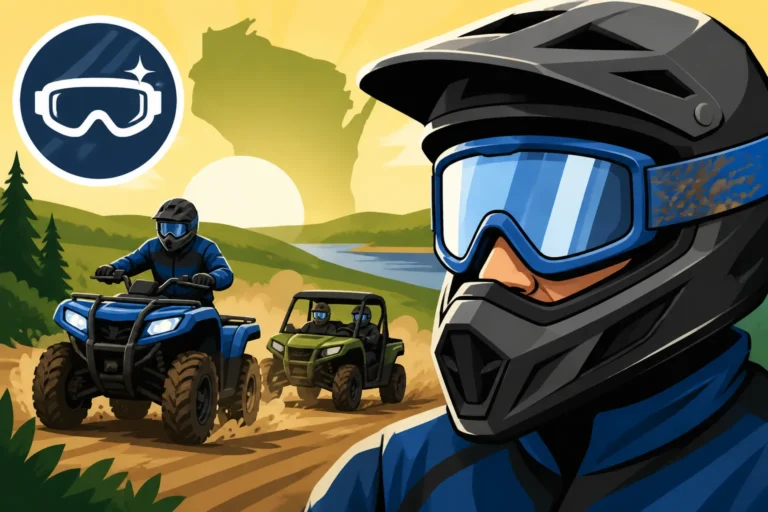
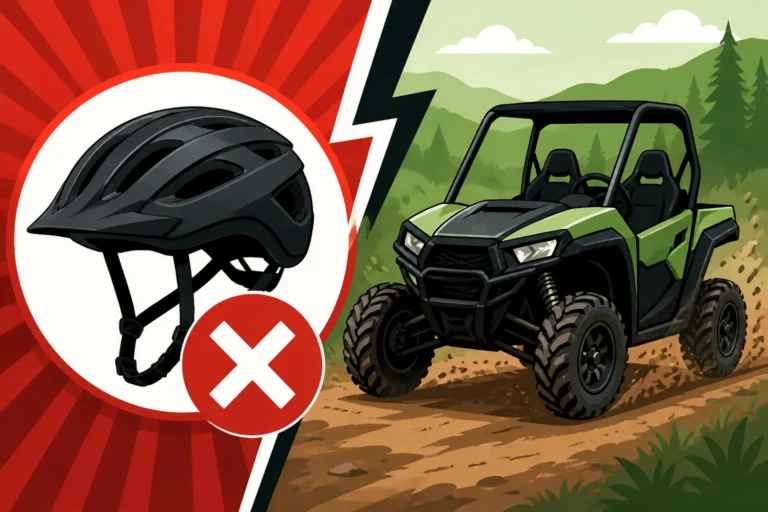
Wisconsin has clear rules regarding helmet use, especially for younger riders, and these rules extend to designated road routes. Any person operating or riding as a passenger on an ATV or UTV who is under the age of 18 must wear a protective helmet. This isn't optional; it's a mandatory safety requirement. The helmet must be a U.S. DOT (Department of Transportation) approved helmet, designed for motorized vehicle use, not a bicycle helmet or a construction hard hat. This rule is in place because head injuries are among the most severe and preventable injuries in ATV/UTV accidents. On a road route, where the potential for collision with other vehicles is higher, a helmet provides a critical layer of protection. For adult riders (18 and over), helmet use is not legally mandated, but it is always, always highly recommended. Many experienced riders will tell you that even a low-speed tip-over can result in serious injury without a helmet. Make sure any youth riders in your group are properly equipped before hitting those routes. For more detailed information on helmet regulations, especially for youth, check out [Wisconsin Helmet Rules for Riders Under 18].
Lighting Rules for Wisconsin Night Riding
If your route riding extends into dusk or after dark, your machine's lighting becomes a critical safety component. Wisconsin law is very specific: if you're operating your ATV or UTV on a designated road route (or any public trail or frozen waterway) between the hours of one-half hour after sunset and one-half hour before sunrise, you must have working headlights and taillights. Your headlights must be on and visible for a certain distance, and your taillights must be red and visible from the rear. This isn't just about seeing where you're going; it's primarily about being seen by other drivers. Many ATVs and UTVs come equipped with factory lighting that meets these standards, but it's crucial to ensure they are clean, functional, and properly aimed. If you've modified your machine with aftermarket lights, double-check that they comply with state visibility requirements and aren't overly bright or improperly colored, which could confuse other motorists. Products from brands like SuperATV offer a range of auxiliary lighting options, but always ensure they are installed and used in compliance with Wisconsin law. Riding after dark without proper illumination is incredibly dangerous and will almost certainly result in a citation. Your visibility is your primary defense against accidents in low-light conditions. For a deeper dive into these requirements, see [Lighting Rules for Wisconsin Night Riding].
The 96-Decibel Sound Test in Wisconsin
Noise pollution is a significant concern for many communities, and Wisconsin has regulations to keep ATV and UTV noise levels in check, particularly when operating on public lands and road routes. The rule is simple in principle: no ATV or UTV shall be operated on public lands or road routes if it produces a sound level exceeding 96 decibels (dB) on the A scale, when measured at a distance of 20 inches from the exhaust outlet, with the engine at a steady engine speed. This can be a real point of contention for riders who have installed aftermarket exhaust systems, which are often louder than factory setups. While some riders love the throaty roar of a performance exhaust, many communities (and wardens) don't. The 96 dB limit is designed to strike a balance between allowing machines to operate and minimizing disturbance to residents along the routes and trails. If your machine sounds excessively loud, you might be subject to a sound test by law enforcement, and if it fails, you could face fines. It's always best to ensure your exhaust system meets these standards, especially if you plan to frequent road routes. Even high-quality aftermarket systems like some offered by SuperATV will specify their sound levels, and it's up to the owner to ensure compliance. Quiet riding is respectful riding, and it helps maintain positive relationships with the communities that host these routes. For precise details on the sound test, you might want to read [The 96-Decibel Sound Test in Wisconsin].
Interacting with Local Ordinances and Enforcement
Riding on Wisconsin's road routes isn't just about following state law; it also requires an understanding of the specific rules put in place by the towns, villages, and cities themselves. These local ordinances can add layers of complexity, and misunderstanding them can quickly turn a fun ride into a frustrating encounter with law enforcement. Being prepared means knowing what to look for and how wardens and local police operate.
Municipal Ordinances Wisconsin Riders Must Read
As we've touched on, while the state sets the overarching framework for ATV and UTV use, local municipalities have the authority to establish additional regulations for their specific road routes. This means that a route in Eagle River might have different operating hours, speed limits, or even driver's license requirements than a route in St. Germain, even if they're in the same county. These municipal ordinances are crucial because they dictate the fine print of where and when you can ride within that specific town's boundaries. They often cover aspects like approved hours of operation (e.g., "Dawn to Dusk" or specific time windows), local speed limits that might be lower than the posted vehicle speed, requirements for liability insurance, or even specific restrictions on certain types of machines. It's the rider's responsibility to research these local rules before embarking on a ride. Ignorance of an ordinance is not a valid defense if you're cited. Many towns publish their ordinances on their official websites, and local DNR offices or tourism bureaus can also be helpful resources. Taking a few minutes to check these details can save you a lot of hassle and potential fines, allowing you to enjoy your ride without worry. For more on this, consider the insights in [Municipal Ordinances Wisconsin Riders Must Read].
Wisconsin Alcohol Limits for ATV Operators
Just like operating a car or boat, operating an ATV or UTV on a public road route (or any public land) in Wisconsin while under the influence of alcohol or drugs is strictly prohibited and carries severe penalties. The legal limit for blood alcohol concentration (BAC) for ATV/UTV operators is the same as for motor vehicle drivers: 0.08%. For operators under 21, there's a zero-tolerance policy, meaning any detectable amount of alcohol can lead to a citation. An OWI (Operating While Intoxicated) on an ATV or UTV is a serious offense, not just a slap on the wrist. It can lead to substantial fines, loss of riding privileges, mandatory alcohol assessment, and even jail time, depending on the number of prior offenses. It's critical to understand that these laws are enforced just as rigorously on a quiet gravel road route as they are on a state highway. The combination of alcohol and operating an ATV or UTV is incredibly dangerous, impairing judgment, reaction time, and coordination, all of which are essential for safe operation, especially when sharing roads with other traffic. When you're out enjoying Wisconsin's beautiful routes, save the celebratory drinks for after your ride is safely parked for the day. For detailed information on this topic, refer to [Wisconsin Alcohol Limits for ATV Operators].
Warden Enforcement on Wisconsin Routes
You might encounter more than just local police when riding Wisconsin's road routes; Wisconsin DNR wardens also have jurisdiction and actively patrol these areas. Wardens are highly trained and familiar with all aspects of ATV and UTV law, from registration and safety certification to equipment standards and local ordinances. They're on the routes to ensure compliance and promote safe riding practices. When a warden or any law enforcement officer stops you, it's crucial to cooperate fully, much like you would in a motor vehicle stop. Keep your hands visible, turn off your engine, and provide your registration, safety certificate, and any other requested documentation promptly. They'll be looking for things like proper registration decals, helmets on youth riders, legal exhaust noise, and adherence to operating hours or speed limits. They're also vigilant for signs of impaired operation. While their presence is primarily for enforcement, they are also a valuable resource for answering questions about local regulations or trail conditions. A positive interaction with a warden often stems from being prepared and compliant. Their goal is to keep everyone safe, and by following the rules, you contribute to that goal and help ensure the continued access to these valuable routes.
Planning Your Ride: Logistics and Etiquette on Wisconsin Road Routes
Hitting the road routes in Wisconsin offers a unique way to experience the state's natural beauty and charming small towns. However, it's not quite the same as riding a remote trail. Planning your ride involves understanding how to navigate these mixed-use environments, interact respectfully with local communities, and share the road safely with other users. A little forethought goes a long way in ensuring a smooth and enjoyable trip.
Riding Into a Wisconsin Trail Town
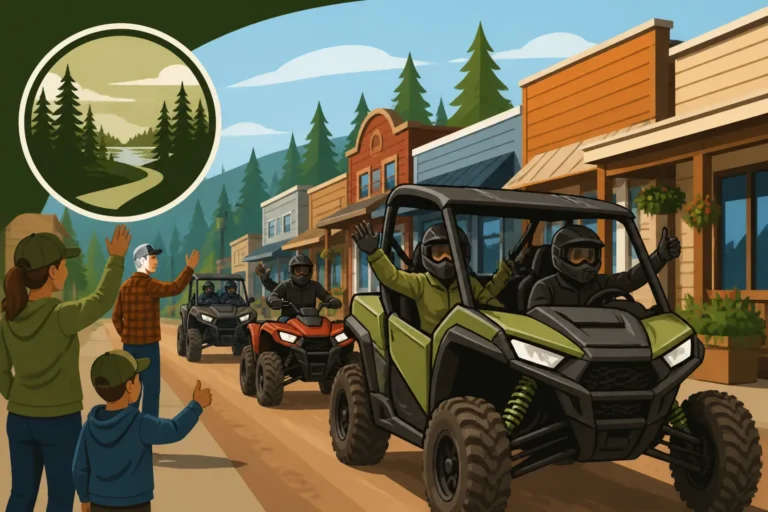
One of the great joys of Wisconsin's road route system is the ability to ride your ATV or UTV directly into a "trail town" – a community that embraces off-road vehicle tourism. These towns often have specific infrastructure and welcoming attitudes, but it's important to remember you're still in a populated area. When riding into a trail town, dial back your speed, be extra vigilant for pedestrians, children, and pets, and always follow posted speed limits (which are often lower for ATVs/UTVs than for cars). Stay on the designated routes, which are usually marked with clear signage right into town. Don't be tempted to take shortcuts down side streets or through private property, even if it looks like an easy path. It’s also important to be mindful of noise levels, especially if your machine has an aftermarket exhaust system. A loud machine rumbling through a quiet residential street can quickly generate complaints and potentially lead to stricter local ordinances or even route closures. Riding respectfully and courteously helps maintain the positive relationship between riders and the communities that open their roads to us, preserving access for everyone. Remember, you're an ambassador for the entire riding community. When planning your ride, think about [Riding Into a Wisconsin Trail Town].
Sharing a Route With Farm Equipment
Many of Wisconsin's ATV and UTV road routes, especially in rural areas, run through agricultural lands. This means you will very likely encounter farm equipment – tractors, combines, sprayers, and other large machinery. These vehicles are slow, wide, and often require a lot of road space. When you come across farm equipment, exercise extreme caution and patience. Never assume the operator has seen you; their visibility can be limited, especially to the rear. Give them plenty of room, slow down, and be prepared to stop. Only pass when it's safe, legal, and there's ample clear road ahead. Often, it's best to simply wait behind them until they turn off the road or you reach a safe passing zone. Remember that farm equipment can often drop dirt or debris on the road, so be aware of changing surface conditions. These routes are vital arteries for farmers to move between fields and properties, and showing respect for their operations is paramount. Your machine might be a powerful off-road vehicle, but it's no match for a tractor. Showing courtesy to farmers helps ensure they continue to be supportive of shared road access.
Parking an ATV Outside a Wisconsin Tavern
After a long day of riding, there's nothing quite like pulling into a welcoming tavern or restaurant in a trail town for some food and refreshment. However, parking your ATV or UTV in town requires the same courtesy and adherence to rules as riding. Don't just pull up and park anywhere you please. Look for designated ATV/UTV parking areas, if available, or utilize standard parking spots that don't block traffic, access to other businesses, or sidewalks. Never park on private property without explicit permission. Be mindful of how many machines are in your group; a large convoy of ATVs parked haphazardly can quickly overwhelm a small town's parking capacity and create a nuisance for other patrons or businesses. When parking, ensure your machine is off and secured. Just as important: remember the rules about alcohol consumption. If you plan to have alcoholic beverages, make sure your machine is parked for the duration and you have a designated sober driver, or you've made arrangements for alternative transportation back to your lodging. Enjoying the local hospitality is part of the experience, but doing so responsibly ensures these establishments continue to welcome riders. If you're wondering about local nuances, you might find [Parking an ATV Outside a Wisconsin Tavern] interesting.
Common Misconceptions and Troubleshooting for Wisconsin Road Routes
Even with all the information available, there are still some common misunderstandings and challenges riders face when navigating Wisconsin's ATV and UTV road routes. Clarifying these points can save you from unnecessary fines, unsafe situations, or just plain confusion. It's about empowering you to make informed decisions on every ride.
Can You Ride a Wisconsin State Highway?
This is perhaps one of the most persistent misconceptions: the idea that you can ride an ATV or UTV on a Wisconsin state highway. The answer is a resounding NO. Wisconsin state law explicitly prohibits the operation of ATVs and UTVs on state trunk highways (marked with a WIS or US highway shield) and interstate highways, except for crossing purposes. Even if a local ordinance designates a town road as an ATV route, that designation cannot override state law regarding state highways. It's a fundamental safety issue, as state highways have higher speed limits, heavier traffic, and are simply not designed for the characteristics of off-road vehicles. Violating this rule is not only extremely dangerous but will almost certainly lead to a significant citation. This prohibition often causes frustration when a state highway forms a barrier between two otherwise accessible trail or route segments. However, the rule is clear and unwavering. Always stick to county and town roads that have been officially designated as routes. For clear clarification, refer to [Can You Ride a Wisconsin State Highway?].
Crossing a Wisconsin Highway Safely
While you generally can't ride on a state highway, Wisconsin law does allow for crossing one under very specific conditions when operating on an authorized ATV or UTV route. This is a critical point that riders often misunderstand. A crossing must be made at an intersection with a public road, and you must make the crossing directly and at a right angle to the highway. You must yield to all vehicular traffic on the highway and stop before proceeding. This is not an opportunity to ride a short segment of the highway to bypass a tricky section; it's a quick, perpendicular transit from one authorized route segment to another. Before you cross, scan both directions multiple times, even if you have a green light or the path seems clear. Remember, drivers on highways are often traveling at high speeds and may not expect to see an ATV or UTV crossing their path. Take your time, be decisive, and make eye contact with any approaching drivers if possible. Safety is paramount here; a highway crossing is one of the riskiest maneuvers an ATV/UTV rider will make on a road route. Never assume you have the right of way. Prioritize extreme caution to ensure a safe crossing.
Wisconsin Fines for Illegal Road Riding
Operating an ATV or UTV illegally on Wisconsin's roads, whether it's on a non-designated road, an expired registration, or violating a local ordinance, carries real consequences in the form of fines and penalties. These aren't minor infractions; they can be substantial and quickly add up. Fines vary depending on the specific violation, but common citations can include operating an unregistered machine, failing to wear a helmet (for those under 18), operating outside of designated hours, exceeding speed limits, or riding on prohibited roadways like state highways. Beyond the monetary penalties, serious or repeated offenses can lead to suspension of riding privileges or even impoundment of your machine. Furthermore, if an incident occurs while you're operating illegally, your insurance coverage (if you have it) might be voided, leaving you personally liable for damages. Law enforcement, including DNR wardens and local police, actively patrol road routes and other areas. Their presence is not just for recreation; it's for enforcement. The best way to avoid these frustrating and costly penalties is simple: know the rules, follow the signs, and ride legally. A small amount of preparation can save you a large sum of money and a lot of headaches. For more information on potential penalties, consult [Wisconsin Fines for Illegal Road Riding].
Here’s a quick overview of some key rules for riding on Wisconsin ATV/UTV Road Routes:
| Rule Category | Applies To | General Requirement | Key Exception/Nuance |
|---|---|---|---|
| Registration | All Machines | Valid Wisconsin Public Use ATV/UTV registration required with current decals displayed. | Private Use registration is NOT valid for road routes. Out-of-state machines need a [Wisconsin Registration for an Out-of-State Machine] or non-resident trail pass (though pass alone doesn't cover routes if not registered for public use elsewhere). |
| Safety Certificate | Riders Born On/After Jan 1, 1988 | Must possess a valid Wisconsin ATV/UTV safety certificate. | Not required for riders born before Jan 1, 1988. |
| Age Limit (ATV) | 12-15 Years Old | Must have a safety certificate AND be accompanied by a parent/guardian (or authorized adult over 18) also operating an ATV/UTV. | Can operate on routes under supervision. |
| Age Limit (UTV) | Under 16 Years Old | Generally NOT allowed to operate a UTV on road routes. | UTV operation on routes is typically restricted to riders 16 and older, even with a safety certificate. |
| Helmet Use | Riders & Passengers Under 18 | Mandatory U.S. DOT-approved helmet. | Adults 18+ are not legally required to wear a helmet, but it's strongly recommended. |
| Lighting | Night/Low Light Riding | Headlights and taillights must be on and functional (one-half hour after sunset to one-half hour before sunrise). | Always ensure your lights are clean and visible. |
| Noise Limit | All Machines | Must not exceed 96 decibels (A scale) at 20 inches from exhaust. | Aftermarket exhaust systems are often louder than factory; check compliance. |
| Alcohol/Drugs | All Operators | Operating While Intoxicated (OWI) laws apply. Legal BAC limit 0.08%; zero tolerance for under 21. | Penalties are severe and mirror those for motor vehicles. |
| Designation | All Roads | Must only ride on roads officially designated as ATV/UTV routes by local ordinance and clearly marked with signage. | Cannot ride on state highways (WIS/US routes) or interstates, except for direct perpendicular crossings at intersections. |
| Local Ordinances | All Routes | Must adhere to specific rules set by the local municipality (e.g., hours of operation, local speed limits, specific insurance requirements). | Always check the specific rules for each town/village/city you plan to ride through, as they can vary. Some might, for example, have Municipal Insurance Requirements in Wisconsin. |
Disclaimer
This article is for general informational purposes only and does not constitute professional advice. Laws, prices and regulations vary by location and change over time. Consult a qualified professional for guidance on your specific situation.