Wisconsin Helmet Standards and Bicycle Helmets
There's a common misconception out there, especially for folks new to the Wisconsin ATV and UTV scene, about what kind of helmet actually cuts it when you're out on the trails or designated routes. Many riders, particularly those coming from a cycling background, might look at their trusty bike helmet and think, "Hey, this protects my head, right?" But here's the thing: a bicycle helmet, no matter how fancy or expensive, simply isn't designed to withstand the types of impacts you can encounter when operating a powerful off-road machine. This guide is going to clear up that confusion, explain the critical differences in helmet standards, and help you understand exactly what Wisconsin law requires to keep you safe and legal on your adventures.
The Critical Difference: Why All Helmets Aren't Equal
It's easy to assume that if a helmet protects your head, it's good enough for any activity. After all, a helmet is a helmet, right? Well, not quite. The truth is, different sports and activities come with different risks, different speeds, and different types of potential impacts. A helmet designed for a bicycle ride down a paved path is engineered for a completely different set of forces than one built to protect you in a high-speed ATV rollover or a collision with a tree limb on a rugged trail. This fundamental difference is crucial, and it’s why understanding the specific certifications is so important for ATV and UTV riders.
Understanding DOT Certification: What It Means for Your Ride
When you're looking at helmets for your ATV or UTV, the absolute first thing you need to look for is a "DOT" certification sticker. This isn't just a suggestion; it's a legal requirement in many situations and, more importantly, a vital safety standard. DOT stands for the U.S. Department of Transportation, and their certification means a helmet has met stringent safety standards designed to protect against severe head injuries in crashes involving motorized vehicles.
These standards are comprehensive, covering everything from impact absorption and penetration resistance to chin strap integrity and peripheral vision. DOT-certified helmets are constructed with multiple layers: a hard outer shell, often made of polycarbonate, fiberglass, or carbon fiber, designed to distribute impact forces; an impact-absorbing liner, usually made of expanded polystyrene (EPS) foam, which crushes on impact to dissipate energy; and a comfortable inner padding for fit and sweat wicking. The testing process for DOT certification involves dropping helmets from specific heights onto different surfaces, measuring how much force is transferred to a simulated head. It’s about ensuring that in a crash, the helmet significantly reduces the risk of a traumatic brain injury by absorbing and spreading the energy of the impact, rather than transmitting it directly to your skull. This level of protection is precisely what you need when you're traveling at higher speeds, navigating challenging terrain, or facing the risk of impact with solid objects.
The Anatomy of a Bicycle Helmet: Designed for Different Impacts
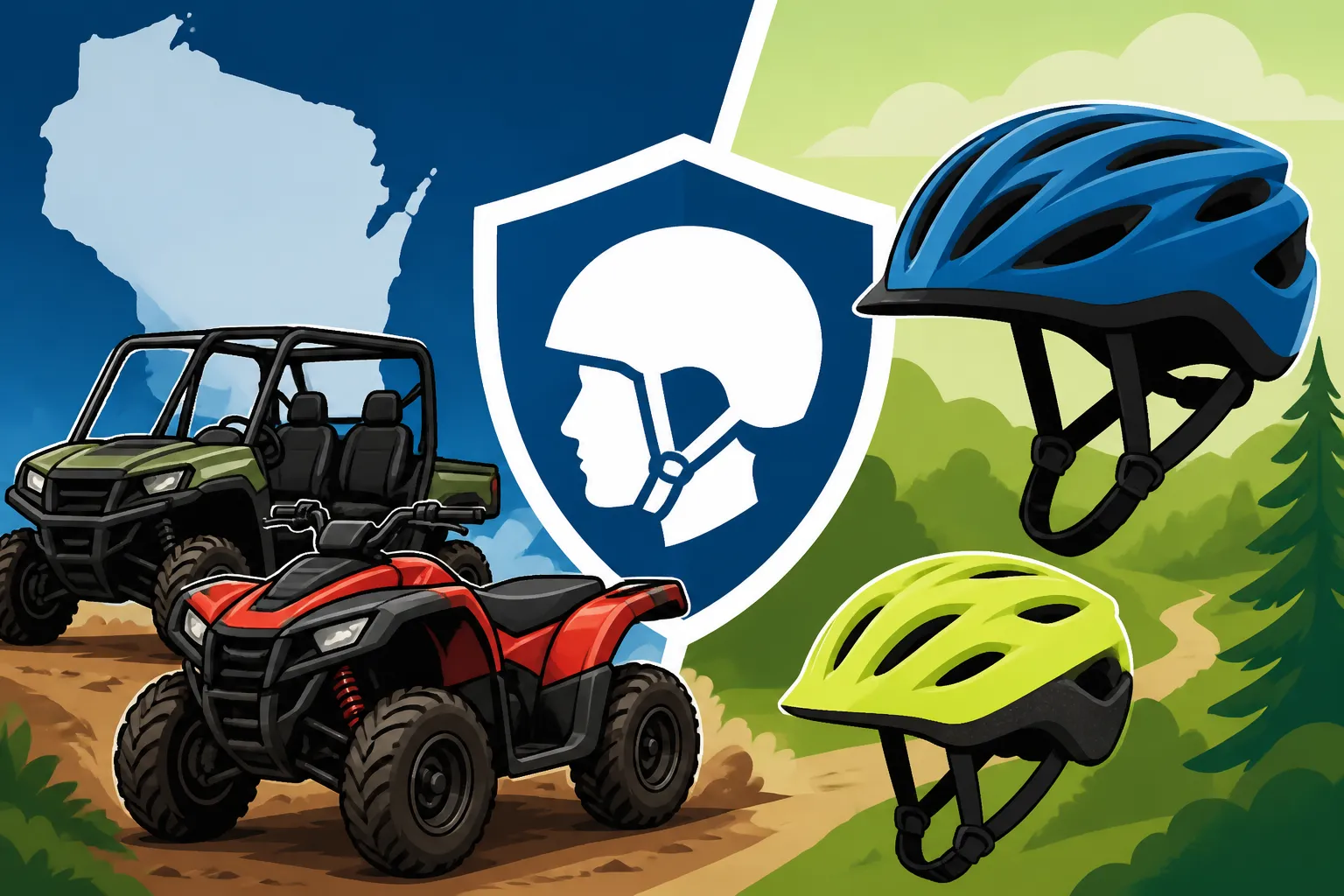
Now, let's talk about bicycle helmets. These are fantastic for cycling, and they save lives every day. However, they are engineered for a very different kind of impact. Bicycle crashes typically involve lower speeds and impacts with surfaces like pavement or dirt, often from a lower height than a motorized vehicle crash. Consequently, bicycle helmets prioritize lightweight design, ventilation, and protection against single, moderate impacts.
The EPS foam in a bicycle helmet is generally less dense and designed to crack and dissipate energy from a single impact. While this is effective for cycling, it's not robust enough for the more forceful, multi-directional, and potentially higher-speed impacts associated with ATVs and UTVs. The outer shells are often thinner, and they aren't tested to the same penetration resistance standards as DOT helmets, meaning sharp objects on the trail or road could potentially pierce them more easily. Furthermore, bicycle helmets rarely offer the same level of face or jaw protection, which is crucial for ATV/UTV riders who can be thrown forward or hit debris. So, while a bicycle helmet offers protection, it's akin to bringing a butter knife to a sword fight when you're on an off-road machine. It simply doesn't provide the comprehensive, high-impact protection necessary for these vehicles.
Wisconsin's Helmet Laws: Who Needs to Wear What?
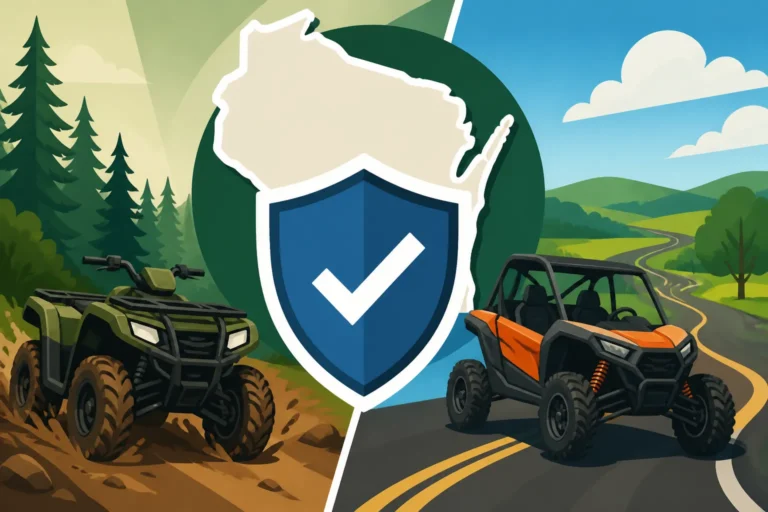
Navigating the rules and regulations around helmet use in Wisconsin can feel a bit like trying to read a map in the dark, especially with different age groups and types of riding. But when it comes to ATVs and UTVs, the law is pretty clear on who needs to wear a helmet, and more importantly, what kind of helmet is acceptable. Understanding these rules isn't just about avoiding a ticket; it's about making sure you and your passengers are adequately protected for the unique risks of off-road riding.
Riders Under 18: Non-Negotiable Requirements
If you're a parent or guardian, or simply riding with someone under the age of 18, this section is absolutely critical. In Wisconsin, the law is unequivocal: any person operating or riding as a passenger on an ATV or UTV who is under 18 years of age must wear a helmet. There are no exceptions for youth on private land, trails, or designated routes. This is a hard-and-fast rule designed to protect our youngest riders, whose developing brains are more susceptible to serious injury.
And it's not just any helmet. The helmet must be a DOT-approved helmet. As we discussed, this means it has met specific federal safety standards for motorized vehicles. This directly rules out bicycle helmets, skateboarding helmets, construction hard hats, or any other type of headgear that doesn't carry that all-important DOT certification sticker. A warden checking riders will specifically look for this certification. Ensuring your younger riders are always in a properly fitted, DOT-approved helmet is one of the most important safety measures you can take. If you're wondering about the specifics, check out [Wisconsin Helmet Rules for Riders Under 18].
Adults and the Nuances of the Law
For riders aged 18 and older, Wisconsin's helmet law introduces a bit more nuance, which can sometimes lead to confusion. Generally speaking, adult operators and passengers on ATVs and UTVs are not required by state law to wear a helmet, provided they hold a valid driver's license. However, there are some really important caveats here that you absolutely cannot overlook.
First, while the state law might not mandate a helmet for licensed adults, individual municipalities and counties have the authority to impose stricter requirements. Many towns and counties that open up [Wisconsin Towns With Miles of Open Roads] for ATV/UTV use might require all riders, regardless of age, to wear a DOT-approved helmet when on those specific routes. It's vital to check the local ordinances for any area you plan to ride in, as a significant number of these local rules often include helmet requirements for all.
Second, insurance companies often have their own stipulations. While a helmet might not be legally required for you as an adult, choosing not to wear one could potentially impact an injury claim after an accident. Many policies may reduce payouts or deny coverage for head injuries if a DOT-approved helmet wasn't being worn, even if it wasn't legally mandated.
Finally, and most importantly, personal safety should always trump legal minimums. Even if the law doesn't compel you to wear a helmet, the risks of riding an ATV or UTV remain significant. A severe head injury can be life-altering, and a DOT-approved helmet offers unparalleled protection. Many experienced riders choose to wear helmets every single time they ride, regardless of age or legal requirement, simply because they understand the inherent risks. For more on adult requirements, you can find details in [Wisconsin Helmet Law for Riders Over 18].
The Dangers of Inadequate Protection: It's More Than Just a Fine
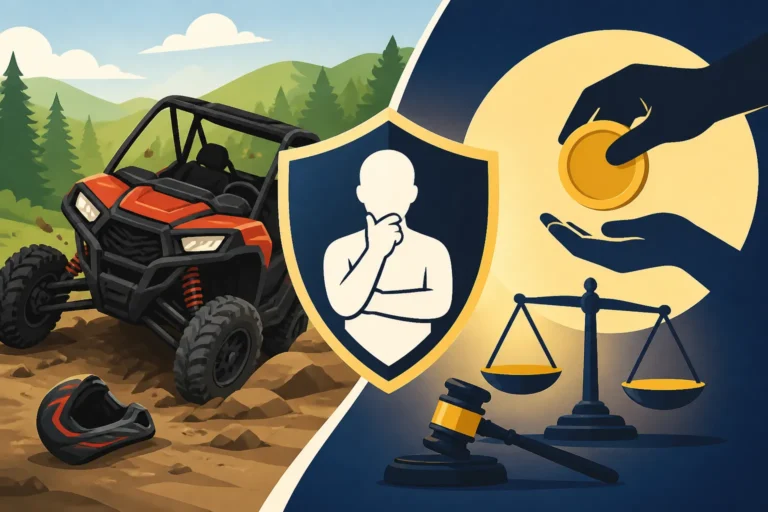
It's easy to get caught up in the legalities: "Do I have to wear it?" or "Will I get a ticket if I don't?" While avoiding fines and staying on the right side of the law is certainly a motivator, the real consequence of inadequate head protection goes far beyond a monetary penalty. We're talking about life-altering injuries, permanent disabilities, and even fatalities. When you’re riding an ATV or UTV, you're operating a powerful machine, often in environments with unpredictable terrain, potential obstacles, and other riders. The forces involved in an off-road accident are substantial, and your head is one of the most vulnerable parts of your body.
Impact Absorption and Head Injuries: A Grim Reality
Think about the forces at play in an ATV or UTV accident. You could be traveling at a fair speed, hit an unforeseen obstacle, be thrown from the machine, or even have the machine roll over on you. In these scenarios, your head could strike the ground, a rock, a tree, or even parts of your own vehicle. A properly certified helmet, specifically one that meets DOT standards, is engineered to manage these forces. The hard outer shell spreads the impact over a larger area, preventing localized penetration, while the EPS foam liner crushes and deforms, absorbing much of the energy that would otherwise be transmitted directly to your skull. This absorption is critical in preventing concussions, skull fractures, and diffuse axonal injuries – the tearing of nerve fibers in the brain that can lead to permanent cognitive and physical impairments.
A bicycle helmet, by contrast, simply doesn't have the same level of impact absorption or penetration resistance. Its foam is designed for different types of forces, and its shell may not prevent sharp objects from reaching your scalp. Relying on a bicycle helmet for ATV/UTV riding is akin to wearing a paper plate for armor; it might offer some psychological comfort, but it provides little to no actual protection against the kinds of injuries that off-road vehicles can inflict. The difference in construction and testing means the risk of severe, life-altering head trauma drastically increases when using an uncertified or inappropriately certified helmet.
The "What If" Scenarios: Accidents on Trails and Routes
Let's consider some real-world "what if" scenarios that highlight the importance of proper helmet use.
Scenario 1: The Unexpected Rollover on a Wooded Trail. You’re navigating a twisty, slightly uneven trail in the Chequamegon-Nicolet National Forest. Suddenly, one tire hits a hidden root, the machine lurches, and before you know it, you’re sideways, and the UTV begins to roll. If you're wearing a DOT-certified full-face helmet, the chin bar protects your jaw and face from the ground, while the robust shell and thick EPS liner absorb the multiple impacts as your head strikes the ground and perhaps the roll bar. Without that protection, your face could be severely fractured, and a direct impact to your temple could result in a catastrophic brain injury.
Scenario 2: Collision with a Deer on a County Road Route. You're enjoying a ride on a designated [Riding an ATV on a Wisconsin Road Route] after dusk. Out of nowhere, a deer jumps into your path. You swerve, but it's too late. The impact throws you over the handlebars, and you land headfirst on the gravel shoulder. A DOT helmet is built to handle this type of blunt force trauma, minimizing the shock to your brain. A bicycle helmet, with its open design and lighter construction, would offer minimal protection against such a forceful, high-speed impact, likely leading to severe facial injuries and a much higher risk of critical brain damage.
Scenario 3: A Low-Speed Tip-Over into a Ditch. Even at slow speeds, accidents can be dangerous. Imagine taking a turn too wide and slowly tipping into a shallow ditch, hitting your head on the side of the machine or the bank. While not as dramatic as a high-speed crash, even a low-speed impact can cause a concussion. A DOT helmet provides the necessary cushioning. A bicycle helmet, if it's not even a full-face model, might leave your chin or the sides of your head exposed, leading to painful and potentially disfiguring injuries.
These scenarios aren't meant to scare you, but to illustrate the very real dangers that proper head protection is designed to mitigate. It’s not just about conforming to a rule; it’s about investing in your own safety and well-being. Thinking about how an accident can affect you also involves understanding [Wisconsin ATV Crash Reporting] and [Wisconsin ATV Injury Claims], which can be profoundly impacted by your safety gear choices.
Choosing the Right Helmet for Wisconsin ATV/UTV Riding
So, you're convinced that a DOT-approved helmet is the way to go – fantastic! But walking into a powersports store or browsing online can still be overwhelming with the sheer number of options available. Don't worry, finding the right helmet for your Wisconsin ATV or UTV adventures doesn't have to be a headache. It's about prioritizing safety features, ensuring a proper fit, and considering your riding style.
Key Features to Look For in a DOT-Approved Helmet
When you're shopping for a helmet, remember that "DOT-approved" is the minimum standard. Many helmets go above and beyond, also meeting more rigorous certifications like Snell or ECE. While these aren't legally required for ATVs/UTVs in Wisconsin, they indicate an even higher level of protection. Here’s what else to look for:
- Construction Material: Helmets come in various materials, each offering different levels of protection and weight. Polycarbonate is a common, affordable choice, offering good impact resistance. Fiberglass composite helmets are lighter and stronger, while carbon fiber helmets are top-tier in terms of strength-to-weight ratio, though they come with a higher price tag. Consider your budget and how often you ride.
- Full-Face vs. Open-Face: For ATV and UTV riding, a full-face helmet is highly recommended. It provides crucial protection for your chin and face, which are incredibly vulnerable in a forward impact or a rollover. Open-face helmets leave your face exposed, which significantly increases your risk of injury. Some UTV riders might prefer modular helmets, which offer the versatility of an open face but can be locked into a full-face position; just ensure the chin bar is robust and tested.
- Ventilation: Riding can be hot, especially during Wisconsin summers. Good ventilation, with adjustable vents, can make a huge difference in comfort, preventing overheating and fogging. Look for helmets with multiple intake and exhaust vents.
- Visor/Shield System: If you opt for a full-face helmet, a high-quality, anti-fog, scratch-resistant visor is essential. Some helmets come with integrated sun visors, which are a nice feature for changing light conditions. For open-face helmets, you'll absolutely need separate [Eye Protection on a Wisconsin Ride].
- Interior Padding: Removable and washable padding is a huge plus for hygiene. Comfort-wise, look for moisture-wicking materials that will keep you drier on long rides.
- Strap System: Double D-ring straps are the gold standard for secure helmet fastening, though some newer helmets use quick-release buckles that are also effective if DOT-approved. Ensure the strap is comfortable and secure under your chin.
Brands like Fox Racing, Bell Helmets, Fly Racing, and Klim are popular choices among off-road enthusiasts, offering a wide range of DOT-certified helmets with various features. You can often find additional protective accessories, like robust skid plates or durable A-arm guards, from companies like SuperATV to keep your machine safe, which indirectly contributes to rider safety by preventing breakdowns in tough terrain.
Sizing and Fit: Your Helmet Is Only as Good as Its Fit
This is perhaps the most critical aspect after ensuring DOT certification. A helmet that doesn't fit correctly won't protect you properly, no matter how many bells and whistles it has.
- Measure Your Head: Use a cloth measuring tape to measure the circumference of your head, just above your eyebrows and ears. Compare this measurement to the manufacturer's sizing chart. Don't guess!
- Try It On: When you put the helmet on, it should feel snug, almost tight, without causing any painful pressure points. It shouldn't be so tight that it's uncomfortable to wear for extended periods, but it should definitely not be loose.
- Check for Movement: With the chin strap fastened, try to move the helmet from side to side and up and down. Your scalp should move with the helmet; if the helmet slides around independently, it’s too big.
- Peripheral Vision: Ensure the helmet doesn't restrict your field of vision, especially your peripheral awareness, which is crucial for situational awareness on trails and routes.
- Cheek Pads: Your cheeks should feel a gentle, firm pressure from the cheek pads. If they're loose, the helmet is likely too big.
- Wear It for a Few Minutes: Keep the helmet on for at least 5-10 minutes (if possible in a store) to identify any potential pressure points that might become painful on a longer ride. Sometimes, a "hot spot" isn't immediately apparent.
Remember, every manufacturer's sizing can vary slightly, so always refer to their specific chart. A well-fitting helmet is your best defense against head injuries, complementing the overall safety standards outlined in [DOT Helmet Ratings Wisconsin Accepts].
Beyond the Helmet: Other Essential Safety Gear
While we've focused heavily on the helmet, and for good reason, it's just one piece of the puzzle when it comes to staying safe on your Wisconsin ATV or UTV. A truly responsible and prepared rider knows that comprehensive protection extends to the rest of their body. After all, a head injury is devastating, but broken bones, severe abrasions, and other injuries can also significantly impact your quality of life and riding enjoyment.
Eye Protection: Keeping Your Vision Clear and Safe
Even if your helmet has a full visor, dedicated [Eye Protection on a Wisconsin Ride] is often a better choice, or at least a necessary backup. If you're wearing an open-face helmet, goggles are non-negotiable.
- Why it's Crucial: Think about what you encounter on Wisconsin trails: dust, mud, flying debris from other machines, insects, low-hanging branches, and even unexpected rain or snow. Any of these can obscure your vision in an instant, leading to a loss of control. A direct impact to the eye from a flying rock can cause permanent damage.
- Goggles vs. Visors: While a full-face helmet's visor offers some protection, goggles typically offer a wider field of view, superior sealing against dust and wind, and are often made with more impact-resistant materials. Many riders prefer goggles even with a full-face helmet, as they can be easily swapped for different tints (clear for night, tinted for sun) and are less prone to fogging with anti-fog treatments. Look for goggles designed for off-road use, with good ventilation and a wide strap to fit securely over your helmet.
- What to Look For: Opt for goggles with polycarbonate lenses for excellent impact resistance. Anti-fog coatings are a must, as is good peripheral vision. Brands like 100%, Oakley, and Scott make excellent off-road goggles.
Riding Gear: Protecting the Rest of Your Body
Your body takes a beating out on the trails, even on what seems like a smooth ride. Proper riding gear protects you from abrasions, impacts, and the elements.
- Long-Sleeved Shirt and Pants: This is your first line of defense against scrapes, cuts, and sunburn. Denim or heavy-duty riding pants are much better than shorts. Many companies, including those that offer robust machine protection like SuperATV, also make durable riding gear designed to hold up to the rigors of off-road use.
- Gloves: Essential for grip, comfort, and protection. Gloves protect your hands from blisters, abrasions, and impacts from branches or debris. They also help maintain a firm grip on the handlebars, which is vital for control, especially when wet or dusty.
- Over-the-Ankle Boots: Your feet and ankles are highly susceptible to injury from impacts, crushing, or getting caught. Sturdy, over-the-ankle boots (not sneakers) are paramount. Motocross boots offer the best protection, but strong hiking boots are a good minimum.
- Chest Protector/Roost Guard: While not always worn by every rider, a chest protector offers invaluable protection for your torso, shoulders, and back against roost (debris kicked up by other machines), impacts from handlebars in a crash, or hitting objects. For more aggressive riding or if you frequently ride in groups, this is a wise investment.
- Knee/Elbow Pads: Similar to chest protectors, these guards offer additional impact protection for your joints, which are vulnerable in a fall. Many riders find these especially beneficial for comfort and safety on longer or more challenging rides.
Remember, riding an ATV or UTV is an exhilarating experience, but it comes with inherent risks. Taking the time to properly equip yourself and any passengers with the right safety gear, starting with a DOT-approved helmet and extending to full body protection, ensures you can enjoy the trails and routes Wisconsin has to offer with greater peace of mind. Whether you're a casual weekend rider or an avid explorer, safety should always be your top priority. You can learn more about specific requirements for younger riders in areas like [Wisconsin Road Route Rules for a 15-Year-Old] and [Wisconsin Rules for a Rider Who Turns 16].
Disclaimer
This article is for general informational purposes only and does not constitute professional advice. Laws, prices and regulations vary by location and change over time. Consult a qualified professional for guidance on your specific situation.