Does Auto Insurance Cover a Wisconsin ATV?
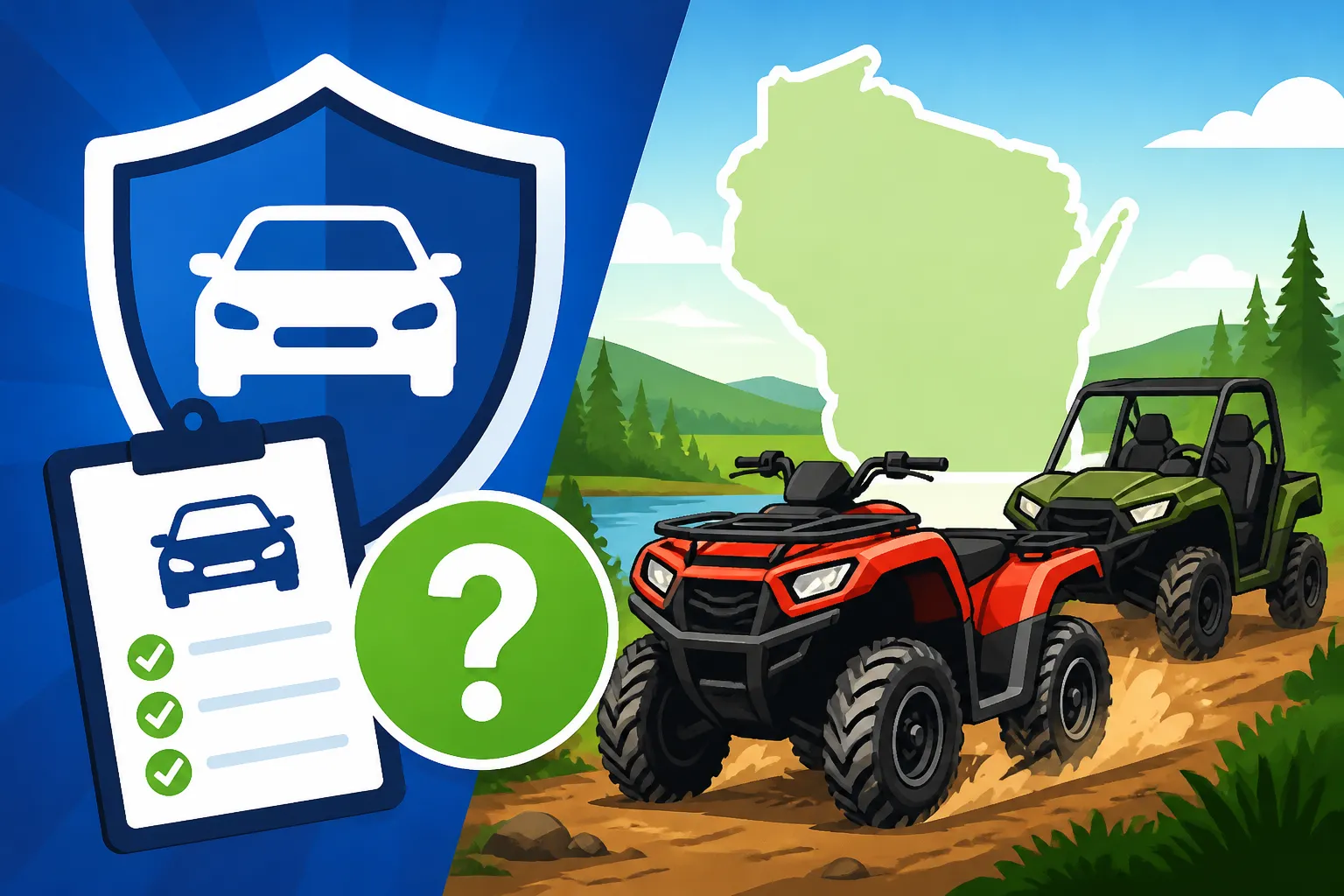
It's a common assumption that if you have insurance for your car, that coverage should naturally extend to your ATV or UTV, especially since they're also motorized vehicles. We're talking about expensive machines that can cause significant damage or injury, so it's only natural to wonder if your existing auto policy has your back. Unfortunately, for most Wisconsin riders, this simply isn't the case. This guide will clarify why your car insurance likely won't cover your off-road machine in the Badger State and what dedicated ATV insurance truly offers, so you can ride with peace of mind.
Why Your Auto Policy Likely Won't Cut It for Your ATV in Wisconsin
Let's be real: buying a shiny new ATV or UTV is a big investment, and so is your auto insurance. It's totally understandable to hope that one policy might just cover both. However, the world of insurance is a lot like riding different trails – each has its own rules, risks, and requirements. Your standard auto insurance policy is specifically designed for vehicles that are primarily operated on public roads and highways, like your car, truck, or SUV. These policies are crafted to cover the risks associated with commuting, road accidents, and the specific liability laws that govern on-road driving.
ATVs and UTVs, on the other hand, are classified very differently by insurance companies and by Wisconsin law. They're considered off-road vehicles (ORVs), built for rugged terrain, trails, and, in many cases, private property. The risks associated with riding an ATV are vastly different from those of driving a car. Think about it: rollovers on uneven terrain, collisions with trees or obstacles off-trail, or even property damage on someone's land while trail riding. These scenarios just aren't what your average car insurance policy is designed to handle. Trying to squeeze an off-road incident into an on-road policy is like trying to ride a sport quad through a swamp – it's just not going to work out well.
The Myth of Homeowners Policy Coverage
Another common misconception I hear from fellow riders in Wisconsin is that their homeowner's insurance policy will cover their ATV. "It's stored in my garage, so it must be covered, right?" people often ask. While your homeowner's policy might offer some limited coverage for personal property, like theft of your ATV from your garage, it almost never extends to liability for accidents or damage that occurs when the machine is in use, especially away from your property. Imagine a scenario where you're out on the trails near Black River Falls, you misjudge a turn, and end up damaging a fence on private property or, worse, injuring another rider. Your homeowner's policy is highly unlikely to step in and cover those costs. It's built to protect your home and personal belongings within your home's purview, not to cover the risks of operating a recreational vehicle off-property. You should always consult your specific homeowner's policy or speak with your agent directly to understand its precise limits, but assume that riding liability is generally excluded. [Does a Homeowners Policy Cover a Wisconsin Quad?] is a crucial topic for many.
Different Risk Profiles, Different Policies
The core reason for this separation in coverage comes down to risk assessment. Insurance companies evaluate the likelihood and potential cost of specific types of accidents. For an automobile, risks include highway collisions, fender benders in parking lots, and hitting deer. For an ATV, the risks are more diverse and often involve rough terrain, higher speeds in uncontrolled environments, and different types of potential injuries. An auto policy just isn't structured to quantify and cover these unique off-road risks. Furthermore, a lot of ATV use in Wisconsin involves riding on designated public trails or even [Riding a Wisconsin Route Through a Construction Zone], which brings its own set of rules and liabilities that differ from standard road use. Because of these distinct risk profiles, insurance providers create specialized policies tailored to the specific challenges and exposures of ATVs and UTVs. These policies account for things like rollover potential, specialized parts, and the unique environments where these machines are operated.
What a Dedicated ATV Insurance Policy Covers
So, if your auto policy won't cut it, what does dedicated ATV insurance cover? Think of it as specialized armor for your machine and your finances. A comprehensive ATV insurance policy offers a range of coverages specifically designed for the off-road environment, protecting you from many of the headaches and financial burdens that can come with riding. It’s not just about meeting a potential requirement (though some municipal ordinances may require insurance for road routes); it’s about genuine peace of mind when you hit the trails or tackle chores around the farm.
Liability Coverage: Your Financial Shield
This is arguably the most critical part of any ATV insurance policy, and it's what protects you if you're deemed responsible for an accident that causes injury to another person or damage to someone else's property. Picture this: you're enjoying a crisp fall day on the trails in Marinette County, and you accidentally collide with another rider, sending them to the emergency room, or perhaps you lose control and knock over a landowner's mailbox. Without liability coverage, you'd be personally on the hook for their medical bills, property repair costs, and any legal fees that might arise if they decide to sue.
A good liability policy will typically have two main components:
- Bodily Injury Liability: This covers medical expenses, lost wages, and pain and suffering for anyone you injure in an accident.
- Property Damage Liability: This covers the cost to repair or replace another person's property that you damage in an accident.
Given the potential for high medical costs and property damage, having robust liability coverage is a must for any responsible rider. It safeguards your assets and ensures you're not financially ruined by an unfortunate incident.
Collision and Comprehensive Coverage: Protecting Your Investment
These coverages are all about protecting your own machine, which, let's be honest, we pour a lot of love and money into.
- Collision Coverage: This pays for damages to your ATV or UTV if it collides with another object (like a tree, a rock, or even another ATV) or if it rolls over. Say you're navigating a tricky section of trail in the Black River State Forest, misjudge a muddy rut, and roll your side-by-side. Collision coverage would help pay for the repairs or replacement of your machine, minus your deductible.
- Comprehensive Coverage: This steps in for damages that aren't caused by a collision. Think of things like theft, vandalism, fire, flood, or even hitting an animal on the trail. If your prized machine, perhaps decked out with aftermarket parts from a reputable company like SuperATV, gets stolen from your hunting cabin up north, comprehensive coverage would help recover its value. It's the "acts of God" and "things beyond your control" protection. [What an Insurer Wants After a Wisconsin Theft] outlines exactly what you'll need if this happens.
Uninsured/Underinsured Motorist Coverage
While it's a legal requirement in Wisconsin to have auto insurance, there are always some folks who don't follow the rules. This coverage protects you if you're involved in an accident with another off-road vehicle whose operator doesn't have insurance or doesn't have enough insurance to cover your damages and injuries. It essentially acts as if that rider did have insurance, paying for your medical bills and damages up to your policy limits. It’s an unfortunate reality on the trails, and having this protection can be a lifesaver.
Medical Payments or Personal Injury Protection (PIP)
These coverages help pay for medical expenses for you and your passengers, regardless of who was at fault in an accident. This can be incredibly valuable, especially in an off-road setting where injuries can range from minor scrapes to serious fractures. Even if you have health insurance, this coverage can help with deductibles, co-pays, or other out-of-pocket costs related to an ATV accident. It provides an extra layer of financial security for your well-being. Knowing about [Wisconsin ATV Injury Claims] can also be helpful.
| Coverage Type | What it Covers (ATV Context) | Why it Matters |
|---|---|---|
| Liability | Injuries to others, damage to others' property | Protects your assets from lawsuits and claims |
| Collision | Damage to your ATV from an impact or rollover | Covers repair/replacement costs for your machine |
| Comprehensive | Damage to your ATV from theft, fire, vandalism, natural events | Safeguards against non-collision losses |
| Uninsured/Underinsured | Your injuries/damages if hit by an uninsured rider | Essential protection against irresponsible riders |
| Medical Payments | Medical bills for you and your passengers, regardless of fault | Helps with immediate medical costs and health insurance gaps |
| Accessory Coverage | Aftermarket parts, winches, plows, lights, track kits | Ensures your upgrades are also protected |
Key Factors That Influence ATV Insurance Costs in Wisconsin
Just like with car insurance, the cost of a dedicated ATV or UTV insurance policy in Wisconsin isn't a one-size-fits-all number. Several factors come into play that can either make your premiums more affordable or nudge them higher. Understanding these variables can help you make informed decisions and potentially save some money while ensuring you have adequate coverage. [Wisconsin ATV Insurance Cost] is a concern for many riders.
The Machine Itself: Type, Size, and Value
The type of off-road machine you own is a huge determinant of your insurance cost. A high-performance sport quad, designed for aggressive riding and often carrying a higher price tag, will generally cost more to insure than a smaller, entry-level utility ATV. Similarly, a larger, more powerful UTV (side-by-side) with seating for multiple passengers and a heavier chassis will typically have higher premiums than a single-rider ATV. The newer and more expensive your machine, the more it will cost to repair or replace, which directly impacts the insurer's risk. If you’ve invested in aftermarket parts like a heavy-duty winch or a lift kit from a company like SuperATV, make sure your insurer knows, as these additions increase the value and potential repair costs of your machine, and may require specific accessory coverage.
Your Riding Habits and Location
How, where, and how often you ride also plays a significant role. Do you mainly ride on your own [Registering a Machine That Never Leaves Your Land] property, or do you frequently hit the extensive trail systems in places like Oneida and Vilas counties? If you're primarily riding on private land with limited exposure, your rates might be lower. However, if you're regularly on public trails, participating in organized rides, or utilizing [Wisconsin Towns With Miles of Open Roads], your risk exposure increases, and so might your premiums. Your geographical location within Wisconsin can also factor in; areas with higher theft rates or more frequent accidents might see slightly higher costs.
Your Rider Profile and Driving History
Insurance companies look at you, the rider, as much as they look at your machine. Your age, riding experience, and even your overall driving record (for road-legal vehicles) can impact your ATV insurance rates. A younger, less experienced rider might face higher premiums compared to an older, seasoned veteran with a clean record. Completing an ATV safety course, like those offered through the Wisconsin DNR, can sometimes qualify you for a discount, as it demonstrates a commitment to safe riding practices. This is often tied to [Wisconsin's ATV Safety Certificate Requirement] for certain riders.
Deductibles and Coverage Limits
These are two critical elements that give you some control over your premium.
- Deductible: This is the amount of money you agree to pay out-of-pocket before your insurance coverage kicks in for a claim. Choosing a higher deductible (e.g., $1,000 instead of $500) will generally lower your premium because you're taking on more of the initial financial risk yourself. Just make sure you choose a deductible you can comfortably afford if an accident happens.
- Coverage Limits: This refers to the maximum amount your insurance company will pay out for a specific type of coverage. For example, you might choose $25,000 in property damage liability. Opting for lower coverage limits will result in lower premiums, but it also means less protection if a major incident occurs. It's a balance between affordability and ensuring you have sufficient financial protection, especially for liability. Many riders find themselves asking, [Who Pays After a Wisconsin ATV Collision]? Having appropriate limits means you're not left footing a massive bill.
Making Smart Choices for Your Wisconsin ATV Insurance
Navigating the world of insurance can feel like trying to find your way through a new trail system without a map. But with a bit of knowledge and a proactive approach, you can make smart choices that provide the right coverage for your Wisconsin ATV or UTV without breaking the bank. It's all about doing your homework and understanding your specific needs.
Shopping Around and Comparing Quotes
One of the best pieces of advice I can give is to never settle for the first quote you get. Insurance rates can vary significantly between providers, even for the same level of coverage. Take the time to shop around and get quotes from multiple insurance companies. Many major insurers that offer auto and home insurance also have specialized ATV policies, so start by checking with your current providers to see if bundling options are available. Often, you can get a discount for insuring multiple vehicles or policies with the same company. Don't hesitate to reach out to independent insurance agents who can compare policies from several different carriers on your behalf, often saving you time and money.
When you're comparing quotes, make sure you're looking at apples to apples. Verify that the coverage types (liability, collision, comprehensive, etc.), deductibles, and coverage limits are the same across all quotes. It's easy to get distracted by a lower premium, only to realize later that it comes with significantly less protection.
Understanding Policy Limitations and Exclusions
Every insurance policy has its fine print, and ATV insurance is no different. It's crucial to take the time to read and understand what your policy doesn't cover. Common exclusions might include:
- Commercial Use: If you use your ATV for business purposes, such as guiding tours or extensive agricultural work (beyond typical farm exemptions), you might need a separate commercial policy.
- Racing or Stunt Riding: Most standard recreational ATV policies exclude coverage for competitive racing or organized stunt riding, as these activities inherently carry a much higher risk.
- Intentional Damage: Deliberately damaging your machine or someone else's property won't be covered.
- Illegal Activities: Operating your ATV while under the influence of alcohol or drugs, or on property where you are trespassing, will typically void your coverage. This is especially important given [Wisconsin Alcohol Limits for ATV Operators].
Always ask your agent to walk you through the exclusions section of any policy you're considering. This will help prevent any nasty surprises if you ever need to file a claim.
Maximizing Discounts and Tailoring Your Coverage
There are several ways to potentially lower your ATV insurance premiums:
- Safety Course Discounts: As mentioned earlier, completing a Wisconsin-approved ATV safety course can often earn you a discount. It's a win-win: you become a safer rider, and you save some money.
- Multi-Policy Discounts: Bundling your ATV insurance with your auto, home, or even motorcycle insurance can lead to significant savings.
- Multi-Vehicle Discounts: If you own more than one ATV or UTV, insuring them all with the same company might get you a break on premiums.
- Responsible Rider Discounts: A clean claims history and a good driving record often translate to lower rates.
- Anti-Theft Devices: Installing approved anti-theft devices on your machine might also qualify you for a discount.
- Seasonal Policies: Some insurers offer options for seasonal coverage, which can be useful if you only ride your machine certain times of the year, though you'll want to ensure you still have comprehensive coverage for off-season storage.
Finally, consider what specific coverage you truly need. If your machine is older and has a low market value, you might decide to forgo collision coverage and just carry comprehensive and liability. However, for a newer, high-value UTV, especially one customized with premium parts from a brand like SuperATV, comprehensive and collision are likely non-negotiable. Think about your riding style, where you operate your machine, and your financial comfort level with risk. By carefully weighing these factors, you can build an ATV insurance policy that fits your lifestyle and your budget.
Disclaimer
This article is for general informational purposes only and does not constitute professional advice. Laws, prices and regulations vary by location and change over time. Consult a qualified professional for guidance on your specific situation.