Eye Protection on a Wisconsin Ride
Riding an ATV or UTV in Wisconsin is an incredible experience, offering everything from serene forest trails to bustling town routes. But whether you're kicking up dust on a summer trail or plowing through fresh snow, there's one small detail that can quickly turn a fantastic day into a frustrating or even dangerous one: your eyes. Debris, wind, bugs, and sun glare aren't just minor annoyances; they're genuine threats to your vision and safety. This comprehensive guide will walk you through everything you need to know about eye protection for your Wisconsin ATV or UTV adventures, from the letter of the law to practical tips for staying safe and comfortable on every ride.
Why Eye Protection Isn't Just a Suggestion in Wisconsin
Riding off-road or on designated road routes presents a unique set of challenges to your eyesight. It's easy to think of eye protection as an optional extra, something you might grab if the sun's too bright, but in the world of ATVs and UTVs, it's a fundamental piece of safety equipment. The reality is, without proper eye protection, you're not just uncomfortable; you're putting yourself at significant risk of injury, and potentially even legal trouble. The wind alone can be relentless, drying out your eyes, making them water, and significantly impairing your ability to see the trail ahead. Add to that the constant barrage of dust, mud, sand, and small rocks kicked up by your own machine or those of your riding buddies, and suddenly, that pair of sunglasses doesn't seem quite enough.
Beyond the physical discomfort and immediate hazards, there's the long-term health of your eyes to consider. Prolonged exposure to UV rays, without adequate protection, can contribute to serious eye conditions over time. Even a simple bug hitting your eye at speed can cause a startling distraction, leading to a loss of control that could have far graver consequences than just a momentary sting. This isn't about being overly cautious; it's about being prepared for the realities of riding. Wisconsin's diverse terrain, from sandy stretches in the Black River State Forest to wooded trails in Marinette County, means you'll encounter a variety of conditions, all of which demand thoughtful consideration for your eye safety.
The Unseen Hazards of the Trail and Road
When you're out riding, your focus is often on the thrill, the scenery, or navigating the terrain. It's easy to overlook the myriad of small but significant threats constantly bombarding your eyes. Imagine riding down a gravel road in Bayfield County, and a side-by-side coming the other way kicks up a small stone. That stone, traveling at speed, becomes a projectile with the potential to cause serious damage. Or picture yourself cruising through a shaded forest path, only for a low-hanging branch to suddenly whip into your line of sight. These aren't far-fetched scenarios; they're everyday occurrences for riders. Even something as seemingly innocuous as an insect flying into your eye can cause you to blink hard, swerve, or lose focus for that crucial second that prevents you from reacting to a sudden obstacle.
The elements themselves are also formidable opponents. On a bright summer day, the glare reflecting off puddles or sandy patches can momentarily blind you, obscuring dips, ruts, or other riders. In the colder months, the wind chill combined with fine snow particles can make your eyes water incessantly, blurring your vision and making it impossible to see clearly. And let's not forget the sheer volume of dust on dry trails. It gets everywhere, irritating your eyes and making them feel gritty, even hours after your ride is over. These are the real-world frustrations that proper eye protection aims to eliminate, ensuring your ride is enjoyable from start to finish.
Personal Responsibility and Rider Safety
Ultimately, ensuring your eyes are protected falls squarely on your shoulders. While Wisconsin has regulations, as we'll discuss, personal responsibility goes beyond simply complying with the law. It's about making smart choices for your own well-being and for the safety of those you ride with. Think of it this way: if your vision is compromised, even for a moment, you're not only endangering yourself but also potentially putting passengers or fellow riders at risk. A moment of impaired vision could lead to a collision, a rollover, or an accidental swerve into a ditch.
Choosing the right gear, and making sure it's always in good condition, is part of being a responsible rider. This includes teaching younger riders the importance of eye protection, instilling good habits from the start. You might have seen riders on the trails with just regular eyeglasses, but those offer very limited protection against impacts or dust. It's about recognizing that the environment you're riding in demands specialized gear designed to withstand the rigors of off-road and route travel. Don't wait until an incident happens to realize the value of a good pair of goggles or a full-face helmet with a durable visor.
Understanding Wisconsin's Legal Requirements for Eye Protection
It's common for riders to be a little fuzzy on the exact legal stipulations when it comes to riding gear. Wisconsin, like many states, has specific rules, especially concerning helmets and eye protection, but they aren't always universally understood. The state's primary focus is on rider safety, and that includes making sure you can see where you're going and that your eyes are shielded from potential harm. The law differentiates slightly between age groups and machine types, which can sometimes lead to confusion. Many riders are aware of the helmet law for younger operators, but the eye protection aspect often gets overlooked or misinterpreted, even by experienced riders.
Knowing the actual rules can prevent a roadside chat with a warden that could result in a citation. Beyond the legal aspect, these regulations are rooted in practical safety concerns. They're not just arbitrary rules; they're designed to mitigate the very real risks we discussed earlier. So, let's clear up the confusion and look at what Wisconsin law specifically requires when you're out enjoying the trails or designated road routes.
Age-Based Rules and Exceptions
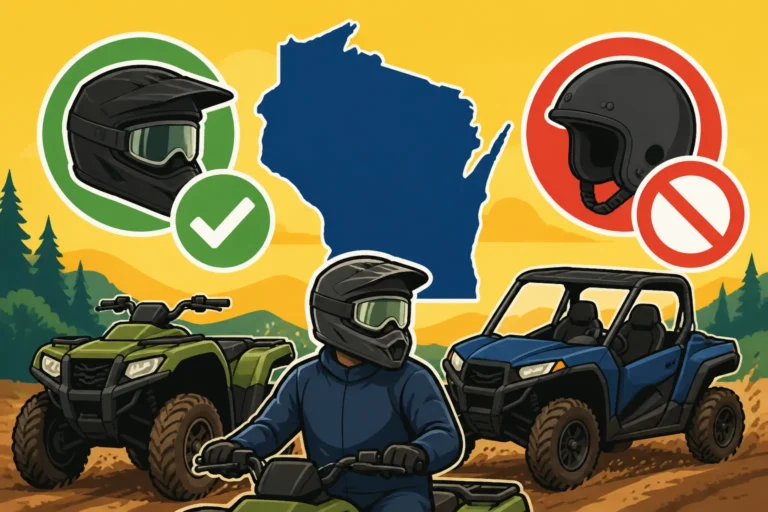
When it comes to eye protection, Wisconsin law is often tied directly to its helmet regulations, particularly for younger riders. Generally, anyone operating an ATV or UTV who is under the age of 18 is required to wear a protective helmet. And if you're wearing a helmet that doesn't have a built-in visor or face shield, then you are also required to have eye protection. This typically means goggles. So, if you've got a 16-year-old operating an ATV, they need that DOT-approved helmet, and if it's an open-face design, those goggles are non-negotiable. It's critical to understand [Wisconsin Helmet Rules for Riders Under 18] so there are no surprises on the trail.
For riders aged 18 and older, the helmet law generally doesn't apply to ATVs, though it often does for UTVs on public roads in some specific contexts or if the UTV is registered as a low-speed vehicle. However, even when a helmet isn't legally mandated for adults, eye protection is still a smart and often implied safety measure, especially if you're not in an enclosed cab. While the direct legal requirement for adults wearing eye protection outside of a helmet might not be as explicit as for minors, if a warden observes unsafe riding due to impaired vision from lack of eye protection, it could still be an issue. Always check the specific ordinances of the towns and counties you're riding in, as some might have stricter requirements for operating on designated [Wisconsin Road Route Rules Riders Get Wrong].
What "Adequate Eye Protection" Means
The law often uses phrases like "adequate eye protection" or "protective eyewear," which can feel a bit vague. What exactly does that entail? It generally means something that provides a significant barrier between your eyes and the outside world, designed to withstand impacts and block debris. Standard prescription eyeglasses, while correcting vision, usually do not count as adequate protection because they lack side shields and are not rated for impact. The same goes for everyday fashion sunglasses; they might cut glare, but they won't stop a flying rock.
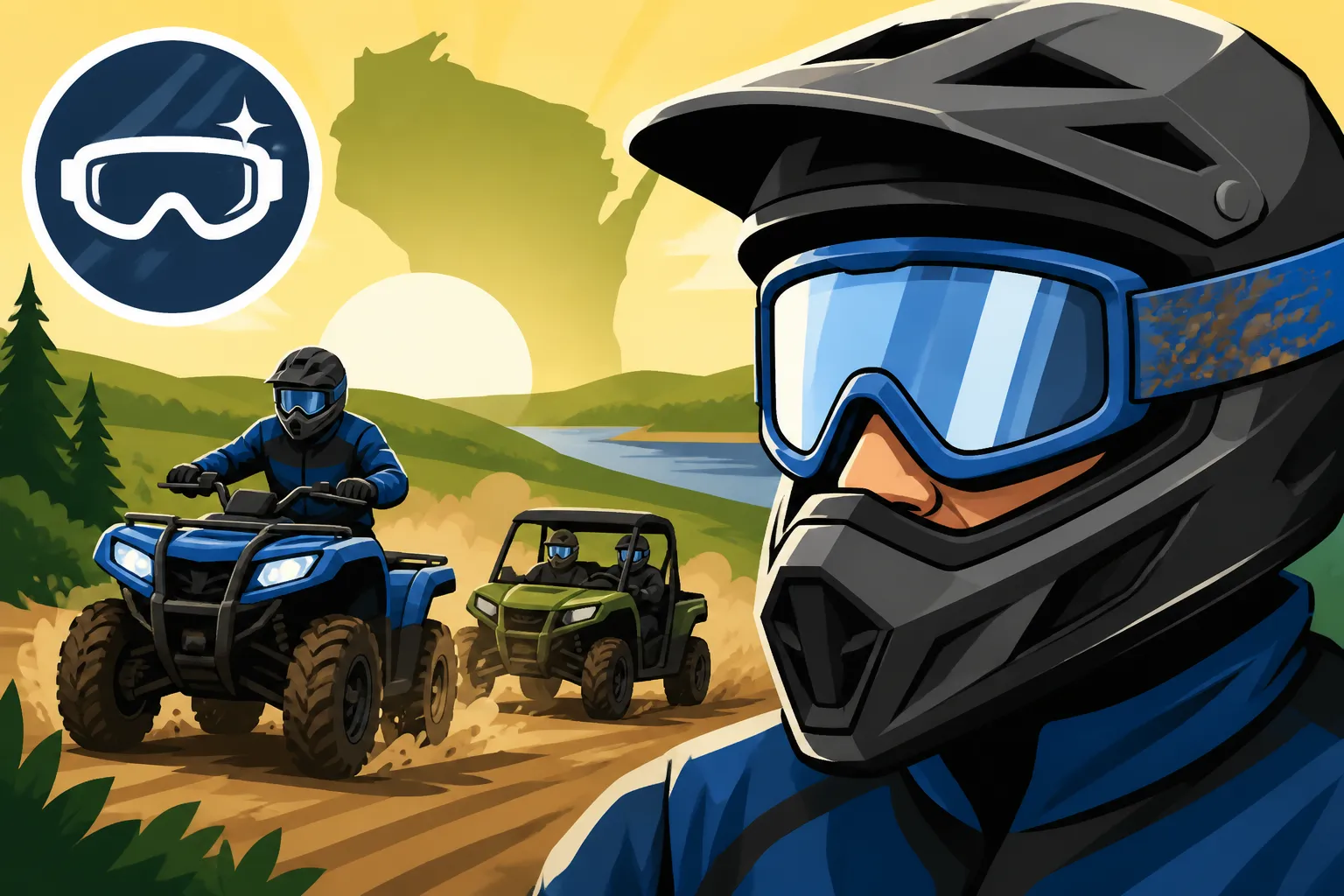
For most ATV and UTV riders, "adequate eye protection" refers to purpose-built goggles or a face shield integrated into a full-face helmet. These are designed with durable, impact-resistant lenses and often include features like anti-fog coatings and UV protection. Goggles, in particular, form a seal around your eyes, effectively keeping out dust, wind, and small debris. If you're riding a UTV with a windshield, the need for direct eye protection might feel less immediate, but consider that dust and wind can still swirl into the cab, especially with an open rear or side panels. Many riders in UTVs still opt for glasses or goggles, particularly when the windshield is dusty or if they're riding with the windshield folded down or removed for better visibility. If a warden asks you [What a Wisconsin Warden Asks a Rider For], proper eye protection will certainly be on their mental checklist.
Choosing the Right Eye Protection for Your Wisconsin Ride
With so many options available, picking the right eye protection can feel a bit overwhelming. It's not just about what looks cool; it's about matching your gear to your specific riding style, the conditions you typically encounter, and, of course, legal compliance. The market is flooded with choices, from basic goggles to advanced visors with all sorts of features. Your choice will impact your comfort, your safety, and your overall riding experience. A cheap pair of flimsy goggles might seem like a bargain upfront, but they'll likely fog up, scratch easily, and offer minimal protection against real impacts. Investing a little more in quality gear is an investment in your safety and enjoyment.
Think about the Wisconsin seasons you ride in. Do you primarily hit the trails in the spring when mud is prevalent, or are you a dedicated winter rider, braving frozen lakes and snow-covered routes? Each scenario presents different demands on your eye protection. Furthermore, consider the type of machine you ride. An open-air ATV rider will have different needs than someone tucked inside a UTV cab, even though both require robust eye safety.
Goggles: The Off-Road Workhorse
For most ATV riders and many UTV operators, especially those without a full windshield or in very dusty conditions, goggles are the undisputed workhorse of eye protection. They offer a superior seal around your eyes, preventing even the finest dust particles, mud splatter, and wind from getting in. Quality off-road goggles come with impact-resistant lenses, often made of polycarbonate, and feature anti-fog coatings to maintain clear vision even when you're working up a sweat. They also typically have multiple layers of foam padding to wick away moisture and create a comfortable seal against your face. Brands like SuperATV offer a range of goggles designed for the rigors of trail riding, focusing on durability and rider comfort.
When choosing goggles, pay attention to the fit. They should sit snugly against your face without creating pressure points. The strap should be adjustable and wide enough to stay securely on your helmet (if applicable). Lens tint is another important consideration. Clear lenses are best for low-light conditions or night riding, while tinted or mirrored lenses are excellent for bright, sunny days, reducing glare and eye strain. Some goggles even come with interchangeable lenses, allowing you to adapt to varying light conditions quickly. This versatility is a huge advantage for Wisconsin riders who might start a ride under cloudy skies and finish it under a blazing afternoon sun.
Helmets with Integrated Visors: Convenience and Full Coverage
For many UTV riders, and those ATV riders who prefer the enhanced protection of a full-face helmet, a helmet with an integrated visor offers a convenient all-in-one solution for eye protection. These visors are typically made from scratch-resistant, impact-resistant polycarbonate and are designed to seal tightly against the helmet, keeping out wind, dust, and debris. The advantage here is not having to worry about separate goggles, and the visor also offers some protection for your entire face against cold wind, rain, or low-hanging branches. When you're considering a helmet for riding, think about the [Wisconsin Helmet Standards and Bicycle Helmets] that ensure proper certification.
Look for helmets with visors that have good optical clarity and an anti-fog treatment. Some high-end helmets even feature internal drop-down sun visors, providing quick adjustment for changing light conditions without needing to stop and change lenses. Ventilation is also key, as poor airflow can lead to excessive fogging. While a full-face helmet with a visor offers excellent protection, remember that in very dusty or muddy conditions, fine particles can sometimes get under the seal of the visor, necessitating a quick wipe or even a pair of goggles underneath if the conditions are extreme. However, for most road routes and general trail riding, an integrated visor is a comfortable and highly effective choice.
Protective Eyeglasses: A Good Backup, But Rarely Primary
For those who wear prescription glasses, finding eye protection that works can be a challenge. While some riders opt for "over-the-glasses" (OTG) goggles that are specifically designed to fit comfortably over prescription eyewear, others might consider prescription protective glasses. These are glasses with impact-resistant lenses and frames, often with side shields, that meet ANSI safety standards. They offer better protection than regular glasses, but they still don't provide the complete seal against dust, wind, and debris that goggles do.
As a primary form of eye protection for ATV/UTV riding in Wisconsin, especially on dusty trails or at higher speeds, standard protective eyeglasses often fall short. They can allow fine particles to get behind the lenses, cause excessive watering from wind, and may not offer the same level of impact resistance as purpose-built goggles or visors. They are, however, a significant step up from regular eyeglasses and can be a suitable option for passengers in enclosed UTVs or for very light, low-speed utility work where heavy dust isn't a factor. For serious trail riding, though, even with prescription protective glasses, an OTG goggle or a full-face helmet with a large enough opening to accommodate glasses is generally the safer and more comfortable choice.
Addressing Common Riding Scenarios and Eye Protection Needs
Riding in Wisconsin means experiencing a vast array of conditions and situations. What works perfectly for a sunny afternoon cruise on a designated road route might be completely inadequate for a fast-paced, muddy trail ride deep in the Chequamegon-Nicolet National Forest. Riders often face frustrations because their chosen eye protection struggles to keep up with the demands of a varied day out. It's not uncommon to start a ride in the morning fog, transition to bright sunshine, and then end up on a dusty back road, all within a few hours. Each of these shifts places different demands on your gear, and being prepared for them can make all the difference between an epic day and a miserable one.
Thinking proactively about these scenarios will help you select gear that truly serves you, rather than becoming another piece of equipment you have to constantly adjust or clean. From the glare off a frozen lake to the obscuring spray of a muddy puddle, Wisconsin riding keeps you on your toes, and your eye protection needs to be just as adaptable. This is where understanding the nuances of different environments becomes critical.
Riding in Dust and Mud
Ah, the quintessential Wisconsin trail ride! Whether it's the fine sandy dust of the Black River State Forest in mid-summer or the thick, sticky mud of a spring thaw on a county forest trail, these conditions are brutal on your eyes if unprotected. Dust will quickly infiltrate any small gap, irritating your eyes and obscuring your vision, while mud splatter can instantly blind you. For these conditions, full-seal goggles are an absolute necessity. Look for goggles with multiple layers of foam around the frame to create the best possible seal against your face. Consider tear-offs or roll-offs if you're frequently in very muddy environments. These systems allow you to quickly clear your vision by peeling away a dirty layer or rolling a fresh strip of film across the lens without having to stop and clean.
When you're dealing with mud, you also need lenses that are easy to clean. Polycarbonate lenses are durable, but caked-on mud can be tough. Some riders carry a small spray bottle of water and a microfiber cloth for quick clean-ups during breaks. And remember, it's not just the mud and dust from your own machine; those riding ahead of you will be kicking up a storm. Staying a safe distance back can help, but robust eye protection is still your first line of defense. This is where quality gear, perhaps from a brand known for off-road accessories like SuperATV, can truly make a difference in your riding experience.
Night Riding and Low-Light Conditions
Riding after dark or in heavily shaded areas, like deep forest trails, introduces a whole new set of challenges for eye protection. Tinted or mirrored lenses that were perfect for sunny conditions become a hazard, reducing visibility to dangerous levels. For night riding, a clear lens is absolutely essential. Many riders who use goggles carry an extra set of clear lenses specifically for night rides, or they invest in goggles with easily interchangeable lenses. If your helmet has an integrated visor, ensure you can quickly swap it for a clear one or that you have a second clear helmet with you if you anticipate riding into dusk or after dark. [Riding a Wisconsin Route After Sundown] requires not only clear vision but also proper machine lighting.
Another factor in low-light conditions is fogging. When the air is cool and damp, and your body is warm, goggles and visors are prone to fogging up, especially when you stop or slow down. Look for lenses with anti-fog coatings or consider goggles with good ventilation to minimize this issue. Some riders even use anti-fog sprays or wipes before their ride. Maintaining clear, unobstructed vision in low light is paramount for safety, allowing you to spot obstacles, wildlife, or changes in the trail that might otherwise go unnoticed until it's too late.
All-Weather and Seasonal Considerations
Wisconsin's weather is famously unpredictable and diverse, which means your eye protection needs to be versatile. In winter, riding frozen lakes or snow-covered trails can be exhilarating, but the glare off the snow and ice can be intense. For these conditions, a good quality tinted or polarized lens is beneficial to reduce glare and eye strain. However, in very cold temperatures, some anti-fog coatings can become less effective, and breath can more easily fog up your lenses. Again, good ventilation is key, and some winter-specific goggles feature dual-pane lenses for improved thermal insulation, much like double-pane windows, to prevent fogging.
Conversely, hot summer days bring different challenges. Excessive heat and humidity can make goggles uncomfortable and prone to fogging from sweat. In these conditions, some riders might prefer a helmet with a larger face opening and goggles that allow for better airflow, or even a half-helmet with protective sunglasses for very low-speed, casual UTV riding where maximum protection isn't critical. Rain is another factor; a helmet visor often provides better protection against rain than goggles, which can sometimes collect droplets and impair vision. No matter the season, having a clean, well-fitting, and condition-appropriate eye protection strategy is vital for your comfort and safety. [Wisconsin Fines for Illegal Road Riding] and other penalties can sometimes result from safety violations, including inadequate gear that contributes to an incident.
Maintenance and Care for Your Eye Protection Gear
You've invested in quality eye protection, perhaps a sturdy pair of goggles or a reliable helmet with a clear visor. But like any piece of essential riding gear, it won't perform its best if it's not properly maintained. Neglecting your eye protection can lead to scratched lenses, compromised seals, or ineffective anti-fog treatments, essentially rendering your gear useless when you need it most. Many riders get frustrated when their expensive goggles scratch too easily or constantly fog up, not realizing that a little preventative care could solve most of these problems. It's not just about prolonging the life of your gear; it's about ensuring it functions optimally to keep you safe and your vision clear on every Wisconsin adventure.
Proper care is simple, doesn't take much time, and can save you money in the long run by extending the life of your equipment. Think of it as part of your post-ride routine, just like cleaning your machine or checking your tires. A few minutes of attention after each ride can make a world of difference.
Cleaning Lenses Without Damage
This is probably the most crucial aspect of eye protection maintenance. Lenses, whether on goggles or visors, are delicate and prone to scratching, especially when covered in dust, mud, or grit. The absolute worst thing you can do is wipe a dry, dirty lens with your glove or a shirt sleeve. This will inevitably scratch the lens, creating permanent imperfections that distort your vision and can be extremely distracting, especially when the sun hits them just right. The frustration of trying to see through a scratched lens is palpable.
The proper way to clean lenses is to first rinse them thoroughly with clean water to remove all loose debris. If you're on the trail, a water bottle can work in a pinch. Once the major grit is gone, use a mild soap or a specialized lens cleaning solution, gently rubbing with a soft microfiber cloth. Rinse again, and then allow them to air dry or very carefully blot them with a clean, soft cloth. For anti-fog coatings, be extra gentle, as harsh chemicals or aggressive rubbing can damage these sensitive layers. If your goggles have a removable lens, take it out for easier, more thorough cleaning. Taking this extra step ensures your [Eye Protection on a Wisconsin Route Ride] remains crystal clear.
Storing and Protecting Your Gear
How you store your eye protection when you're not using it is almost as important as how you clean it. Tossing your goggles into a gear bag where they can rub against tools, helmets, or other abrasive items is a surefire way to get them scratched or damaged. Invest in a dedicated goggle bag or a hard-shell case. Many goggles come with a soft microfiber bag that doubles as a cleaning cloth, which is perfect for protecting them in your gear bag.
For helmets with visors, make sure the visor is either fully closed or securely in an open position where it won't be easily knocked or scratched. Store your helmet in a helmet bag or in a safe place where it won't fall or get bumped. Extreme temperatures, both hot and cold, can also affect the materials of your eye protection over time, so try to store them in a climate-controlled environment rather than leaving them in a hot garage or a freezing shed for extended periods. Protecting your gear when it's off your face ensures it's ready and reliable for your next adventure.
When to Replace or Upgrade
Even with the best care, eye protection gear doesn't last forever. Lenses can eventually become too scratched or pitted to provide clear vision, elastic straps on goggles can lose their stretch, and foam padding can degrade, compromising the seal and comfort. If you notice significant scratches that impede your vision, persistent fogging that no cleaning or anti-fog treatment can fix, or a loose fit that lets in too much debris, it's time to consider replacement. Remember, your vision is paramount, and trying to stretch the life of compromised gear isn't worth the risk. A small investment in new gear is far better than the potential costs of a [Wisconsin ATV Crash Reporting] incident due to impaired vision.
Consider upgrading if your riding style or conditions change. Perhaps you started with basic goggles for casual trail rides, but now you're tackling more aggressive, muddy terrain. An upgrade to goggles with better ventilation, tear-off posts, or a more robust anti-fog system might be beneficial. Similarly, if you're frequently riding in varied light conditions, goggles with interchangeable lenses can be a game-changer. Staying on top of advancements in gear technology can also offer improved safety and comfort. For example, some newer goggles feature wider fields of vision or improved sweat management systems that enhance the riding experience. Brands like SuperATV are continually innovating their protective gear, so keeping an eye on new offerings can be worthwhile.
Table: Eye Protection Options for Wisconsin ATV & UTV Riders
| Type of Protection | Best For | Pros | Cons | Legal Adequacy (General) |
|---|---|---|---|---|
| Off-Road Goggles | All-around trail riding, dusty/muddy conditions | Excellent debris/wind seal, impact-resistant, often anti-fog | Can be hot, less airflow than glasses, not for casual wear | High |
| Full-Face Helmet Visor | High-speed, cold weather, road routes | Integrated protection, warmth, good field of vision | Can fog up, heavy, limited peripheral vision vs. goggles | High |
| Protective Sunglasses | Casual UTV riding, low-dust conditions, sun glare | Lightweight, comfortable, good for UV protection | Limited seal against dust/debris, often not impact-rated | Low to Moderate |
| Over-the-Glasses Goggles | Riders with prescription glasses | Fits over existing glasses, good seal | Can be bulky, some fogging issues | High |
Disclaimer
This article is for general informational purposes only and does not constitute professional advice. Laws, prices and regulations vary by location and change over time. Consult a qualified professional for guidance on your specific situation.