Wisconsin Rules for Crossing a Railroad Grade
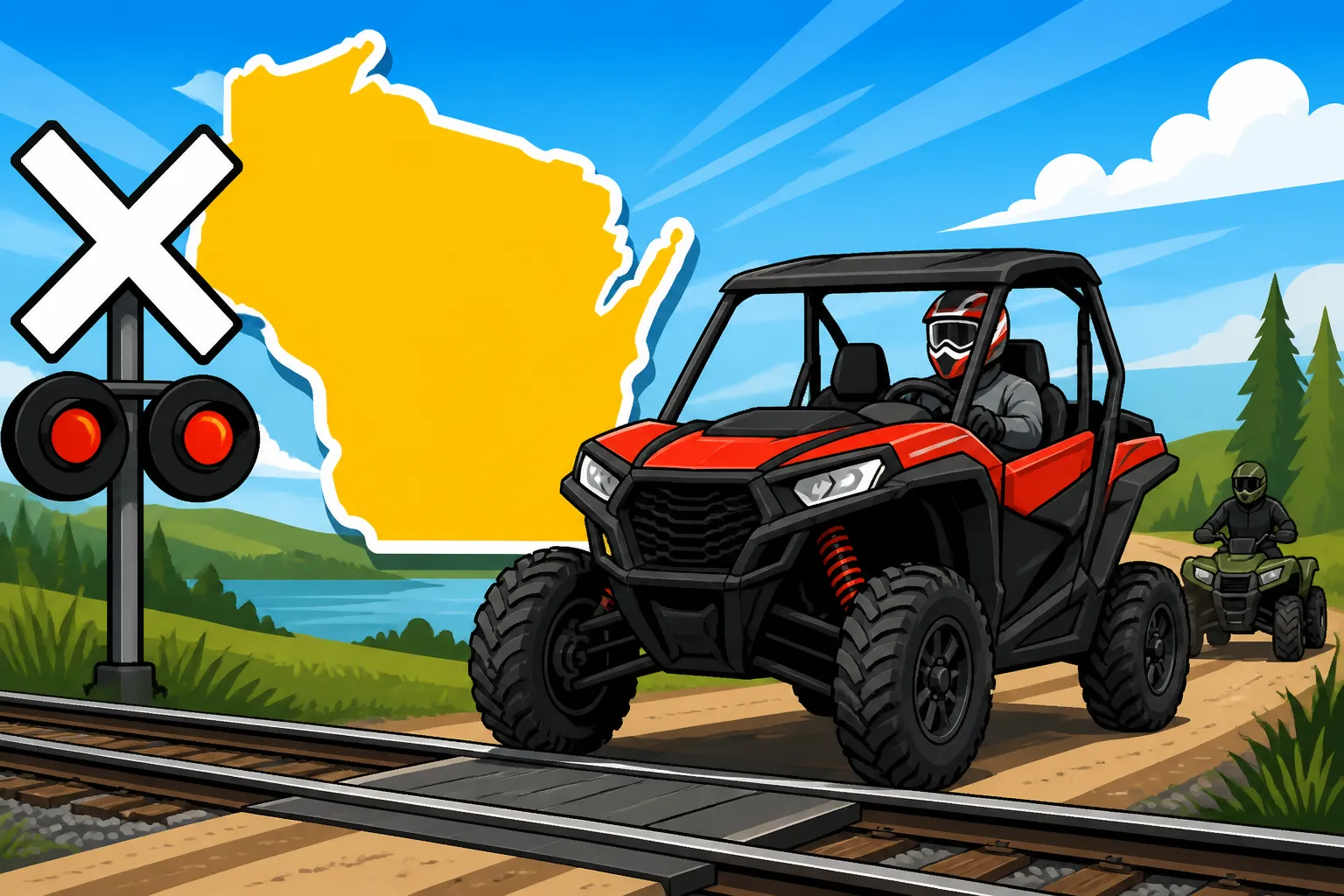
Alright, fellow Wisconsin riders, let's talk about something that might seem minor but carries some serious weight (and danger!) if not handled correctly: crossing railroad tracks on your ATV or UTV. We’ve all been there, out on a fantastic route, enjoying the beautiful Wisconsin scenery, when suddenly those parallel lines appear. It’s not just a quick bump in the road; these crossings can be treacherous, illegal if done wrong, and frankly, terrifying if a train is involved. This guide is all about navigating those railroad grades safely and legally, ensuring your ride stays smooth and penalty-free.
The Unique Risks of Railroad Crossings for ATVs and UTVs in Wisconsin
When you're out on your quad or side-by-side, you encounter all sorts of terrain – mud, gravel, hills, and sometimes, those metal tracks cutting across your path. But unlike a smooth paved road or even a bumpy trail, railroad crossings present a very specific set of hazards that ATVs and UTVs need to approach with extreme caution. It's not just about avoiding a collision with a train; there are other, more subtle dangers at play.
Why Railroad Tracks Are More Than Just a Bump
First and foremost, let's acknowledge the obvious: trains are big, fast, and cannot stop on a dime. Ever. Even if you see a train in the distance, it’s often much closer and moving much faster than you perceive. Modern trains, especially those hauling freight, can be surprisingly quiet until they are right upon you, masking their approach with the sounds of your own machine or the wind. Attempting to "beat" a train is a gamble you will lose every single time, with catastrophic consequences. The thought of it sends shivers down my spine, and it should yours too.
Beyond the trains themselves, the physical characteristics of railroad crossings are a challenge for off-road vehicles. The rails themselves sit above the ground, creating a raised obstacle that can catch tires, especially smaller ATV tires, or scrape the underside of your machine. The space between the rails, often filled with gravel or asphalt, can be uneven or have dips that are hard to gauge. You might encounter old, decaying wooden ties, loose ballast, or broken asphalt that can throw your machine off balance. Imagine hitting a raised rail at an awkward angle; it could easily high-center your UTV, damage your suspension, or even cause a rollover. These aren't just minor inconveniences; they are genuine hazards that demand your full attention and a careful approach.
The "Wait, Did I Just Break Something?" Factor
Another frustration unique to off-road vehicles on railroad grades is the potential for mechanical damage. Even if you cross without incident, those sudden jolts and impacts from uneven rails can take a toll on your machine. We invest a lot in our ATVs and UTVs, and the last thing any of us want is an expensive repair bill because of a railroad crossing.
Think about your tires and wheels; hitting a sharp rail edge can pinch a tire or bend a rim. Your suspension, designed to absorb bumps, can be overloaded by the sudden, concentrated impact of a rail. Axles, tie rods, and steering components are all vulnerable to excessive stress if your machine slams into the tracks or gets hung up. For those of us who have invested in aftermarket components for added durability, like heavy-duty A-arms or lift kits, it might seem like we're impervious. Companies like SuperATV build some seriously tough parts, but even the best components have their limits when faced with reckless impact. A high-center situation on a poorly maintained crossing, for example, can still stress your frame or differential housing, even if you’ve got the best rock sliders money can buy. It's a real fear for any rider—that sickening feeling of a new rattle or pull after a rough crossing, wondering if you just compromised your machine.
Wisconsin's Specific Laws for ATV/UTV Railroad Crossings
It's not enough to just be careful; you also have to be legal. Wisconsin has clear rules about how and where ATVs and UTVs can interact with railroad tracks. These aren't suggestions; they are laws enforced by wardens and local authorities, and ignoring them can lead to significant penalties. Just like understanding [Wisconsin Road Rules Riders Get Wrong], knowing the specifics for railroad crossings is crucial for safe and legal riding.
The "Stop, Look, and Listen" Mandate
Wisconsin statutes, much like those for other vehicles, impose a strict "stop, look, and listen" rule when approaching a railroad crossing on an ATV or UTV. This means that when you come to any railroad crossing, whether it's marked with a sign, flashing lights, or a crossbuck, you are legally obligated to:
- Stop: Bring your machine to a complete stop before the tracks. Don't just slow down; come to a full halt. The law often specifies a certain distance from the nearest rail, usually 15 feet, but always a safe distance where you have a clear view without being in the immediate path of an oncoming train.
- Look: Actively scan both directions down the tracks for any approaching trains. Don't just glance; turn your head and make sure you have a clear line of sight. Be mindful of obstructions like trees, buildings, or curves in the track that might hide an approaching train.
- Listen: Turn off any loud music or unnecessary accessories, and listen intently for the sound of a train. As mentioned, modern trains can be deceptively quiet, especially if you're wearing a helmet or your engine is running loudly. You might hear the distant rumble or the whistle before you see it.
This mandate applies even if you think the tracks are abandoned or rarely used. Many old rail lines are still active or can be activated for occasional freight traffic. Assuming a track is inactive is a dangerous gamble. Wardens are often out on patrol, and if they witness a rider failing to follow these basic safety and legal steps, you could be facing a citation. [Warden Enforcement on Wisconsin Routes] is a real thing, and they're looking out for everyone's safety, including yours.
Authorized Crossings Versus Impromptu Adventures
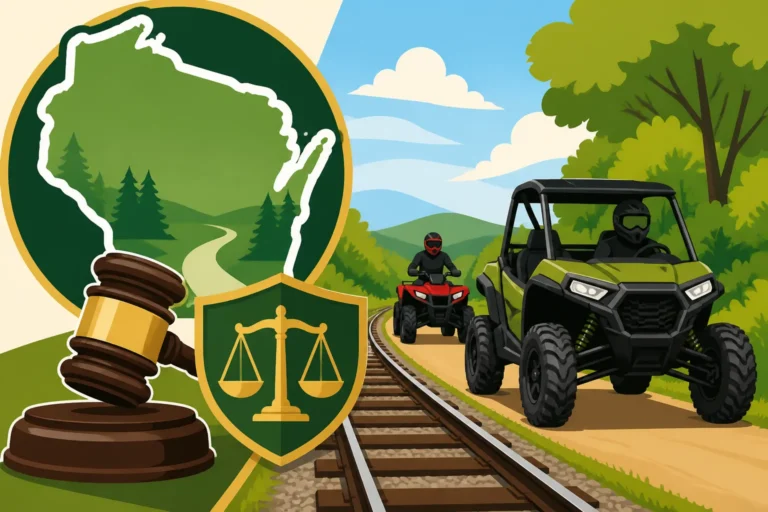
Here's another critical point that many riders misunderstand: you can't just cross railroad tracks anywhere you please. In Wisconsin, ATVs and UTVs are only permitted to cross railroad tracks at designated, marked crossings that are part of an approved ATV/UTV route or trail system.
What does this mean in practice? It means you can't decide to take a shortcut across an unmarked section of track, even if it looks like an easy jump. This is considered trespassing and is strictly illegal. Railroad property is private property, and riding on it without express permission, even for a few feet to cross, can lead to fines, your machine being impounded, and a severe dressing-down from a railroad official or warden. Railroad companies take trespass very seriously due to the immense danger their operations pose. They are not messing around when it comes to safety on their tracks.
Many of Wisconsin’s fantastic ATV and UTV routes are carefully planned to legally and safely navigate existing infrastructure, including railroad crossings. These designated crossings are usually well-marked with signs indicating the presence of tracks and often have a more prepared surface for crossing. Some old rail lines have even been converted into multi-use recreational trails, or [Wisconsin Rules on Rail-Trails] may apply, but even then, you'll be on a clearly marked, converted path, not an active rail line. Always consult official maps or [Finding a Wisconsin Town's ATV Ordinance] to confirm the legality of any route you plan to ride, especially if it involves railroad grades. Taking an unauthorized shortcut might save you a few minutes, but it could cost you a lot more in fines, machine damage, or worse.
Practical Tips for a Safe Railroad Grade Crossing on Your Wisconsin Ride
Knowing the rules is one thing; putting them into practice is another. Even at a designated, legal crossing, you need a plan. Railroad tracks are inherently tricky, and a smooth, safe crossing requires technique and attention to detail. This isn’t the time for showing off or rushing.
Pre-Crossing Preparation and Assessment
As you approach a railroad crossing on your Wisconsin ride, shift your mindset to maximum caution. Start preparing well before you actually reach the tracks.
- Slow Down and Approach Squarely: Reduce your speed significantly as you near the crossing. You want to have full control of your machine. When you approach the tracks, aim to cross them as perpendicularly as possible – a 90-degree angle if the layout allows. Crossing at a sharp angle increases the risk of tires slipping between the rails or high-centering your machine, especially if you have a longer wheelbase UTV.
- Check for Obstacles and Conditions: Once you've stopped and performed your "look and listen" routine, take a moment to visually inspect the crossing itself. Are the rails excessively high? Is the surface between the rails intact or are there potholes, loose gravel, or broken asphalt? Is there enough clearance for your machine’s undercarriage? This is particularly important for machines with lower ground clearance or those heavily loaded down with gear. Even if you've got a formidable lift kit from SuperATV, it's wise to assess the terrain carefully; sometimes, the approach to the tracks is more problematic than the tracks themselves. Look for any debris, fallen branches, or anything else that could snag your tires or undercarriage.
- Be Mindful of Grades and Turns: Some crossings might be on a slight incline or have a gentle curve leading into or out of them. Anticipate how your machine will react to these changes in elevation and direction. You want to maintain a steady, controlled approach without any sudden swerves or sharp turns while on the tracks.
Execution: The Crossing Itself
Once you've stopped, confirmed no train is approaching, and assessed the crossing's condition, it's time to execute the actual crossing.
- Steady, Controlled Speed: Engage the appropriate gear (usually low gear for ATVs, or a controlled low range for UTVs, especially if the grade is steep) and proceed across the tracks at a slow, steady, and deliberate speed. Don't hit the gas suddenly, and don't slam on the brakes once you're on the rails. Maintain a consistent throttle to carry you smoothly over the rails without losing momentum or control.
- Keep Your Wheels Straight: As you cross, try to keep your front and rear wheels pointed straight ahead, perpendicular to the tracks. Avoid turning your handlebars or steering wheel sharply while your tires are directly on the rails or in the gaps between them. A sudden turn can cause your tire to get lodged in the gap, potentially damaging your tire, rim, or even causing a loss of control.
- Body Position: On an ATV, stand up slightly in your riding position to absorb some of the shock with your legs. This helps maintain balance and reduces the impact transmitted directly to your body and the machine’s chassis. For UTVs, ensure all passengers are securely buckled in.
What to Do If You Get Stuck or See a Problem
Even with the best preparation, things can go wrong. Knowing what to do in an emergency is paramount.
- If You Get Stuck: Your absolute priority is to get yourself and any passengers off the tracks immediately, away from the path of an oncoming train. If a train is approaching, abandon the machine and get to safety. Once everyone is safe, and only if there is no immediate train danger, assess if you can quickly free your machine. If not, call 911 or the local sheriff’s department, providing your exact location. Most crossings have a small blue sign with an emergency contact number and the crossing ID. Provide that information to the dispatcher. Never try to move a train yourself or stay on the tracks to save your machine if a train is coming. Your life is not worth a piece of equipment.
- Reporting Damaged Crossings or Hazards: If you encounter a crossing that is severely damaged, has missing signs, or presents an extreme hazard, report it. Contact the local municipality or the Wisconsin DNR. Providing details like the road name, county, and any identifying crossing numbers can help them address the issue quickly. This helps keep everyone safer in the long run. If you happen to be involved in an incident, make sure you know the [Wisconsin ATV Accident Reporting Rules].
| Action | Do's | Don'ts |
|---|---|---|
| Approach | Stop completely, look both ways, listen for trains. | Assume tracks are abandoned or clear; approach at high speed. |
| Assessment | Inspect the crossing surface (rails, gaps, ground clearance). | Neglect to check for obstacles or uneven surfaces. |
| Crossing | Cross perpendicularly at a slow, steady speed; maintain straight wheels. | Cross at sharp angles; accelerate or brake suddenly; try to turn on the tracks. |
| Safety | Prioritize personal safety; abandon machine if a train is approaching. | Try to "beat" a train; stay on tracks to save your machine if a train is near; cross at undesignated locations. |
| Reporting | Report damaged crossings or hazards to authorities. | Ignore dangerous conditions or illegal crossings. |
Beyond the Tracks: General Safety and Legal Reminders for Wisconsin Riders
Navigating railroad crossings is just one piece of the puzzle when it comes to responsible and safe ATV/UTV riding in Wisconsin. It's all part of a larger commitment to understanding the rules, respecting the environment, and ensuring that our beloved sport remains enjoyable and accessible for everyone.
Always Know Your Route and Local Ordinances
The best defense against encountering an unexpected or illegal railroad crossing is thorough planning. Before you head out, familiarize yourself with your chosen route. Use maps provided by the Wisconsin DNR, county forestry departments, or trusted apps. These resources will clearly indicate designated ATV/UTV trails and routes, including where they legally intersect with roads and, yes, railroad tracks.
Remember that [Wisconsin Rules for Riding an ATV on a Wisconsin Road Route] can vary, and what's allowed in one town might be different in another. Always check [Finding a Wisconsin Town's ATV Ordinance] if you're riding in an unfamiliar area, as some local rules might specify certain crossing requirements or limitations. Ignorance of the law is never an excuse, and knowing your route thoroughly can prevent you from inadvertently trespassing or violating local rules, which can easily lead to [Wisconsin Fines for Illegal Road Riding].
The Bigger Picture of Responsible Riding
Respecting railroad crossing laws is part of a broader ethic of responsible riding. It reflects a commitment to safety, both for yourself and others, and to preserving access to our incredible trail systems. Whether it’s staying on marked trails, understanding speed limits, or avoiding riding under the influence of alcohol, these rules are in place for good reason. Just like the strict requirements about not operating a machine under the influence, which you can learn more about in [Wisconsin Alcohol Limits for ATV Operators], the caution required at railroad tracks is non-negotiable.
Ultimately, every time we ride, we're ambassadors for the sport. By adhering to all regulations – from registration and safety certificates like those detailed in [Wisconsin Safety Certificate Requirements] to the specific protocols for crossing tracks – we ensure that Wisconsin's trails and routes remain open and enjoyable for generations to come. Ride safe, ride smart, and let’s keep those wheels rolling legally and responsibly!
Disclaimer
This article is for general informational purposes only and does not constitute professional advice. Laws, prices and regulations vary by location and change over time. Consult a qualified professional for guidance on your specific situation.