Wisconsin Access to a Boat Landing by ATV
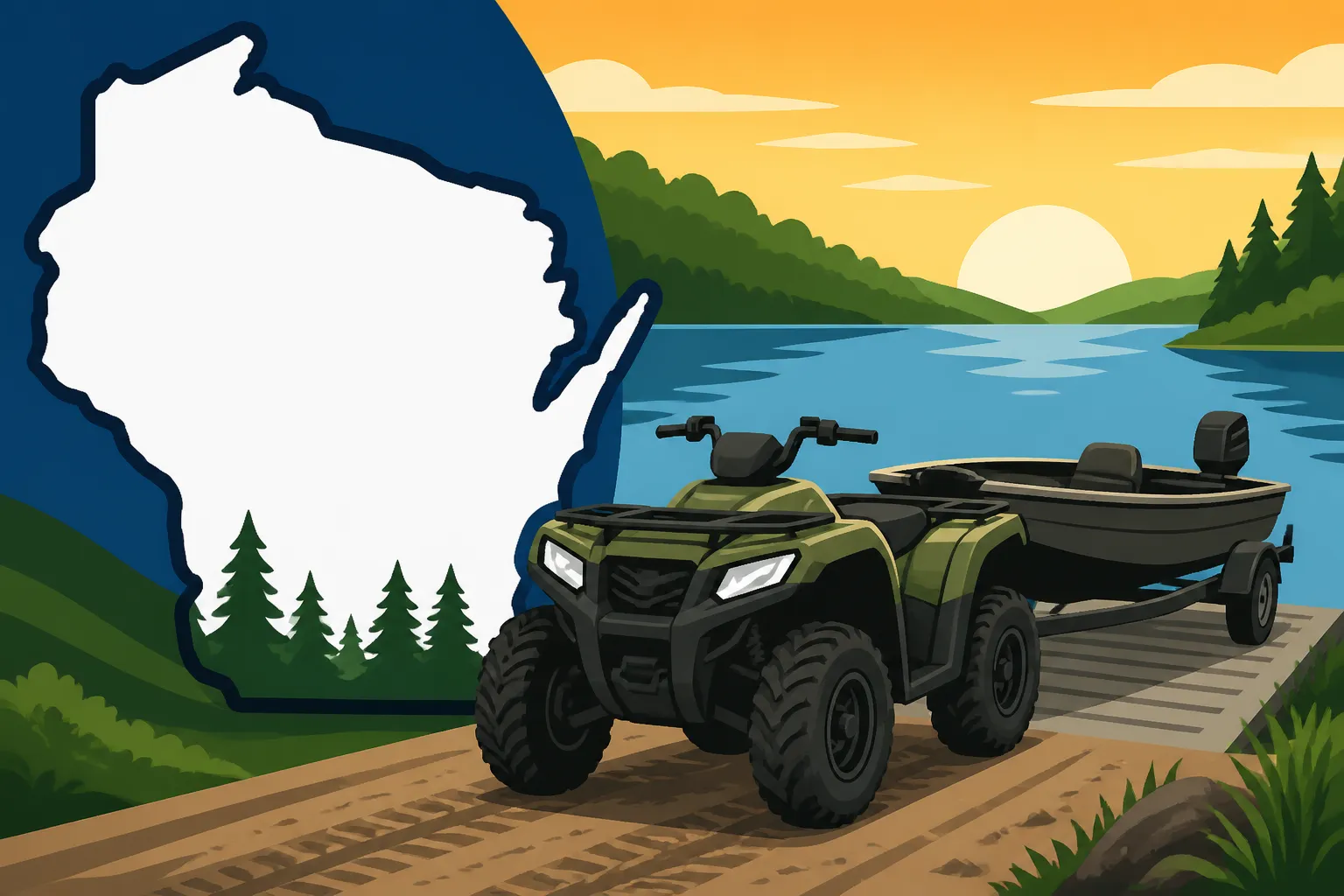
It’s a beautiful Wisconsin day, the sun is shining, and you’ve got your ATV or UTV loaded up, ready for a day on the trails or exploring the backroads. Maybe you're thinking about taking your machine right down to the local lake, perhaps to drop a fishing boat in for an afternoon on the water, or simply to enjoy the view from the shore. But then that nagging question pops into your head: can you actually take your ATV or UTV directly to a boat landing in Wisconsin? This is a really common point of confusion for many riders, and honestly, the answer isn't always a straightforward "yes" or "no." This guide will help you understand the rules, find legal access, and navigate boat landings responsibly with your off-highway vehicle.
The General Rule: Is Direct ATV Access to Boat Landings Allowed in Wisconsin?
The dream of cruising right up to the water's edge on your quad or side-by-side to launch a kayak or just cast a line is appealing, isn't it? Unfortunately, the general rule of thumb in Wisconsin is that direct ATV or UTV access to boat landings isn't automatically permitted. It’s not like driving your truck down the ramp. These areas are primarily designed for traditional vehicles with trailers, and introducing ATVs can create safety hazards and environmental concerns if not properly managed.
Understanding the "No Go" Zones
Think about how busy a boat landing can get, especially on a warm summer weekend. You have cars, trucks, boat trailers, people launching and retrieving, kids playing, and sometimes even swimmers in designated areas. Throwing ATVs and UTVs into that mix without specific regulations can quickly lead to chaos and accidents. Most boat landings, particularly those within state parks, national forests, or even many municipal parks, will have clear signage prohibiting ATV or UTV access beyond the parking lot, if they're allowed in the parking lot at all. The concern isn't just about traffic flow; it's also about potential damage to sensitive shoreline environments, erosion from tires, and the risk of fuel or oil contamination in the water. Unless you see specific signage indicating otherwise, assume that driving your machine down the boat ramp or onto the immediate shoreline is not permitted. It’s always better to be safe than sorry, and avoiding a hefty fine or an accident is definitely worth taking a moment to check.
The Exception: Designated ATV/UTV Routes and Trails
Now, here's where things get a bit more interesting, and where your hope of ATV-to-water access might actually materialize. While direct access isn't universally allowed, many Wisconsin towns, counties, and even state forests have been incredibly proactive in developing extensive ATV and UTV trail and route systems. The good news is that some of these thoughtfully planned [Wisconsin ATV Route] systems do incorporate designated access points to lakes, rivers, and even boat landings. These are the golden tickets! When a trail or route is specifically marked to provide access to a body of water or a boat landing, it means the local authorities have considered the safety, environmental impact, and user experience, and have made provisions for it. You might find a spur trail leading off the main route directly to a designated spot, or a public boat launch clearly marked as accessible by ATV/UTV. These are often in communities that are very trail-friendly, understanding that riders want to enjoy all aspects of the natural landscape, including the water. The key is that these are designated spots, not just any old boat launch you stumble upon.
How to Legally Access a Wisconsin Boat Landing by ATV/UTV
So, you're not going to just wing it and hope for the best. That's a smart move. The secret to successfully and legally accessing a boat landing with your ATV or UTV in Wisconsin lies entirely in good old-fashioned preparation and research. Don't rely on hearsay or what you think might be allowed. Each county and municipality can have its own specific rules, which is why a little homework goes a long way.
Researching Local Ordinances and Maps
This step is absolutely critical. Before you load up and head out, make it a habit to check the local regulations for the area you plan to ride. Your best resources are often the county DNR office, the local town or city clerk's office, or the county forestry department. These folks are the keepers of the local laws and usually have the most up-to-date information. Many counties and towns will publish detailed maps specifically for ATV and UTV trails and routes. These maps are invaluable because they often clearly mark where you can and cannot ride, and critically, where you might find designated access points to water.
Tools like [onX Offroad for Wisconsin Trails] can be incredibly helpful for visualizing these routes and identifying potential water access points right from your smartphone or computer. Look for symbols or notes on these maps indicating "ATV/UTV Boat Access" or similar. If you're unsure, a quick phone call to the local sheriff's department or DNR station in that specific area can clarify things. Remember, ignorance of the law is no excuse, and a warden will expect you to know the local rules. Also, don't forget to review [Municipal Ordinances Wisconsin Riders Must Read] as they often contain specific provisions about vehicle use on local roads and access points.
Recognizing Designated Access Points and Signage
Once you're out on the trails or routes, keep your eyes peeled for official signage. This is your definitive guide in the field. Designated ATV/UTV routes that allow access to boat landings will typically have clear, official signs indicating this. These signs might be as simple as an arrow pointing to "Boat Launch" with an ATV symbol, or more detailed instructions. These are not just casual signs; they are put up by the local authorities after careful consideration. If you encounter a boat landing or lake access point that doesn't have such specific ATV/UTV signage, you should always assume that access for your machine beyond the typical parking area is prohibited.
Imagine you're riding a clearly marked [Wisconsin ATV Route] through Oneida County and you see a sign that says "Town of Pelican Lake Boat Launch – ATV/UTV Access." That's your green light! You can then proceed, following any additional posted rules. However, if you come across a scenic lake, and there's a boat landing with no specific ATV signage, even if it's right off a trail, do not assume you can drive your machine down the ramp. Always respect private property signs and "no trespassing" warnings. The presence (or absence) of proper signage is your most important indicator when out in the field.
Practical Considerations and Best Practices for ATV/UTV Boat Landing Access
Even when you've found a legal, designated access point to a boat landing, your responsibility doesn't end there. Sharing public spaces, especially popular ones like boat landings, requires a good measure of common sense, courtesy, and environmental awareness.
Safety and Courtesy at the Launch
Boat landings are busy hubs with a diverse mix of users. When you're bringing an ATV or UTV into this environment, it's crucial to prioritize safety and exhibit good trail etiquette. Here are some key points to remember:
- Yield to Boaters: Boats and trailers are often large and cumbersome. Always give them ample space and priority when they are maneuvering to launch or retrieve.
- Keep Speeds Down: Boat landings are not the place for speed. Drive slowly, cautiously, and be aware of pedestrians, children, and pets who might be in the area.
- Minimize Noise: While many of us appreciate a robust engine sound, others at a peaceful lake might not. Operate your machine as quietly as possible. If you've been thinking about an aftermarket exhaust, consider one that's designed for quieter operation, or just throttle responsibly.
- Don't Block Ramps or Parking: Never park your ATV or UTV in a way that blocks the boat ramp, access points, or designated parking spaces for vehicles with trailers. Find appropriate, out-of-the-way parking.
- Be Aware of Alcohol Limits: Just as on trails, [Wisconsin Alcohol Limits for ATV Operators] apply at boat landings. Don't mix alcohol with operating your ATV or UTV, especially in busy, public areas. Law enforcement patrols these areas, and wardens often check for compliance.
Machine Readiness and Environmental Impact
Taking your machine near water requires extra vigilance regarding its condition and potential environmental effects. Nobody wants to be responsible for polluting a beautiful Wisconsin lake.
- Prevent Leaks: Before you head to a boat landing, do a quick check of your ATV or UTV for any signs of fuel, oil, or coolant leaks. A drip in the parking lot is one thing, but a leak near the water's edge can cause serious environmental damage and lead to fines. Make sure all your fluids are contained. This might involve a quick inspection of hoses and seals, and ensuring your machine is in good working order. If you're a DIY enthusiast who frequently uses SuperATV parts for maintenance or upgrades, ensure everything is installed correctly and securely.
- Stay on Designated Paths: Even if you have legal access, resist the urge to drive off designated paths onto soft shoulders or directly into the water. This can cause erosion, damage sensitive vegetation, and disturb wildlife habitats. Stay on the paved or graveled areas specifically provided.
- Clean Your Machine: If you're moving between different bodies of water, or even different areas of the state, it's a good practice to clean your machine of any aquatic invasive species (AIS). Seeds, plant fragments, and even microscopic organisms can hitch a ride on your tires or undercarriage. A quick rinse-off at a car wash or with a brush before arriving at the boat landing can help prevent the spread of these harmful species.
Required Documentation and Equipment
Just like riding anywhere else on public lands or designated routes in Wisconsin, you'll need to have your ducks in a row when accessing a boat landing. A Wisconsin warden or local law enforcement officer can ask you for documentation at any time.
- Registration: Your ATV or UTV needs to be properly registered with the Wisconsin DNR. This usually means a [Wisconsin's Public Use ATV Registration] if you're on public trails or routes. Keep your registration card with you, as [What a Wisconsin Warden Asks a Rider For] typically includes proof of registration.
- Safety Certificate: If you were born on or after January 1, 1988, you are required to have an ATV/UTV safety certificate to operate on public trails and routes. Make sure you have your [Wisconsin's ATV Safety Certificate Requirement] card or proof of completion on hand.
- Non-Resident Trail Pass: If you're visiting Wisconsin from out of state, you'll need to purchase a [Wisconsin's Non-Resident Trail Pass] to ride on public trails and routes, which would include any designated routes leading to a boat landing.
- Basic Safety Gear: Always wear appropriate riding gear, including a helmet (if required by law for your age or location), eye protection, and sturdy footwear. While not always legally mandated for adults, it's simply good practice for your safety.
Common Misconceptions and What to Avoid
It’s easy to get caught up in assumptions when you're out enjoying the beautiful Wisconsin landscape. However, when it comes to legal access points, especially those involving sensitive areas like boat landings, a few common misconceptions can lead to trouble. Avoiding these pitfalls will save you a headache, and potentially a fine.
Assuming Access Because You See Others Doing It
This is perhaps the most common trap riders fall into: "Well, I saw another ATV go down there yesterday, so it must be okay." This line of thinking can lead you directly to a citation. Just because you see someone else operating their machine in a way that appears to be illegal doesn't make it legal for you. There might be specific circumstances you're unaware of, or more likely, that rider might simply be breaking the rules.
Wardens and local law enforcement often patrol popular areas, and they aren't going to distinguish between you and someone else when issuing a ticket. If you're caught riding your [Penalties for an Unregistered ATV in Wisconsin] or accessing a boat landing where it's not permitted, you'll bear the consequences regardless of what you observed another rider doing. Always verify the rules yourself through official sources rather than relying on the actions of others. It’s your responsibility to know and follow the local ordinances and state statutes.
Using "Farm Exemptions" for Recreational Access
Wisconsin does offer certain exemptions for ATVs and UTVs used for agricultural purposes, such as operating on farm fields or for specific farm-related tasks. These [Wisconsin Exemptions for Farm Machines] can sometimes create confusion, with riders mistakenly believing that if their machine could be used for farm work, it's exempt from typical regulations even when used recreationally.
However, accessing a boat landing for recreational purposes – whether it's to drop off a fishing pole, launch a canoe, or just enjoy the view – does not fall under an agricultural exemption. The exemption applies specifically to the machine's use for farming activities, not its potential for it. If you're riding your utility side-by-side to the lake for leisure, it's considered a recreational vehicle and must adhere to all public trail and route rules, including proper registration and safety certification. Don't try to stretch the definition of "farm use" to cover recreational excursions; it won't hold up if you're questioned by law enforcement.
The "Just a Little Bit" Principle
"Oh, it's just a short distance off the marked route," or "I'm just quickly driving over this little patch of grass to get closer to the water." These small, seemingly insignificant deviations are exactly what cause environmental damage, create unsafe conditions, and often lead to citations. The "just a little bit" principle is a slippery slope.
Many natural areas, including shorelines and wetlands near boat landings, are incredibly fragile. Driving even a short distance off a designated path can compact soil, damage sensitive plant life, and contribute to erosion. This is also how new, unauthorized "trails" are inadvertently created, leading to further resource damage. Furthermore, straying off a marked route, even for a few feet, can put you on private property without permission, which is a clear violation of [Wisconsin Trespass Rules Along Routes]. Always stick to the clearly marked and designated routes and access points. Respecting these boundaries not only protects the environment but also preserves the privilege of riding for everyone by demonstrating responsible stewardship. If a route ends at a boat landing parking lot, assume that's as far as your machine can legally go, unless signage explicitly states otherwise.
| Do's for ATV/UTV Boat Landing Access | Don'ts for ATV/UTV Boat Landing Access |
|---|---|
| Research local ordinances & maps | Assume access without verification |
| Look for official signage/markers | Ride off designated routes/paths |
| Yield to boaters and pedestrians | Block boat ramps or parking |
| Drive slowly & cautiously | Drive recklessly or speed |
| Ensure machine is leak-free | Allow fluids to drip into the water |
| Carry valid registration & safety certificate | Ride unregistered or uncertified if required |
| Clean your machine of invasives | Spread invasive species between waterways |
| Be courteous to all users | Be loud or disruptive |
Disclaimer
This article is for general informational purposes only and does not constitute professional advice. Laws, prices and regulations vary by location and change over time. Consult a qualified professional for guidance on your specific situation.