Riding a Frozen Wisconsin Lake
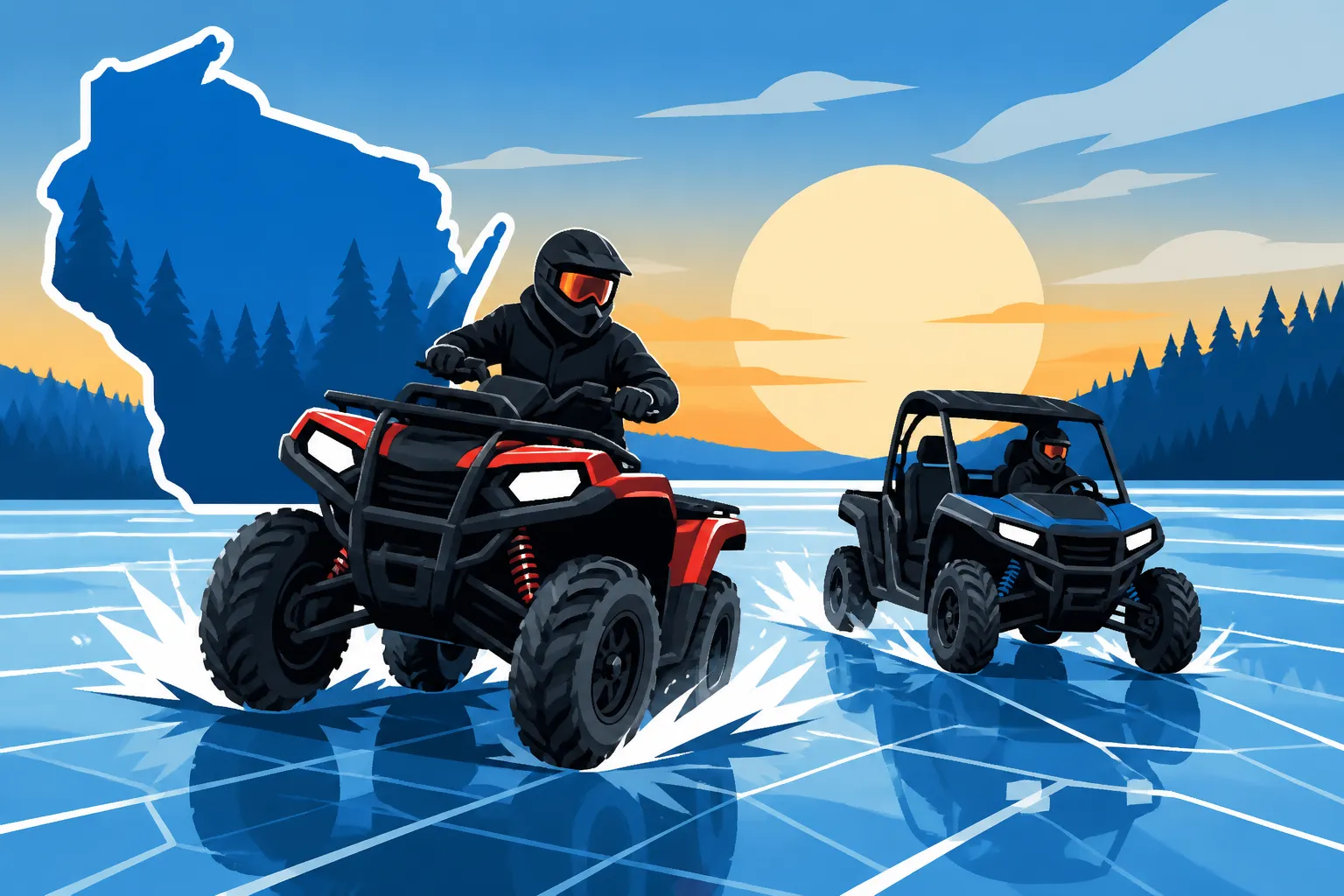
There's nothing quite like the crisp air, the vast expanse of white, and the hum of your ATV or UTV gliding across a frozen Wisconsin lake. For many, it's a winter ritual, a chance to get out, ice fish, or simply enjoy the unique serenity of the Northwoods in its quiet season. But that stunning beauty can hide serious dangers, and knowing what you're doing before you venture out is absolutely non-negotiable. This guide is all about helping you understand the real risks, prepare properly, and stay safe while enjoying the frozen waters of our beautiful state.
The Allure and the Real Dangers of Ice Riding
Wisconsin's winters transform our thousands of lakes into playgrounds, drawing ice anglers, snowmobilers, and, increasingly, ATV and UTV riders. The ability to drive directly to your favorite fishing spot, or simply explore the vast, open landscape that's usually inaccessible, is a huge draw. It's an unparalleled feeling of freedom, a true Wisconsin experience that creates lasting memories. Many local communities embrace this, with ice roads and designated access points becoming common features once the ice truly sets in.
However, the frozen surface of a lake is a deceptive beast. It’s never uniformly thick, and what looks solid in one spot can be dangerously thin just yards away. The biggest frustration for riders is this unpredictability; you can do everything right, check the weather, talk to locals, and still encounter a patch of unstable ice. It's not just about the ambient air temperature, either. Underwater currents, natural springs bubbling up from the lakebed, and even the natural movement of the lake itself can all create weak spots.
One of the most insidious threats is snow cover. While a fresh blanket of snow looks pristine, it actually acts as an insulator, preventing the ice underneath from thickening further. A heavy snow year can mean that despite prolonged cold temperatures, the ice might remain thinner than expected. Then there are pressure ridges, which form when large sheets of ice expand and push against each other, creating cracks and areas of instability. These often appear as raised lines or humps on the ice, and they are notorious danger zones. Navigating around these, or knowing how to spot them, is crucial for your safety and the safety of your passengers.
Essential Preparations Before You Venture Out
Before you even think about putting a wheel on the ice, meticulous preparation is key. This isn't just about packing a lunch; it's about life-saving steps that could make all the difference. Many experienced riders will tell you that the planning phase is just as important as the ride itself, especially when dealing with the unpredictable nature of frozen water. Skipping steps here is simply asking for trouble, and frankly, it's not worth the risk.
Checking Ice Thickness and Conditions
The single most important factor is ice thickness. There are general guidelines, but these are minimums and should always be treated with extreme caution. The Wisconsin Department of Natural Resources (DNR) typically recommends a bare minimum of four inches of clear, solid ice for ice fishing or walking, and five to eight inches for a single ATV or UTV. For groups of machines or heavier UTVs, you're really looking at eight to twelve inches or more. These aren't arbitrary numbers; they are based on years of experience and unfortunate accidents. For more detailed information on what constitutes safe ice, make sure you understand [Ice Thickness Before You Ride Out].
| Activity | Minimum Ice Thickness (Clear, New Ice) |
|---|---|
| Ice Fishing / Walking | 4 inches |
| Single ATV / Snowmobile | 5-8 inches |
| Group of ATVs / UTVs | 8-12+ inches |
| Car / Small Truck | 12-15 inches |
| Medium Truck | 15-20 inches |
However, these are just guidelines. Always check local conditions. Talk to bait shops, local resorts, the county sheriff's department, or seasoned ice anglers who are already out there. They often have the most up-to-date information on specific lakes and problematic spots. Look for recent reports of vehicles going through, or areas that are known to have current activity. Never assume that because one part of a lake is safe, the entire lake is. This is a common and dangerous misconception, leading to countless incidents every winter.
Equipping Your Machine and Yourself for Safety
Your ATV or UTV needs to be ready for the cold and the potential dangers. First, ensure it's in top mechanical condition, as breaking down far from shore in freezing temperatures is a serious problem. Beyond that, consider traction. While tracks aren't strictly necessary for all ice riding, they can significantly improve stability and flotation in deeper snow or slush. For standard tires, ensure they have good tread. Some riders even opt for studded tires for enhanced grip on slick ice. Investing in accessories like those from SuperATV, such as reinforced skid plates or a high-quality winch, might not prevent you from going through, but they could certainly aid in recovery or protect your machine from hidden obstacles under the snow.
Personal safety gear is paramount. You absolutely need a personal flotation device (PFD) – a life vest – worn over your outer clothing. If you go through, the shock of the cold water will make it incredibly difficult to stay afloat, let alone swim, especially with heavy winter gear. Ice picks (two spiked handles on a string, worn around your neck) are also crucial for self-rescue, allowing you to pull yourself onto the ice. A whistle, a fully charged cell phone (in a waterproof bag), and a basic first-aid kit are also essential. Carrying a long rope (at least 50 feet) is smart, both for pulling yourself out or assisting others. Finally, let someone know your plans: where you're going, your route, and when you expect to return. This is especially vital if you're riding alone.
Legalities and Common Sense on Wisconsin Ice
Riding on a frozen lake in Wisconsin isn't like riding on your back forty. These are often public access points, subject to specific regulations and general common sense rules that protect everyone on the ice. Being aware of these rules and practicing good etiquette makes the experience safer and more enjoyable for all. You don't want a run-in with a conservation warden just because you weren't informed.
Registration and Operating Rules
Just like riding on trails or designated routes, your ATV or UTV must be properly registered to operate on public frozen waters in Wisconsin. This means displaying your current registration decals and having your registration card with you. Even though it's a frozen lake, it's considered part of the state's public waterways, and enforcement applies. For details on ensuring your machine is compliant, you'll want to review [Wisconsin Rules for a Machine on Ice]. If you're visiting from out of state, there are specific requirements for you as well, so make sure to check [Wisconsin Registration for an Out-of-State Machine].
Beyond registration, general operating rules apply. Pay attention to any posted speed limits or regulations specific to certain lakes or areas, especially near public access points or ice fishing communities. Many towns or counties might have ordinances for their lakes, so it's always wise to check local signage. Never operate your machine recklessly or in a way that endangers others. This includes maintaining safe distances from ice anglers, shanties, and other vehicles. Also, remember that all ATV/UTV laws regarding intoxication apply on the ice. Just because you're out on a vast lake doesn't mean you can drink and drive. Be sure you understand [Wisconsin Alcohol Limits for ATV Operators] before you head out. A warden will be checking for that, just as they would on a public trail.
Respecting Property and the Environment
While a frozen lake may feel like open territory, it's important to remember that the shorelines are often private property. Always use designated public access points, and never trespass to get onto the ice. This can lead to fines and strained relationships with local landowners. When riding, be mindful of noise, especially early in the morning or late in the evening. There are usually homes or cabins nearby, and excessive noise can be a significant disturbance.
Finally, tread lightly on the environment. Do not litter on the ice or leave anything behind. This includes fishing line, bait containers, or any debris from your machine. If you're hauling in gear, make sure it's secure. Consider investing in robust storage solutions from companies like SuperATV to keep your items contained and prevent them from falling out. Everything that goes out onto the ice must come back off, including your machine, even if it breaks through. Protect the beauty of Wisconsin's lakes for future generations of riders and anglers.
What to Do If the Unthinkable Happens
No one ever plans to go through the ice, but it happens every winter. The key is to know exactly what to do in those terrifying moments, both for yourself and for anyone you're riding with. Panic is your biggest enemy, so having a plan—even a mental one—is critical. This is where all those preparations you made earlier truly pay off.
Self-Rescue and Assisting Others
If you find yourself or your machine breaking through, the first instinct might be to panic. Don't. Take a deep breath. If you're in your machine, try to get out quickly. Kick off your seatbelt if you're in a UTV. If you're flung into the water, immediately try to turn back the way you came, as the ice you just broke through is likely thinner. Use your ice picks to get a grip on the solid ice edge. Kick your feet, almost like treading water, and try to pull yourself up onto the ice, propelling yourself forward like a seal. Once you're out, don't stand up. Roll or crawl away from the hole to distribute your weight, heading towards the area of thicker ice you came from.
If a companion goes through, do not run directly to the edge of the hole. This could just create a second incident. Instead, stay low, spread out your weight, and reach out with a branch, a rope, or even your ice picks tied to something long. If you have a throwable PFD, get it to them. Keep talking to them, reassuring them, and encouraging them to keep kicking and trying to get out. Hypothermia sets in quickly in frigid Wisconsin waters, so every second counts. Once they're out, get them into dry clothes immediately and start warming them up.
Seeking Emergency Help and Post-Incident Steps
Once everyone is safely out of the water, and assuming no one needs immediate, critical medical attention (in which case, call 911 immediately), your next priority is to get off the ice and seek warm shelter. Even if someone only got wet to their knees, hypothermia can be a real threat. Get to a heated vehicle, cabin, or bait shop as quickly as possible. The Wisconsin DNR recommends carrying spare dry clothes in a waterproof bag, which can be a lifesaver in these situations.
Report the incident to local authorities, especially if your machine is still in the water. They can help with recovery and also mark the dangerous spot for other riders. Never try to recover a submerged machine yourself without professional help, as it’s incredibly dangerous. Knowing that you have adequate insurance coverage for your machine can also provide some peace of mind after such an event; remember to check [Wisconsin ATV Insurance Cost] to ensure you're covered for such unlikely but serious events. While it’s a frightening experience, knowing what to do and having the right gear can turn a potential tragedy into a harrowing story of survival.
Disclaimer
This article is for general informational purposes only and does not constitute professional advice. Laws, prices and regulations vary by location and change over time. Consult a qualified professional for guidance on your specific situation.