Wisconsin Penalties for Reckless Riding
Picture this: you're out on the trails, the sun is shining, and you're feeling the freedom that only an ATV or UTV ride in Wisconsin can offer. But then, you see it – someone ripping through a wetland, doing donuts right next to a family picnic area, or flying down a road route well over the posted limit. It's a quick thrill for them, maybe, but it jeopardizes everyone's safety, damages our precious natural resources, and, perhaps most importantly for the rider themselves, carries some pretty serious consequences. This guide is all about shining a light on those consequences, from the fines that sting your wallet to the possibility of losing your riding privileges altogether, so you can stay safe and responsible on Wisconsin's incredible trail systems and road routes.
What Constitutes Reckless Riding in Wisconsin?
It's easy to think of "reckless riding" as just going too fast, but in Wisconsin, the legal definition and the practical implications go far beyond simply breaking a speed limit. It’s about a pattern of behavior that shows a profound disregard for safety, for others, and for the very rules that keep our riding areas open and enjoyable for everyone. Understanding where that line is drawn can save you a lot of grief.
Beyond Simple Speeding: Understanding the Definition
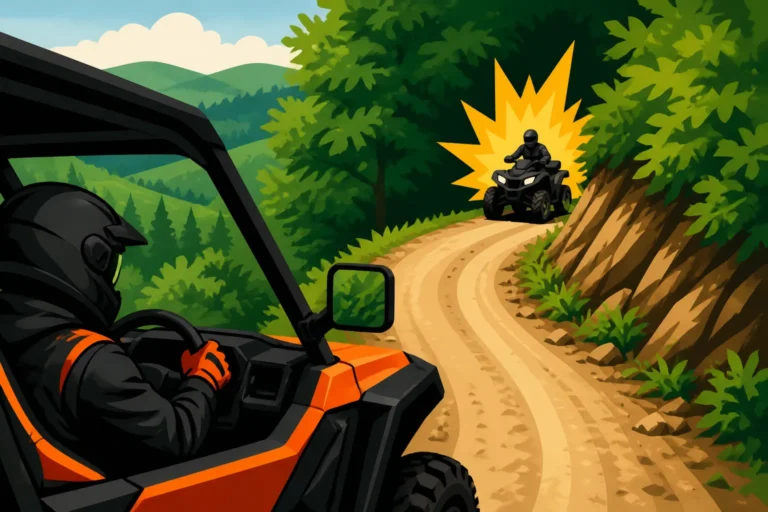
When a Wisconsin DNR warden or local law enforcement officer talks about reckless operation, they're looking at the totality of the circumstances. It’s not just the speedometer reading, though excessive speed for conditions is certainly a big part of it. Reckless riding can involve doing "donuts" or sharp turns that tear up sensitive trail shoulders, intentionally trying to splash pedestrians or other riders, riding on closed or unmarked trails, or weaving erratically through other traffic on a designated road route. Think about those situations where you see a rider acting in a way that makes you genuinely worried for their safety or the safety of others around them. That feeling of "that's just asking for trouble" is often a good indicator of what constitutes reckless behavior in the eyes of the law.
For example, imagine you're on a popular multi-use trail in a county forest, like those in Clark County. The speed limit might be 25 mph, but if you're taking sharp, uncontrolled turns, kicking up excessive dust, and nearly swerving into oncoming traffic, even at 20 mph, that could easily be deemed reckless. It’s about control, awareness, and respect. Similarly, popping wheelies or doing stunts in a high-traffic area, or near cabins along a trail route, shows a definite disregard for the safety and peace of others.
The Line Between Careless and Reckless
There’s a nuanced but crucial difference between being careless and being truly reckless. Careless operation might be something like momentarily drifting off the trail line, making a slightly too-wide turn, or forgetting to signal. These are often minor infractions, usually resulting in a warning or a smaller citation if a law is broken. They often stem from a lapse in attention or a genuine mistake.
Reckless operation, however, implies a higher degree of culpability. It suggests a conscious decision to ignore known risks or a blatant disregard for the rules and potential consequences. If you're intentionally riding off-trail into a protected wetland, for instance, or deliberately ignoring stop signs on a [Wisconsin Road Route], that's not just carelessness – that's often seen as outright recklessness. It’s the difference between accidentally bumping into someone and intentionally shoving them. The intent, or at least the severe lack of care, is key here, and wardens are trained to assess this distinction.
Impact on Public Land and Resources
One of the often-overlooked aspects of reckless riding is its direct impact on Wisconsin's natural resources and the infrastructure built for riders. Riding off-trail, especially in wet conditions, can cause significant erosion, damage delicate plant life, and disturb wildlife habitats. These aren't just minor inconveniences; they can lead to long-term environmental degradation and cost taxpayer dollars to repair.
When a rider tears up a pristine section of the [Chequamegon-Nicolet National Forest Trails] or a fragile dune area, they're not just getting a thrill; they're creating work for trail crews and potentially jeopardizing the future of access for all riders. Wisconsin's trails are maintained by a dedicated network of clubs and the DNR, often funded by registration fees and trail passes. When reckless behavior damages these trails, it diverts resources from new trail development or necessary maintenance, ultimately harming the entire riding community.
The Tangible Penalties: Fines, Fees, and Legal Ramifications
So, what happens if you're caught riding recklessly in Wisconsin? It's not just a slap on the wrist. The penalties can range from significant financial burdens to the loss of your ability to ride, and in severe cases, even criminal charges. It's truly not worth the risk for a moment of ill-advised fun.
Monetary Costs: What a Citation Can Really Mean
The most immediate consequence of a reckless riding citation is typically a hefty fine. While I can't give specific dollar amounts (those can change and vary by county), you should expect it to be a substantial sum, far more than a typical parking ticket. Beyond the base fine, you'll also be on the hook for various court costs, surcharges, and potential restitution if your actions caused damage to property or natural resources. A single incident could easily cost you hundreds, if not thousands, of dollars.
For example, let's say a rider decides to create their own "shortcut" across a farmer's field, damaging crops and fences in the process. Not only would they face citations for reckless operation and trespassing, but they could also be ordered to pay for the full cost of the damaged crops and fence repairs. This isn't just theory; it happens, and it's a stark reminder that our actions on an ATV or UTV have real-world financial implications. These costs can quickly add up, turning a momentary lapse in judgment into a significant financial burden.
Losing Your Riding Privileges: Suspension and Revocation
Beyond the financial hit, a reckless riding conviction can lead to the suspension or even outright revocation of your ATV or UTV operating privileges in Wisconsin. This means you legally won't be able to ride your machine on public trails or road routes for a set period, which could be months or even years. Imagine buying a new machine, or having one you love, only to be told you can't ride it. That's a huge blow to many enthusiasts.
Repeat offenses are especially problematic. If you've been cited for reckless operation before, subsequent offenses will almost certainly carry stiffer penalties, including longer suspensions. In some serious cases, your [Wisconsin ATV Safety Certificate Requirement] could even be revoked, meaning you'd have to retake the course before you'd ever be eligible to ride again, even after a suspension period ends. This aspect of the penalty hits hard for those who cherish their time on the trails.
The Big One: Criminal Charges and Imprisonment
This is where things get truly serious. While most reckless riding citations are civil forfeitures, certain circumstances can elevate the offense to a criminal charge. If your reckless operation results in serious injury or death to another person, significant property damage, or if it occurs while you are operating under the influence (an [OWI on an ATV in Wisconsin] is a very serious offense), you could face misdemeanor or even felony charges.
Criminal convictions carry far graver penalties, including potentially substantial jail time, large fines, and a permanent criminal record. This isn't just about losing riding privileges; it impacts your life far beyond the trail, affecting employment, housing, and other aspects of your future. It's a sobering thought, but it's a very real possibility for extreme cases of reckless behavior.
Insurance Implications and Higher Premiums
Another often-overlooked consequence of reckless riding convictions is the impact on your ATV/UTV insurance. Just like with car insurance, a history of citations for reckless operation can flag you as a high-risk rider. This can lead to significantly higher insurance premiums when it's time to renew your policy. Some insurance companies might even refuse to cover you altogether, leaving you in a difficult position since many municipalities now require insurance for certain road route access.
Maintaining a clean riding record is not just about avoiding tickets; it's about keeping your overall cost of ownership down and ensuring you remain insurable. When you factor in the fines, potential legal fees, and increased insurance costs, a single reckless act can quickly make owning and operating your machine a much more expensive endeavor.
Here's a quick overview of potential penalties:
| Type of Reckless Action | Potential Immediate Consequences | Long-Term Impacts |
|---|---|---|
| Excessive Speed/Unsafe Operation | Significant Fines, Court Costs | Higher Insurance Premiums, Record of Infraction |
| Riding Off-Trail/Environmental Damage | Fines, Restitution for Damages | Suspension of Riding Privileges, Reputation |
| Operating Under Influence (OWI) | Major Fines, Jail Time, License Revocation | Criminal Record, Long-Term Riding Ban, Social Impact |
| Causing Injury/Property Damage | Criminal Charges, Large Fines, Lawsuits | Imprisonment, Permanent Record, Financial Ruin |
| Repeated Minor Infractions | Increasingly Stiffer Fines | Extended Riding Privilege Suspension |
Why Wardens Take Reckless Riding So Seriously
It's easy to feel targeted if you get a ticket, but wardens and local law enforcement officers aren't out to ruin anyone's fun. They have a serious job to do, and reckless riding poses significant threats to public safety, environmental health, and the very future of ATV/UTV recreation in Wisconsin. Understanding their perspective can help reinforce the importance of responsible riding.
Public Safety and Community Impact
Wisconsin wardens, whether with the DNR or local sheriff's departments, are primarily concerned with public safety. Our state has a fantastic network of trails and [Wisconsin Towns With Miles of Open Roads] for ATVs and UTVs, which means riders often share space with hikers, bikers, equestrians, and even local traffic. A single reckless rider can endanger everyone. Imagine a family enjoying a quiet walk on a trail and having a machine speed by them out of control. That's a terrifying experience and exactly what wardens are trying to prevent.
Beyond immediate safety, reckless riding also has a direct impact on communities. When riders operate unsafely, speed through towns, or cause disturbances, it creates animosity between residents and the riding community. This friction can lead to towns voting to restrict or even close trail access, which hurts everyone who enjoys responsible riding. Wardens are protecting the rights of all users and ensuring that these valuable recreational opportunities remain available. They often patrol areas mentioned in posts like [Riding the Enterprise Trail System on Oneida County Forest] to ensure rules are followed.
Protecting Wisconsin's Natural Resources
Wisconsin is known for its stunning natural beauty, from the vast county forests to its numerous lakes and rivers. The DNR, and by extension, its wardens, are stewards of these resources. Reckless riding, particularly riding off designated trails or in sensitive areas like wetlands, stream banks, or newly planted areas, can cause irreparable harm. Soil compaction, erosion, destruction of vegetation, and disturbance of wildlife are all consequences of irresponsible operation.
The efforts to maintain and expand Wisconsin's trail systems are significant, involving volunteers and substantial funding. When these efforts are undermined by reckless riders who damage trails or sensitive ecosystems, it's a step backward for everyone. Wardens are on the front lines, enforcing regulations that are designed to protect these precious lands for current and future generations.
The Role of Local Ordinances
It’s important to remember that Wisconsin's ATV and UTV rules aren't just state-level mandates. Many towns, villages, and counties across the state have their own specific [Municipal Ordinances Wisconsin Riders Must Read] governing how and where you can ride. These local rules often cover things like hours of operation, specific road routes, speed limits in residential areas, and even local insurance requirements.
What might be permissible in one county could be strictly prohibited in a neighboring one. A warden or local police officer will enforce these ordinances rigorously. Ignoring these local rules, even if you think you're "just having fun," can be considered reckless or at least result in a citation. Before you hit the trails or road routes in a new area, always take the time to check the local regulations. Getting caught [Riding Into a Wisconsin Trail Town] without knowing their specific rules can quickly lead to trouble.
Avoiding Reckless Riding: Safe Practices and Responsible Operation
The good news is that avoiding penalties for reckless riding is entirely within your control. It boils down to a combination of education, preparation, and a commitment to responsible, respectful operation. We all want to enjoy Wisconsin's trails and routes, and doing so safely ensures they remain open for years to come.
Know the Rules: Education is Your Best Defense
The single best way to avoid falling into the trap of reckless riding is to be thoroughly educated. This starts with taking an approved ATV or UTV safety course. [Wisconsin's ATV Safety Certificate Requirement] is crucial for riders born on or after January 1, 1988, but honestly, it's a great idea for everyone. These courses teach you not only the mechanics of safe operation but also the intricacies of Wisconsin's laws and regulations.
Beyond the formal course, make it a habit to regularly review the Wisconsin DNR's ATV/UTV regulations. Laws can change, and staying informed is key. Crucially, before you venture into a new area, always research the local ordinances for that specific town or county. Trail maps often have QR codes or links to local rules, or you can check the county's forestry department website. Ignorance of the law is never a valid excuse for reckless behavior. Knowing [What Wisconsin Riders Need Before They Ride] is your first step to a problem-free trip.
Maintaining Your Machine for Safe Operation
A well-maintained machine is a safe machine. Many incidents that might look like reckless riding could, in part, be attributed to equipment failure. Regularly check your brakes, tires, lights, and steering components. Ensure your throttle control is smooth and responsive. If your machine isn't performing correctly, it’s much harder to maintain control, especially in challenging terrain or unexpected situations.
For instance, worn-out brake pads or a faulty steering component can make it difficult to slow down or navigate tight turns, increasing the risk of an accident that might be perceived as reckless. Investing in quality parts and regular servicing is not just about performance; it's about safety. Companies like SuperATV offer a range of aftermarket parts, from durable suspension components to robust A-arms, which can enhance your machine's reliability and safety when used and installed correctly. Just remember, even the best components can't compensate for irresponsible operation, but they can certainly contribute to a safer, more controlled ride.
Ride Within Your Limits and the Machine's Capabilities
This might sound obvious, but it's often where people go wrong. Don't try to mimic the stunts you see online or push your machine beyond what you or it can safely handle. Every rider has a skill level, and every machine has its limits. Take the time to understand both. Start slow, get comfortable with your machine on varied terrain, and gradually challenge yourself.
Always choose a machine that's appropriate for your age and experience level, especially for youth riders. Be mindful of conditions: a trail that's easy when dry can become treacherous after a heavy rain or when frozen. Adjust your speed and riding style to match the terrain, visibility, and traffic. Staying on marked trails and respecting posted speed limits isn't just about avoiding a ticket; it's about making smart decisions that keep you, your passengers, and everyone else on the trail safe. Remember, if you're not riding within your abilities, you're putting yourself and others at risk, and that's precisely what constitutes reckless behavior in the eyes of the law.
Disclaimer
This article is for general informational purposes only and does not constitute professional advice. Laws, prices and regulations vary by location and change over time. Consult a qualified professional for guidance on your specific situation.