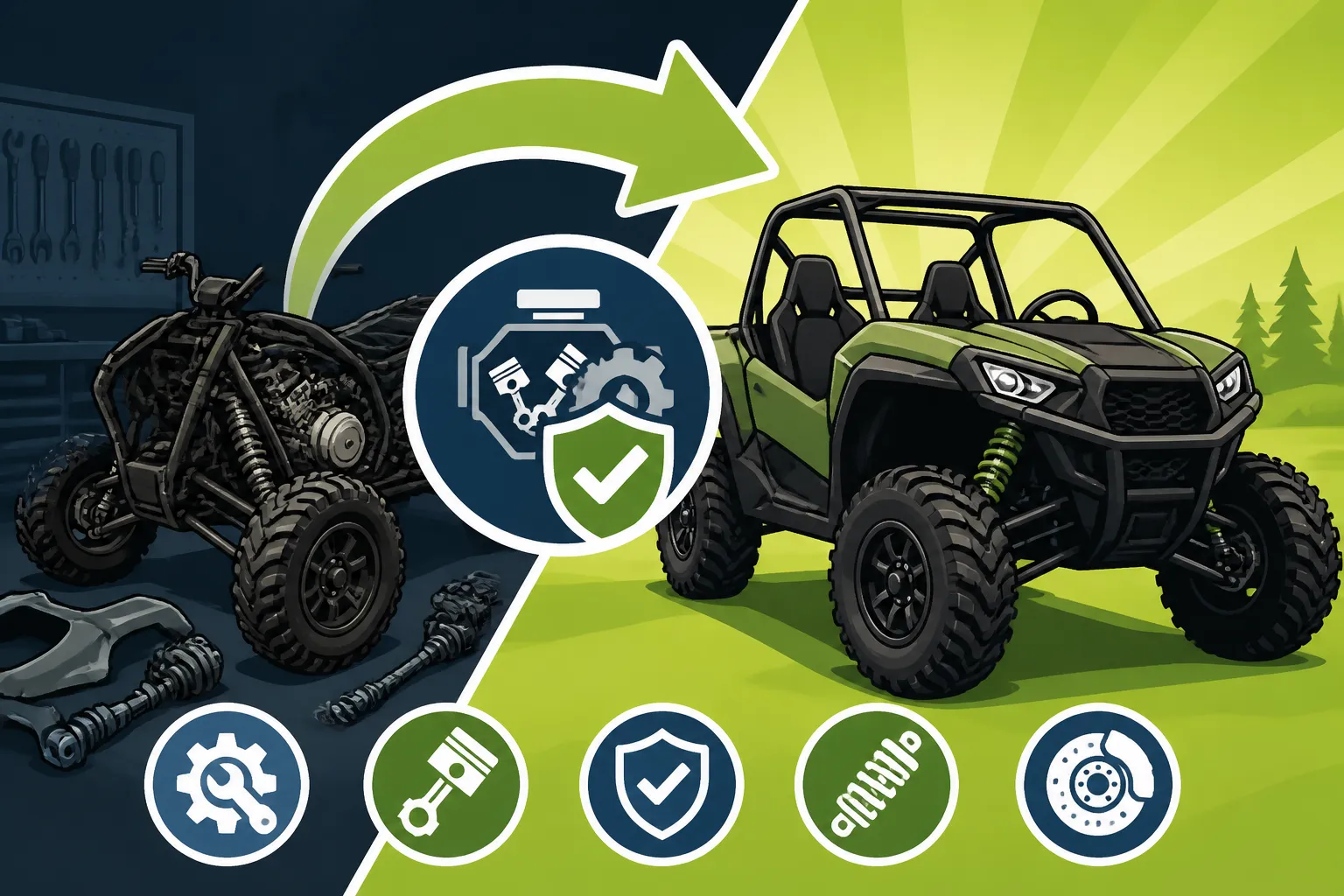
What a Rebuilt Machine Tells a Buyer
Buying an ATV or UTV in Wisconsin can be an exciting adventure, but sometimes you stumble upon listings for "rebuilt" machines, and a little alarm bell might go off. It's totally understandable to feel a bit cautious, maybe even confused, about what that term truly means for a recreational vehicle that doesn't carry a traditional title in our state. This guide is here to cut through the jargon and explain exactly what a rebuilt status tells you about an ATV or UTV, helping you navigate the buying process with confidence and clarity.
Understanding the "Rebuilt" Status in Wisconsin for ATVs and UTVs
When you see "rebuilt" attached to an ATV or UTV listing, it’s not just a casual description; it indicates a specific legal and mechanical history for that machine. In Wisconsin, while we don't have titles for ATVs and UTVs in the traditional sense like cars, the DNR does keep detailed registration records. A "rebuilt" status on that record tells a significant story about the machine's past.
The Journey from Salvage to Rebuilt: What Happens?
Think of a "rebuilt" machine as having gone through a transformation. Before it was "rebuilt," it was almost certainly designated as "salvage." This happens when an ATV or UTV has sustained significant damage – often due to a collision, fire, flood, or even theft recovery – to the point where an insurance company deems the cost of repairs to exceed a certain percentage of its market value. Instead of paying for repairs, they declare it a total loss, and it receives a salvage designation. At this point, it's typically not legal to operate on public trails or routes.
However, a salvage machine isn't necessarily destined for the scrapyard. An owner, or someone who purchases the salvage machine, might decide to repair it. Once repairs are completed, they can apply to the Wisconsin Department of Transportation (WisDOT) for an inspection. This inspection is crucial; it verifies that the vehicle has been repaired in a safe and workmanlike manner, that essential safety components are functioning correctly, and that all necessary parts have been replaced or restored. If it passes this rigorous check, the machine is then issued a "rebuilt" designation, and this status is recorded with the DNR. It's a stamp of approval that, at the time of inspection, it was deemed safe to return to operation. This process for [Salvage and Rebuilt Machines in Wisconsin] is designed to ensure rider safety while allowing machines to re-enter circulation.
Why a Machine Might End Up "Rebuilt"
The reasons an ATV or UTV might acquire a rebuilt status are as varied as the ways we ride them. It’s not always due to a catastrophic, frame-bending smash-up. Sometimes, a machine is declared salvage for seemingly less severe reasons, especially if it’s an older model where repair costs quickly outweigh its market value.
Consider a machine involved in a minor rollover accident. The frame might be fine, but a lot of plastic bodywork, a bent handlebar, and a cracked engine case could quickly add up. An insurance company might write it off. Or perhaps a machine was recovered after being stolen, but during its absence, some parts were removed or damaged, leading to a salvage designation. Flood damage, even if cosmetic on the surface, can lead to electrical issues that are costly to diagnose and repair, pushing a machine into salvage territory. Even something as simple as a fire confined to the wiring harness could trigger it.
The key takeaway here is that "rebuilt" doesn't automatically mean "death trap." It means "damaged and repaired." The nature of the original damage and the quality of the subsequent repairs are paramount. A smart buyer will always dig into the specifics of why the machine was salvaged and how it was rebuilt.
What "Rebuilt" Means for You as a Wisconsin Buyer
So, you've found a rebuilt ATV or UTV that catches your eye. What are the practical implications for your wallet, your peace of mind, and your ability to enjoy the trails? The "rebuilt" status affects several key areas, from the machine's perceived value to how easily you can insure it.
The Impact on Value and Resale
Let's be realistic: a rebuilt machine almost always commands a lower price than one with a "clean" history. It’s the elephant in the room. Even after passing a meticulous inspection and being deemed safe, the "rebuilt" designation carries a stigma. Buyers are naturally wary, and that wariness translates directly into a lower market value. You might find a rebuilt machine for significantly less than a comparable model with a clean history. This can be a huge upside for budget-conscious buyers looking to get more machine for their money.
However, the flip side is that this reduced value will likely follow the machine when you decide to sell it down the road. Future buyers will also see the rebuilt status and expect a discount. You need to factor this into your long-term ownership costs. It's crucial to understand that you're buying into a value proposition where the initial savings are balanced by potential future resale challenges. Don't expect to recoup the same percentage of your investment as you would with a machine that has never been damaged.
Insurance, Financing, and Safety Considerations
When it comes to insuring a rebuilt ATV or UTV in Wisconsin, you might face a few hurdles. Some insurance companies may be hesitant to offer comprehensive or collision coverage on a machine with a rebuilt history, or they might charge higher premiums. Others may offer it but with the caveat that they will only pay out the "actual cash value" in the event of a future claim, which, given the rebuilt status, could be less than what you paid for it. It's essential to shop around and get quotes before you buy to understand your options and the potential costs of [Insuring an ATV in Wisconsin].
Financing can also be tricky. Many lenders prefer machines with clean histories due to the lower perceived risk. If you're planning to finance a rebuilt ATV or UTV, be prepared for potentially higher interest rates, stricter loan qualifications, or even outright refusal from some institutions. Having a substantial down payment can sometimes help.
As for safety, the Wisconsin inspection ensures the machine meets minimum safety standards after repair. However, this doesn't guarantee that every component is brand new or that every repair was performed to factory specifications. It’s a snapshot in time. Hidden damage, even if structurally repaired, could lead to premature wear on other components down the line. For instance, a frame that was straightened might be weaker than a new one, or electrical repairs might not be as robust as the original factory harness. A thorough pre-purchase inspection is absolutely non-negotiable.
Paperwork and Registration Realities
Since Wisconsin does not issue traditional titles for ATVs and UTVs, the "rebuilt" status isn't stamped on a pink slip like it would be for a car. Instead, this designation will be noted on the machine's registration record with the Wisconsin DNR. When you go to [Registering an ATV in Wisconsin], the DNR record will show its history.
From the seller, you should expect a few critical documents:
- A Bill of Sale: This is paramount. It should clearly identify the machine (make, model, VIN), the seller and buyer, the purchase price, and explicitly state that the machine is "rebuilt." A comprehensive bill of sale, perhaps generated through a service like LawDepot, can protect both parties. [What a Wisconsin ATV Bill of Sale Should Carry] is a must-read for this.
- Previous Registration Card: The seller should provide their current or most recent DNR registration card. This card will be necessary for you to transfer the registration into your name.
- Salvage Certificate/Inspection Report: Ideally, the seller will also have documentation from the original salvage designation and the subsequent WisDOT inspection that led to the rebuilt status. This provides invaluable insight into the machine's history and the repairs performed.
Always ensure the VIN on all paperwork matches the VIN on the machine itself. You don't want any surprises when you try to register your new-to-you rebuilt quad or side-by-side. The DNR record, even without a title, serves as your [Proof of Ownership Without a Title].
Your Due Diligence When Buying a Rebuilt ATV/UTV
Buying a rebuilt ATV or UTV can be a fantastic way to save money, but it absolutely requires extra vigilance. This is where your due diligence becomes your best friend. Don't let the excitement of a good deal blind you to potential red flags.
Thorough Inspection: Beyond the Visual
The most critical step when considering a rebuilt machine is a meticulous, professional inspection. While the machine passed a WisDOT inspection to get its rebuilt status, that inspection happened at a specific point in time. It's wise to get a current assessment. Don't just kick the tires and call it good.
- Professional Assessment: If you're not mechanically savvy, pay a trusted, independent mechanic to conduct a pre-purchase inspection. They know what to look for that an amateur might miss. They can perform services like [What a Wisconsin Shop Charges to Inspect a Used Quad].
- Frame Integrity: Look for any signs of welding, cutting, or straightening on the frame. Are the welds clean and professional, or do they look like a backyard job? Uneven tire wear can be a sign of a bent frame or suspension component.
- Suspension and Steering: Check for bent A-arms, tie rods, or shocks. Ensure the steering moves freely and doesn't have excessive play.
- Engine and Drivetrain: Listen for unusual noises. Check for leaks around the engine, transmission, and differential. Examine the CV boots for tears and the driveshaft for damage.
- Electrical System: This is a common area for lingering issues after accidents or flood damage. Check all lights, gauges, and switches. Test the starter thoroughly.
- Brakes: Ensure the brakes feel firm and responsive. Check the brake lines for kinks or damage.
Remember, a good mechanic can often spot telltale signs of poor repairs or hidden damage that might not be immediately obvious.
Demanding Full Documentation and History
You have every right to ask for a complete history of the machine, especially since it's rebuilt. Don't be shy about it. A transparent seller will be able to provide this, while one who is evasive might be hiding something.
- Repair Records and Photos: Ask for all repair receipts and, ideally, photos of the machine before the repairs were done. This helps you understand the extent of the original damage and the quality of the work.
- Salvage Certificate/Inspection Report: Request copies of the original salvage certificate and the WisDOT inspection report that granted the rebuilt status. These are official documents that verify the machine's journey.
- Run the VIN: Use the Vehicle Identification Number (VIN) to check the machine's history. While Wisconsin doesn't have a centralized title database for ATVs like cars, you can still perform a [Running a Used Quad Past Theft Records] check. You can also contact the Wisconsin DNR to inquire about the machine's [Wisconsin Records and a Machine's Ownership History] associated with its VIN. This can confirm the rebuilt status and possibly shed light on its history.
- Ask Direct Questions: Engage the seller in conversation. Ask how the damage occurred, who performed the repairs, and if they've experienced any issues since the rebuild. Their honesty and willingness to provide details can tell you a lot.
- Detailed Sales Agreement: Use a robust sales agreement, particularly for a rebuilt machine. Services like LawDepot offer templates that can be customized to include specific clauses about the machine's rebuilt status, known damage, and any warranties (or lack thereof). This protects both you and the seller.
Considering the Long-Term Picture
Before committing, think about what owning a rebuilt machine might entail beyond the initial purchase.
- Ongoing Maintenance: A rebuilt machine could potentially require more maintenance or have unexpected issues pop up due to its past. Are you prepared for that?
- Parts Availability: If the machine is older or the original damage was extensive, some specialized parts might be harder to source.
- Your Use Case: If you're planning on aggressive trail riding or using the machine for heavy work, the stresses might reveal weaknesses in repairs more quickly than if you're just putting around your yard.
Weighing the Pros and Cons of a Rebuilt Machine
Like most things in life, buying a rebuilt ATV or UTV has both its advantages and disadvantages. Being aware of these will help you make an informed decision that aligns with your budget, your risk tolerance, and your riding aspirations.
The Upsides: A Lower Entry Point
The most compelling reason to consider a rebuilt machine is almost always the price.
- Significant Cost Savings: You can often purchase a rebuilt ATV or UTV for hundreds, sometimes even thousands, less than a comparable model with a clean history. This means you might be able to afford a newer model year or one with more features than you initially thought possible.
- Opportunity for a Newer Machine: For budget-conscious riders, this can be a fantastic way to get into a more modern machine without breaking the bank.
- Ideal for Mechanically Inclined Buyers: If you're comfortable turning a wrench and enjoy troubleshooting, a rebuilt machine can be a rewarding project. You might even find joy in making further improvements or tweaks.
- Less Concern About "Trail Scars": If you plan on using your machine hard or know you'll be adding your own trail scratches, the fact that it's already "rebuilt" might mean you worry less about adding the first ding.
The Downsides: Potential Headaches and Hidden Costs
While the savings are attractive, it's crucial to acknowledge the potential downsides that could negate those initial savings over time.
- Risk of Unknown Issues: Despite passing inspection, there's always a lingering possibility of hidden damage or shoddy repairs that might only become apparent after you start riding. This is the biggest leap of faith you take.
- Difficult Resale: As discussed, the "rebuilt" status will almost certainly impact your ability to sell the machine later and will likely lead to a lower resale value. You'll need to be prepared to disclose its history and justify its price to future buyers.
- Insurance and Financing Challenges: Higher premiums or difficulty obtaining full coverage, along with potentially unfavorable financing terms, can eat into your savings.
- Time and Money for Future Repairs: A rebuilt machine could be more prone to unexpected breakdowns or require more frequent repairs down the road. You might spend some of your initial savings on fixing unforeseen problems.
- Less Clarity on History: Even with documentation, a complete, crystal-clear history might be harder to obtain compared to a machine that has never been damaged.
To mitigate these downsides, having a thorough, legally sound sales agreement is critical. A template from a provider like LawDepot can ensure that both parties are clear on the machine's condition and history, protecting you from future disputes.
Here's a quick comparison of what different statuses generally mean for an ATV/UTV in Wisconsin:
| Feature | Clean History Machine | Rebuilt Machine | Salvage Machine |
|---|---|---|---|
| Origin | Never declared a total loss. | Once declared a total loss, then repaired and inspected. | Declared a total loss by an insurer due to significant damage. |
| Registration | Standard Wisconsin DNR registration. | Wisconsin DNR registration with "rebuilt" notation. | May not be registrable for public use in Wisconsin. |
| Value | Highest market value. | Typically 20-50% less than clean title. | Lowest value, often sold for parts or project. |
| Insurance | Easiest to insure with full coverage. | Can be harder to insure, higher premiums, limited coverage. | Very difficult or impossible to get full coverage. |
| Financing | Easiest to finance. | More challenging; higher rates possible. | Not typically financeable. |
| Safety | Assumed to be original factory spec. | Inspected for safety after repair. | Not deemed safe for operation without repair/inspection. |
| Resale | Easiest to resell at market value. | More difficult to resell, lower return expected. | Primarily for parts or experienced DIY repair. |
| Documentation | Current registration card, bill of sale. | Current registration, bill of sale, ideally salvage/rebuild records. | Salvage certificate, bill of sale. |
Ultimately, buying a rebuilt ATV or UTV in Wisconsin is a calculated risk. For some riders, the potential savings make it a worthwhile gamble, especially if they are mechanically inclined or have a trusted mechanic. For others, the peace of mind that comes with a clean history machine is worth the extra cost. By doing your homework, asking the right questions, and conducting a thorough inspection, you can significantly reduce that risk and potentially find a great deal on a machine that will serve you well on Wisconsin's trails and routes.
Disclaimer
This article is for general informational purposes only and does not constitute professional advice. Laws, prices and regulations vary by location and change over time. Consult a qualified professional for guidance on your specific situation.