Decals That Came Off in the Cold
There's nothing quite like the crisp, biting air of a Wisconsin winter day, but for ATV and UTV owners, that beautiful cold can bring a frustrating problem: registration decals peeling, cracking, and ultimately, falling off your machine. It's a common issue that leaves many riders scratching their heads, wondering if they'll be in trouble with a warden and how on earth to get those little sticky numbers back where they belong. This guide is all about understanding why those vital decals struggle in the cold, how you can try to prevent it, and most importantly, what steps to take when your Wisconsin ATV or UTV registration decals decide to part ways with your machine, leaving you wondering if you're riding legally.
The Frustration of Losing Your Wisconsin ATV Decals to the Cold
Picture this: You've just finished a fantastic day of winter riding, maybe plowing your driveway or ice fishing on a frozen lake up north. You pull your machine back into the garage, wipe down the mud and snow, and then you notice it – a corner of your registration decal is peeling. Or worse, a whole decal is just… gone. It's not just an aesthetic issue; those little stickers are a big deal in Wisconsin, and losing them, especially when the temperatures drop, is a common and genuinely annoying problem for many of us who love to ride year-round.
Why Wisconsin Decals Matter So Much
Those small, often unassuming decals on your ATV or UTV are more than just decorative stickers; they are proof that your machine is properly registered with the Wisconsin DNR. Without them clearly displayed, you could face questions from law enforcement or even fines if a warden stops you. They show that you've paid your dues, whether for [Wisconsin's Public Use ATV Registration] or [Wisconsin's Private Use ATV Registration], and that your machine is accounted for. For public use riders, these decals grant you legal access to Wisconsin's extensive trail systems, designated road routes, and public lands. They are a quick visual check for wardens and other riders that you're operating within the rules.
Think about it: when a warden sees a machine without proper decals, it immediately raises a red flag. It could mean the machine isn't registered at all, that the registration has expired, or that it belongs to someone else. While you should always carry your actual registration card with you, the decals are the first line of defense, a clear indicator that you're a responsible rider. Losing them can make an otherwise legitimate ride feel a little bit illicit, and nobody wants that kind of stress when they're out enjoying the beautiful Wisconsin landscape.
The Harsh Reality of Wisconsin Winters on Adhesives
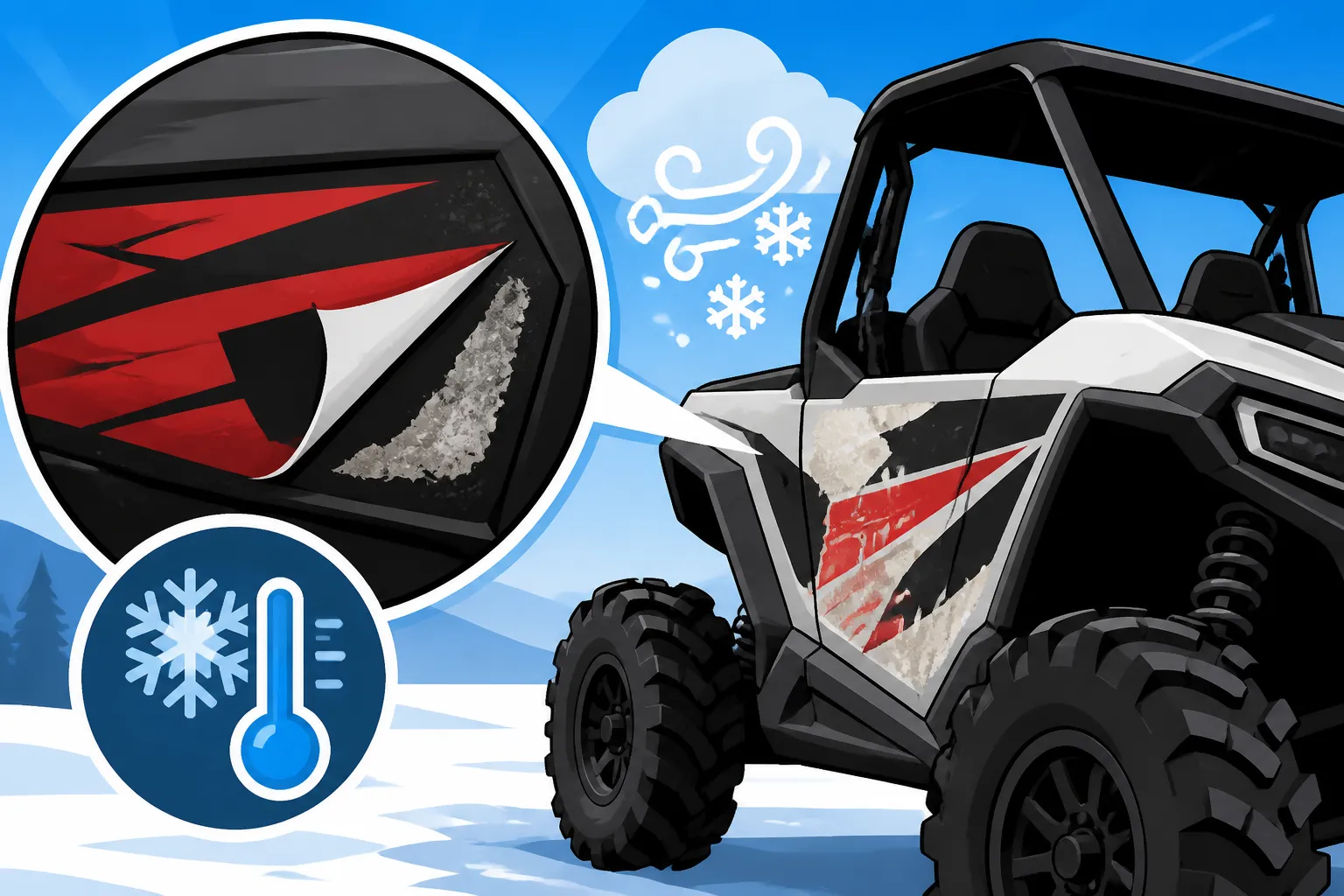
Wisconsin winters are legendary for their beauty, but they are also infamous for their brutal cold, snow, and ice. These conditions are incredibly harsh on adhesives, including those used for your registration decals. The primary culprit is the repeated freeze-thaw cycle. When water gets under a decal, perhaps from a quick wash, rain, or melting snow, and then freezes, it expands. This expansion creates tiny forces that can lift the edges of the decal away from the machine's plastic or metal surface. When it thaws, the water retreats, but the decal's bond has been weakened. Repeat this process enough times, and eventually, the decal will peel right off.
Beyond the freeze-thaw cycle, the plastics on your ATV or UTV also contract and expand with temperature fluctuations. As the material shrinks in the cold and expands in warmer temperatures, it puts stress on the adhesive bond of the decal. If the decal material isn't flexible enough or the adhesive isn't strong enough to withstand these movements, it will crack, bubble, and eventually detach. Add in exposure to road salt, grime, and the physical bumps and scrapes of riding, and it's no wonder these decals have a tough time staying put through a Wisconsin winter. It's a battle against the elements, and sometimes, the decals just lose.
Preventing Decal Loss: Best Practices for Wisconsin Riders
While you can't completely eliminate the risk of decals coming off in the cold, there are definitely steps you can take to give them their best shot at staying put. It often comes down to careful application and smart storage, especially if you know your machine will be exposed to the worst of winter's wrath. Think of it as giving your decals a fighting chance against Mother Nature.
Proper Application is Key (Even for Replacements!)
When you first apply your decals, or when you receive [Ordering Replacement Wisconsin Decals], the application process is absolutely critical for longevity. Don't rush it! First, ensure the surface where the decal will go is meticulously clean. Use rubbing alcohol or a specialized decal prep solution to remove all traces of dirt, grease, wax, and old adhesive residue. Even tiny specks of dust can create weak points in the bond. The surface must also be completely dry. Any moisture trapped underneath will almost guarantee failure in freezing temperatures.
Next, pay close attention to the ambient temperature during application. Applying decals in a cold garage when your machine is icy will not yield good results. Ideally, the machine and the decals should be at room temperature, around 60-70°F (15-21°C). This allows the adhesive to properly flow and bond to the surface. Use a squeegee or even a credit card to firmly press the decal down, working from the center outwards to push out any air bubbles. Air bubbles, like moisture, are weak points that the cold will exploit. Finally, once applied, give the decal ample time to cure. Avoid washing the machine or exposing it to extreme temperature changes for at least 24-48 hours, if possible. This allows the adhesive to fully set and create a strong, lasting bond. Investing a little extra time and care during application can save you a lot of hassle later.
Storing Your Machine Wisely Through the Winter
How and where you store your ATV or UTV during the colder months can also play a significant role in decal preservation. If possible, avoid leaving your machine exposed to the elements, especially during prolonged periods of freezing rain, snow, or direct sunlight on frozen surfaces. Storing it in a heated garage or even an unheated but enclosed shed will provide a stable environment, minimizing those brutal freeze-thaw cycles that attack decal adhesives. Even a simple tarp can offer some protection by preventing direct moisture and snow accumulation on the decals themselves.
For riders who keep their machine [Storing a Machine Through a Wisconsin Winter] or [Keeping a Quad at a Wisconsin Cabin], consider where it sits. If it's outside, try to park it under an overhang or in a spot that gets less direct exposure to the harshest weather. When you wash your machine during winter, make sure to dry it thoroughly, paying extra attention to the edges of the decals, before putting it away or letting it sit in freezing temperatures. The goal is to limit the opportunities for water to get underneath and cause trouble. While it's not always feasible for everyone, thoughtful storage can significantly extend the life of your decals and reduce the chances of them peeling off when you least expect it.
What to Do When Your Wisconsin Decals Go Missing
So, despite your best efforts, your Wisconsin ATV or UTV decals have vanished. Don't panic! It's a common problem, and the Wisconsin DNR has a straightforward process for getting replacements. The key is to act promptly to ensure you're always riding with current and visible registration. Remember, a missing decal doesn't mean your registration is invalid, but it does mean you need to replace the physical proof.
Ordering Replacement Wisconsin Decals
If your decals have fallen off, or if you need [Replacing Lost Wisconsin Decals], the process is fairly simple and handled directly through the Wisconsin DNR. You'll typically need to request duplicates. This usually involves contacting the DNR, either online or by phone, and providing your machine's registration number and some personal information to verify ownership. There's usually a small fee associated with replacement decals, which covers the cost of printing and mailing.
The DNR understands that these things happen, especially with the weather conditions we experience in Wisconsin. While waiting for your new decals to arrive, it's a good idea to carry extra proof of your current registration. Keep your physical registration card (the paper one you originally received) handy in a waterproof bag on your machine. This way, if you are stopped by a warden, you can immediately show that your machine is indeed registered, even if the decals haven't arrived yet. While there isn't a specific [What a Wisconsin ATV Bill of Sale Should Carry] for decals, having your original purchase paperwork or a clear record of sale can sometimes help verify ownership in conjunction with your registration card, though it's generally not required just for decal replacement. If you use a service like LawDepot for other personal documents, you might consider keeping copies of your ATV purchase agreement there, simply for organized record-keeping of all your important assets.
Here’s a quick overview of the replacement process:
| Step | Details | Estimated Cost (Check DNR for current fees) | Timeframe (Approx.) |
|---|---|---|---|
| 1. Verify Current Registration | Ensure your registration is active. If it's expired, you'll need to renew it first. | N/A | Immediate |
| 2. Contact Wisconsin DNR | Visit the DNR's online Go Wild portal or call their customer service number. | N/A | Immediate |
| 3. Request Duplicate Decals | Provide your ATV/UTV registration number and verify your personal information. | Minimal Fee | 5-10 minutes |
| 4. Pay Replacement Fee | Typically a small administrative fee. | A few dollars | Immediate |
| 5. Wait for Decals to Arrive | Decals will be mailed to your registered address. | N/A | 7-14 business days |
| 6. Carry Proof While Waiting | Keep your physical registration card on hand until the new decals are applied. | N/A | Ongoing |
Proper Placement of Your New Decals
Once your replacement decals arrive, the application process is just as important as the first time around, if not more so. The DNR has specific rules for [Sticker Placement on a Wisconsin Machine]. For ATVs, the decals must be displayed on the right and left sides of the cowling. For UTVs, they typically go on the right and left sides of the machine, clearly visible, usually on the rear fenders or sides of the cargo bed. Make sure they are not obstructed by accessories, mud, or snow.
Before you even peel off the backing, thoroughly clean and dry the application surface using rubbing alcohol as described in the prevention section. This step cannot be stressed enough; it's the foundation for a strong bond. Ensure your machine is warm, or at least not freezing cold, during application. Press the decals firmly from the center outwards, removing all air bubbles. Once they are on, resist the urge to peel them up or reposition them, as this weakens the adhesive. Give them time to cure, ideally indoors, for at least 24 hours. A properly applied decal, even a replacement, stands a much better chance of weathering those tough Wisconsin winters and keeping you compliant with state regulations, allowing you to focus on the joy of riding rather than worrying about missing paperwork.
Disclaimer
This article is for general informational purposes only and does not constitute professional advice. Laws, prices and regulations vary by location and change over time. Consult a qualified professional for guidance on your specific situation.