Wisconsin Helmet Rules for Riders Under 18
There’s a lot of incredible riding to be done across Wisconsin, from the sprawling county forest trails up north to the miles of ATV-friendly town routes opening up. But for families with younger riders, or even adults riding with a younger passenger, the rules around helmets can feel like a tangled mess of dates and distinctions. It’s not just about wearing a helmet; it’s about wearing the right helmet, at the right time, for the right person, or you could face a citation and put someone’s safety at risk. This guide is here to untangle those specific Wisconsin helmet rules that apply to riders under 18, ensuring you and your crew can hit the trails legally and, most importantly, safely.
The Core Wisconsin Helmet Law for Young Riders
When you're dealing with ATV and UTV regulations in Wisconsin, the age of the rider is often the first and most critical factor. For helmet laws specifically, the line in the sand is drawn squarely at 18 years old. This isn't a suggestion; it's a mandatory rule designed to protect some of our most vulnerable riders.
Who is Affected by the Under-18 Rule?
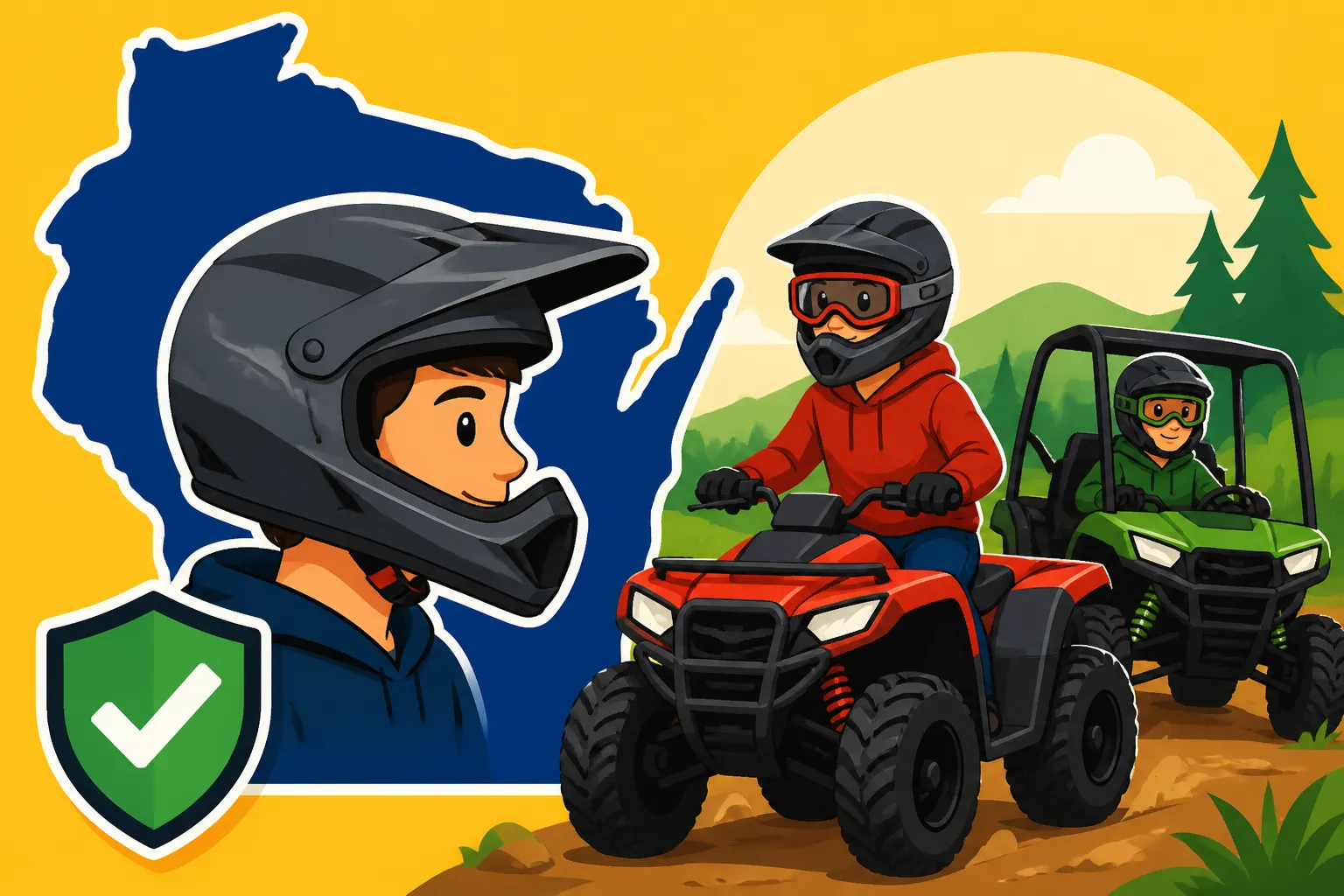
Simply put, if you are operating an ATV or UTV in Wisconsin, or if you are a passenger on one, and you haven't yet celebrated your 18th birthday, you must wear a helmet. This rule applies across the board, whether you're ripping through a designated trail in the Chequamegon-Nicolet National Forest, cruising on a town road that's been opened as an ATV route, or even just crossing a public highway. There’s no wiggle room here for different types of terrain or levels of experience. If you're under 18 and on a machine, your head needs to be protected.
This regulation isn't about restricting fun; it's a direct response to the potential for serious head injuries in off-road accidents. Even a low-speed tip-over can result in a devastating impact if a rider isn't properly protected. The law is designed to safeguard youth who might have less experience, slower reaction times, or simply haven't fully developed the judgment necessary to navigate all potential hazards. For many parents and guardians, this rule provides a clear directive that removes any ambiguity about what's required for their younger family members or friends when out riding.
The "Born Before 1988" Exception and Why It's Different
You might have heard whispers about a "born before January 1, 1988" rule in Wisconsin ATV regulations, and while that's certainly a real distinction, it applies specifically to the ATV safety certificate requirement, not the helmet law for minors. For riders aged 12 to 15, that date is critical for determining if they need to complete an ATV safety course. However, for helmet use, it's strictly about age 18. There isn't an equivalent "grandfather clause" that exempts a 16-year-old from wearing a helmet just because they've been riding since they were small.
This is a common point of confusion for new riders or those moving into Wisconsin, so it's important to keep these two separate requirements clear. The Wisconsin Department of Natural Resources (DNR) wants to ensure that all young riders not only have the knowledge to operate their machines safely, but also the physical protection against head trauma. So, even if an adult is exempt from certain safety course requirements due to their age, that exemption doesn't trickle down to a younger rider or passenger in terms of helmet use. The safety certificate and helmet rules serve distinct but equally important purposes in promoting responsible riding. For more details on this, you might want to read up on [Wisconsin's ATV Safety Certificate Requirement].
Why the Rule Exists: Prioritizing Safety
The existence of a mandatory helmet law for young riders isn't arbitrary; it's rooted deeply in public safety and injury prevention research. ATVs and UTVs, while incredibly fun and useful, are powerful machines that can operate in unpredictable environments. Collisions with obstacles, rollovers, or ejections from the vehicle can happen quickly, even to experienced riders. For children and teenagers, who are still growing and developing, a head injury can have particularly severe and long-lasting consequences, impacting everything from cognitive function to overall quality of life.
Brain injuries are a leading cause of death and disability in off-road vehicle accidents. Helmets, when properly worn and approved, significantly reduce the risk of these injuries. They work by absorbing impact energy, distributing the force over a wider area, and preventing direct skull contact with hard surfaces. The state of Wisconsin, like many others, recognizes the critical need to protect its youth and has implemented this law as a foundational safeguard. It's a proactive measure that aims to prevent tragedies and reduce the strain on emergency medical services, allowing families to enjoy the trails with greater peace of mind.
Defining an "Approved" Helmet in Wisconsin
It's not enough to simply put something on your head. The Wisconsin helmet law specifies that the helmet must be "approved." This isn't just bureaucratic jargon; it's a critical safety standard that ensures the helmet you're wearing, or that your child is wearing, offers legitimate protection.
DOT Standards and What They Mean
When Wisconsin law talks about an "approved" helmet, it’s referring specifically to helmets that meet the safety standards set by the U.S. Department of Transportation (DOT). You'll typically find a "DOT" sticker on the back of any compliant helmet. This sticker isn't just for show; it certifies that the helmet has undergone rigorous testing to meet specific criteria for impact absorption, penetration resistance, and retention system effectiveness.
A DOT-compliant helmet is designed to protect your head in a crash by managing the forces of impact. It has a robust outer shell to resist penetration, an impact-absorbing liner (usually expanded polystyrene, or EPS foam) to cushion the blow, and a strong chin strap to keep it securely on your head. When purchasing a helmet for a young rider, always look for this DOT certification. It’s your assurance that the helmet meets the minimum safety requirements to protect against serious injury. Don’t settle for a helmet that doesn’t carry this marking, regardless of how sturdy it might appear. Quality manufacturers like SuperATV often stock or recommend helmets that proudly display their DOT certification, making it easier for consumers to choose wisely.
Why Bicycle Helmets Don't Count
This is another common misconception, especially for kids who are used to wearing bicycle helmets. While bicycle helmets are excellent for cycling and meet their own specific safety standards, they are not designed to withstand the higher speeds and different types of impacts associated with ATVs and UTVs. A bicycle helmet is typically much lighter and has less robust impact absorption material, meant for lower-speed falls onto pavement or dirt.
Putting a bicycle helmet on a young ATV rider is like bringing a knife to a gunfight – it's simply not adequate for the job. The energy forces generated in an ATV or UTV accident are far greater than those encountered on a bicycle. Wisconsin law, therefore, explicitly does not consider a bicycle helmet an "approved" helmet for ATV/UTV use. Ignoring this distinction could lead to severe consequences in an accident, and it would also put you in violation of the law. Always ensure any helmet worn by a rider under 18 has that visible DOT certification. You can’t compromise on head protection.
Inspecting a Helmet for Compliance and Condition
Once you have a DOT-approved helmet, the job isn't done. Helmets aren't designed to last forever, and their protective qualities can degrade over time or after an impact. It's crucial to regularly inspect your helmets, especially those worn by young, active riders. Check for visible signs of damage: cracks in the outer shell, dents in the foam liner, or fraying/damage to the chin strap. If a helmet has been involved in any significant impact, even if there's no visible damage, its internal structure may be compromised, and it should be replaced immediately. The helmet's primary function is to absorb energy; after it's done its job once, it might not be able to do it again effectively.
Also, ensure the helmet fits snugly. A loose helmet can shift during an impact, offering little protection, or even obstruct vision. A helmet that's too tight can be uncomfortable and distracting. For young riders, whose heads are still growing, it’s vital to check fit regularly and replace helmets as they outgrow them. Many manufacturers provide sizing charts, but trying it on is the best way to ensure a proper fit. Make sure the chin strap is always fastened securely – a helmet that flies off in an accident is useless. A little preventative maintenance and regular checks can go a long way in ensuring the helmet provides the protection it's designed for.
Beyond the Helmet: Other Essential Eye Protection
While the helmet is king when it comes to protecting the skull, your eyes are equally vulnerable and demand specific protection, especially when you're out on an ATV or UTV. Wisconsin law backs this up, particularly for younger riders.
Why Goggles or Face Shields Are Crucial
Riding an ATV or UTV, whether on a dusty trail or a gravel road, exposes your eyes to a constant barrage of potential hazards. Dust, dirt, insects, low-hanging branches, and even small rocks kicked up by other riders can strike your eyes at speed. Without proper eye protection, these impacts can cause serious injury, ranging from scratches and irritation to permanent vision damage. Beyond physical injury, an unexpected impact to the eye can cause a rider to flinch, lose focus, or even lose control of the machine, creating a secondary accident risk.
Goggles or a helmet-integrated face shield act as a vital barrier against these threats. They keep your field of vision clear, preventing distractions and allowing you to focus on the trail ahead. This is especially important for younger riders who might not have the same instinctual reactions or peripheral awareness as an adult. Ensuring clear, unobstructed vision is just as important for safety as protecting the head itself.
When Eye Protection is Mandatory
For riders under 18 years old in Wisconsin, wearing eye protection isn't just a good idea; it's a legal requirement. Just like the helmet, if you’re under 18 and operating or riding as a passenger on an ATV or UTV, you must wear eye protection. This rule applies anytime the machine is in operation on public lands, including trails and designated routes. Even if you're riding at what seems like a low speed, the risk of kicked-up debris or an unexpected branch is always present.
The only real exception might be if the machine itself has a windshield and roof structure that completely encloses the occupant, like some larger UTVs. However, even then, many riders still opt for goggles or safety glasses for added protection, especially from dust swirl within the cab. It's always best to err on the side of caution. Remember, the law is designed to protect you and your young passengers from foreseeable hazards, and eye injuries are definitely on that list. For a deeper dive into the overall regulations, consider reviewing [Wisconsin DNR ATV Registration Explained].
Types of Eye Protection: Goggles vs. Face Shields
When choosing eye protection, you generally have two main options: goggles or a helmet-integrated face shield. Both are acceptable under Wisconsin law, but each has its pros and cons.
- Goggles: These are often favored by ATV riders for their secure fit and ability to seal tightly around the eyes, preventing dust and debris from getting in. They are typically worn with an open-face helmet or a full-face helmet that doesn't have a built-in shield. Goggles come in various tints for different light conditions, and many are designed to be "OTG" (over-the-glasses) for riders who wear prescription eyewear. They offer excellent peripheral vision and are generally very durable. Good quality riding goggles are designed to resist fogging, which is a major plus in varying weather conditions found across Wisconsin.
- Face Shields: Many full-face UTV helmets or some ATV helmets come with a clear, hinged face shield. These offer convenient protection that can be flipped up when stopped. They often provide a wider field of vision than goggles, and some riders find them more comfortable as they don't press directly on the face. However, face shields can be more prone to fogging if not properly vented or treated, and if scratched, they can impair vision more significantly than a goggle lens. Some riders also find that face shields don't seal as completely against dust as a good pair of goggles.
Ultimately, the best choice is the one that fits well, offers clear vision, and is comfortable enough for the young rider to wear consistently throughout the ride. Regardless of the type, ensure the eye protection is free of scratches or damage that could impede vision.
Enforcement and Penalties for Non-Compliance
Breaking the rules, even inadvertently, can have consequences. Wisconsin wardens and law enforcement officers are regularly out on the trails and routes, ensuring that riders are adhering to the safety regulations, including those for helmets and eye protection for minors.
What a Warden Looks For
When a Wisconsin DNR warden or local law enforcement officer encounters ATV or UTV riders, they're typically conducting routine checks to ensure everyone is operating legally and safely. For younger riders, their focus will immediately be drawn to appropriate safety gear. They’ll be checking several key things:
First and foremost, they'll verify the age of any rider or passenger who appears to be under 18. If a person is clearly a minor, the warden will check for a DOT-approved helmet. They'll look for the "DOT" sticker on the back of the helmet and ensure it appears to be in good condition and is properly fastened. They'll also verify that the rider or passenger has some form of eye protection, whether that's goggles or a face shield, and that it's being worn. They're not just looking for the gear to be present, but to be utilized correctly. For example, a helmet sitting on the handlebars, or goggles perched on the forehead, won't cut it. They want to see the gear actively worn and protecting the rider.
Beyond the gear, wardens also keep an eye out for other safety violations like reckless riding, underage operation without supervision, or operating under the influence. But for minors, the helmet and eye protection are absolute non-negotiables. You might also be asked to show proof of registration, so it's always wise to have your [Keeping the Registration Card With the Machine] practices in check.
Fines and Citations for Violations
Ignoring Wisconsin's helmet and eye protection laws for riders under 18 can lead to a citation and monetary penalties. The specific fine amounts can vary, but generally, violating these safety statutes will result in a forfeiture. These aren't just minor slaps on the wrist; they can be substantial enough to make you think twice about skipping the safety gear.
More importantly than the financial hit, a citation can serve as a strong reminder of the importance of these rules. The penalties are designed to deter non-compliance and reinforce the state's commitment to rider safety. If the rider themselves is a minor, the citation might be issued to the supervising adult or the parent/guardian responsible for them. This means that if you're riding with a minor who isn't properly geared up, you could be held accountable. It underscores the responsibility adults have to ensure young riders are not only equipped but also compliant with the law. For a comprehensive overview, you might want to understand [Wisconsin ATV Ticket Amounts].
Impact on Riding Privileges for Supervising Adults Too
While the immediate impact of a violation might be a fine, repeated offenses or involvement in an accident while violating these safety rules could lead to more severe consequences. In some cases, authorities may even revoke or suspend riding privileges for the individuals involved. This is especially true if reckless behavior is also a factor. For supervising adults, consistently failing to ensure a minor's compliance could lead to scrutiny of their own eligibility to supervise young riders in the future.
The state takes the safety of its youth very seriously, and the regulations are there to protect them. The goal is to encourage a culture of safety on Wisconsin trails and routes. Adhering to these rules isn't just about avoiding a ticket; it's about fostering a safe environment for everyone who enjoys the sport and preserving access to the incredible riding opportunities Wisconsin offers. No one wants to see a fun day out turn into a legal or, worse, a medical emergency because of preventable oversight.
Special Scenarios and Nuances
The general rule is clear, but like many laws, there are specific situations where the application of the helmet rule might seem a little hazy. Understanding these nuances is crucial for staying compliant.
Passengers Under 18
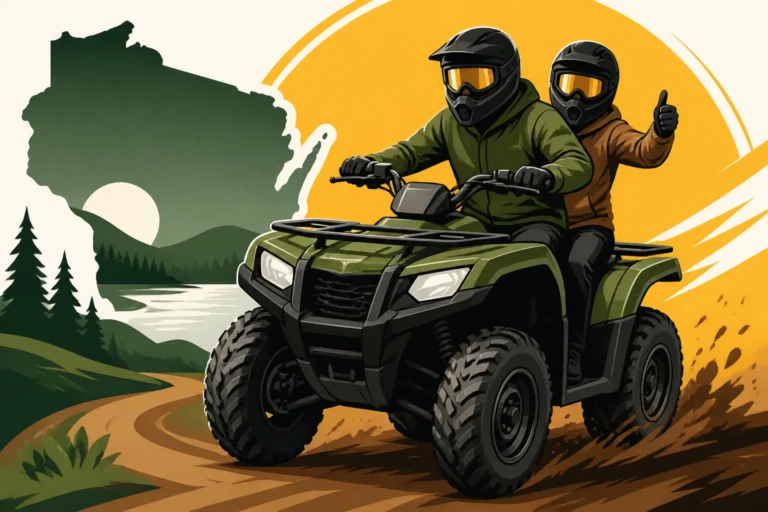
The Wisconsin helmet law for minors isn't just for the person driving the ATV or UTV; it extends to any passenger under the age of 18 as well. This is a critical point that sometimes gets overlooked. Just because someone isn't operating the machine doesn't mean their head is any less vulnerable in an accident. Whether they're riding behind you on a two-up ATV or buckled into the passenger seat of a side-by-side, if they haven't turned 18, they must be wearing a DOT-approved helmet and appropriate eye protection.
This requirement places a significant responsibility on the operator of the machine, who is typically an adult. It's the operator's duty to ensure all passengers, especially minors, are properly equipped before setting out. This means having properly sized helmets and eye protection readily available for all young passengers. This is an area where a simple oversight could lead to a serious injury or a citation for the operator. Always double-check your passengers, just as you would yourself. This topic is closely related to [Wisconsin Helmet Rules for a Passenger Under 18].
Riding on Private Land vs. Public Trails/Routes
This is a common question: "Do the rules still apply if we're just riding on our own property?" Generally, Wisconsin's ATV and UTV regulations, including helmet laws, primarily apply when operating on public lands (trails, routes, roads open to ATVs), or when crossing public roadways. If you are exclusively riding on private land that you own or have explicit permission to ride on, and you do not access or cross any public thoroughfares, then some of the state's public-use regulations, like specific helmet laws for those over 18, may not strictly apply.
However, this is a very important "however": The helmet law for riders under 18 is often interpreted more broadly, and many legal experts and safety advocates strongly advise that minors always wear helmets and eye protection, even on private land. While direct enforcement by a warden might be less likely on isolated private property, the safety rationale remains absolutely paramount. A serious head injury to a child on private land is no less tragic than one on a public trail. Furthermore, if an accident occurs on private land and a minor was not wearing a helmet, there could still be liability implications, especially if the minor was a guest. It's always best practice to enforce helmet use for anyone under 18, regardless of where they are riding. This is particularly relevant to [Riding a Friend's Land by Permission in Wisconsin].
Supervising Adults' Responsibilities
For any minor operating or riding an ATV or UTV in Wisconsin, a supervising adult holds significant responsibility. If a rider is aged 12 to 15, they must be directly supervised by an adult who is at least 18 years old. This adult must also hold an ATV safety certificate if they were born on or after January 1, 1988, or be someone who meets the requirements to supervise a youth rider. This supervising adult is directly accountable for ensuring the minor is following all safety rules, including wearing a DOT-approved helmet and eye protection.
If a minor under 18 is operating without a helmet, it's often the supervising adult who will face the citation. This isn't just a legal burden; it's a moral one. Adults are expected to set the example and ensure the safety of the young people in their care. This responsibility includes not only making sure the gear is worn but also that it fits correctly and is in good condition. Taking a safety course yourself can provide valuable insights into these responsibilities and ensure you are fully prepared to supervise. Find more on this at [Supervising a Wisconsin Youth Rider].
Making Smart Choices: Educating Young Riders and Parents
Compliance with the law is one thing, but truly embedding a culture of safety is another. For families who love to ride, educating both young riders and their parents about smart choices is key to long-term enjoyment and well-being.
Choosing the Right Helmet Size and Fit
A helmet can only do its job if it fits correctly. This is especially true for children, whose heads are still developing and growing. A helmet that is too large can shift around during a ride or an impact, potentially blocking vision or failing to provide adequate protection. One that is too small will be uncomfortable, causing distractions and making the rider less likely to wear it consistently.
When choosing a helmet for a young rider, always measure their head circumference and consult the manufacturer’s sizing chart. It's best to try the helmet on in person. The helmet should feel snug but not painfully tight, with no excessive movement when you shake your head side to side. The padding inside should create even pressure around the head. The chin strap should be adjustable and comfortably secured under the chin, allowing for only minimal movement of the helmet. Don’t assume a "one size fits all" approach for youth helmets; proper fit is paramount. Many ATV accessory providers, including those who stock high-quality gear from brands like SuperATV, offer fitting guides and knowledgeable staff to help ensure you get the right size.
Leading by Example
One of the most powerful teaching tools for children is observation. If young riders consistently see adults riding without helmets on trails or routes where they are not legally required (for adults over 18), it sends a mixed message. Even if an adult is legally exempt, choosing to wear a helmet anyway, especially when riding with minors, reinforces the message that head protection is important for everyone.
This isn't just about helmets, either. It extends to all aspects of responsible riding: obeying speed limits, staying on marked trails, avoiding alcohol while operating, and respecting private property. When adults consistently demonstrate safe and legal riding practices, young riders are much more likely to internalize those habits and make them their own. Setting a strong, positive example helps foster a deep-seated respect for safety and the rules, which will serve young riders well throughout their lives. It's about instilling good habits, not just enforcing rules.
The Role of Safety Courses
While Wisconsin's ATV safety certificate is mandatory for certain age groups, taking a safety course is highly recommended for all riders, especially youth. These courses, whether online or in-person, cover far more than just helmet laws. They delve into machine operation, maintenance, risk assessment, trail etiquette, environmental considerations, and emergency procedures. For young riders, a safety course provides foundational knowledge that goes hand-in-hand with physical protection.
A rider who understands why they need a helmet and how to safely operate their machine is much more likely to make good decisions on the trail. Courses also often include hands-on training, giving young riders practical experience in a controlled environment before they hit more challenging trails. This combination of education, practical skills, and proper safety gear is the gold standard for responsible ATV and UTV riding in Wisconsin. You can learn more about specific requirements and where to find courses by looking up [Wisconsin ATV Safety Certificate Requirements].
The Evolution of Wisconsin's ATV/UTV Safety Rules
Wisconsin's ATV and UTV regulations aren't static; they evolve over time, reflecting changes in technology, rider demographics, accident data, and public input. Understanding this evolution can give insight into why certain rules, like the helmet law for minors, are so firmly entrenched.
Historical Context and Development
The initial regulations for ATVs in Wisconsin, much like in other states, were fairly rudimentary. As the popularity and capabilities of these machines grew, so did the awareness of potential safety issues. Early ATVs were often three-wheeled, which proved to be inherently unstable, leading to a rise in accidents. This led to significant public and legislative pressure for improved safety standards and education. The shift towards four-wheeled ATVs and, more recently, the explosion in popularity of UTVs (side-by-sides) has continued to drive the need for evolving regulations.
The helmet law for minors, along with age restrictions for operation and the safety certification requirements, emerged from this historical context. They were direct responses to accident data that consistently showed children and teenagers were at a higher risk of serious injury or fatality, particularly head injuries. These laws are often the result of tireless work by safety advocates, medical professionals, and concerned citizens who pushed for greater protections for younger riders.
Ongoing Efforts for Rider Safety
The Wisconsin DNR, in conjunction with local law enforcement, ATV clubs, and advocacy groups, continually works to promote rider safety. This isn't just about enforcement; it's about education, outreach, and continuous assessment of existing rules. Campaigns often highlight critical safety messages, like "Ride Smart, Ride Safe," and emphasize the importance of helmets, especially for youth. Funds generated from registrations and trail passes often go back into improving trails, signage, and safety programs, as detailed in [Where Wisconsin ATV Registration Money Goes].
There are ongoing discussions about various aspects of ATV and UTV use, from speed limits on routes to specific requirements for different types of machines. The goal is always to strike a balance between allowing access to recreational opportunities and ensuring the safety of all participants. As such, riders are encouraged to stay informed about any potential changes to the laws and to participate in public forums or club discussions where these issues are often debated.
Future Considerations for Wisconsin ATV/UTV Rules
The landscape of ATV and UTV riding is dynamic. New machine technologies, changing demographics of riders, and evolving land-use patterns mean that Wisconsin's rules will likely continue to adapt. For instance, the rise of electric ATVs and UTVs brings new considerations regarding noise, environmental impact, and potentially different performance characteristics. As more towns open roads to ATV traffic, there might be further refinements to regulations concerning road routes, speed, and visibility.
While specific legislative changes are unpredictable, it's safe to say that the core principles of rider safety, especially for minors, will remain paramount. This means that mandatory helmet and eye protection for riders under 18 is likely a permanent fixture in Wisconsin's ATV and UTV rulebook. The best way for riders to contribute positively to the future of the sport is to consistently follow existing laws, practice responsible riding, and stay engaged with local clubs and the DNR to provide informed input on evolving policies. Safety is a shared responsibility, and every rider plays a role in keeping Wisconsin’s trails and routes enjoyable for generations to come.
Wisconsin ATV & UTV Youth Helmet and Eye Protection Summary
To help clarify the various rules and ensure your young riders are always compliant and safe, here's a quick reference table summarizing the key requirements:
| Age Group | Helmet Requirement | Eye Protection Requirement | Where Rules Apply (Generally) | Supervising Adult Required? | Safety Certificate Required? |
|---|---|---|---|---|---|
| Under 18 (Operator) | Mandatory (DOT-Approved) | Mandatory (Goggles or Face Shield) | Public Trails/Routes, Crossing Roads | Yes, for 12-15 year olds | Yes, for 12-15 year olds |
| Under 18 (Passenger) | Mandatory (DOT-Approved) | Mandatory (Goggles or Face Shield) | Public Trails/Routes, Crossing Roads | Yes, for the operator | N/A (for passenger) |
| 12-15 Years Old | Mandatory (DOT-Approved) | Mandatory (Goggles or Face Shield) | Public Trails/Routes, Crossing Roads | Yes | Yes |
| 16-17 Years Old | Mandatory (DOT-Approved) | Mandatory (Goggles or Face Shield) | Public Trails/Routes, Crossing Roads | No | Yes |
Note: While not explicitly mandated by law for private land use, it is strongly recommended that all riders under 18 wear DOT-approved helmets and eye protection at all times, regardless of where they are riding.
Disclaimer
This article is for general informational purposes only and does not constitute professional advice. Laws, prices and regulations vary by location and change over time. Consult a qualified professional for guidance on your specific situation.