Where a Wisconsin Trail Meets a Route
There’s nothing quite like the feeling of navigating a winding Wisconsin ATV or UTV trail, the scent of pine in the air, the rumble of your machine beneath you. You’re deep in the Northwoods, enjoying the pure freedom of the ride. Then, suddenly, a sign appears: "ATV/UTV Route Ahead." For many riders, this moment can bring a mix of anticipation and apprehension. You know you need to get from Point A to Point B, and sometimes a designated road route is the only way, but what exactly changes when the dirt trail gives way to gravel or asphalt? It's a critical transition that, if not handled correctly, can lead to confusion, potential hazards, and even an unwelcome chat with a warden. This comprehensive guide is here to demystify that junction, explaining everything you need to know about successfully and legally transitioning from a Wisconsin ATV trail to a road route, ensuring your adventure continues smoothly and safely.
The Unique Landscape of Wisconsin's ATV/UTV Network
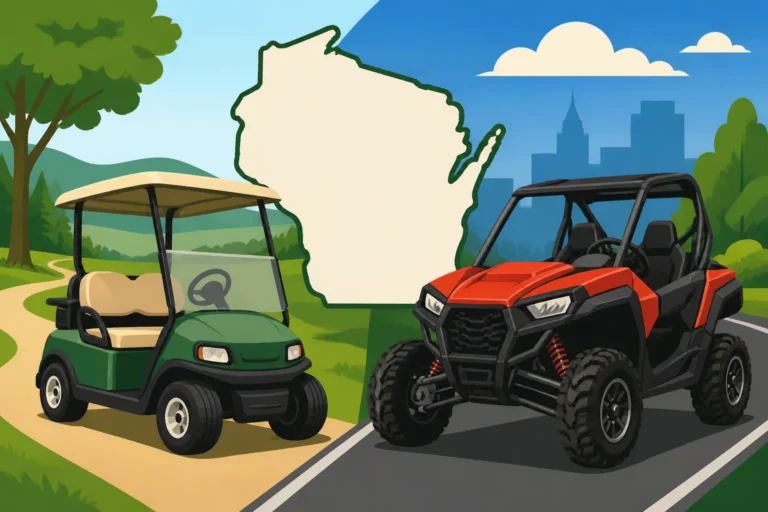
Wisconsin has truly embraced the ATV and UTV community, developing an impressive network that often blends the raw thrill of off-road trails with the convenience of designated road routes. This interconnected system allows riders to explore vast areas, but it also means you'll frequently encounter points where your rugged trail experience meets the more structured world of public roads.
The Seamless Yet Structured Transition
On a typical ride through Wisconsin's county forests or state trails, you might be traversing sandy two-tracks, navigating muddy sections, or cruising along hard-packed gravel. The transition to a road route can sometimes feel seamless, almost like the trail just kept going, but suddenly you're passing mailboxes or seeing more traffic. This is by design in many parts of the state. Trail systems are meticulously planned to utilize short segments of town, county, or even state highways (where permitted) to connect otherwise isolated trail sections. This connectivity is a huge advantage, allowing for longer, more varied rides and enabling you to access critical services.
However, this convenience comes with immediate responsibilities. The moment your tires hit that designated road route, you're no longer just on a trail; you're operating a vehicle on a public roadway. While the signage indicating the transition is usually clear, it’s up to the rider to immediately adjust their mindset and their machine’s operation to comply with road traffic laws. This often means slowing down, paying much closer attention to surrounding traffic, and understanding that the rules of the road now apply in full. It’s a shift from the often more relaxed pace of trail riding to the heightened awareness required on a public street, even if it's a quiet back road.
Why Routes Are Essential for Trail Connectivity
These designated road routes are the lifelines of Wisconsin's expansive ATV and UTV trail system. Without them, many of the sprawling trail networks we enjoy would be fragmented, limiting ride length and access to amenities. Imagine riding for hours, only to hit a dead end because there's no legal way to cross a stretch of private land or a major highway. That's where these routes come in. They are strategically opened by local municipalities or counties to bridge those gaps, allowing riders to seamlessly link one trail segment to another.
Beyond just connecting trails, these routes also serve a vital role in connecting riders with local communities. They provide a legal pathway into towns where you can grab a bite to eat, refuel your machine, or even find lodging for the night. This is particularly crucial in the popular Northwoods destinations where entire local economies thrive on outdoor recreation. Being able to ride your machine directly to a local restaurant for [Riding to Supper in a Wisconsin Trail Town] or pull up to a gas station for [Fueling an ATV in a Wisconsin Small Town] significantly enhances the riding experience and supports the communities you’re passing through. It transforms a pure trail adventure into a fuller recreational experience, allowing you to immerse yourself in the local flavor without ever having to load your machine back onto a trailer.
Navigating the Legalities at the Junction
The shift from trail to route isn't just a physical change in terrain; it's a legal one. Ignoring these legalities can lead to citations, fines, and a sour end to an otherwise great day of riding. Wisconsin has specific requirements that apply the moment you enter a designated ATV/UTV road route.
Understanding Wisconsin's Road Route Regulations
When you transition from an off-road trail to a designated ATV/UTV road route in Wisconsin, you are immediately subject to motor vehicle laws. This is not a suggestion; it's the law. This means adhering to posted speed limits, which will often be higher than what you're used to on the trail, and respecting all traffic signs and signals. Stop signs mean a full stop, not a rolling stop. Yield signs require you to give way to oncoming traffic. It’s crucial to remember that you are now sharing the road with cars, trucks, and potentially even pedestrians and cyclists, who may not be accustomed to seeing ATVs or UTVs in their rearview mirror.
Many riders, especially those new to Wisconsin's route system or visiting from out of state, often make critical errors by assuming the "trail rules" still apply. This is a common pitfall that can quickly lead to trouble. The comprehensive guide to [Wisconsin Road Rules Riders Get Wrong] emphasizes this exact point: the rules change abruptly. You must operate your machine with the same diligence and respect for the law as you would a car. This includes staying to the right, using turn signals (or clear hand signals if your machine lacks them), and being aware of blind spots. Moreover, speed limits on these routes, as detailed in [Speed Limits on a Wisconsin Route], are typically the same as those for regular traffic, meaning you might be expected to go 35 or 45 mph where safe, but always within the posted limit.
Essential Machine Requirements for Route Riding
Your machine needs to be properly equipped to legally operate on a Wisconsin road route. While some of these requirements might be optional or less stringent on certain trails, they become mandatory on public roads. First and foremost, proper lighting is non-negotiable. Your ATV or UTV must have a working headlight and taillight at all times, not just after dark. Many riders often underestimate the importance of their taillight for visibility during the day, but it’s crucial for being seen by vehicles approaching from behind. If you're riding at dusk, dawn, or in low visibility, the requirements for [Lighting Rules for Wisconsin Night Riding] and [Taillight Requirements on a Wisconsin Machine] become even more critical.
Beyond lighting, your machine must be equipped with a muffler and spark arrester to control noise and prevent wildfires, a standard requirement that applies universally on public lands and routes, as covered in [Mufflers and Spark Arresters in Wisconsin]. Wisconsin has a strict 96-decibel exhaust limit, and wardens can conduct [The 96-Decibel Sound Test in Wisconsin] if they suspect your machine is too loud. This means aftermarket exhausts that exceed this limit are illegal on public routes. Additionally, you need a properly displayed, current Wisconsin registration sticker and, if you're an out-of-state rider, a valid [Wisconsin's Non-Resident Trail Pass]. It's a good idea to check that your mirrors are clean and properly adjusted, as good visibility is crucial for safe road operation. For riders looking to ensure their machine meets all these requirements, especially if they have an older model or are adding accessories, companies like SuperATV offer a range of products, from aftermarket mirrors and turn signal kits to DOT-approved windshields, that can help bring your machine up to snuff for road legal riding.
Rider Requirements and Local Ordinances
It’s not just your machine that needs to be compliant; you, as the operator, also have specific responsibilities when riding on a designated road route in Wisconsin. Age requirements are critical. For instance, [Wisconsin's Rule for Riders Aged 12 to 15] outlines specific stipulations for younger riders, often requiring direct adult supervision. Regardless of age, if you were born on or after January 1, 1988, you must possess a valid ATV or UTV safety certificate to operate on public trails and routes. This is detailed in [Wisconsin's ATV Safety Certificate Requirement] and is a crucial piece of documentation you should always have with you.
Helmets are another important consideration. While adults (18 and over) may choose whether or not to wear a helmet on designated routes, it is absolutely mandatory for all riders and passengers under the age of 18, as mandated by [Wisconsin Helmet Rules for Riders Under 18]. Beyond state laws, individual municipalities and counties have the authority to enact their own ordinances that can add further restrictions. These can include anything from specific hours of operation for ATVs/UTVs on their routes, to requiring proof of insurance, or even imposing additional speed limits in certain areas. It is absolutely vital to consult [Municipal Ordinances Wisconsin Riders Must Read] for the specific area you plan to ride. Showing proof of insurance might not be a statewide mandate for ATV/UTV operation, but some towns might require it, a detail often found within their [Municipal Insurance Requirements in Wisconsin]. Being aware of these local nuances can save you from an unexpected fine and ensure your ride remains enjoyable.
Safety, Etiquette, and Practicalities on the Route
Successfully navigating the transition from trail to route requires more than just legal compliance; it demands a shift in your riding mindset, adherence to common-sense etiquette, and some practical considerations to ensure a safe and enjoyable journey.
Transitioning Your Mindset from Trail to Road
The moment you leave the solitude of a trail for a public road route, your approach to riding must change dramatically. On a trail, your focus might be on dodging branches, navigating rocks, and perhaps enjoying a more spirited pace. On a road route, your primary concern shifts to safety, visibility, and sharing the space. You need to slow down, not just to the posted limit, but to a speed that allows you to react to unexpected hazards, like a car coming around a blind corner or a child on a bicycle. Your scanning needs to be more comprehensive, looking for vehicles, pedestrians, and cyclists, and anticipating their movements. Using your signals, whether mechanical turn signals or clear hand signals, is no longer optional; it's essential for communicating your intentions to other drivers.
Remember, you are now part of regular traffic, and other drivers may not be expecting an ATV or UTV. Making yourself as visible as possible is paramount. Brightly colored riding gear, reflective tape on your machine – especially if you’re riding at dawn or dusk – can make a huge difference. SuperATV, for instance, offers a variety of light bars and whips that can dramatically increase your visibility. The reality of [Sharing a Route With Farm Equipment] or local residents in their cars means you must always be prepared for others who are not necessarily thinking about off-road vehicles. This means giving way, being courteous, and maintaining a defensive riding posture at all times.
Group Riding Etiquette on a Route
If you're riding with a group, etiquette on a designated road route becomes even more critical. Unlike on a wide-open trail where you might spread out or ride two abreast, on a road route, you should generally ride in [Single File on a Wisconsin Route]. This minimizes your footprint on the road and makes it easier for other vehicles to pass safely. Maintaining a safe following distance between machines is also crucial, giving each rider enough space to react to sudden stops or turns without causing a pile-up.
Communication within your group is vital. Use pre-arranged hand signals for turns, stops, or hazards, especially if you don't have helmet communicators. If you're leading the group, be extra vigilant about speed limits, road conditions, and approaching traffic, and convey that information clearly to those behind you. When pulling off the road for a break or to consult a map, ensure your entire group pulls completely off the traveled portion of the roadway, out of the flow of traffic. Remember, you’re representing the entire ATV/UTV community, so courteous and safe group riding fosters a positive image for all riders.
What to Do When the Route Ends
Just as trails transition to routes, routes also transition back to trails, or simply end in a town or at a destination. When a route ends and leads back to a trail system, the transition is usually marked with clear signage. At this point, you'll shift your mindset back to trail riding: less concern for general traffic, more attention to trail obstacles. If the route leads into a town and ends, you’ll need to find appropriate parking. Many Wisconsin trail towns have designated [Parking an ATV Outside a Wisconsin Tavern] or other businesses, but always be respectful of private property and local parking rules.
After any significant stretch on a road route, especially if it was paved, it’s a good idea to perform a quick check of your machine. Look at tire pressure – you might have run higher pressure for road handling, and now need to air down slightly for better trail traction. Check for any loose gear or accessories. If you’re carrying extra supplies like tools, spare parts, or even a cooler, ensure they are still secure. This is where robust cargo solutions from companies like SuperATV come in handy, keeping your gear strapped down tight whether you're bouncing over rocks or cruising down a paved road. Taking a moment to re-evaluate your machine's setup for the next leg of your journey ensures both safety and comfort.
Preparing Your Machine for the Dual-Purpose Ride
Wisconsin's trail and route system demands a versatile machine—one that can handle the rigors of off-road terrain but is also ready for public road navigation. This often means a few extra checks and potentially some accessories to bridge the gap.
Pre-Ride Checks for Both Environments
Before you even leave your staging area, it's wise to perform a pre-ride inspection that accounts for both trail and road conditions. Start with your tires. If you anticipate spending a significant amount of time on road routes, a slightly higher tire pressure (within your manufacturer's recommended range) might offer better handling and wear on pavement. However, if you're primarily on trails, a slightly lower pressure can improve traction and ride comfort. You might consider carrying a portable air compressor to adjust pressure as needed. Next, check all your lights—headlights, taillights, brake lights, and any turn signals—to ensure they are fully functional. A malfunctioning light is a minor inconvenience on a trail but a significant safety hazard and potential legal issue on a road.
Also, confirm your horn works, as it's a vital safety tool on a road route. Inspect your brakes for proper function and sufficient pad thickness; stopping distances can be much longer on paved surfaces. Check fluid levels (engine oil, coolant) and ensure all critical connections are secure. A loose tie-rod end or a worn CV boot that might go unnoticed on a slow trail ride could become a dangerous failure at higher road speeds. By being proactive with these checks, you're not only ensuring compliance but also enhancing your safety for the diverse riding conditions Wisconsin offers.
Accessories That Bridge the Gap
To truly master the trail-to-route transition, many riders invest in accessories that enhance both safety and convenience. Windshields, for example, are often considered a luxury on dusty trails but become a practical necessity on road routes, protecting you from wind, bugs, and road debris, especially at higher speeds. SuperATV offers a range of durable windshields, including those with scratch-resistant coatings, that can withstand both environments. Similarly, if your machine didn't come with factory turn signals or proper mirrors, adding aftermarket kits is a smart move. These are essential for clearly signaling your intentions to other drivers and for having full situational awareness on the road.
Additional lighting, beyond what's legally required, can also be a game-changer. LED light bars and cubes improve visibility during low-light conditions on routes and can illuminate wider areas on dark trails. While not always legally mandated on routes, a [Whip Flags on a Route Ride] can significantly increase your machine's visibility, particularly on crests or in areas with tall vegetation, making you easier for other motorists to spot. Finally, consider robust storage solutions. Cargo boxes, bed extenders, or even full doors with integrated storage (many options available from SuperATV) allow you to carry essentials like a first-aid kit, tool roll, extra fuel, and snacks without them bouncing out on rough trails or becoming unsecured at road speeds.
Understanding Different Route Types
Not all designated road routes are created equal, and understanding the nuances of each type can further enhance your safety and enjoyment. You might encounter anything from a quiet, unpaved [Riding a Gravel Road Into a Northwoods Town] to a two-lane paved county highway. On gravel roads, dust can be a major issue, so maintaining a safe following distance from other riders and vehicles is crucial. Potholes and washboards are also common, so you still need to be attentive. When riding on paved routes, remember that your knobby tires may handle differently than street tires, especially in wet conditions, so adjust your speed and braking accordingly.
Some routes may be designated as "shoulder riding only," meaning you are required to stay off the main traveled portion of the roadway. This is a common rule when [Riding the Shoulder of a Wisconsin Route], and it requires constant vigilance to avoid drifting into traffic. Other routes may allow you to utilize the full lane, especially on quieter town roads. Always look for signage or consult local ordinances to understand exactly how you are permitted to operate on that specific stretch of road. Being aware of these distinctions, and adjusting your riding style accordingly, ensures you remain both safe and compliant, regardless of the road surface.
| Feature | Wisconsin ATV/UTV Trail (Designated) | Wisconsin ATV/UTV Road Route (Designated) |
|---|---|---|
| Speed Limit | Varies by trail/ordinance, often 15-25 mph | Posted road limits (often 25-55 mph for vehicles) |
| Traffic Rules | Yield to hikers/bikers, trail etiquette | Full motor vehicle laws apply (stop signs, etc.) |
| Signaling | Hand signals or verbal communication | Required turn signals or clear hand signals |
| Lighting | Headlight/taillight required at night | Headlight/taillight required, often mirrors |
| Passengers | Allowed if machine designed for it | Allowed if machine designed for it, belts/nets |
| Helmet (18+) | Optional | Optional |
| Helmet (Under 18) | Required | Required |
| Insurance | Not state-mandated (some areas may require) | Some municipalities may require proof of insurance |
Disclaimer
This article is for general informational purposes only and does not constitute professional advice. Laws, prices and regulations vary by location and change over time. Consult a qualified professional for guidance on your specific situation.