Wisconsin Towns With Miles of Open Roads
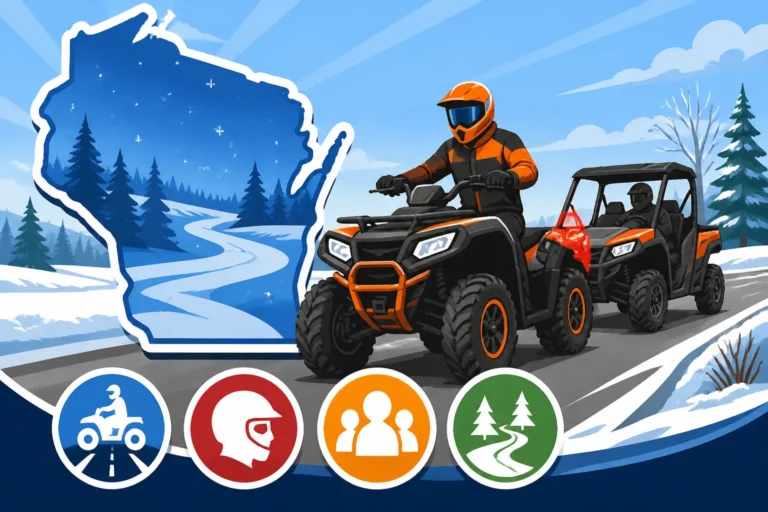
Have you ever found yourself yearning for more than just the dedicated trail systems, dreaming of a way to connect those trails, explore a charming small town, or simply enjoy a scenic ride on paved or gravel roads? Many Wisconsin ATV and UTV enthusiasts feel that exact frustration, often wishing their machines could legally take them further. This comprehensive guide will illuminate the wonderful world of Wisconsin towns that have embraced ATV and UTV travel by opening miles of their municipal roads, helping you discover new riding opportunities and understand how to enjoy them responsibly.
The Allure of Open Road Routes in Wisconsin
For years, ATV and UTV riding in Wisconsin was primarily confined to designated off-road trails, often requiring you to trailer your machine from one section to another. While these trails offer incredible experiences through forests and wildlands, they sometimes left riders longing for greater freedom and connectivity. That longing has led many communities, especially in our beautiful Northwoods, to explore ways to integrate these popular machines into their local road networks, opening up a whole new dimension of riding.
Why Riders Seek Town Road Access
The desire for town road access isn't just about speed or convenience; it's about expanding the adventure. Imagine being able to ride directly from your cabin to a local diner for breakfast, or linking several dispersed trail segments without having to load up your machine. This connectivity vastly enhances the riding experience, transforming isolated trails into expansive networks where you can truly explore a region. It means fewer interruptions, more continuous riding time, and the chance to appreciate the unique character of Wisconsin's small towns firsthand. It's about seamless travel, where the journey between trails becomes as enjoyable and scenic as the trails themselves, allowing you to access local businesses and amenities with ease.
Beyond convenience, open road routes offer a different kind of riding experience. While trails can be challenging and technical, town roads provide opportunities for more relaxed, scenic cruises, perfect for families or those who simply want to soak in the scenery without the intense focus required on rugged terrain. You can truly experience the rhythm of a town, passing by local shops, stopping for gas, or enjoying a picnic at a community park. This blend of off-road adventure and on-road cruising creates a dynamic and varied ride that keeps things fresh and exciting, adding layers of depth to your exploration of our state.
The Unique Landscape of Wisconsin's Open Roads
Wisconsin’s open road routes aren't just about pavement. Many of these designated routes include miles of scenic gravel and dirt roads that wind through dense forests, past sparkling lakes, and alongside rolling farmlands. These aren't high-speed highways, but rather quiet municipal roads, often less traveled, that connect smaller communities or provide access to remote areas. It’s this blend of road types that truly makes the experience special – you might be on a smooth blacktop one moment, then turn onto a hard-packed gravel road that feels like a natural extension of the trails you just left.
The landscape itself becomes part of the adventure. In the Northwoods, you'll find routes shaded by towering pine and hardwood trees, offering glimpses of wildlife and breathtaking fall colors. In other regions, you might ride past historic barns, sprawling cranberry marshes, or along the shores of our countless lakes. Each town offers its own unique flavor, from bustling tourist hubs to tranquil, almost forgotten hamlets. These roads offer a chance to see Wisconsin from a new perspective, fostering a deeper connection to the land and the communities that call it home, all from the seat of your ATV or UTV.
How Wisconsin Towns Open Their Roads to ATVs & UTVs
It’s not as simple as just deciding to let machines ride on town roads. There's a specific process that Wisconsin towns, villages, and cities must follow to legally open their streets to ATVs and UTVs. This process ensures public safety, addresses community concerns, and integrates these routes into existing infrastructure. Understanding how this works helps riders appreciate the effort involved and encourages responsible behavior.
The Local Ordinance Process
When a Wisconsin town considers opening its roads to ATVs and UTVs, the process typically begins with local residents, businesses, or ATV clubs advocating for the change. This often involves public meetings, surveys, and discussions within the community to gauge support and address potential concerns. The local governing body – whether it’s a town board, village board, or city council – must then draft and pass an ordinance. This ordinance is the legal document that designates specific roads as ATV/UTV routes, outlines the rules for their use, and establishes enforcement parameters. It’s a thorough and often lengthy process, designed to balance the benefits for riders and local economies with the safety and well-being of all residents. To dive deeper into this process, you might find [How a Wisconsin Town Opens an ATV Route] very informative.
These ordinances aren't uniform across the state; each community customizes its rules to fit its unique situation. They specify everything from permissible hours of operation to speed limits, and sometimes even additional insurance requirements beyond state minimums. Before any road can be officially designated, the local authority usually needs to conduct a safety review and ensure proper signage will be in place. This grassroots approach means that every town's route system has its own character and set of rules, underscoring the importance of doing your homework before you ride. It’s a testament to local control and the varied needs of different communities.
Identifying Designated ATV/UTV Routes
Once an ordinance is passed, the real work begins to make these routes clear and usable for riders. The most common way to identify designated ATV/UTV routes is through signage. You'll typically see distinct signs – often yellow and black, or green and white – indicating where a route begins and ends, as well as directional arrows. These signs are crucial for ensuring riders stay on legal routes and don't accidentally trespass or ride on prohibited roads. However, signs alone aren't always enough, especially in complex networks or when exploring new areas.
Many communities, often in partnership with local ATV clubs or the Wisconsin DNR, will also publish maps of their designated routes. These maps can be invaluable, showing not only the road routes but also how they connect to existing trail systems, gas stations, restaurants, and other points of interest. You can often find these maps on municipal websites, at local tourism offices, or sometimes even at gas stations and convenience stores in trail towns. Utilizing resources like these, along with GPS apps, is key to a smooth and legal ride. Don't forget to check [Route Signage Standards in Wisconsin] to understand what those signs mean!
Key Regions and Specific Towns Embracing ATV/UTV Road Routes
Wisconsin is blessed with diverse landscapes, and many of its communities have recognized the economic and recreational benefits of embracing ATV and UTV tourism. While you'll find pockets of open roads throughout the state, some regions have truly become hubs for this type of riding, offering extensive networks that can keep you exploring for days.
Northwoods Hotspots with Extensive Routes
When you think of ATV and UTV riding in Wisconsin, the Northwoods often comes to mind first, and for good reason. Towns here have long understood the draw of outdoor recreation. Communities like Eagle River, often called the "Snowmobile Capital of the World," have also become a premier destination for ATV and UTV riders, with many of its town roads open to connect to vast trail systems. Imagine riding right into town to grab a bite or refuel. [Riding an ATV into Eagle River] is a fantastic experience many riders cherish.
Other notable Northwoods towns that have developed extensive open road routes include St. Germain, Mercer, Hurley, Clam Lake, and the entire Vilas County area, which boasts an incredible network of interconnected trails and road routes. These towns often have local businesses that cater specifically to riders, offering everything from lodging with direct trail access to repair shops and gear stores. You’ll find that many of these routes utilize scenic county and town roads, providing a truly immersive experience of the region's natural beauty and welcoming communities. The foresight of these communities, combined with the efforts of local clubs, has created a rider's paradise where the machine truly acts as your primary mode of transportation for exploration and access.
Exploring Central and Western Wisconsin's Growing Networks
While the Northwoods is a traditional stronghold, other parts of Wisconsin are rapidly expanding their ATV and UTV road route offerings. Central Wisconsin, for instance, particularly in counties like Jackson and Clark, offers a different kind of scenery, often characterized by rolling hills, farmland, and access to state forests like Black River. These areas are developing their own unique brand of riding, with routes that connect small towns and provide access to vast county forest lands. It's a fantastic alternative for those looking for something beyond the typical northern experience.
Western Wisconsin, with its dramatic bluffs and river valleys, is also seeing growth in ATV/UTV route development. Communities along the Mississippi River or inland offer picturesque rides that might include glimpses of bald eagles or historic river towns. These regions often leverage their quieter county and town roads, allowing riders to enjoy stunning vistas and experience a different pace of life. As more communities recognize the economic benefits, we're likely to see these networks continue to grow and diversify, providing even more options for riders throughout the state. It's an exciting time to be an ATV/UTV enthusiast in Wisconsin, with new opportunities constantly emerging beyond the traditional hotspots.
Navigating the Rules and Regulations on Wisconsin Road Routes
Riding an ATV or UTV on a designated road route in Wisconsin isn't the same as riding on private land or a dedicated trail. When you're sharing the road with other vehicles, pedestrians, and cyclists, a different set of rules and a heightened sense of responsibility come into play. It's crucial to understand both the overarching state laws and any specific local ordinances to ensure a safe and legal ride.
General State Rules That Still Apply
Even on a designated town road route, several core Wisconsin state laws for ATVs and UTVs remain in effect. First and foremost, your machine must be properly registered with the Wisconsin DNR. This applies whether you're a Wisconsin resident or visiting from out of state; if you're bringing an out-of-state machine, you'll need the appropriate Wisconsin registration for it. [Wisconsin Registration for an Out-of-State Machine] covers this in detail. Furthermore, all operators born on or after January 1, 1988, must hold an ATV safety certificate, regardless of where they are riding. [Wisconsin ATV Safety Certificate Requirements] explains who needs this certification and how to get it.
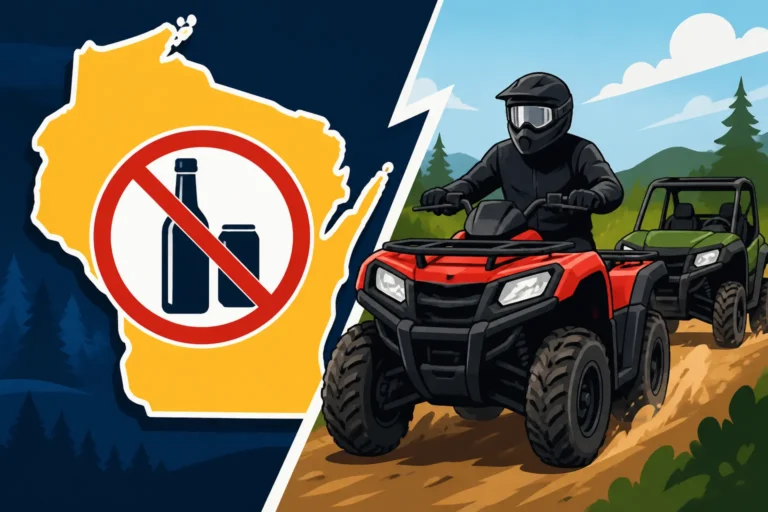
Age restrictions are also critical. For ATVs, children aged 12 to 15 can operate an ATV on designated routes if they hold a safety certificate and are directly supervised by an adult (18 or older) or a parent-approved adult. For UTVs, the operator must be at least 16 years old and hold a valid safety certificate. When it comes to helmets, all riders and passengers under the age of 18 must wear a DOT-compliant helmet. While adults 18 and over are not required to wear a helmet on public roads, it's always a wise safety choice. For more on age and helmet rules, check out [Wisconsin Helmet Rules for Riders Under 18] and [Wisconsin Rules for Riders Sixteen and Over]. And of course, never, ever operate an ATV or UTV under the influence of alcohol or drugs. [Wisconsin Alcohol Limits for ATV Operators] outlines the strict laws in place to ensure everyone's safety.
Specific Local Ordinances You Need to Know
While state laws provide a foundation, it's the specific local ordinances that truly define how you can ride on a town's open roads. These ordinances are set by the individual town, village, or city and can vary significantly from one community to the next. For instance, one town might allow riding from sunrise to sunset, while another might permit it only during specific daylight hours or prohibit night riding entirely. Speed limits are also a common area of variation; while the posted road speed limit often applies, some towns might impose lower limits specifically for ATVs and UTVs on their routes, especially in residential or downtown areas. [Municipal Ordinances Wisconsin Riders Must Read] is an essential resource for understanding this patchwork of rules.
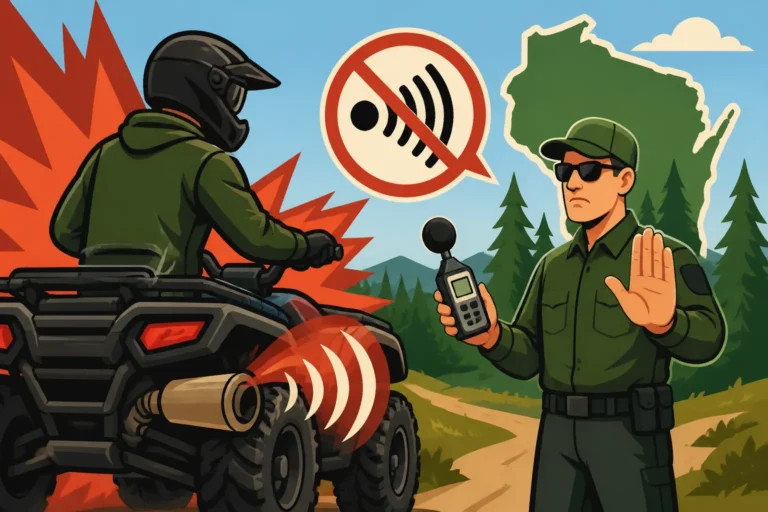
Some municipalities may also have additional requirements, such as requiring all machines to have working headlights, taillights, brake lights, and even mirrors. While many modern ATVs and UTVs come equipped with these features, older machines or those primarily used off-trail might need upgrades. This is where companies like SuperATV come in handy, offering a wide range of aftermarket accessories like turn signal kits, mirrors, and windshields to help make your machine compliant with road-use requirements. It's not just about what's required by law, but also about being a good neighbor. Excessive noise is another common concern, so ensure your exhaust system meets Wisconsin's 96-decibel limit, as wardens and local law enforcement can and do enforce these rules. Always be prepared to provide [What a Wisconsin Warden Asks a Rider For] when stopped, including your registration and safety certificate.
Essential Gear and Machine Considerations for Road Riding
Taking your ATV or UTV from the trail to the town road requires a bit of thought about both your machine's setup and your personal gear. Road riding introduces different dynamics and demands, and being prepared ensures a safer and more enjoyable experience for everyone.
Making Your Machine Road-Ready
Not all ATVs and UTVs are inherently "road-ready" straight off the trail. While Wisconsin state law doesn't require a machine to be "street legal" in the same way a car is, you still need to ensure your machine meets certain equipment standards for road route use. Essential items include working headlights and taillights for visibility, especially if you plan to ride near dusk or dawn. Brake lights are also critical for signaling to other vehicles. Many riders choose to install turn signals for clear communication on the road, even if not explicitly mandated by every local ordinance. Mirrors are another often-overlooked but crucial safety item, allowing you to monitor traffic behind you.
Tires are also a significant consideration. While knobby off-road tires are great for mud and rocks, they can wear quickly and feel unstable on pavement. Many riders opt for a more road-friendly tire with a tighter tread pattern or even a set of all-terrain tires that offer a good compromise between off-road grip and on-road comfort. Companies like SuperATV provide a wide array of aftermarket accessories, including DOT-approved tires, mirrors, and light kits, that can easily adapt your machine for road route compliance and enhanced safety. Ensuring your machine is well-maintained, with properly functioning brakes, is paramount before hitting any public road.
Rider Safety Gear and Preparedness
Your personal safety gear needs to be appropriate for the environment you're riding in. As mentioned earlier, if you or your passengers are under 18, helmets are mandatory. For adult riders, while not always legally required on town roads, a DOT-compliant helmet offers invaluable protection and is highly recommended. Eye protection, such as goggles or a face shield, is also crucial to shield your eyes from dust, debris, and insects, which can be more prevalent on roads. Gloves provide grip and hand protection, especially in the event of a minor tip-over.
Beyond personal gear, it's wise to carry essential items for roadside preparedness. This includes a small tool kit for minor repairs, a tire repair kit and air pump, and a basic first-aid kit. Since you'll be riding through communities, carrying your wallet, phone, and any necessary identification is also important. Knowing where the nearest [Wisconsin Gas Stations Along the Routes] are can save you from running dry, and always have a way to communicate in case of an emergency, especially in areas with spotty cell service. Being prepared for the unexpected ensures that your road route adventure remains enjoyable and safe.
Planning Your Adventure: Tips for a Great Road Route Trip
Embarking on an ATV or UTV road route adventure in Wisconsin is an exciting prospect. But like any good trip, it requires a bit of planning to ensure a smooth, safe, and memorable experience. Don't just hop on and go; a little preparation goes a long way.
Researching Your Destination Thoroughly
The golden rule for road route riding in Wisconsin is: always do your homework! Because local ordinances vary so widely, you absolutely must research the specific towns, villages, or cities you plan to ride in. Start by checking their official municipal websites, as many will have dedicated sections for ATV/UTV ordinances and maps. Local chambers of commerce or tourism boards are also excellent resources, often providing up-to-date information on routes, trail conditions, and local amenities. Don't assume that just because one town has open roads, its neighbor does too, or that they share the exact same rules.
Look for details such as hours of operation, speed limits specific to ATVs/UTVs, any additional equipment requirements (like turn signals or specific tire types), and whether insurance beyond state minimums is required. Pay attention to how these routes connect to existing trails, where you can park and unload, and where fuel and food stops are located. Many local ATV clubs maintain excellent websites or Facebook groups with current information and often provide valuable insights into local riding conditions and etiquette. A well-planned route can maximize your riding time and prevent any legal mishaps.
Respecting the Community and Environment
When riding on open road routes, you are a guest in someone's community, and your behavior directly impacts how residents view ATV and UTV riders. It’s paramount to operate your machine responsibly and respectfully. Always adhere to posted speed limits, not just for safety but also to minimize dust and noise. Slow down when passing homes, businesses, or pedestrians, and be extra cautious in residential areas where children and pets might be present. Remember that the 96-decibel noise limit is enforced, and excessive engine noise is a common complaint.
Stay on designated routes, even if a tempting gravel road appears to veer off. Trespassing onto private property or riding in prohibited areas can lead to fines and erode the trust communities have placed in riders. Pack out everything you pack in, and leave no trace of your visit. Be mindful of wildlife, especially during dawn and dusk. Supporting local businesses – grabbing a meal, filling your tank, or staying overnight – helps demonstrate the positive economic impact of ATV/UTV tourism, reinforcing the value these routes bring to small towns. Your actions contribute to the reputation of the entire riding community.
The Economic and Community Impact of ATV/UTV Routes
The decision for a Wisconsin town to open its roads to ATVs and UTVs isn't made lightly. While it offers incredible recreational opportunities for riders, it also brings significant economic and social impacts to the communities involved. Understanding these dynamics can help riders appreciate the privilege of these routes and encourage responsible use.
Boosting Local Businesses
One of the primary drivers for communities to embrace ATV/UTV road routes is the economic boost they bring. When riders can travel directly into a town, they spend money at local businesses. Think about it: after a long morning on the trails, you're going to want to stop at a local diner for lunch, or maybe visit a small-town brewery. You'll need to fill up your tank at a [Wisconsin Gas Stations Along the Routes]. Many riders also stay overnight, booking rooms at hotels, motels, or cabins, and exploring local shops for souvenirs or forgotten necessities. These expenditures create jobs, generate tax revenue, and help sustain small businesses that might otherwise struggle in remote areas.
This economic ripple effect extends beyond just hospitality. Local repair shops see more business, accessory dealers might experience increased sales (perhaps for SuperATV parts needed for road compliance), and even grocery stores benefit from riders stocking up for their trips. The presence of these routes essentially transforms a town into a destination, attracting tourists who might not otherwise visit. This influx of visitors helps to diversify local economies, providing a crucial lifeline to communities that rely heavily on seasonal tourism or have seen traditional industries decline. It's a symbiotic relationship where riders gain access and towns gain vitality.
Challenges and Community Dialogue
Of course, opening roads to ATVs and UTVs isn't without its challenges, and it often sparks considerable community dialogue. Concerns frequently revolve around safety, particularly the mixing of off-highway vehicles with cars, bicycles, and pedestrians on shared roads. Residents may worry about increased noise levels, especially in quiet residential areas, or potential damage to roads. Environmental concerns, such as dust control or the impact on natural habitats if riders stray from designated routes, are also common topics of discussion. It’s this balancing act between economic opportunity and community quality of life that local leaders constantly navigate.
Effective management of these routes requires ongoing communication between local governments, law enforcement, ATV/UTV clubs, and residents. This collaboration helps address issues as they arise, enforce rules, and educate both riders and non-riders about safe practices. Sometimes, routes are adjusted, hours are modified, or specific restrictions are added in response to community feedback. It's a dynamic process, and riders play a crucial role by adhering to regulations, practicing good etiquette, and demonstrating respect for the communities they visit. By being good ambassadors for the sport, riders help ensure the continued success and expansion of these invaluable road route networks in Wisconsin.
| Feature / Consideration | Typical Road Route Riding | Typical Dedicated Trail Riding |
|---|---|---|
| Primary Surface | Pavement, gravel, dirt roads | Dirt, rock, sand, mud |
| Traffic | Shared with cars, bikes, pedestrians | Primarily ATVs/UTVs, occasional hikers |
| Speed Limits | Posted road limits (often lower for ATVs/UTVs) | Varies, often lower, sometimes advisory |
| Hours of Operation | Often restricted (e.g., sunrise to sunset) | Varies, sometimes 24/7 or specific hours |
| Registration | Wisconsin public use registration required | Wisconsin public use registration required |
| Safety Certificate | Required for riders born on/after 1/1/88 | Required for riders born on/after 1/1/88 |
| Helmet (18+) | Not always legally required | Not always legally required |
| Helmet (Under 18) | Mandatory for operators & passengers | Mandatory for operators & passengers |
| Equipment Needs | Lights, mirrors, turn signals (often required/recommended) | Basic lights, spark arrestor |
| Noise Limit | Strictly enforced (96 decibels) | Strictly enforced (96 decibels) |
| Community Impact | Direct economic benefit to local businesses | Indirect benefit, often via staging areas |
| Navigation | Local ordinances/maps are crucial | Trail maps, signage |
Disclaimer
This article is for general informational purposes only and does not constitute professional advice. Laws, prices and regulations vary by location and change over time. Consult a qualified professional for guidance on your specific situation.