Spring Thaw and Wisconsin Route Damage
Spring thaw in Wisconsin is a beautiful thing, signaling the end of long, cold winters and the promise of open trails and routes. However, for those of us who live to ride our ATVs and UTVs, it brings a frustrating challenge: widespread damage to the very road routes we love to explore. What might look like a harmless puddle on a town road can quickly turn into a machine-swallowing sinkhole, making spring riding a tricky dance between excitement and exasperation. This guide is here to help you understand why these routes suffer, what you can expect to encounter, and how you can ride safely while also doing your part to protect our beloved Wisconsin riding areas.
The Spring Thaw Phenomenon and Its Impact on Wisconsin Routes
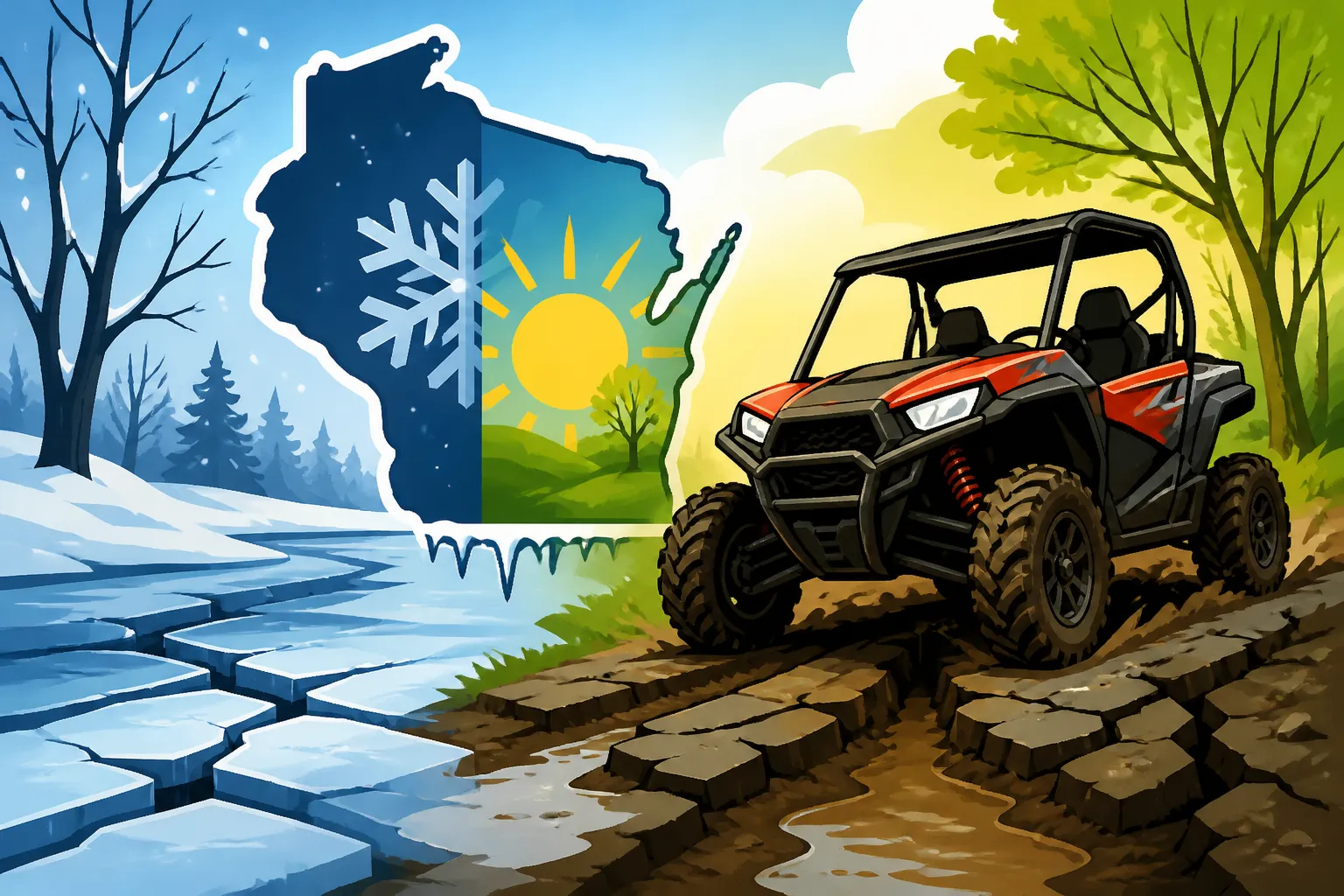
When the snow starts to melt and the temperatures finally climb above freezing, it’s a signal for riders across Wisconsin to dust off their machines. But the ground beneath those picturesque spring roads and designated ATV/UTV routes is still locked in winter's grip, creating a perfect storm for significant damage. It’s a cycle of freezing and thawing that relentlessly attacks the very foundations of our riding surfaces, often catching riders off guard.
The Science Behind the Softening: Why Roads Get So Bad
It all starts with the deep frost that penetrates the ground during our long Wisconsin winters. Water, as we know, expands when it freezes, pushing up the ground and creating what we call "frost heaves." These are those uneven bumps and ridges you might feel on paved roads, but on gravel or dirt routes, they can be much more severe. As spring arrives, the top layer of ground thaws, but the deeper ground below remains frozen. This creates a "perched" water table: meltwater from the surface has nowhere to drain because the frozen ground acts like an impermeable barrier.
The result? The upper layers of the road base become completely saturated with water. What was once solid gravel or packed dirt turns into a slushy, unstable mess. Imagine driving a heavy machine over what appears to be a stable surface, only for your tires to suddenly sink into a soupy mixture underneath. It’s incredibly frustrating because the surface might give the illusion of being firm, but it’s actually a treacherous trap, prone to giving way under the weight and force of an ATV or UTV. This isn't just a minor inconvenience; it's a fundamental weakening of the road's structure, making it highly susceptible to damage from any kind of traffic, including our off-road machines.
Common Types of Thaw Damage You'll Encounter
The consequence of this freeze-thaw cycle and poor drainage is a variety of damage that can make spring riding a genuine hazard. Potholes are just the beginning; we’re talking about much more significant and widespread issues on many town roads and dedicated routes.
- Washouts and Gully Formation: Where water concentrates and flows, especially on sloped sections, it can erode significant amounts of material, creating deep gullies or completely washing out sections of the route. These can be hidden under standing water, making them even more dangerous. You might suddenly find yourself in a trench that wasn't there last fall.
- Deep Ruts: When heavy machines (or even trucks) travel over saturated, soft ground, their tires create deep, long depressions. These ruts can quickly become so deep that they high-center your machine, make steering incredibly difficult, or even lead to rollovers, especially if one side drops into a rut while the other remains on higher ground. A whole string of machines riding through the same soft spot can turn a minor dip into a serious obstacle.
- Soft Shoulders and Edge Breakage: The edges of routes, where the road surface meets the ditch or undeveloped land, are often the first to soften. Veering even slightly off the main track can result in a tire sinking deep into the shoulder, pulling your machine dramatically to the side and potentially causing a loss of control or getting stuck.
- Loose Gravel and Debris: The freeze-thaw cycle can also loosen up previously compacted gravel, leaving behind sections of deep, unconsolidated stone that can make it hard to maintain traction and control, especially at speed or on turns. This is where you might also encounter more rocks and sticks pushed to the surface.
Navigating a once-smooth gravel route that now feels like a minefield of craters, deep ruts, and soft spots is a rude awakening for riders expecting smooth sailing. It requires constant vigilance and a significantly reduced pace to stay safe and protect your machine.
Navigating the Hazards: Rider Safety and Machine Care
Riding during the spring thaw, while tempting, demands a completely different approach than a summer or fall excursion. The altered conditions of the routes present real risks to both your safety and the longevity of your ATV or UTV. It’s about being prepared, making smart choices, and understanding the limitations of both your machine and the terrain.
Prioritizing Safety on Compromised Routes
The biggest frustration with spring thaw conditions is their unpredictability. A route might look fine one minute, and the next you're sinking into a soft spot or hitting a hidden washout. Therefore, your primary focus must be on safety.
- Slow Down and Be Vigilant: This is perhaps the most crucial advice. Reduced speeds give you more time to react to unexpected hazards like deep potholes, washouts, or muddy sections. What might be a minor bump at 10 mph could be a jarring impact or even a crash at 30 mph. Keep your eyes peeled far ahead, constantly scanning the route for changes in texture, standing water, or new ruts. If you're riding in a group, maintain extra distance so you have clear sight lines and space to maneuver if the rider ahead encounters an issue.
- Read the Terrain: Pay close attention to tire tracks from other vehicles. If you see deep ruts or signs of machines getting stuck, proceed with extreme caution or consider turning around. Avoid riding on the very edges of routes where shoulders are most likely to be soft and unstable. When approaching standing water, it's impossible to know its depth or what lies beneath it. If you can't see the bottom, assume the worst and try to find a safe way around, or if you must cross, proceed slowly and cautiously, bracing for impact.
- Ride Within Your Limits (and Your Machine's): If you're not an experienced mud rider, spring thaw conditions are not the time to push your limits. These conditions can be incredibly challenging even for seasoned riders. Ensure your machine is in good working order, especially your brakes and suspension. A good [Wisconsin ATV safety certificate requirement] course can help instill cautious habits and highlight the importance of proper riding techniques in challenging conditions.
Protecting Your Machine from Spring Thaw Damage
Beyond rider safety, the brutal realities of spring thaw can wreak havoc on your ATV or UTV. Riding through thick, abrasive mud and over sharp-edged potholes puts immense strain on every component of your machine. Folks often find themselves needing to replace bent rims, busted shocks, damaged CV boots, or even drive components after a particularly rough spring.
- Undercarriage Protection: The constant scraping and impacts from uneven terrain can damage critical components like control arms, axles, and the engine case. This is where investing in robust skid plates and A-arm guards becomes invaluable. Brands like SuperATV offer heavy-duty aluminum or UHMW (Ultra-High Molecular Weight plastic) skid plates that can absorb impacts and slide over obstacles, protecting the vulnerable underside of your machine. Trying to navigate deep ruts and rocky sections without this protection is a gamble you often lose.
- Suspension and Tires: Your suspension system takes a beating. Repeated impacts from potholes and uneven surfaces can wear out bushings, bend components, and stress shock absorbers. Consider inspecting your suspension closely after spring thaw rides for any signs of damage or excessive play. As for tires, aggressive mud tires can help with traction in soft conditions, but even they can struggle with the unpredictable nature of spring routes. Larger, more robust tires from SuperATV might also offer a bit more ground clearance to help prevent high-centering.
- Cleaning and Maintenance: Mud and grit are extremely corrosive and can quickly seize up moving parts. After every ride in muddy spring conditions, give your machine a thorough cleaning, paying special attention to suspension components, brakes, and electrical connections. Lubricate all grease points to prevent rust and wear. A little preventative maintenance goes a long way in extending the life of your ATV or UTV, especially after it's been through the wringer of Wisconsin's spring thaw.
- Consider Upgrades: If you frequently ride in challenging conditions, especially during spring, consider upgrades like heavier-duty axles or ball joints, which can better withstand the stresses of deep ruts and sudden impacts. A small lift kit from SuperATV could provide extra ground clearance, allowing you to clear obstacles that might otherwise damage your undercarriage or high-center your machine.
Your Role as a Rider: Reporting and Advocating for Route Health
It's easy to grumble about the condition of routes after the spring thaw, but that doesn't fix the problem. As riders, we have a crucial role to play in helping maintain and improve the very routes we enjoy. Our collective efforts can make a significant difference in how quickly and effectively damaged areas are addressed.
Identifying and Reporting Damaged Sections
Local governments and trail organizations can't fix what they don't know is broken. While wardens and local officials certainly patrol, they can't be everywhere at once. That's where you come in.
- Be Specific in Your Reports: If you encounter significant damage—a major washout, a dangerous pothole, or an impassable muddy section—take note. Jot down the exact location (cross streets, mile markers, GPS coordinates if you have them) and, if it's safe to do so, take a clear photo. This specific information is invaluable for maintenance crews. Simply saying "the route near the big lake is bad" isn't helpful.
- Contact the Right Authorities: Most ATV/UTV routes in Wisconsin are managed by local municipalities (towns, villages, counties) or sometimes by the DNR. Check local ordinances or county trail maps for contact information. Many counties have forestry or parks departments that oversee routes, and local towns often have a clerk's office or highway department that can take reports. The Wisconsin DNR also has regional offices that can help direct your report. Don't just complain on social media; make an official report. You can often find contact details for [Reporting Trail Damage in Wisconsin] through DNR websites or local government pages.
- Understand the "Why": Remember that towns and counties often face budget constraints and might be dealing with damage across their entire road network, not just ATV routes. Your report helps them prioritize.
Supporting Route Maintenance Efforts
Beyond reporting, there are direct ways you can contribute to the health and longevity of Wisconsin's ATV/UTV routes. These routes are a community asset, and their upkeep relies heavily on rider support.
- Your Trail Pass Matters: Every time you purchase or renew your [Wisconsin's ATV trail aids program] pass, a portion of that money goes directly back into maintaining and developing the trails and routes you ride. This funding is critical for everything from grading gravel roads to repairing culverts and signage. Without these funds, local communities would struggle even more to keep routes open and safe. It's a small fee that has a massive impact. For out-of-state visitors, understanding [Wisconsin's non-resident trail pass] and its cost is equally important.
- Join a Local ATV/UTV Club: These clubs are the backbone of our riding community. They often organize volunteer workdays to clean up routes, patch potholes, clear brush, and assist local highway departments with minor repairs. Getting involved, even if it's just by becoming a member and attending a few meetings, helps strengthen these efforts. It's a fantastic way to meet fellow riders and directly contribute to the sport.
- Respect Closures and Conditions: If a route is posted as closed due to spring thaw or maintenance, respect that closure. Riding on a closed route not only risks further damage to the route but also puts you at risk and can result in [Fines for riding Wisconsin unregistered] or other penalties. These closures are put in place for a reason – usually to let the ground firm up or to allow for necessary repairs without further degradation. Check local trail reports and [Checking Wisconsin Trail Status Before You Drive] before you head out.
- Ride Responsibly: Even on open routes, responsible riding is key. Avoid creating new ruts by swerving around puddles into soft shoulders. Ride in the center of the route if it's safe to do so, distributing weight more evenly. Keep your speed appropriate for conditions. Every rider's actions contribute to the overall health or degradation of the routes.
The Future of Wisconsin's ATV/UTV Routes
The battle against spring thaw damage is an ongoing one, but with continued efforts from local municipalities, the DNR, and the riding community, we can work towards more resilient routes. Understanding the long-term solutions and how to plan your rides wisely will ensure you can enjoy Wisconsin's vast riding opportunities for years to come.
Long-Term Solutions and Prevention
Local towns and counties are constantly looking for ways to build and maintain routes that can better withstand the relentless freeze-thaw cycles. This often involves significant investment and careful planning.
- Improved Drainage: The core of the problem is often water. Better drainage systems, including well-maintained ditches, culverts, and proper grading, can help shed water away from the road base, preventing saturation. This is a continuous effort that relies on funding, often supported by our [Wisconsin's ATV trail aids program] grants to counties.
- Durable Road Base Materials: In some areas, using more resilient materials for the road base, such as larger, more angular gravel or even specialized permeable materials, can improve stability and drainage. However, these solutions can be expensive and aren't always feasible for every mile of route.
- Seasonal Weight Limits and Closures: Many counties and towns implement seasonal weight limits or even temporary closures on their roads during spring thaw. While frustrating for riders, these measures are crucial to allow the roads to firm up and prevent irreparable damage. Understanding [When Wisconsin trails open after thaw] is vital for planning.
- Collaboration and Education: Ongoing collaboration between local governments, the DNR, and ATV/UTV clubs is key. Educating riders about the impact of thaw damage and the importance of responsible riding helps everyone play their part in protecting these resources.
Planning Your Spring Rides Wisely
The best way to deal with spring thaw route damage is to plan your rides strategically and adjust your expectations. Don't just assume your favorite route is good to go the moment the snow melts.
- Check Trail Conditions Religiously: Before you hitch up the trailer and head north, make it a habit to check the most current trail and route conditions. Many counties and local clubs maintain websites, Facebook pages, or dedicated phone hotlines that provide up-to-date information on closures, severe damage, and general conditions. This is where [Checking Wisconsin Trail Status Before You Drive] becomes your best friend. The frustration of driving all the way up north only to find routes closed or impassable is real, so a little planning goes a very long way.
- Choose Your Destinations Carefully: Some areas or types of routes might be more prone to thaw damage than others. Routes that are primarily old logging roads with good drainage and sandy soil might fare better than those built on clay or in low-lying, wet areas. Consider starting with routes known for their robust construction or those that are actively maintained by well-funded clubs.
- Pack for the Conditions: Expect mud, water, and rough terrain. That means appropriate riding gear (waterproof boots, rain gear), recovery equipment (winch, tow strap, shovel), and perhaps even a change of clothes. You might even want to consider some of the heavy-duty components from SuperATV if you know you'll be navigating especially challenging, muddy routes, as they can enhance your machine's ability to handle the abuse.
- Have a Backup Plan: Sometimes, even with the best planning, you might arrive to find conditions worse than expected. Have a backup plan for an alternative route or even another activity. Embracing the flexibility that spring demands will make your riding experience much more enjoyable.
Remember, the spring thaw is a temporary challenge. By understanding its effects, riding safely, reporting damage, and supporting maintenance efforts, we can all contribute to ensuring Wisconsin’s ATV/UTV routes remain open and enjoyable for seasons to come.
| Type of Spring Thaw Damage | Description | Rider Impact | Prevention/Mitigation Strategy |
|---|---|---|---|
| Potholes & Craters | Localized depressions formed by water freezing/thawing under the surface. | Sudden jolts, bent rims, tire damage, loss of control. | Slow down, steer around if safe, consider robust tires. |
| Deep Ruts | Long, tire-width depressions in soft, saturated ground. | High-centering machine, steering difficulty, potential rollovers, getting stuck. | Follow existing ruts carefully, avoid creating new ones, consider lift kits. |
| Washouts & Gullying | Sections of route eroded by flowing meltwater. | Machine damage, getting stuck, extremely hazardous, impassable sections. | Avoid at all costs, find alternate routes, report immediately. |
| Soft Shoulders | Unstable, saturated edges of the route. | Machine pulls to the side, getting stuck, potential for rollover. | Stay on the main travel surface, avoid edges, be extra cautious. |
| Loose Gravel/Debris | Unconsolidated material on the surface due to thaw and erosion. | Reduced traction, loss of control, propels rocks at other riders. | Reduce speed, maintain distance, inspect tires post-ride. |
Disclaimer
This article is for general informational purposes only and does not constitute professional advice. Laws, prices and regulations vary by location and change over time. Consult a qualified professional for guidance on your specific situation.