Routes Under a Foot of Snow
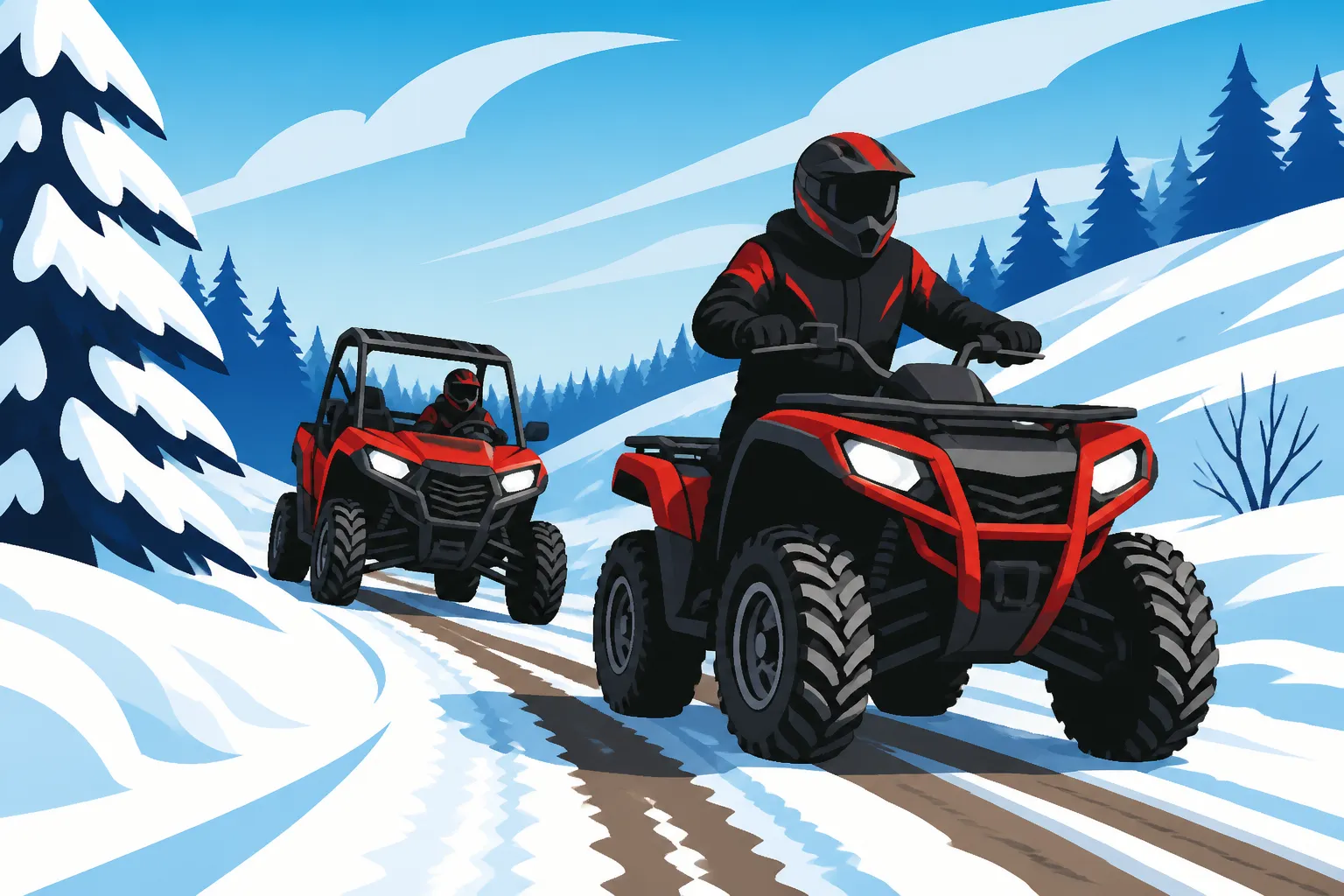
There’s nothing quite like the crisp air and hushed beauty of a Wisconsin winter from the seat of your ATV or UTV. But if you’ve ever tried to plan a ride on one of the state's popular road routes after a fresh snowfall, you've likely hit a snag: the dreaded "one-foot snow rule." It's a common source of confusion and frustration, making it hard to know when and where you can actually enjoy those winter miles. This guide is here to untangle the complexities, helping you understand the rules for ATV and UTV routes when they’re blanketed in snow, and how to make the most of your winter riding.
The Nuances of Wisconsin's Winter Route Riding Rules
Wisconsin's winter landscape transforms everything, including the rules of the trail and route. What works in July often doesn't apply in January, and the "foot of snow" rule for ATV and UTV routes is one of those distinct winter considerations that can really trip up riders. It’s not just about how much snow is on the ground; it’s about how that snow changes the legal status and practicalities of riding.
Why Snow Depth Matters on ATV Routes
Imagine a pristine, snow-covered town road, usually open to ATVs and UTVs in warmer months. It looks inviting, right? But for ATVs and UTVs, that snow can significantly alter the legal framework. The primary reason for specific snow depth rules on these routes often comes down to differentiating between different types of winter recreation. Snowmobile trails, for instance, are specifically designed and maintained for deep snow. When ATV/UTV routes get substantial snow, it creates a potential conflict with snowmobile corridors, which often share or run adjacent to these routes. Furthermore, deep snow can obscure road hazards, change the dynamic of how a machine handles, and even affect who has primary use rights on a specific stretch of winter terrain. It's about safety, trail integrity, and managing expectations across various user groups.
What the "Foot of Snow" Rule Really Means
This rule is a common one you'll hear discussed in various Wisconsin riding circles. In many townships and counties that open their roads to ATVs and UTVs, an ordinance will specify that these routes are closed to ATV/UTV use if there is a "measurable snow depth of one foot or more" on the ground. The intent behind this is to create a clear delineation. When the snow reaches a certain depth, those routes are generally understood to transition into being primarily for snowmobile use, or simply closed to ATVs and UTVs to prevent resource damage or conflict. It means that even if a town road is designated an ATV route in the summer, once that snow piles up, it's often off-limits to you on your quad or side-by-side. It's a hard rule in many places, and ignoring it can lead to fines for an unregistered ATV or illegal operation. You might think, "Well, there's a little less than a foot," but wardens aren't usually carrying tape measures; it's often based on common sense and local observation. This rule also protects the integrity of the snow base for snowmobiles, as ATVs and UTVs can churn up the snow, making it rougher or melting it more quickly.
Who Decides When a Route is Open or Closed
Unlike many state-managed trails where the DNR makes broad announcements, the decision to open or close town and county road routes often falls to the local municipalities. Each town board or county highway department that has designated ATV/UTV routes usually sets its own specific ordinance, including the snow depth rules. This means what's allowed in Vilas County might be different from what's permitted in Marinette County, or even from one township to the next within the same county. They are the ones who assess the snow conditions, and if the one-foot threshold is met, they are responsible for communicating the closure. Sometimes, it’s a direct announcement, other times it’s implied by the conditions. This local control can make checking conditions a bit of a patchwork, but local signage and town websites are often your best bet. Always check [Checking Wisconsin Trail Status Before You Drive] before you load up and head out.
Navigating Winter Road Routes Safely and Legally
Once you understand the "foot of snow" rule and when routes might be open to you, the next step is ensuring you're ready for the unique challenges of winter riding. It's not just about staying warm; it's about making sure your machine is capable, you're prepared for emergencies, and you're respectful of the environment and other users. Riding when the temperature dips below freezing or when there's even a dusting of snow requires a different mindset and different gear than a summer rip through the woods.
Essential Gear for Snow Riding on Routes
Riding in cold weather and on snow-covered routes demands a specific set of gear for both rider and machine. For yourself, think layers. Thermal base layers, an insulating mid-layer, and a waterproof, windproof outer shell are critical. You'll want heavy-duty, insulated gloves or mitts, a balaclava or neck gaiter, and waterproof, insulated boots. Remember that [Wisconsin Helmet Rules for Riders Under 18] mean youth riders absolutely need a helmet, but for adults, while not always legally required, a DOT-approved helmet offers critical protection from both impact and the cold. Eye protection is non-negotiable to prevent frostbite and keep snow and wind out of your eyes.
For your machine, consider a few upgrades or additions. If the routes are clear of heavy snow, [Studs for Riding on Ice] can provide much-needed traction on frozen patches or icy roads, though you'll need to know if your specific local ordinances allow them. A good winch is almost essential for getting unstuck in unexpected drifts or helping a buddy. Carrying a small shovel, a tow strap, and basic tools is also a smart move. And don't forget the navigation – GPS units like those found on devices like a phone with robust mapping apps (or a dedicated GPS) are vital when snow can obscure familiar landmarks and signage.
Understanding the Impact of Snow on Your Machine
Even a few inches of snow, let alone a foot, drastically changes how your ATV or UTV performs. Traction is reduced, steering can become heavier, and your machine's cooling system might work differently, especially if snow gets packed into radiators. Your engine will work harder, consuming more fuel. If you're running a UTV, the cab can become quite comfortable, but open-air ATVs expose you fully to the elements.
Snow can also hide obstacles like rocks, stumps, or potholes, turning a smooth route into a treacherous one. This is where a good suspension and a sturdy skid plate can save you a lot of headache (and repair bills). Wet snow can also cling to moving parts, potentially causing issues with brakes or drivelines if not properly maintained. Before hitting the routes, give your machine a thorough once-over, checking fluid levels, tire pressure (which you might want to adjust slightly for snow), and ensuring all lights are operational. Remember that [Wisconsin Headlight Rules After Dark] and proper taillights are critical, especially with shorter daylight hours in winter.
Avoiding Conflicts with Other Winter Recreation
The biggest reason for the "foot of snow" rule is to manage shared resources and prevent conflicts between different user groups. When snow depth closes ATV/UTV routes, it often means those same areas might be open for snowmobiles. Snowmobile trails are meticulously groomed and maintained, and the passage of ATVs and UTVs, particularly with tires, can quickly chew up that groomed base, making it rough and unsafe for snowmobilers.
It's crucial to understand that even if you legally have less than a foot of snow on an ATV route, you might still encounter snowmobilers. Always yield to snowmobiles and be aware of their higher speeds and different stopping distances. Also, be mindful of cross-country skiers, snowshoers, and even fat tire bikers who might be using adjacent trails or shoulders. Respecting designated uses and being a good ambassador for ATV/UTV riding is paramount. Look for [Wisconsin Winter Route Riding Rules] for more specifics on these interactions.
Practical Tips for a Winter Route Adventure
Even with the "foot of snow" rule limiting your options, there are still plenty of fantastic winter riding opportunities in Wisconsin. It just takes a bit more planning and preparation. Think of it as a different kind of adventure, one that rewards careful consideration and a willingness to embrace the unique beauty of the frosty landscape.
Planning Your Route: Where to Find Information
This is arguably the most critical step for winter route riding. Because the rules are set locally, you can't rely on a single statewide declaration. Your best bet is to consult county and town websites directly. Many counties, especially in the popular riding regions like Vilas, Oneida, and Marinette, will post specific updates on their forest or recreation department pages regarding trail and route statuses. Some smaller towns might not have daily updates, but their ordinances will be publicly available, outlining the snow depth rules.
Local ATV clubs are another invaluable resource. These clubs often maintain sections of trail and are deeply involved in local route decisions, making them a great source for real-time conditions and interpretations of the rules. Their social media pages or forums can provide updates that you won't find anywhere else. Remember to verify information, especially for specific routes, to ensure you're compliant with [Municipal Ordinances Wisconsin Riders Must Read].
Machine Preparation for Snow-Covered Routes
Beyond your personal gear, getting your machine ready for snow is key.
- Tires: Consider specific winter tires if you ride in snow frequently, or at least ensure your all-terrain tires have good tread. Low tire pressure can offer more flotation on softer snow, but be careful not to go too low, especially if you might hit paved sections.
- Winch: As mentioned, a winch is a lifesaver. Ensure it's in good working order, and you know how to use it safely.
- Fuel: Cold weather and harder work mean increased fuel consumption. Always carry extra fuel in approved containers, and consider running a fuel stabilizer, especially if your machine sits between rides. Many [Wisconsin Gas Stations Along the Routes] cater to riders, but you don't want to get caught short.
- Battery: Cold weather drains batteries faster. A strong, fully charged battery is crucial. A battery tender between rides is a smart investment, especially if your machine is prone to [Replacing a Quad Battery] during colder months.
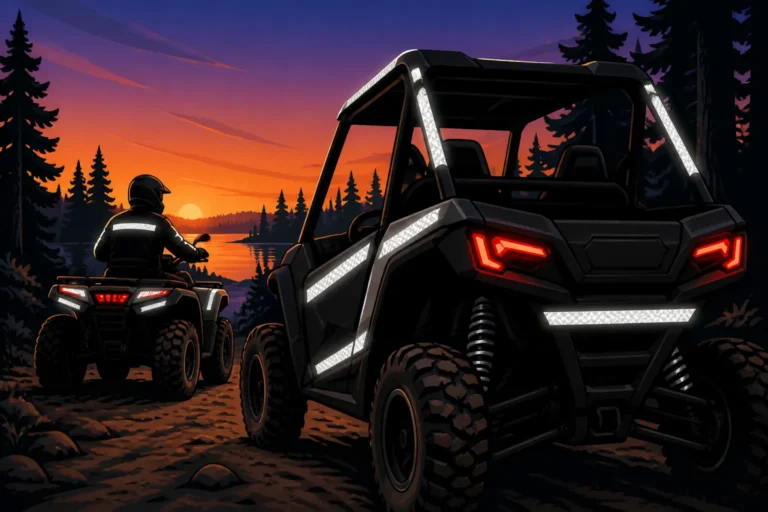
- Visibility: With shorter days and often overcast skies, visibility can be low. Ensure your headlights, taillights, and brake lights are clean and fully functional. Adding reflective tape to your machine or helmet is also a good idea. Some riders even add a whip flag with reflective material, especially in areas with mixed use. You can find durable accessories like bright LED light bars or winches from brands like SuperATV that stand up to tough winter conditions, improving both visibility and recovery capability.
- Winterizing: For machines that sit for extended periods, proper [Winterizing a Machine in Wisconsin] is essential to prevent damage from freezing and ensure it starts reliably when you're ready to ride. This includes fuel stabilizers, checking antifreeze levels, and tending the battery.
Respecting the Winter Environment and Local Ordinances
Winter riding, when permitted, offers a unique opportunity to experience Wisconsin's natural beauty. It's crucial to ride responsibly and respectfully. Stick to designated open routes and trails. Deviating onto closed routes, private land, or snowmobile-specific trails when ATVs are not allowed can lead to fines, citations for [Penalties for an Unregistered ATV in Wisconsin], and a negative perception of our sport. It jeopardizes future access for everyone.
Be mindful of noise, especially in quiet residential areas or near cabins. Your machine's exhaust should meet [Wisconsin's 96-Decibel Exhaust Limit]. If you're riding through small towns that have opened their roads as routes, travel slowly and observe all posted speed limits, which are often lower than typical road speeds. Wave to property owners and other trail users – a friendly approach goes a long way. The future of winter ATV/UTV access on Wisconsin's routes depends heavily on how riders conduct themselves today. Always leave the area as good or better than you found it, preserving the pristine winter environment for all to enjoy.
Disclaimer
This article is for general informational purposes only and does not constitute professional advice. Laws, prices and regulations vary by location and change over time. Consult a qualified professional for guidance on your specific situation.