Eye Protection on a Wisconsin Route Ride
Riding your ATV or UTV on a Wisconsin road route might feel like a casual cruise through some of our charming small towns, but anyone who has had a sudden gust of wind kick up gravel, a rogue bug kamikaze into their face, or unexpected dust billow up from a shoulder knows that even seemingly tame routes can present real hazards to your eyes. This guide is all about making sure your vision is protected and your ride is safe and enjoyable on every Wisconsin road route, covering the specific requirements and best practices for eye protection.
Why Eye Protection Isn't Just a Suggestion on Wisconsin Routes
It’s easy to think, "I'm just riding on a town road, not a dusty trail, so I don't need all the gear." But that casual mindset can lead to serious trouble. Even at lower speeds typical for road routes, your eyes are vulnerable to a myriad of irritants and projectiles. A clear, unobstructed view is critical for safe operation, and just one small piece of debris can compromise that.
The Hidden Dangers of Paved and Gravel Routes
Picture this: you're cruising down a scenic Wisconsin town road, enjoying the fresh air, when suddenly a semi-truck passes in the opposite direction. That rush of displaced air can stir up an incredible amount of dust, tiny pebbles, and even roadside litter. These aren't just minor annoyances; a sharp pebble or piece of gravel hitting your eye at speed can cause severe damage, ranging from corneal abrasions to much more serious injuries that could permanently affect your vision.
Beyond physical objects, the elements themselves pose a threat. The sun's glare, especially at certain times of day or when bouncing off wet pavement, can temporarily blind you, obscuring an oncoming vehicle, a pedestrian, or a sudden turn in the road. And let's not forget the insects! A bee or fly hitting your unprotected eye at 25 mph can feel like a small projectile and cause an instant, involuntary flinch, potentially leading to a loss of control. Proper eye protection acts as a literal shield against these everyday but very real dangers.
Protecting Your Vision, Protecting Your Ride
Your eyes are your primary tool for navigating an ATV or UTV. When your vision is compromised, even for a split second, your ability to react to changing conditions, gauge distances, and maintain control of your machine diminishes drastically. Imagine needing to brake suddenly for a deer jumping out from the woods and having your vision obscured by a bug splat or a sudden tear in your eye from wind. That moment of impaired vision could be the difference between a safe stop and a collision.
Long-term, consistent exposure to wind, dust, and UV rays without protection can also contribute to eye conditions like dry eye syndrome, pterygium (a growth on the conjunctiva), and even cataracts. Investing in quality eye protection isn't just about avoiding a ticket; it's about safeguarding your most important sense and ensuring you can continue to enjoy the freedom of riding for years to come. Staying safe often means preparing for the unexpected, and clear vision is paramount.
Understanding Wisconsin's Eye Protection Rules
Wisconsin law has clear guidelines regarding eye protection for ATV and UTV operators, especially for certain age groups. It's not just a recommendation; it's a legal requirement in many cases, designed to keep everyone safe on shared roadways. Knowing these rules is crucial to avoid fines and, more importantly, to protect yourself and your passengers.
Who Needs Eye Protection and When
Wisconsin statutes specify that any ATV or UTV operator under the age of 18 must wear approved eye protection when riding, whether on a designated trail or a road route. This aligns with other youth safety regulations, such as [Wisconsin Helmet Rules for Riders Under 18]. While the law doesn't mandate eye protection for riders aged 18 and older, it's highly, highly recommended for all operators and passengers, regardless of age. Think of it this way: the wind, dust, and debris don't care how old you are. Many municipalities might also have their own ordinances regarding eye protection on local road routes, so it's always wise to check [Municipal Ordinances Wisconsin Riders Must Read] for the specific area you plan to ride.
For those operating a side-by-side with a windshield, it might feel like you're adequately protected. However, standard UTV windshields, while helpful, don't always provide full enclosure, leaving gaps for dust and wind to swirl in. A crack or scratch in the windshield can also distort vision. Therefore, even with a windshield, individual eye protection is a smart choice, especially when traveling at speed or on gravel sections of a route.
What Constitutes Legal Eye Protection
When the law talks about "approved eye protection," it's not just referring to any old pair of sunglasses. The protection needs to meet specific safety standards to be effective. This typically means goggles, a full-face shield integrated into a helmet (check out [DOT Helmet Ratings Wisconsin Accepts] for more on helmet standards), or safety glasses designed for impact resistance. Regular eyeglasses or fashion sunglasses, while offering some UV protection, often lack the impact resistance and full coverage necessary to be truly effective against flying debris or harsh wind. They can also fly off easily during a bumpy ride.
The key characteristics of legal and effective eye protection include:
- Impact Resistance: Capable of withstanding direct hits from small objects without shattering.
- Full Coverage: Designed to shield the entire eye area, preventing dust, wind, and debris from entering from the sides, top, or bottom.
- Secure Fit: Stays firmly in place during movement, ensuring continuous protection and clear vision without needing constant adjustment.
- Clear Visibility: Lenses should be scratch-free and provide an unobstructed field of view. For riding after dark, clear lenses are essential, as discussed in [Wisconsin Headlight Rules After Dark] and [Riding a Wisconsin Route After Sundown].
It's always better to over-prepare than to face the consequences of inadequate protection.
The Fines and Consequences of Non-Compliance
Ignoring Wisconsin's eye protection laws, particularly if you're under 18, can lead to more than just a stern talking-to. Wardens and law enforcement officers patrol road routes to ensure compliance with ATV and UTV regulations. Getting caught without the proper eye protection can result in a citation and fines, adding an unwelcome expense to your ride. These penalties are part of the broader system of [Wisconsin Fines for Illegal Road Riding], which covers various infractions.
Beyond the legal ramifications, the personal consequences of insufficient eye protection are far more significant. An eye injury can be painful, costly to treat, and in severe cases, lead to permanent vision impairment or even blindness. Imagine the regret of suffering a preventable injury simply because you chose not to wear a $30 pair of goggles. It's a risk that simply isn't worth taking, especially when the solution is so readily available and affordable. Safe riding means being responsible, and that includes wearing all the required and recommended safety gear.
Choosing the Right Eye Protection for Your Wisconsin Ride
With so many options on the market, choosing the right eye protection can feel a bit overwhelming. But it doesn't have to be. The best choice for you will depend on your riding style, the type of machine you operate, and the specific conditions you expect to encounter on a [Riding an ATV on a Wisconsin Road Route]. Remember, comfort and clarity are just as important as protection.
Goggles: Your Best Bet for Comprehensive Coverage
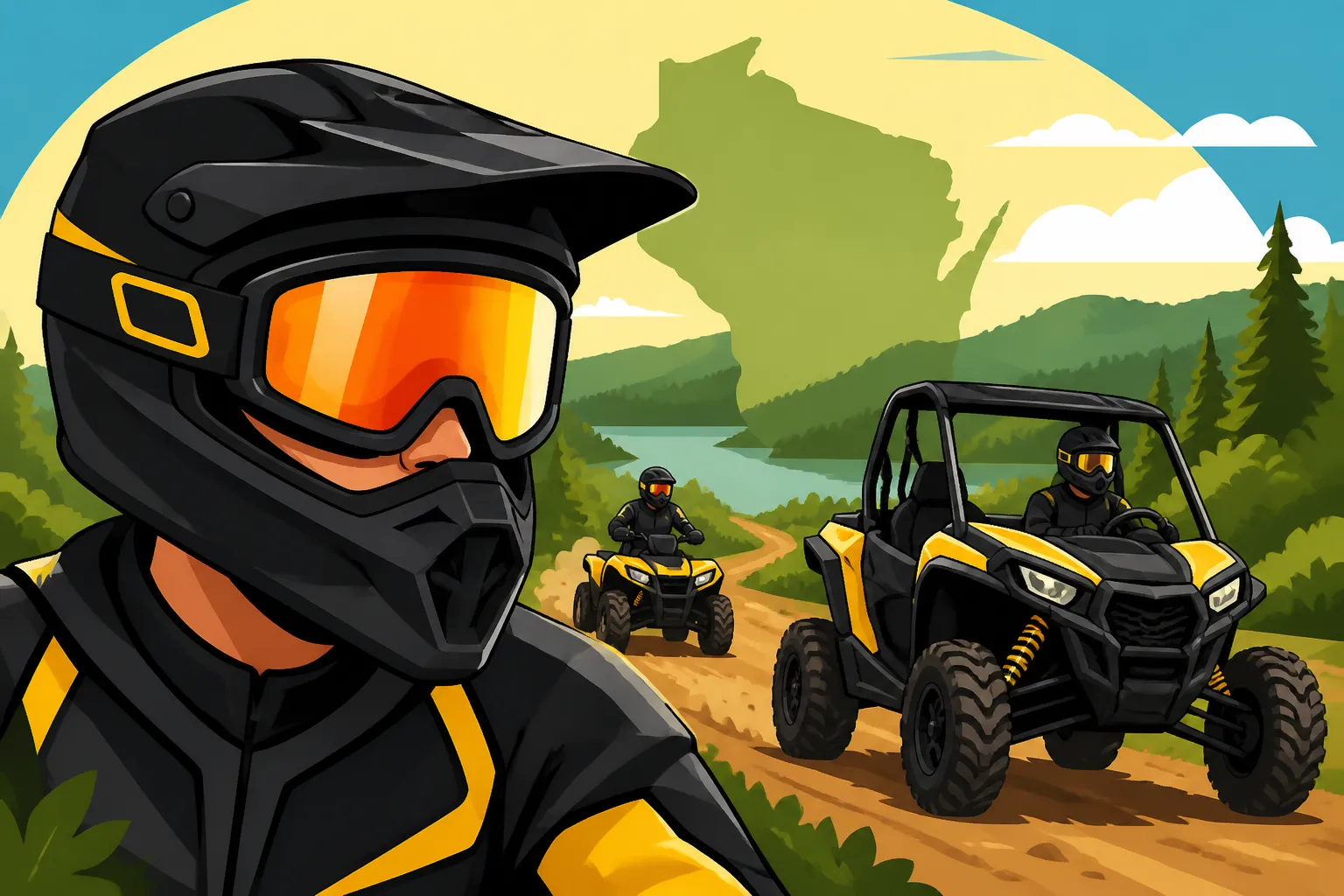
For most ATV and UTV riders, especially those on ATVs or open-cab UTVs, a good pair of riding goggles is the gold standard for eye protection. They offer an unparalleled seal around your eyes, keeping out dust, wind, and debris that might otherwise sneak past a face shield or sunglasses. Modern goggles come packed with features designed for rider comfort and clear vision. Look for:
- Anti-fog coatings or vents: Essential for preventing moisture buildup, especially on humid days or during exertion.
- UV protection: To shield your eyes from the sun's harmful rays.
- Impact-resistant lenses: Polycarbonate lenses are common and highly durable.
- Comfortable foam padding: Ensures a snug fit without pressure points and helps wick away sweat.
- Adjustable straps: To fit securely over various helmet sizes.
Many riders, myself included, prefer over-the-glasses (OTG) goggles if they wear prescription eyewear. These are specifically designed with a deeper frame to accommodate glasses underneath, ensuring you don't have to choose between clear vision and proper eye protection. Brands like SuperATV offer a range of accessories, including replacement goggle lenses for different light conditions, ensuring you always have optimal visibility.
Helmets with Face Shields: Convenience Meets Protection
For some UTV riders, or those who prefer the convenience of an integrated system, a full-face helmet with a built-in face shield can be an excellent choice. This offers head and face protection along with clear eye coverage in one unit. The shield can often be flipped up when stopped or for better ventilation at low speeds, which is a definite perk when chatting with fellow riders or navigating a small town.
However, face shields can sometimes fog up more easily than well-vented goggles, and if they get scratched or dirty, the entire shield's clarity is compromised. Replacement shields can sometimes be harder to find or more expensive than goggle lenses. When choosing a helmet with a face shield, ensure the shield itself offers good optical clarity and is made from an impact-resistant material. Look for shields with anti-scratch and anti-fog treatments. While it's convenient, remember that the shield doesn't always provide the same tight seal around the eyes as dedicated goggles.
Eyeglasses and Sunglasses: When Are They Enough?
While regular eyeglasses or fashion sunglasses might offer some UV protection, they typically fall short as primary eye protection for ATV/UTV riding. They often lack sufficient impact resistance, can easily slip off during rough terrain or sudden movements, and don't provide the full peripheral coverage needed to block wind and debris from the sides. Many riders have experienced a bug flying past the side of their sunglasses and directly into their eye – not a pleasant experience!
However, if you must rely on eyeglasses, consider models designed as "safety glasses" with Z87+ impact ratings. These are much more robust and offer better coverage than standard eyewear. For prescription wearers who don't want OTG goggles or a helmet with enough space, an option might be prescription safety glasses with side shields. In general, for dedicated riding on Wisconsin routes, it’s best to use purpose-built goggles or a full-face shield that meets safety standards, supplementing with prescription glasses underneath if needed.
Specialized Options for Different Conditions
Riding conditions in Wisconsin can vary wildly, from bright sunny days to cloudy afternoons, and of course, riding at night. Your choice of eye protection can be optimized for these different scenarios:
- Tinted Lenses: For bright, sunny days, tinted or mirrored goggle lenses or face shields dramatically reduce glare and eye strain. This is especially helpful during long rides where the sun can be relentless.
- Clear Lenses: Absolutely essential for [Riding a Wisconsin Route After Sundown] or on heavily overcast days. Never ride with tinted lenses at night, as it severely impairs your vision.
- Photochromatic Lenses: These lenses automatically adjust their tint based on UV light exposure, offering a convenient all-in-one solution that transitions from clear to dark. While often more expensive, they eliminate the need to swap lenses or carry multiple pairs.
- Tear-offs/Roll-offs: For extremely muddy or dusty conditions, these disposable layers applied over goggle lenses allow you to quickly clear your vision by pulling off a dirty layer or rolling a clean strip across. While less common on road routes, they are invaluable if you're transitioning between dirty trails and cleaner roads.
Here's a quick comparison of common eye protection types:
| Feature | Riding Goggles | Helmet Face Shield | Safety Glasses (Z87+) | Regular Eyeglasses/Sunglasses |
|---|---|---|---|---|
| Impact Rating | High (Polycarbonate) | High (Polycarbonate) | High (Z87+) | Low to Moderate |
| Coverage | Excellent (Seals around eyes) | Good (Full face, but may have gaps) | Moderate (Limited peripheral) | Low (Open sides) |
| Fog Resistance | Good (Vented, anti-fog coatings) | Moderate (Can fog, depends on vents) | Moderate (Some anti-fog options) | Low (Prone to fogging) |
| Wind/Dust Seal | Excellent | Good | Poor | Poor |
| Comfort | Good (Adjustable strap, foam padding) | Varies by helmet fit | Good (Lightweight, but can pinch) | Good (Familiar fit) |
| Prescription | Many OTG options or inserts | Can fit over glasses, or prescription shields | Available in prescription | N/A (Are prescription) |
| Cost | Moderate to High | Moderate to High (part of helmet) | Low to Moderate | Varies Widely |
| Visibility | Excellent (Wide field of view) | Excellent (Wide field of view) | Good (Clear, but limited peripheral) | Good (Clear, but limited peripheral) |
Maintaining Your Eye Protection for Clear Vision
Having the best eye protection is only half the battle; keeping it in top condition ensures it performs when you need it most. Scratched lenses, cloudy shields, or a loose fit can compromise both your safety and your enjoyment of a Wisconsin ride. A little routine care goes a long way.
Cleaning and Care Tips
After every ride, especially if you've been on dusty or muddy [Wisconsin Road Route Rules Riders Get Wrong], your eye protection will likely need a good cleaning. Here's how to do it right:
- Rinse First: Before wiping, always rinse goggles or face shields under lukewarm water. This helps to wash away loose dirt and grit that could scratch the lens if wiped dry. Avoid hot water, which can sometimes damage anti-fog coatings.
- Use Mild Soap: A tiny drop of mild dish soap can be used with your fingers to gently clean the lens. Avoid harsh chemical cleaners, window cleaner, or alcohol-based solutions, as these can strip away protective coatings or damage the lens material.
- Soft Cloth Drying: Use a microfiber cloth specifically designed for optics, or a very soft, clean cotton cloth, to gently pat or wipe the lenses dry. Never use paper towels, tissues, or your shirt, as these can be surprisingly abrasive and cause micro-scratches.
- Air Dry Straps/Padding: If your goggles have foam padding or fabric straps, let them air dry completely before storing to prevent mildew and unpleasant odors.
- Reapply Anti-Fog (If Needed): Over time, anti-fog coatings can wear off. You can purchase anti-fog sprays or wipes, often available from brands like SuperATV, to reapply to the inside of your lenses as needed.
Remember, clear vision isn't just about protection; it's about seeing what's ahead, recognizing potential hazards, and navigating safely. Keeping your lenses pristine is a critical part of that.
Storage and Longevity
How you store your eye protection is almost as important as how you clean it. Improper storage is a leading cause of scratched lenses and degraded materials.
- Protective Bag or Case: Always store goggles or helmets with face shields in a soft, protective bag or a hard case when not in use. Many goggles come with a microfiber bag that doubles as a cleaning cloth. This prevents them from rattling around, getting scuffed by other gear, or accumulating dust.
- Avoid Extreme Temperatures: Don't leave your eye protection baking in direct sunlight inside a hot vehicle or stored in freezing temperatures for extended periods. Extreme heat can warp frames or degrade foam padding, while extreme cold can make plastics brittle.
- Keep Away from Chemicals: Store your eye protection away from fuels, oils, solvents, and other chemicals that could damage the plastic or coatings. If you're carrying fuel in your UTV, for instance, don't store your goggles right next to the container.
- Check for Wear: Periodically inspect straps for elasticity, foam padding for degradation, and lenses for deep scratches or cracks. If an essential component is compromised, it’s time for a replacement. A deeply scratched lens can distort vision and is less effective at impact resistance, reducing your overall safety. Replacing just the lens or the entire unit when necessary is a small investment for continuous clear vision and protection. [Wisconsin Rules for Riders Sixteen and Over] emphasize safety for all ages, and proper gear maintenance is a big part of that.
Disclaimer
This article is for general informational purposes only and does not constitute professional advice. Laws, prices and regulations vary by location and change over time. Consult a qualified professional for guidance on your specific situation.