Sharing a Route With Farm Equipment
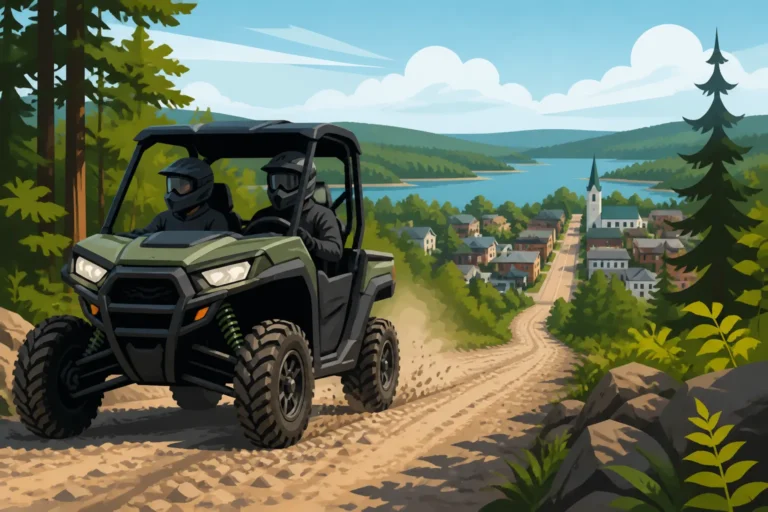
Riding the beautiful ATV and UTV routes here in Wisconsin is an incredible experience, but it also comes with its unique set of challenges. One of the biggest head-scratchers for many riders, especially those new to our shared road routes, is encountering large, slow-moving farm equipment. It can feel daunting, even a little dangerous, when you come face-to-face with a massive tractor pulling a wide implement on a narrow rural road. This guide is all about helping you understand how to safely and respectfully share Wisconsin's designated ATV/UTV routes with agricultural traffic, ensuring a smooth and enjoyable ride for everyone.
Understanding the Different Vehicles on Wisconsin Routes
When you hit the trails and town roads that make up our extensive ATV and UTV route network, you're not just sharing the path with other powersports enthusiasts. Many of these routes are on active rural roads, which means they're also vital arteries for our agricultural neighbors. It’s crucial to recognize the types of vehicles you might encounter and the unique challenges they present.
What is "Farm Equipment" on an ATV Route?
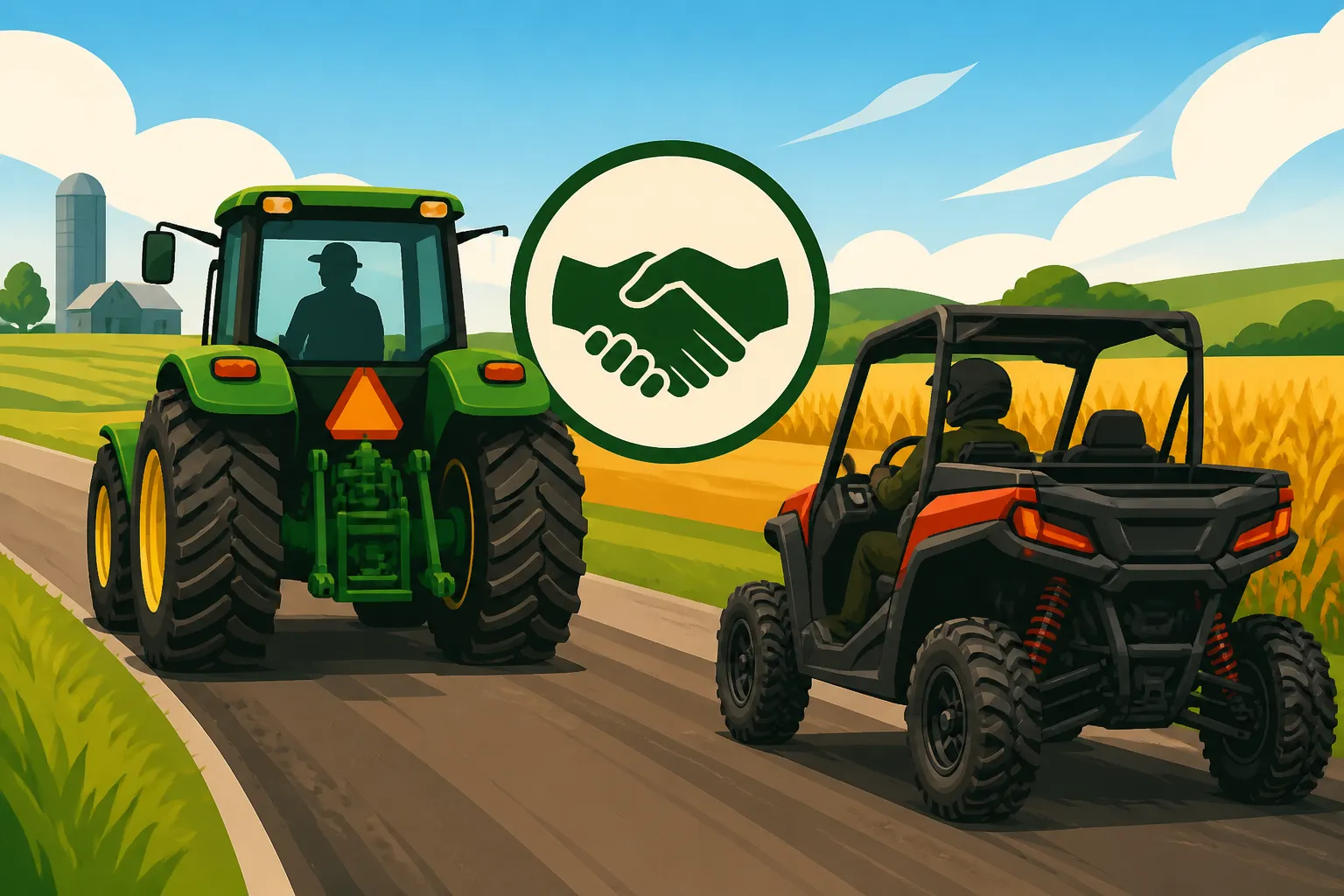
When we talk about farm equipment on these routes, we're not just envisioning a classic red tractor from a bygone era. Today's farm machinery is incredibly diverse, technologically advanced, and often huge. You might see modern high-horsepower tractors, which can be much wider and taller than typical road vehicles, especially when fitted with dual wheels. These aren't just for pulling plows; they might be hauling large grain wagons, manure spreaders, hay balers, or planters that stretch well beyond the width of a single lane.
Then there are self-propelled machines like combines, forage harvesters, and sprayers. These are often exceptionally wide, sometimes taking up more than one lane even on a larger road, and they can have significant blind spots. Implements, whether pulled or mounted, like cultivators, discs, or even large trailers for livestock or produce, can be deceptive in their length and width. These machines operate at much lower speeds than ATVs or UTVs, and their operators are often focused intently on their work or the road ahead, sometimes for long hours. Recognizing these different types and understanding their operational characteristics is the first step in sharing the road responsibly.
The Legal Standing of ATVs, UTVs, and Farm Equipment
It's easy to assume that because an ATV or UTV route is "open" to us, we have priority, but that's rarely the case. In Wisconsin, farm equipment generally has the right to use public roads to access fields, deliver crops, or move between operations. Our ATVs and UTVs are granted specific privileges to use these designated routes, often through local municipal ordinances. This means we are guests on these shared thoroughfares, and respecting the primary use of these roads by agricultural traffic is paramount.
While you're probably up to date on your [Wisconsin Road Rules Riders Get Wrong], remember that those rules often apply in conjunction with the presence of farm vehicles. Operators of farm equipment are also subject to rules regarding lighting, signage, and sometimes escorts for oversized loads, but their sheer size and slower speed dictate different safety considerations for us. Knowing that these pieces of equipment are legally entitled to be on the road, just like you, helps foster a mindset of caution and shared responsibility rather than frustration. Our machines are nimble, but theirs are essential to our food supply and local economy.
Navigating Routes with Agricultural Traffic Safely
Encountering farm equipment on an ATV or UTV route requires a proactive approach to safety. It's not enough to simply react; you need to be constantly aware, visible, and ready to make safe decisions.
Visibility is Your First Line of Defense
Imagine trying to spot a small ATV when you’re perched high up in a tractor cab, with a wide implement behind you, navigating around fields and farm entrances. It’s tough! That’s why making yourself as visible as possible is not just a good idea; it’s essential. Always ride with your headlights on, even during the day. Consider adding auxiliary lighting, like an LED light bar, especially if you're riding near dawn, dusk, or in cloudy conditions. Products from companies like SuperATV can offer excellent lighting upgrades that dramatically improve your visibility to others. The brighter and more distinct your presence, the earlier a farm equipment operator will register you.
Beyond lighting, wear bright, reflective clothing. Fluorescent orange, lime green, or yellow stand out significantly, especially against natural backgrounds or in varying light. A brightly colored helmet also adds to your profile. Many riders also use a [Whip Flags on a Route Ride] to increase their vertical visibility, making them easier to spot over hills or around wide corners. The goal here is to be seen well in advance, giving both you and the farm vehicle operator ample time to react and navigate safely.
Overtaking and Yielding Etiquette
The speed differential between your ATV or UTV and a piece of farm equipment can be significant. Farm machinery often travels at 15-25 mph, while you might be cruising at 35-45 mph on a designated route. This speed difference means you'll close the distance quickly, so approach with extreme caution. When you encounter farm equipment, slow down immediately. Give them plenty of space, understanding that they often need the full width of the lane, or even more, for their equipment.
When it comes to passing, patience is key. Only attempt to pass when you have a clear, unobstructed view of oncoming traffic for a considerable distance, and when the farm vehicle operator has clearly indicated that it's safe (e.g., by signaling you around). Never pass on a blind curve, hill crest, or in an area with restricted visibility. If you decide to pass, do so quickly and efficiently, giving the farm equipment a wide berth. Oncoming traffic is always the primary concern, but equally important is being mindful of the implements being towed; they can swing wide on turns or be wider than the tractor itself. Often, the safest choice is to simply slow down, fall in behind, and wait for the farm vehicle to turn off the route or pull over.
Communicating with Operators
A simple wave or nod can go a long way. When approaching a piece of farm equipment, try to make eye contact with the operator. A friendly wave can confirm that they see you and acknowledge your presence. This small gesture can de-escalate potential tension and promote a sense of shared community on the road. Remember, these operators are often working long, strenuous hours, and patience from other road users is much appreciated.
If an operator waves you around, or slows and pulls over to the shoulder, return a thank you wave. If you’re unsure, or if conditions don’t feel safe, don’t take risks. It’s always better to hang back than to force a dangerous situation. Sometimes, they might signal for you to follow them for a bit until a safer passing zone appears. Trust their judgment, as they are likely very familiar with the road and their equipment's capabilities. Remember, both parties are responsible for safety, and clear, respectful communication (even non-verbal) is crucial.
Common Challenges and Solutions on Shared Routes
Sharing the road isn't always smooth sailing. There are specific environmental and situational challenges that pop up when ATVs and UTVs share routes with farm equipment, and knowing how to handle them can prevent trouble.
Dust, Debris, and Obstructions
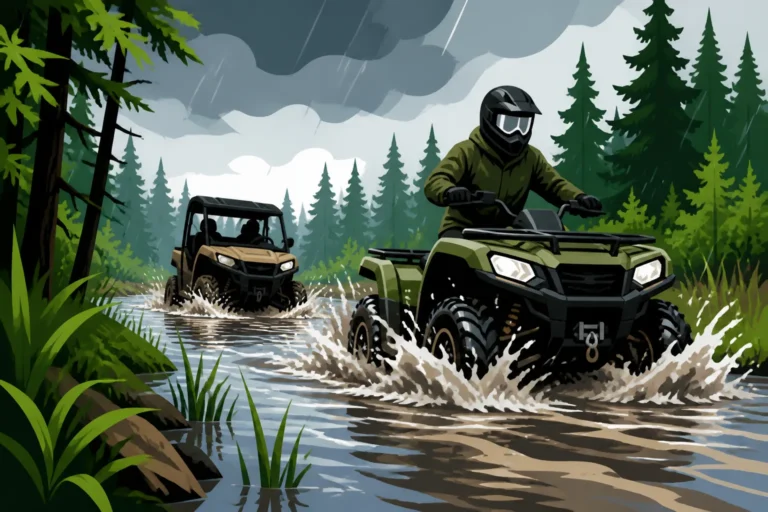
One of the most immediate challenges when riding behind farm equipment, especially on gravel or dirt portions of a route, is the incredible amount of dust they can kick up. This dust significantly reduces visibility for everyone. In these situations, drop back even further to allow the dust to settle, and utilize your [Eye Protection on a Wisconsin Ride] to keep your vision clear. The same goes for mud during wet conditions; large tires can churn up considerable mud, which can fly onto your machine and obscure your view.
Beyond dust and mud, farm equipment can sometimes leave behind debris – clods of dirt, small stones, or even bits of crop material. These can be hazards for your tires, so always maintain a vigilant lookout for foreign objects on the road surface. If you see a large piece of equipment approaching or leaving a field entrance, anticipate potential mud or dirt on the road there. Slow down and proceed with extreme caution. It’s also wise to check your tires and undercarriage after these encounters to ensure no sharp debris has become lodged.
Seasonal Considerations and Their Impact
The types of farm equipment you encounter, and their frequency, will vary greatly depending on the agricultural season. In spring, during planting, you might see large planters, tillage equipment, and manure spreaders. The machines are often very wide and operators are often on tight schedules, working from dawn to dusk. Summertime brings haying equipment, sprayers, and early harvest machinery. Fall is, of course, harvest season, when combines, grain wagons, and large trucks are prevalent. This is when some of the largest and widest machines are on the move.
Understanding these seasonal rhythms helps you anticipate what you might see and adjust your riding schedule or route accordingly. For example, during peak harvest, if you're heading out to your deer stand and riding in areas with active agriculture, you might encounter slow-moving, massive combines on the route. Planning your rides for off-peak hours (mid-day, for instance, if farmers are starting earlier or later) or choosing routes that are less agriculturally focused can make your experience much more relaxing. Always be extra vigilant during these busy times.
What to Do in an Encounter
Sometimes, despite your best efforts, you might find yourself in a tricky situation. Perhaps a piece of farm equipment has broken down on a narrow section of the route, or you've had a close call due to a blind spot. In these moments, staying calm and prioritizing safety is essential. If farm equipment is stopped or appears to be in distress, slow to a crawl, and approach with caution. Offer assistance if it seems safe and appropriate, but always respect the farmer's space and knowledge of their own equipment.
If you have a close call, even if no contact is made, take a moment to reflect. What could have been done differently? Was your visibility adequate? Could you have slowed sooner? These incidents, though thankfully rare, are valuable learning opportunities. If there's an actual collision, however minor, immediately ensure everyone's safety, move to a safe location if possible, and exchange information. It’s always important to carry proof of your [Insuring an ATV in Wisconsin] and other relevant documentation when riding.
Enhancing Your Machine for Mixed-Use Routes
Just like you prepare yourself for different riding conditions, preparing your machine for shared routes can significantly improve safety and your overall experience.
Lighting and Visibility Upgrades
As mentioned, stock ATV and UTV lighting can sometimes be insufficient, especially when you need to be seen by massive farm equipment. Consider adding brighter LED headlights or auxiliary driving lights. A high-quality light bar, perhaps from SuperATV, mounted appropriately, can make a huge difference in your daytime visibility and nighttime illumination. Reflective tape on your machine, especially on the rear and sides, can also greatly enhance your visibility to others, particularly in low-light conditions.
Another excellent upgrade is a set of reliable mirrors. While often standard on UTVs, many ATVs lack good rear-view mirrors. These allow you to monitor traffic behind you, including other ATVs and any farm equipment that might be approaching or turning behind you. Ensure all your factory lights—headlights, taillights, and brake lights—are always in perfect working order. Don't forget to keep your lenses clean from mud and dust buildup.
Communication Devices and Their Utility
While you might not need an elaborate radio system for every ride, having a way to communicate within your riding group can be beneficial, especially if you’re encountering farm equipment. Simple helmet-mounted intercoms allow you to talk to your passenger or other riders without yelling, which can be critical for pointing out hazards or making group decisions about how to navigate around slow-moving equipment. For solo riders or those riding in areas with spotty cell service, a satellite messenger or a two-way radio can be invaluable for emergencies, or simply coordinating with a friend who might be ahead or behind you.
These devices aren't just for emergencies. They can also help coordinate safe passing maneuvers within a group. Imagine the lead rider spots a combine ahead and can instantly alert the rest of the group to slow down and prepare to pull over, rather than each rider having to react individually. This kind of preparation makes for a much smoother and safer ride.
Protective Gear for Riders
Your protective gear isn't just about protecting you in a crash; it's also about making you a safer, more alert rider. A DOT-approved helmet, like those covered by [Wisconsin Helmet Standards and Bicycle Helmets], is non-negotiable for safety, and choosing a brightly colored one improves your visibility. Goggles or a full-face shield are crucial for [Eye Protection on a Wisconsin Ride], especially given the dust and debris farm equipment can kick up. Nobody wants an eye full of dust when trying to navigate around a tractor.
Gloves provide better grip and protect your hands, while sturdy boots protect your feet and ankles. Long sleeves and pants, even in warm weather, offer protection from sun, brush, and minor impacts, and can be part of your high-visibility ensemble. Think of your gear as a complete system designed to keep you safe, comfortable, and visible to all other users of Wisconsin's shared routes.
In Summary: Ride with Respect and Awareness
Riding Wisconsin’s ATV and UTV routes is a fantastic way to experience our beautiful state, but it requires a commitment to safety and mutual respect from every rider. When you share these routes with farm equipment, remember that these are working roads, and farmers are essential to our communities. By staying vigilant, enhancing your visibility, practicing good road etiquette, and understanding the challenges unique to agricultural traffic, you can ensure a safe and enjoyable ride for yourself, your group, and our hardworking farming neighbors. Always anticipate, be patient, and ride smart, and our shared routes will remain open and welcoming for everyone.
| Feature | ATV/UTV Considerations | Farm Equipment Considerations |
|---|---|---|
| Speed | Generally faster, capable of highway speeds (where allowed on routes). | Very slow, typically 15-25 mph, often much slower with implements. |
| Visibility (to operator) | Small profile, can be hard to see in blind spots of large equipment. | Large, often brightly colored, but still has blind spots. |
| Visibility (from operator) | Good field of vision (UTV), more exposed (ATV). | High seating position provides good forward visibility, but wide equipment obstructs side/rear. |
| Maneuverability | Highly agile, quick acceleration/braking. | Limited agility, wide turning radius, slow to accelerate/decelerate. |
| Road Space Needed | Requires minimal lane space. | Often requires entire lane, or even encroaches on opposing lane with wide implements. |
| Dust/Debris | Can create significant dust, especially on gravel. | Can create massive dust clouds, track mud/dirt onto road. |
| Primary Purpose | Recreation, leisure, access to trails. | Essential work, transport of goods/equipment for livelihood. |
Disclaimer
This article is for general informational purposes only and does not constitute professional advice. Laws, prices and regulations vary by location and change over time. Consult a qualified professional for guidance on your specific situation.