Riding a Wisconsin Route Through a Construction Zone
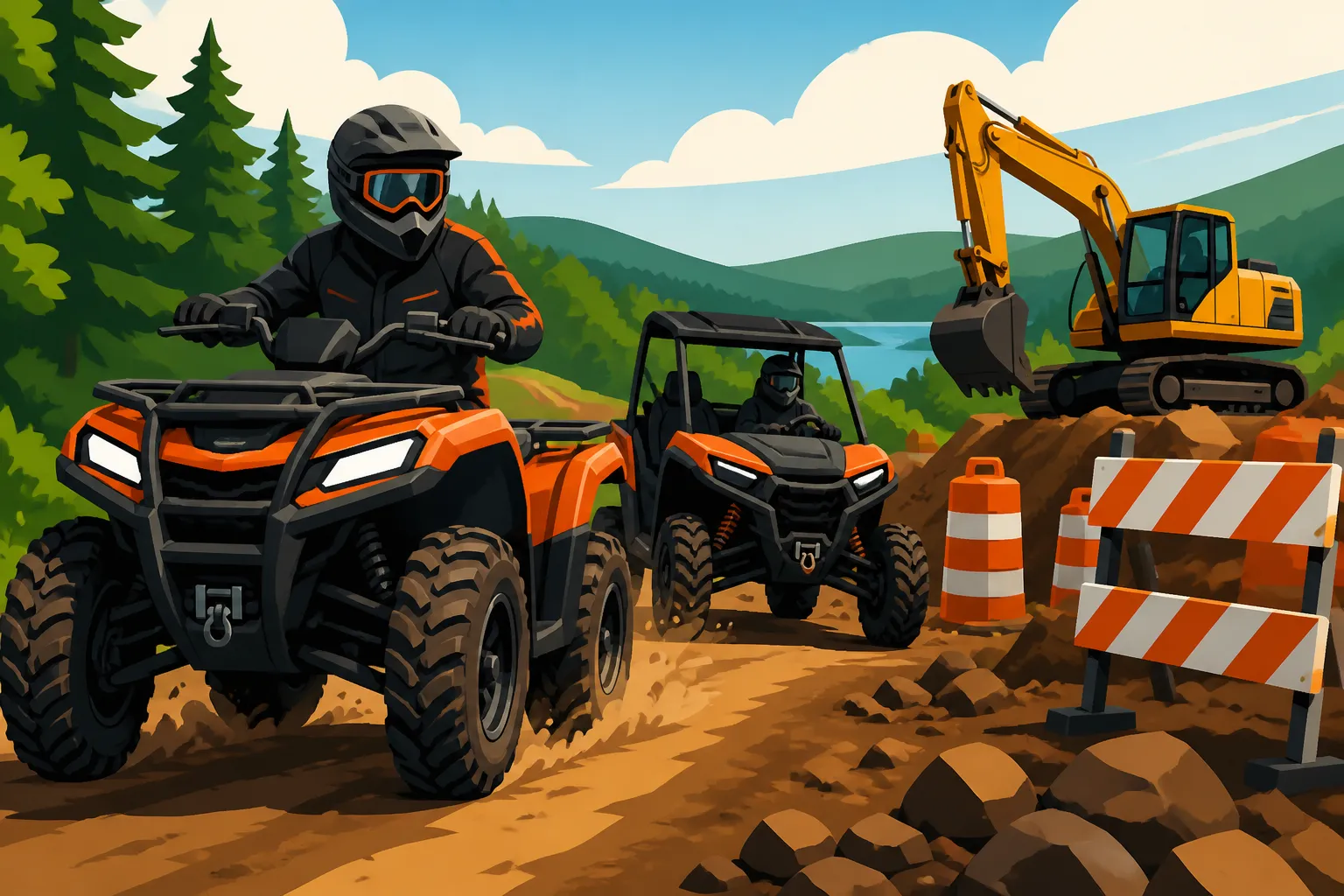
Picture this: You’re out on a beautiful Wisconsin ATV or UTV route, enjoying the scenic Northwoods or rolling farmlands, when suddenly, you come face to face with orange barrels, flashing lights, and a big "ROAD CLOSED" sign. It's a common and incredibly frustrating scenario for riders across our state. Construction zones, whether they're for road repair, utility work, or even trail maintenance, can throw a wrench into your carefully planned ride. This guide is here to walk you through exactly what to do when you encounter construction on a Wisconsin ATV route, how to stay safe, and how to navigate these often confusing situations legally and responsibly.
Navigating the Maze: Understanding Construction Zones on Wisconsin ATV/UTV Routes
When you're out riding your ATV or UTV in Wisconsin, it's easy to get lost in the adventure and forget that many of our beloved routes share space with active public roads. This means that our trails are just as susceptible to the joys of construction season as any other road. Whether it’s fixing potholes, replacing culverts, or laying new utility lines, these necessary improvements can suddenly block your path and force a detour. It’s not just about the big highway projects; often, it’s the smaller, local road repairs that impact town and county ATV routes the most.
The Legal Landscape: What Signs Mean for Riders
Wisconsin's traffic laws don't suddenly disappear when you're on an ATV or UTV route, especially if that route uses a town or county road. Just like any other vehicle operator, you're expected to obey all posted signs and signals. When you see those bright orange construction signs, they're not just suggestions; they are directives designed for your safety and the safety of the workers. A "Road Closed" sign, for instance, means exactly that – the road is closed to all traffic, including ATVs and UTVs, unless specifically stated otherwise or if you have explicit permission from construction personnel on site. Ignoring these signs can lead to hefty fines, or worse, put you in a dangerous situation.
Sometimes, you might encounter signs like "Road Work Ahead," "Flagman Ahead," or "Reduced Speed Limit." These require you to slow down, be extra vigilant, and be prepared to stop. The workers are often focused on their tasks and might not always expect an ATV or UTV to come through, especially on less-trafficked routes. It’s critical to remember that their safety is paramount, and your cooperation helps everyone.
Different Types of Construction Encounters
Construction zones aren't all created equal, and understanding the nuances can help you react appropriately. You might encounter an active work zone where heavy machinery is operating, and crews are present. This is the most dangerous scenario, as there's often moving equipment, uneven surfaces, and people working. In these situations, giving a wide berth, making eye contact with flaggers, and obeying all instructions is non-negotiable.
Then there are passive zones, where work might be paused for the night or weekend, but the road remains altered or blocked. These zones might still have barriers, gravel, or incomplete sections that are unsafe to navigate. While tempting to sneak through when no one is watching, remember that these areas are closed for a reason. There could be unstable ground, hidden hazards, or incomplete structures that simply aren't ready for traffic. The lack of active workers doesn't mean the danger is gone.
Finally, you might come across what feels like a minor repair – a shoulder being graded, a small utility trench being dug. Even these smaller projects can create unexpected obstacles or soft ground that can cause an ATV or UTV to lose control. Always treat any orange sign or barrel with respect, no matter how small the perceived disruption.
Staying Safe: Best Practices When Riding Through a Work Zone
Safety is always the top priority when riding, but it becomes even more critical when you enter a construction zone. These areas are inherently unpredictable, with changing surfaces, obscured views, and distracted workers. Taking a proactive and cautious approach can prevent accidents and ensure you make it through safely.
Slow Down and Be Visible
The golden rule in any construction zone is to drastically reduce your speed. Dust can reduce visibility, gravel can cause loss of traction, and sudden stops might be necessary. It’s much harder to react to an unexpected hazard if you’re moving too fast. Remember that construction vehicles are massive and their operators might have blind spots. Making yourself as visible as possible is also crucial. Wear bright clothing, especially during the day, and ensure your headlights and taillights are on, even if it's broad daylight. Some riders even add aftermarket lighting or a [Whip Flags on a Route Ride] for added visibility, which can be particularly helpful when riding through areas with large equipment.
Consider upgrading your machine's lighting if you frequently ride routes that might have low-visibility sections or evening construction. Brands like SuperATV offer robust LED light bars and cube lights that can dramatically improve your ability to see and be seen, cutting through dust and shadows. This extra illumination isn’t just for aesthetics; it's a vital safety tool.
Communicate and Follow Instructions
If there's a flagger present, make eye contact and follow their instructions precisely. They are there to direct traffic and ensure safety. A simple hand signal from them is a legal command. If there are no flaggers but you see workers, try to get their attention before proceeding cautiously. A friendly wave and a slow approach show respect and allow them to acknowledge your presence. Don't be afraid to ask for clarification if you're unsure where to go or if a path is safe. Many times, workers appreciate a rider's caution and will help guide you through or around the immediate work area.
It's also a good idea to ensure your communication system, if you ride with one, is clear so you can easily talk to your riding partners about the changing conditions. Clear communication among your group can help prevent someone from lagging behind or taking a wrong turn into a dangerous area.
Anticipate Hazards and Protect Your Machine
Construction zones are ripe with hazards. Expect loose gravel, deep ruts, uneven pavement, muddy sections, and even exposed utility lines. These conditions can quickly damage your machine's tires, suspension, or undercarriage. Approach every obstacle slowly and deliberately. If you have adjustable suspension, consider softening it slightly for better absorption over rough terrain. Protecting your machine can also protect you. Installing skid plates, A-arm guards, or rock sliders can prevent costly damage to vital components from debris or unexpected impacts. SuperATV offers a wide range of these protective accessories designed to handle the toughest conditions, including those found in a construction site.
Always keep an eye out for sharp objects like nails or screws that could cause a flat tire. Punctures in remote areas, or even just in a muddy construction zone, are a huge headache. Carrying a tire repair kit and a small air compressor is always a smart move for any ride, but especially when you know you might encounter rougher sections.
| Signage Type | Appearance | Meaning for ATV/UTV Riders | Action Required |
|---|---|---|---|
| ROAD CLOSED | Orange background, black lettering | Absolutely no entry beyond this point unless explicitly authorized or detoured. | Turn around or follow designated detour. Do not proceed. |
| DETOUR | Orange background, black lettering | Indicates an alternative route due to the closure ahead. | Follow detour signs carefully. Be aware of potentially different road conditions. |
| ROAD WORK AHEAD | Orange background, black lettering | Construction activity is upcoming. | Reduce speed, prepare for hazards, be vigilant for workers and equipment. |
| FLAGGER AHEAD | Orange background, black lettering | Personnel will be directing traffic. | Slow down, prepare to stop, follow all instructions from the flagger. Make eye contact. |
| REDUCED SPEED LIMIT | White or orange, black lettering, specific speed | A temporary lower speed limit is enforced due to work zone conditions. | Obey the posted speed limit strictly. Fines are often doubled in work zones. |
| LOOSE GRAVEL | Orange background, black lettering | Road surface contains loose material, affecting traction. | Slow down significantly, increase following distance, avoid sudden braking or steering. |
| UNEASY SURFACE | Orange background, black lettering | The road ahead may have bumps, dips, or uneven pavement. | Reduce speed, maintain a firm grip on handlebars, be prepared for jolts, allow your suspension to work. |
| WORKERS PRESENT | Orange background, black lettering, worker symbol | Be extra cautious as workers may be in or near the roadway. | Maintain maximum vigilance, be prepared to stop, give workers a wide berth. |
When the Route is Impassable: Detours and Alternatives
Sometimes, simply slowing down and being cautious isn't enough. A construction zone might render a segment of an ATV/UTV route completely impassable, forcing you to find an alternative. This can be frustrating, especially if you're on a tight schedule or unfamiliar with the area. However, it's crucial to prioritize safety and legality over convenience.
Following Designated Detours
When a route is closed for construction, local authorities or the construction company will often post detour signs. These signs, usually orange with black lettering, will guide you around the affected area. It's imperative that you follow these detours. They are planned to lead you safely around the work zone and back onto the route or a suitable alternative. Trying to find your "own" detour through private property or unmarked trails can lead to trespassing charges, getting lost, or encountering unforeseen dangers. Always remember to check [Route Signage Standards in Wisconsin] to understand what these markers mean.
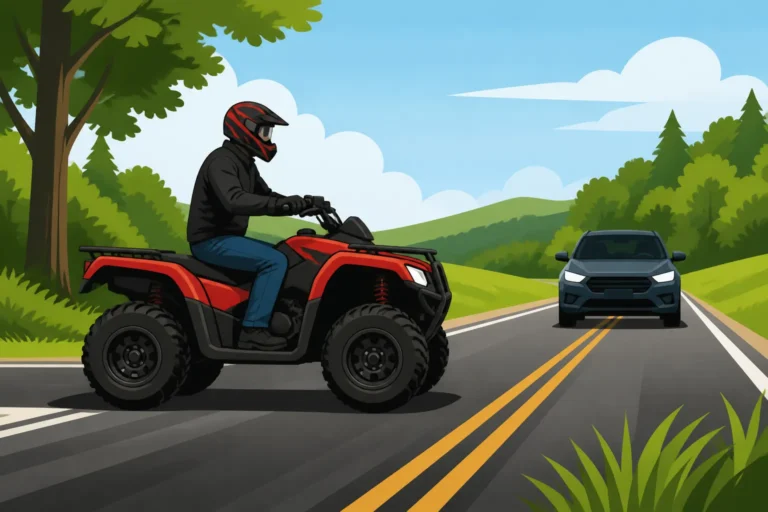
Sometimes, detours might take you onto roads that are normally not part of the ATV/UTV route system. Be extra cautious on these roads, as other traffic may not expect an ATV or UTV. Obey all traffic laws, including speed limits, and be vigilant for cars, trucks, and bicycles. Your machine's side mirrors can be incredibly helpful here, especially if you’re riding a UTV or have aftermarket mirrors on your ATV.
What to Do If No Detour is Provided
This is where things can get tricky and truly test your patience. If you encounter a "Road Closed" sign with no clear detour instructions, your safest and most responsible option is to turn around and find an alternate route. This might mean backtracking for miles, but it beats risking an accident or a citation. Before you head out, checking for [Wisconsin Road Rules Riders Get Wrong] can help you understand common pitfalls and prepare for unexpected closures.
In these situations, it's helpful to have a reliable GPS or mapping app like onX Offroad on your phone or mounted on your machine. These tools can often show you alternative roads or trails that might get you around the closure. Always make sure to download offline maps, as cell service can be spotty in many of Wisconsin's remote riding areas. If you find yourself frequently using such tools, consider a rugged, weather-resistant phone mount from SuperATV to keep your navigation secure and accessible.
Planning Ahead: Avoiding Construction Surprises
The best way to deal with construction on ATV/UTV routes is to avoid it altogether. While not always possible, a little pre-planning can save you a lot of headache, frustration, and potential dangers. Being prepared for unexpected closures is a key part of any successful riding trip in Wisconsin.
Checking Local Resources Before You Ride
Before you load up your machine and hit the road, make it a habit to check for any known construction on your planned route. Many Wisconsin counties maintain websites or social media pages where they post updates on road closures and construction projects that might impact ATV/UTV routes. The Wisconsin DNR also sometimes shares information relevant to state trail systems. Additionally, local ATV/UTV clubs are an invaluable resource; they often have the most up-to-date information on trail conditions and upcoming work. Joining a club or checking their online forums can give you insider knowledge that isn't available anywhere else. This is especially important if you're [Planning a Wisconsin Riding Trip] to a new area.
If you're riding through a specific town or village that has designated ATV routes, check their municipal website. Many towns have specific ordinances and updates posted, including details on road work. A quick phone call to the county highway department or the local sheriff's office non-emergency line might also yield valuable information.
What to Carry for Unexpected Roadblocks
Even with the best planning, you might still encounter an unexpected construction zone. Being prepared for a detour or a turnaround can make the situation much less stressful. Always carry a physical map of the area, in addition to your digital navigation. Electronics can fail, and a paper map doesn't need a battery. Pack extra water and snacks, especially if you're riding in warmer weather and anticipate potential delays.
Having a basic tool kit and a first-aid kit is also crucial. A flat tire from construction debris, or a minor injury from an unexpected jolt, could happen. While it might seem like overkill, carrying enough fuel for a longer-than-planned detour can be a lifesaver. You never want to be stranded because an unexpected route change added 20 miles to your journey. Always ensure your machine is in good working order before you head out, checking tires, brakes, and fluids, because a construction zone is not the place for a breakdown.
Disclaimer
This article is for general informational purposes only and does not constitute professional advice. Laws, prices and regulations vary by location and change over time. Consult a qualified professional for guidance on your specific situation.