Wisconsin Rules Near a Snowmobile Corridor
It can be incredibly frustrating to be out enjoying a fantastic ATV or UTV ride in Wisconsin, only to encounter signs or trail segments that leave you scratching your head about whether you're allowed to be there, especially when snowmobile corridors are involved. The confusion is real: sometimes trails seem to intertwine, or you see a path that looks rideable, but you're not sure if it's designated for snowmobiles only. This guide is here to untangle the complexities of Wisconsin's trail system, specifically focusing on how ATV and UTV riders should navigate areas near snowmobile corridors, ensuring you stay legal, safe, and respectful of all trail users.
Understanding Wisconsin's Trail Network Philosophy
Wisconsin boasts an incredible network of trails, a true four-season paradise for outdoor enthusiasts. However, this extensive system wasn't built overnight, nor was it designed as a single, homogenous entity. Instead, it's a patchwork quilt of different designations, funding sources, and user group focuses. Understanding this foundational philosophy is key to making sense of why some trails are open to you, and others are not, especially when it comes to snowmobile corridors.
The Separate Worlds of ATV/UTV and Snowmobile Trails
At its heart, Wisconsin's trail philosophy often treats ATV/UTV and snowmobile trails as distinct entities. This separation stems from a few crucial factors. Historically, snowmobile trails came first in many areas, developed by dedicated clubs and often funded through snowmobile registration fees and specific grant programs. These trails are generally designed for winter use, when the ground is frozen solid and covered in snow, protecting the underlying terrain from erosion and damage.
ATV and UTV trails, while sometimes sharing corridors or crossing points, are typically developed with different considerations. They often need to accommodate year-round use, which means surfaces must be more robust to handle the weight and traction of machines on bare ground without causing excessive wear and tear or environmental impact. The funding mechanisms for [Wisconsin's ATV Trail Aids Program] are also distinct, reflecting the different user groups and their specific needs. This dual-track approach helps manage expectations, maintain trail integrity, and ensure that each user group has dedicated, well-maintained spaces designed for their specific mode of recreation.
How Trails Intersect and Overlap
Despite their distinct designations, it's impossible for these vast trail networks to exist in perfect isolation. You'll frequently encounter situations where ATV/UTV trails and snowmobile corridors meet, cross, or even run parallel for short stretches. Picture a winding trail in the Chequamegon-Nicolet National Forest; it might use an old logging road that serves as a multi-use trail in summer and fall, but come winter, a separate, groomed track might run alongside it, designated exclusively for snowmobiles.
Common intersection points include bridges over rivers, segments of shared public roads, or crossings at forest road intersections. Sometimes, a county-managed multi-use trail might transition directly into a state-funded snowmobile-only trail. These transition points are where the potential for confusion, and illegal riding, often arises. The key is to recognize that an intersection doesn't automatically mean shared use; it simply means two different systems are meeting, and explicit signage or mapping is necessary to determine what's permissible for your machine. Riders using aftermarket parts from companies like SuperATV on their machines need to be especially mindful, as their enhanced capabilities might tempt them to venture onto restricted terrain.
Navigating the Rules for ATV/UTV Riders Near Snowmobile Corridors
When you're out on the trails in Wisconsin, a little knowledge goes a long way, especially when you start getting close to those white-diamond snowmobile signs. Understanding what these signs mean, and how to react to them, can save you from a hefty fine and keep you on the right side of the law.
The "Snowmobile Only" Designation
Let's be crystal clear: if you see a trail marked with official "Snowmobile Only" signage, that means exactly what it says. These trails are specifically groomed and maintained for snowmobiles, typically during the winter months when there's sufficient snow cover. Riding an ATV or UTV on a designated snowmobile-only trail, particularly when there's no snow or when the ground isn't fully frozen, can cause significant damage to the trail bed, the grooming efforts, and the underlying private land agreements that make these trails possible.
The penalties for ignoring these signs can be severe. Wardens patrol these areas, and they take these violations seriously. You could face substantial fines, and depending on the damage caused, even restitution costs. Beyond the legal ramifications, riding where you shouldn't creates friction between user groups and jeopardizes the future of trail access for everyone. It's about respecting the land, the volunteers, and the agreements that make Wisconsin's trail system so special. Even if you have the latest SuperATV accessories making your rig feel invincible, those regulations still apply.
Identifying Shared or Multi-Use Segments
Fortunately, not all trail intersections are off-limits. There are many instances where trail segments are explicitly designated for multi-use, allowing both ATVs/UTVs and snowmobiles (in season), or where a trail is part of a [Wisconsin Road Route] open to various types of machines. The crucial factor here is clear signage and reliable mapping.
Look for signs that specifically indicate "ATV/UTV & Snowmobile" or "Multi-Use Trail." Often, these signs will specify the seasons or conditions under which different types of machines are permitted. For instance, a trail might be open to ATVs/UTVs from May 1st to October 31st, then transition to snowmobile-only for the winter.
Another common scenario involves road routes. Many [Town Roads Open to ATVs in Wisconsin] are also used by snowmobilers when snow conditions allow, creating a shared corridor. These are typically public roads, and the rules of the road, along with local ordinances, apply. Always consult official county trail maps, the Wisconsin DNR website, or reputable GPS apps like onX Offroad for the most up-to-date and accurate information. These resources will show you which trails are open to which machine types, and when.
Crossing a Snowmobile Trail
Sometimes, an ATV/UTV trail will need to cross a snowmobile corridor. This is a very common occurrence, especially in areas with extensive networks like those you might find in [Marinette County Year-Round Riding] or [Oneida and Vilas County in Wisconsin]. These crossings are typically marked with specific signage, indicating a designated crossing point.
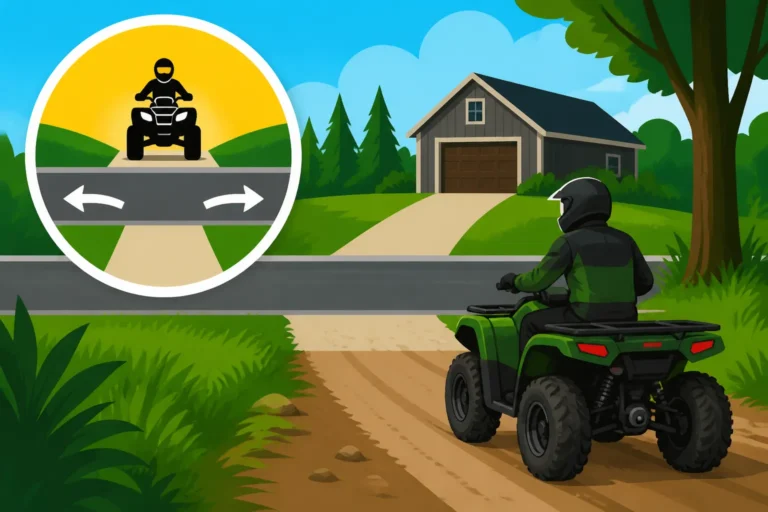
When you approach a snowmobile trail crossing, treat it like a road intersection. Slow down, look both ways, and yield to any approaching snowmobiles. Snowmobiles can travel at high speeds, and their operators might not expect an ATV or UTV at a crossing point. Make the crossing safely and directly, without lingering or riding along the snowmobile corridor itself. The goal is to move from one ATV/UTV trail segment to another with minimal impact and maximum safety for all users. Think of it like a train track crossing – you cross it, you don't ride on it.
Practical Tips for Riding Near Snowmobile Corridors
Riding in Wisconsin is an incredible experience, but it comes with responsibilities. Being prepared and informed, especially when you're exploring areas where ATV/UTV trails meet snowmobile corridors, will make your rides much more enjoyable and hassle-free.
Always Check the Map and Local Ordinances
I can't stress this enough: always have an up-to-date map and be aware of local ordinances. Wisconsin's trail systems are dynamic. Conditions change, trails open and close, and local jurisdictions (towns, counties) often have the authority to set their own rules for routes within their boundaries. A trail segment that was multi-use last year might be snowmobile-only this year, or vice-versa.
Before you head out, especially if you're venturing into a new area or it's a new season, check the Wisconsin DNR's ATV/UTV trail conditions report, county forestry websites, or reputable trail apps. Many trail clubs also maintain websites with current information. Knowing [Checking Wisconsin Trail Status Before You Drive] is not just good practice, it's essential for preventing accidental trespass or violations. Some of the best modifications from SuperATV might enhance your off-road experience, but they won't help if you're on the wrong trail.
Respecting the Season and Conditions
The calendar and the weather play a huge role in how trails are designated and used. Snowmobile trails are, by their very nature, intended for use on a solid base of snow and frozen ground. Riding an ATV or UTV on a snowmobile trail when there's no snow, or when the ground is soft, causes ruts, erosion, and damage that costs volunteers countless hours and dollars to repair. This is why [Why Wisconsin Trails Close for the Thaw] is so important for ATV/UTV trails as well – to protect the trail base.
Conversely, riding an ATV or UTV on a designated snowmobile trail even with snow can compact the snow base in a way that harms the grooming efforts for snowmobilers, creating ice patches or rough spots. Understanding and respecting these seasonal designations is critical for ensuring the longevity of all our trail systems.
Being a Good Neighbor
Ultimately, shared outdoor spaces rely on mutual respect among all user groups. Whether you're on an ATV, UTV, or snowmobile, we all share a love for the outdoors. When you encounter snowmobile corridors, or even active snowmobilers in areas where multi-use is permitted, practicing good trail etiquette is paramount.
This means slowing down, yielding the right-of-way (especially to snowmobilers at crossings), keeping your machine's sound within legal limits – remembering [Wisconsin's 96-Decibel Exhaust Limit] – and avoiding aggressive riding. It also means not littering, staying on marked trails, and reporting any issues or damage you observe. By being a considerate and responsible rider, you help foster positive relationships between ATV/UTV enthusiasts and snowmobilers, ensuring that Wisconsin's beautiful trail system remains accessible and enjoyable for everyone for years to come.
Here's a quick reference to help you remember the key rules when encountering snowmobile corridors:
| Situation | What to Do (ATV/UTV Rider) | What NOT to Do (ATV/UTV Rider) |
|---|---|---|
| "Snowmobile Only" Signs Present | Turn around and find an alternate route. | Do not proceed, even for a short distance. Do not assume "no snow" means "OK to ride." |
| Multi-Use or Shared Corridor Signs | Proceed cautiously, be aware of other users, and follow all posted rules and speed limits. | Do not assume priority. Be prepared to encounter snowmobiles in winter, or other users year-round. |
| Crossing a Snowmobile Trail | Slow down, look both ways (like a road crossing), and yield to snowmobiles. Cross directly. | Do not ride along the snowmobile trail. Do not stop on the snowmobile trail. |
| Unmarked or Ambiguous Trail Segments | Check your map, app, or local ordinance for clarity. If in doubt, turn back. | Do not assume it's open to ATVs/UTVs. Err on the side of caution. |
| Riding During Snowmobile Season (Winter) | Stick strictly to marked ATV/UTV trails or designated road routes open to your machine. | Do not ride on any trail specifically groomed or designated for snowmobiles. |
Disclaimer
This article is for general informational purposes only and does not constitute professional advice. Laws, prices and regulations vary by location and change over time. Consult a qualified professional for guidance on your specific situation.