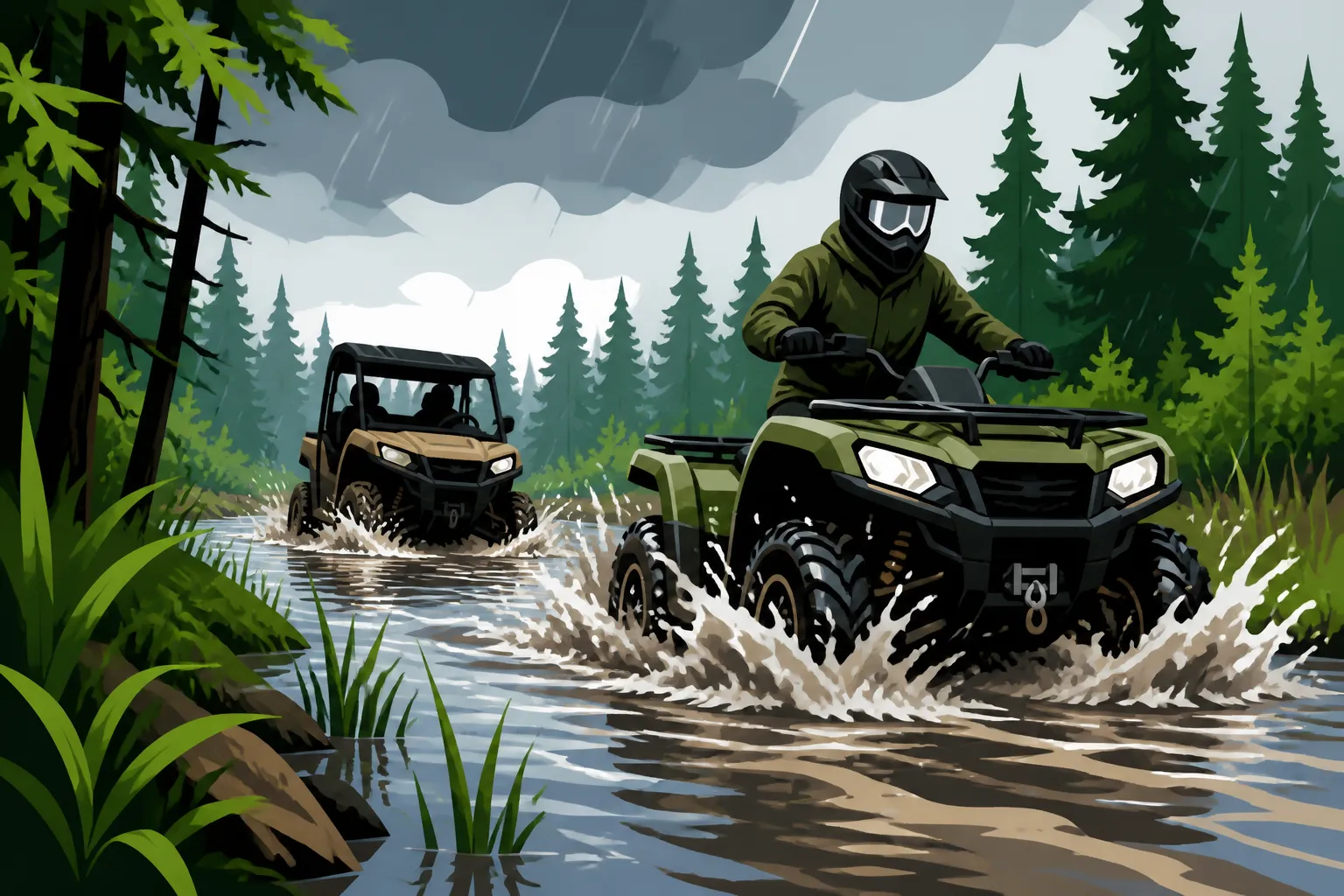
Flooded Ditches After a Northwoods Rain
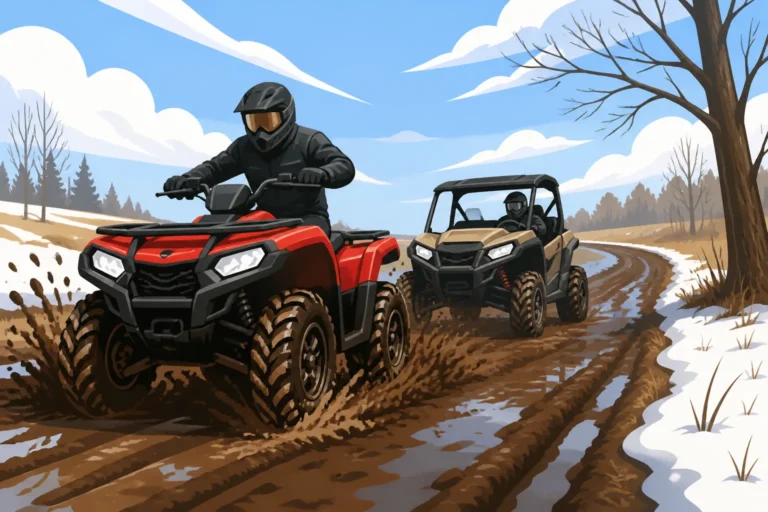
There's nothing quite like the beauty of a Wisconsin Northwoods trail after a good rain, with the trees glistening and the air feeling crisp and clean. But that beauty often comes with a challenge: flooded ditches. It's a common scenario for ATV and UTV riders here, and misjudging these water hazards can lead to a quickly ruined day, machine damage, or worse. This guide will walk you through understanding why these ditches flood, how to assess the risks, and the safest ways to navigate them, ensuring your Northwoods adventures remain fun and free from unexpected trouble.
Understanding the Northwoods Landscape and Its Waterways
The Northwoods of Wisconsin is a truly special place, shaped by glaciers and covered in dense forests. This unique environment, while beautiful, also creates specific conditions that make flooded ditches a frequent occurrence, especially after a substantial downpour. Understanding these natural factors is the first step in riding smart.
The Anatomy of a Wisconsin Ditch
When you’re riding a trail or a designated road route in Wisconsin, you’ll notice that many of them are flanked by ditches. These aren't just random depressions; they're an integral part of the road's drainage system. The underlying geology of the Northwoods, often characterized by a mix of sandy loams and heavier clay soils, plays a significant role in how quickly water drains—or rather, how slowly it drains. Glacial till means the ground can be a patchwork of porous and impervious layers. When heavy rains hit, particularly after a dry spell where the ground has hardened, the water has nowhere to go but to run off into the lowest points, which are almost always those roadside ditches. The dense forest canopy, while beautiful, also means that sunlight struggles to reach the ground, keeping the ditches shaded and preventing rapid evaporation, further contributing to persistent standing water.
Seasonal Rain Patterns and Their Impact
The timing of the rain profoundly affects the severity of flooded ditches. Each season in Wisconsin brings its own set of challenges.
- Spring Thaw: This is often the worst time. Snowmelt combined with early spring rains over still-frozen or saturated ground leads to massive runoff. Ditches quickly become torrents, and the ground around them turns into a muddy quagmire. Riders often find [Wisconsin Trail Closures in April] precisely because of these conditions, as it helps prevent irreparable damage to the trails.
- Summer Storms: The Northwoods sees its share of powerful summer thunderstorms. While they might be brief, the sheer volume of rain in a short period can quickly overwhelm drainage systems. Ditches can swell rapidly, often carrying debris like leaves and small branches from the sudden runoff.
- Fall Rains: As the leaves fall and the temperatures drop, persistent, soaking fall rains saturate the ground completely. This steady moisture, combined with less sunlight for evaporation, means ditches stay full and muddy for longer periods, often through late autumn and into winter. Riders often notice significant changes when [Riding a Wisconsin Route After a Wet Week] during this season.
What "Flooded" Really Means for a Rider
When we talk about a "flooded ditch," it's easy to just picture a large puddle. But for an ATV or UTV rider, it’s far more complex and potentially dangerous. A flooded ditch is not just water; it's a dynamic and unpredictable environment.
- Depth is Deceiving: What looks like a shallow splash can quickly turn into hub-deep water or even submerge half your machine. The bottom of these ditches is rarely flat or consistent.
- Hidden Currents: After a heavy rain, ditches can become fast-moving mini-rivers. A strong current can destabilize your machine, particularly lighter ATVs, and push you off course or into unseen obstacles.
- Submerged Hazards: This is perhaps the biggest danger. Heavy rains wash all sorts of things into ditches—large rocks, logs, branches, old fencing, even discarded items. These objects are invisible beneath the murky water and can snag your tires, damage your drivetrain, or flip your machine. The ground itself can be eroded, creating unexpected drop-offs or washouts, especially around culverts. It's truly a case of "out of sight, out of mind" until it's too late.
Assessing the Risk: When to Go, When to Hold Off
Encountering a flooded ditch on your ride doesn't automatically mean turning back. However, it absolutely means taking a moment to assess the situation. Rushing into an unknown water crossing is one of the quickest ways to damage your machine, get stuck, or injure yourself. Your safety, and the longevity of your quad, depends on making smart, informed decisions.
Reading the Water: Signs of Danger
Before you even think about entering a flooded ditch, you need to become a detective and "read" the water. This isn't just about looking at how much water there is; it's about what the water is telling you.
- Current and Turbulence: If the water is churning, swirling, or moving quickly, especially around any visible obstacles, it’s a red flag. A strong current can be incredibly difficult to control your machine in. Even a moderate current can throw off your balance, particularly on a lighter ATV.
- Debris: Look for leaves, sticks, grass, or any other floating debris. If it's moving fast, so is the water. A lot of submerged debris also suggests that there could be larger, more dangerous items hidden beneath the surface.
- Depth Indicators: Are there fence posts, culvert openings, or other stationary objects you can use to gauge depth? If these indicators show the water is more than tire-deep for your machine, extreme caution is warranted. If you can’t see any part of the bottom, the golden rule is simple: if you can't see the bottom, don't go. This applies even more rigorously in unfamiliar territory. It's always better to scout ahead on foot if it's safe to do so, or find an alternate route.
- Color and Clarity: Murky, muddy water is a definite sign of potential hidden hazards. Clearer water, while still requiring caution, at least allows you to see some of what lies beneath.
Understanding Your Machine's Limits
Every ATV and UTV has a designed water-fording capability, and pushing past it is asking for trouble. It's crucial to know your machine's specific limitations, not just generally, but where key components are located.
- Air Intake: Your engine needs air. If the air intake, often located under the seat or high on the chassis, goes underwater, your engine can suck in water instead of air. This can lead to catastrophic engine damage (hydro-locking) that's incredibly expensive to repair. Aftermarket accessories like snorkel kits, readily available from brands like SuperATV, can significantly raise the air intake and CVT exhaust points, allowing for deeper water crossings.
- CVT Exhaust: For UTVs and many automatic ATVs, the Continuously Variable Transmission (CVT) has an exhaust port. If this goes underwater, water can be drawn into the CVT housing, contaminating the belt and clutches, leading to slippage and accelerated wear.
- Electrical Components: Most modern machines have sealed electrical systems to a degree, but prolonged submersion or high-pressure water can force its way in, leading to short circuits, sensor failures, and unreliable operation.
- Differential and Axle Vents: These components have small vents to equalize pressure. While generally designed to keep water out, deep or prolonged submersion can sometimes force water past seals, contaminating the gear oil.
Knowing where these crucial parts are on your specific model is key. Don't rely on guesswork. Check your owner's manual or look up diagrams online.
The Treacherous Bottom
Beyond the visible water, the ground beneath a flooded ditch is often the most dangerous element. What looks solid can be anything but.
- Soft Mud and Silt: Heavy rain can turn ditch bottoms into a thick, quicksand-like mud that will suck your tires in instantly. This is where you quickly find yourself needing [Recovery Gear for Wisconsin Mud]. Once your tires dig in, you can be high-centered with no traction.
- Washouts and Drop-Offs: The force of rushing water can erode the ditch bottom, creating sudden, unexpected drop-offs, especially on the downstream side of culverts. Hitting one of these can cause serious damage to your suspension or even flip your machine.
- Submerged Obstacles: We touched on this, but it bears repeating. Rocks, logs, branches, and even old tires can be completely hidden. Hitting these at speed can damage tires, rims, axles, or suspension components. It's why a slow, deliberate approach is always recommended when you cannot see the bottom. This is where a good winch, perhaps from SuperATV, becomes an absolute lifesaver.
Safe Crossing Techniques and Essential Gear
Once you've assessed the situation and determined that a flooded ditch is indeed passable, proper technique and having the right gear are paramount. It’s not just about pushing through; it’s about doing it safely, minimizing stress on your machine, and being prepared for the unexpected.
Pre-Crossing Checks and Preparation
Before you even touch the throttle, take a moment to prepare. This short pause can save you a lot of grief.
- Scout Ahead (if safe): If the water isn't too deep and the current is manageable, walk the crossing first. Use a stick to probe for hidden obstacles or soft spots. This is invaluable information. If it's too dangerous to walk, it's too dangerous to ride.
- Engage 4×4 (and Diff Lock if equipped): Always engage four-wheel drive. If your UTV has a differential lock, consider using it for maximum traction, but be mindful that it can make steering heavier.
- Secure Loose Items: Make sure nothing is going to float away or fall off your machine as you enter the water. Stow gear in waterproof bags or secure it tightly.
- Communicate with Your Group: If you're riding with others, let them know your plan. Designate a spotter to watch you cross and be ready with recovery gear. Discuss what to do if someone gets stuck.
- Adjust Your Speed (Mentally): The goal is a consistent, steady pace – not too fast to create a massive bow wave over your machine, and not so slow that you lose momentum and get stuck.
The Art of the Controlled Cross
Once prepared, it's time to execute the crossing. Precision and a steady hand are key.
- Enter Slowly: Ease into the water at a slight angle, allowing your machine to push a "bow wave" in front of it. This bow wave actually helps keep water away from your engine and electrical components.
- Maintain a Steady Pace: The goal is a consistent, moderate speed. If you go too fast, your bow wave could wash over your hood, potentially stalling the engine or soaking your electronics. If you go too slow, you risk losing momentum and getting stuck in soft mud.
- Keep Your Feet on the Pegs (ATVs) or Inside the Cab (UTVs): Resist the urge to put your feet down on an ATV. If your foot gets caught, it could twist your ankle or leg. In a UTV, keep all limbs inside the protective cage.
- Look Ahead: Keep your eyes scanning the water in front of you for any changes in depth or visible obstacles. Don't look down at your tires.
- If You Get Stuck: If you feel your machine losing traction or digging in, try to gently rock it back and forth using the throttle and steering. If that doesn't work, don't keep spinning your tires, as you'll only dig yourself deeper. Signal for help.
Recovery and Post-Water Care
Sometimes, despite your best efforts, you might get stuck. And even if you cross successfully, a little post-water care goes a long way.
- Safe Recovery: If you're stuck, use proper recovery techniques. Never snatch a strap with a lot of slack, as it can be dangerous. Use a winch if available. A quality winch, perhaps with synthetic rope for safety, is one of the best investments you can make for Northwoods riding. [Winching Out of a Northwoods Bog] is a skill every rider should understand. Make sure to use appropriate recovery points on your machine, avoiding damage to suspension or frame. Brands like SuperATV offer a full line of winches and recovery kits that are built for the abuse of off-road recovery.
- Check Your Brakes: Water can temporarily reduce brake effectiveness. Once out of the water, gently pump your brakes a few times at low speed to dry them out and restore full stopping power.
- Clean Debris: Inspect your machine for any sticks, mud, or debris caught in the suspension, undercarriage, or radiator. Clear these out to prevent overheating or component damage.
- Drainage: If you suspect water got into your CVT housing, consult your manual for drainage procedures. Some machines have drain plugs specifically for this. If your engine sputtered or stalled in the water, do not attempt to restart it until you’ve confirmed no water entered the engine itself.
- Lubrication: Consider re-greasing zerk fittings on suspension components after a particularly wet ride to flush out water and prevent rust.
Must-Have Gear for Wet Rides
Being prepared isn't just about skill; it's about having the right tools. When riding in the Northwoods, especially when rain is a possibility, certain items are non-negotiable. Many of these can be found or enhanced with products from companies like SuperATV.
- Winch: As mentioned, a winch is critical. Even if you don't go looking for deep water, a flooded ditch might be unavoidable, and you could get stuck.
- Recovery Strap/Tree Saver: A strong, non-elastic recovery strap (often called a "tree saver" if it's wide enough not to damage trees) is essential for pulling yourself or a buddy out.
- Waterproof Bag/Dry Box: Keep your phone, wallet, maps, and spare clothes absolutely dry. There’s nothing worse than finishing a cold, wet ride with no dry clothes to change into.
- Appropriate Footwear: Waterproof boots with good traction are a must. They’ll keep your feet dry and give you solid grip if you need to scout a crossing on foot.
- Communication Device: Cell service can be spotty in the Northwoods. A satellite messenger or two-way radio can be a lifeline if you get truly stuck far from civilization.
- Basic Tool Kit: Always carry a basic tool kit for minor repairs. Water can loosen things or cause electrical issues.
- First-Aid Kit: Accidents happen, especially when pushing limits. A well-stocked first-aid kit is always a good idea.
- Snorkel Kit: If you frequently ride in very wet conditions, a snorkel kit, like those offered by SuperATV, is a smart investment to protect your engine and CVT.
- Tires: Good aggressive tires designed for mud and soft terrain will make a huge difference in traction when you're trying to navigate slick ditch bottoms.
Remember, [What to Carry on a Northwoods Ride] extends beyond just water crossings, but these items are specifically helpful for dealing with flooded conditions.
Responsible Riding and Trail Preservation
Riding ATVs and UTVs in Wisconsin is a privilege that comes with responsibilities. When dealing with flooded ditches and wet conditions, these responsibilities become even more critical, not just for your safety but for the environment and the future of riding opportunities.
Why Staying on the Trail (Even Through Water) Matters
It can be tempting to try to bypass a flooded ditch by riding around it on the shoulder or into the adjacent woods. Resist this urge.
- Environmental Impact: Riding off designated trails, especially in wet conditions, can cause significant erosion. Tire ruts can turn into deep channels, altering natural drainage patterns and sending sediment into streams and wetlands. This damage can take years to recover from. Additionally, going off-trail can spread invasive species, which thrive in disturbed soil. This is why [Wisconsin Resource Damage Citations] are issued, not just as a penalty, but as a deterrent to protect our natural resources.
- Trespassing: The land immediately adjacent to a public trail or road route may be private property. Veering off-trail to avoid a puddle could mean you're inadvertently trespassing. [Wisconsin Trespass Rules Along Routes] are strictly enforced, and you don't want to receive a citation for avoiding a wet spot.
- Trail Integrity: Off-trail riding often widens the trail or creates new, unauthorized "social trails" that fragment habitats and increase maintenance burdens for the clubs that volunteer to maintain these routes.
Reporting Damage and Dangerous Conditions
If you encounter a flooded ditch that is genuinely impassable, dangerously eroded, or has created a significant hazard, it's crucial to report it.
- Notify Local Clubs or DNR: Local ATV clubs are often the boots on the ground, maintaining and monitoring trails. Contacting them directly is usually the fastest way to get a problem addressed. The Wisconsin DNR also relies on rider reports to understand trail conditions.
- Be Specific: When reporting, be as precise as possible about the location. Use trail names, route numbers, GPS coordinates, or clear landmarks to help trail managers find the spot. Describe the nature of the hazard (e.g., "ditch completely washed out near the old logging bridge," or "water too deep, machine-ending current"). Many clubs and counties post updates, so [Checking Wisconsin Trail Status Before You Drive] is a good habit.
- Safety First: If a section of trail is truly unsafe, consider turning back or finding an alternate, legal route. Don't put yourself or your machine at undue risk. [Reporting Trail Damage in Wisconsin] is part of being a good steward of the trails.
When to Turn Back: The Best Decision
Sometimes, the smartest, safest, and most responsible decision you can make is to simply turn around. No ride, no matter how anticipated, is worth risking your safety, the integrity of your machine, or damaging the environment.
- Listen to Your Gut: If a crossing looks too sketchy, too deep, too fast, or just feels "wrong," trust that feeling.
- Evaluate Your Skills and Gear: Be honest with yourself. Do you have the experience and the equipment (winch, recovery strap, etc.) to safely navigate this particular challenge? If not, it's not the time to learn by trial and error.
- Consider the Consequences: What's the worst-case scenario if you attempt this crossing? Machine damage? Injury? Getting stranded far from help? Weigh these risks against the reward of getting to the other side.
- Re-Route or Ride Another Day: The Northwoods offers countless miles of trails and routes. If one section is impassable, there's usually another way around, or another day to ride when conditions improve. Patience is a virtue in off-road riding, especially in Wisconsin's variable weather.
By embracing caution, understanding the landscape, and riding responsibly, you can continue to enjoy the incredible ATV and UTV opportunities the Wisconsin Northwoods offers, rain or shine.
Disclaimer
This article is for general informational purposes only and does not constitute professional advice. Laws, prices and regulations vary by location and change over time. Consult a qualified professional for guidance on your specific situation.