Warden Patrols on Wisconsin Routes
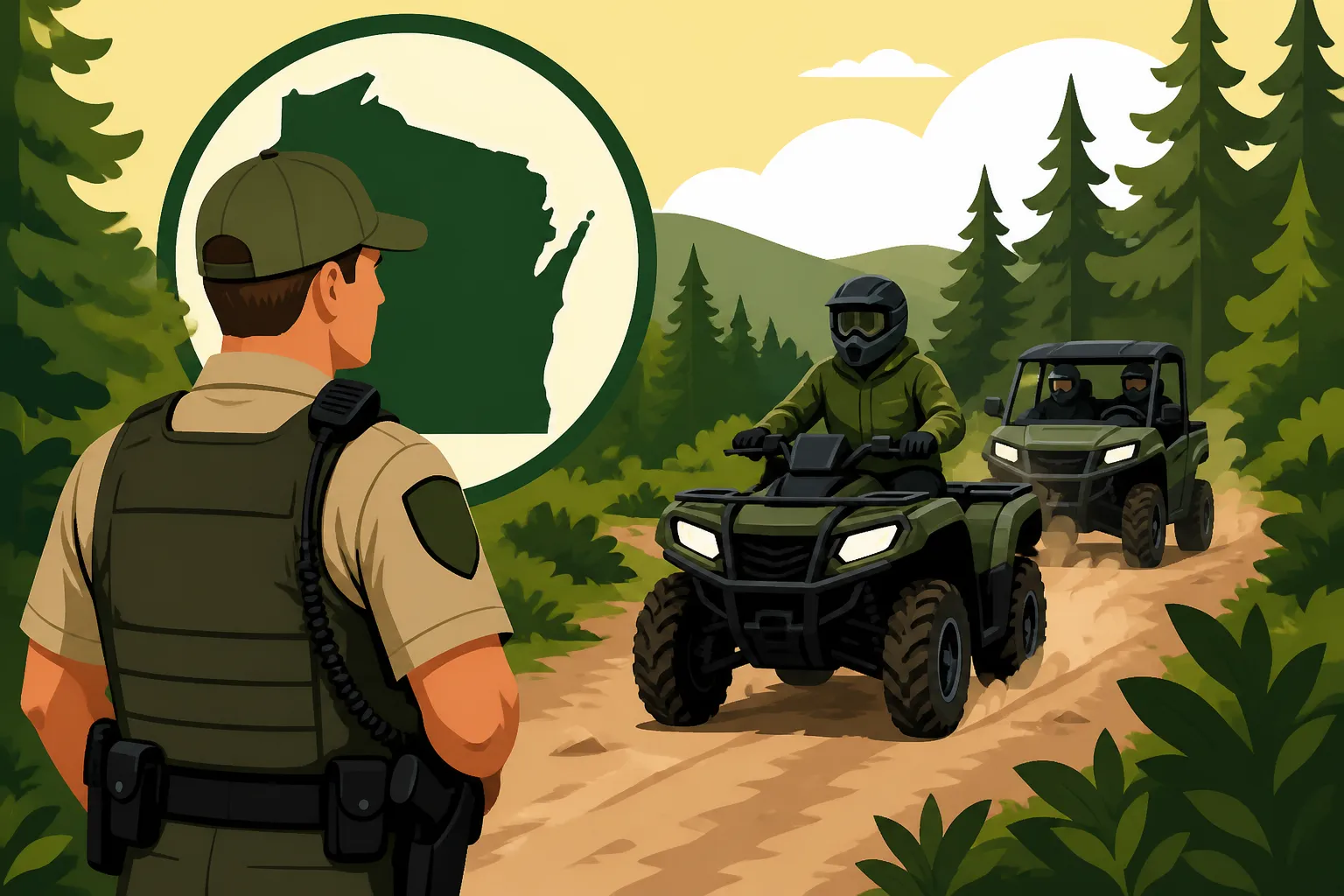
It’s a beautiful day out on the Wisconsin ATV and UTV routes, the sun is shining, the trails are calling, and you're just enjoying the freedom. Then, in the distance, you see a familiar green and tan uniform. A Wisconsin DNR warden. For many riders, that sight can instantly bring a knot to the stomach, wondering if everything is in order. It's a common feeling, but preparing yourself with the right knowledge and ensuring your machine is compliant can turn that moment of anxiety into a quick, courteous interaction. This guide is all about understanding why wardens patrol, what they look for, and how to make sure your ride stays smooth and worry-free on Wisconsin's scenic routes.
Why Wardens Patrol Wisconsin ATV and UTV Routes
The presence of Wisconsin DNR wardens on ATV and UTV routes isn't about spoiling anyone's fun; it's fundamentally about safety, resource protection, and ensuring everyone plays by the rules that keep these incredible trail systems open and enjoyable for all. Think of them as the guardians of our outdoor recreation, working to keep trails safe and accessible.
Ensuring Safety and Compliance
Wardens are primarily concerned with the well-being of riders and the preservation of our natural resources. They're on the routes to enforce state laws and local ordinances that govern ATV and UTV use. This includes everything from ensuring machines are properly registered to preventing reckless operation that could lead to accidents or damage to sensitive ecosystems. When everyone adheres to the rules, the risk of serious injury decreases, conflicts with other trail users are minimized, and the environmental impact is reduced. It also helps maintain the positive relationships between riders and the communities that host these routes. Without enforcement, chaos could ensue, potentially leading to route closures or diminished riding opportunities. The DNR’s role is crucial in maintaining the delicate balance that allows us to enjoy the vast network of trails across the state.
Common Violations Wardens Look For
While wardens are on the lookout for a variety of potential issues, there are several common violations that frequently catch their attention. These are often the easiest to spot and, unfortunately, some of the most overlooked by riders. High on their list is proper registration. They'll often check if your machine has current Wisconsin public use decals and if they're placed correctly. An expired registration or decals that have peeled off can lead to a stop. Wardens are also vigilant about age restrictions and safety certifications, particularly for younger riders. They know the rules for a [Wisconsin's Rule for Riders Aged 12 to 15] versus those 16 and over, and they'll ensure that passengers are riding legally.
Another major focus is machine modifications that violate sound limits or spark arrester requirements. Riding with an overly loud exhaust not only annoys residents and other trail users but can also be a clear indicator of non-compliance. Wardens are equipped to perform [The 96-Decibel Sound Test in Wisconsin] if they suspect a machine is too loud. They'll also observe rider behavior, looking for signs of reckless operation, speeding, or operating under the influence, which is a serious offense that can carry stiff penalties, similar to an OWI on a highway. Finally, they're constantly checking for valid [Wisconsin's Non-Resident Trail Pass] for out-of-state visitors, and proper lighting, especially if you're riding around dusk or into the night, as outlined in [Riding a Wisconsin Route After Sundown]. It’s a lot to keep track of, but staying on the right side of these common checks makes for a much more pleasant ride.
What to Expect During a Warden Stop
A stop by a DNR warden doesn't have to be a stressful encounter. Like any law enforcement interaction, respect and cooperation go a long way. Understanding the process can help you remain calm and ensure a smooth resolution. Wardens are generally looking to educate and ensure compliance, not just hand out tickets.
The Stop Itself
When a warden signals you to stop, pull over safely to the side of the route, turn off your engine, and keep your hands visible. It's polite to remove your helmet, as it allows for clear communication. The warden will typically introduce themselves and explain why they stopped you. They might ask for your identification, proof of registration, and your ATV or UTV safety certificate. They might also inquire about the nature of your ride, where you're headed, or if you've had any issues on the trail. Be honest, courteous, and answer their questions directly. Avoid arguing or becoming defensive; if you believe there's a misunderstanding, you can politely explain your side, but always maintain a respectful tone. Wardens are trained professionals, and a calm, cooperative attitude from your end will lead to a much more efficient and less stressful interaction for everyone involved. They might also do a quick visual inspection of your machine, checking for things like proper lighting, spark arresters, or appropriate [Sticker Placement on a Wisconsin Machine].
Documents You Must Carry
When you're out on Wisconsin's ATV and UTV routes, it's essential to have certain documents readily accessible, as wardens will almost certainly ask to see them. First and foremost, you'll need your valid ATV or UTV registration card. This proves your machine is legally registered in Wisconsin for public use. If you're an out-of-state rider, you'll need your Wisconsin Non-Resident Trail Pass, in addition to your home state's registration if applicable.
Next up is proof of your ATV or UTV safety certification. In Wisconsin, anyone born on or after January 1, 1988, must hold a valid safety certificate to operate an ATV or UTV on public trails or routes. This rule doesn't just apply to young riders; it catches many adults as well. Make sure you have the physical card or a readily accessible digital copy. While not always mandatory, carrying proof of insurance is also a good idea. Some [Municipal Ordinances That Require Insurance] for operation on their specific routes, and having it readily available can save you a headache. It's also worth noting that if you’re riding a borrowed machine, you should have permission from the owner and perhaps a copy of their registration or a signed note. Having these documents organized, perhaps in a waterproof bag, will make the process much smoother when a warden asks [What a Wisconsin Warden Asks a Rider For].
Avoiding Issues: Pre-Ride Checks and Best Practices
The easiest way to avoid a tense encounter with a warden is to ensure you're compliant before you even leave your driveway. A little preparation goes a long way in ensuring a fun, legal, and stress-free ride.
Pre-Ride Checklist for Your Machine
Before every ride on a Wisconsin route, make it a habit to perform a quick, thorough check of your machine. Start with your registration and decals. Are your public use decals current and properly affixed? If you're riding a utility vehicle, ensure your side-by-side isn't exceeding width limits for the routes you plan to use, as some trails have restrictions. Next, check your lighting: headlights, taillights, and brake lights should all be in working order, especially if there's any chance you'll be riding near dusk. Many riders opt for aftermarket lighting from companies like SuperATV to enhance visibility and ensure compliance.
Your exhaust system is another key area. Make sure it has a working spark arrester and isn't excessively loud. An aftermarket exhaust from a brand like SuperATV might offer performance benefits, but always verify it meets the state's 96-decibel sound limit. Check your tires for proper inflation and tread depth, and give your brakes a quick test. Finally, ensure you have all the necessary legal documents: your registration card, proof of a [Wisconsin Safety Certificate Requirements] (if applicable), and your trail pass. Keeping these documents in a waterproof bag on your machine means you're always ready, no fumbling around when you're asked for them.
Rider Readiness and Route Etiquette
Being a prepared rider goes beyond just your machine; it includes your personal readiness and how you conduct yourself on the routes. Always wear appropriate safety gear, including a DOT-compliant helmet if you are under 18, as per [Wisconsin Helmet Rules for Riders Under 18]. Even if you're over 18, wearing a helmet is a smart choice for any ride. Make sure you have eye protection, gloves, and sturdy footwear.
Familiarize yourself with the specific rules of the routes you're riding. This includes posted speed limits, which can vary widely depending on whether you're on a designated ATV trail, a town road, or crossing a highway. Always operate your machine safely and responsibly, respecting other trail users, landowners, and wildlife. This means staying on marked routes, slowing down for oncoming traffic or pedestrians, and avoiding aggressive riding. Perhaps one of the most critical aspects of rider readiness is avoiding alcohol and drugs. Operating an ATV or UTV under the influence is illegal and extremely dangerous, leading to severe penalties and putting lives at risk. Understanding and adhering to [Wisconsin Alcohol Limits for ATV Operators] is not just about avoiding a ticket; it's about making sure everyone gets home safely.
Consequences of Non-Compliance
While a warden stop can sometimes be just a friendly reminder or an informational chat, ignoring the rules can lead to significant penalties. These consequences are in place to deter illegal activity and maintain the safety and integrity of Wisconsin's ATV and UTV route system.
Common Citations and Fines
The financial hit from a citation can really put a damper on your riding season. Unregistered machines are a frequent target, and the [Penalties for an Unregistered ATV in Wisconsin] can be substantial, often involving fines that far exceed the cost of proper registration. Similarly, [Wisconsin Penalties for Expired Decals] mean that even if you've registered, neglecting to update your stickers can lead to a ticket. Operating without a valid safety certificate (for those born after January 1, 1988) or allowing an underage, uncertified rider to operate can result in fines for both the operator and potentially the adult responsible.
Excessive noise from modified exhaust systems or riding with an unapproved spark arrester can also lead to citations. Reckless driving, speeding, or operating off designated routes (trespassing) are serious offenses that often carry higher fines. The most severe penalties, however, are reserved for operating under the influence (OWI), which can lead to hefty fines, legal fees, loss of driving privileges, and even jail time. Some wardens may even impound your machine for severe infractions. It’s definitely not worth the risk, and ensuring your machine is compliant, perhaps even with accessories from SuperATV that help with legal requirements, can save you a lot of money and stress.
Suspension of Riding Privileges
Beyond the immediate fines, serious or repeated violations can lead to the suspension of your ATV or UTV riding privileges in Wisconsin. This means you could be legally barred from operating any ATV or UTV on public lands, trails, or routes for a specified period. Imagine not being able to join your friends or family on those planned Northwoods trips because of a past infraction. For instance, an OWI conviction on an ATV or UTV carries similar consequences to a highway OWI, impacting your ability to operate motor vehicles in general, which can be a severe disruption to daily life.
Furthermore, failing to pay fines or address citations can escalate the situation, potentially leading to further legal action or extended suspensions. The DNR maintains records of violations, and repeat offenders face increasingly stringent penalties. The purpose of these suspensions is to reinforce the importance of safe and legal operation, protecting both the rider and the broader community. These consequences highlight why it's so important to be familiar with rules like [Wisconsin Fines for Illegal Road Riding] and to always operate your machine responsibly. It's not just about avoiding a single ticket; it's about preserving your ability to enjoy the sport for years to come.
Here's a quick look at some common violations and their implications:
| Violation Type | Examples | Potential Consequences |
|---|---|---|
| Registration/Permit | Unregistered machine, expired decals, missing trail pass | Fines, potential impoundment, required registration before release |
| Safety Certification | Rider born after 1988 without certificate, underage operator | Fines for operator and adult supervisor, potential riding privilege suspension |
| Equipment Issues | No spark arrester, excessive noise, non-functional lights | Fines, requirement to fix equipment, potential "fix-it" ticket dismissal |
| Rider Behavior | Speeding, reckless operation, riding off-route, trespassing | Fines, damage restitution, potential riding privilege suspension, community service |
| Operating Under Influence | OWI (Operating While Intoxicated) | Hefty fines, loss of all vehicle operating privileges, potential jail time, impoundment |
Disclaimer
This article is for general informational purposes only and does not constitute professional advice. Laws, prices and regulations vary by location and change over time. Consult a qualified professional for guidance on your specific situation.