Riding Into a Wisconsin Trail Town
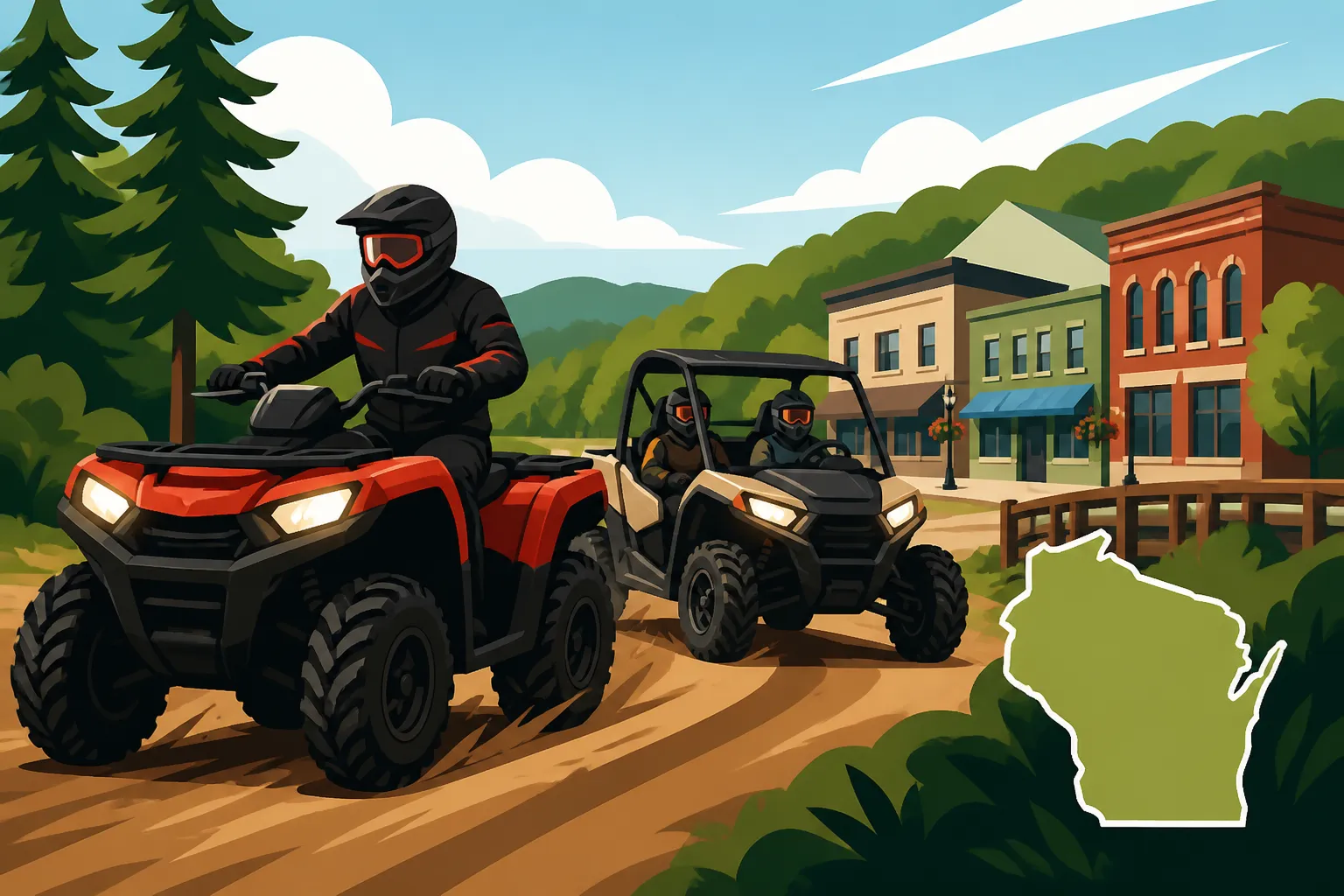
Ah, the open trail beckons, doesn't it? You've been riding for miles, enjoying the freedom of Wisconsin's incredible trail systems, and suddenly, you see it—the welcoming sight of a small town. Maybe it's Eagle River, St. Germain, or Mercer. Your stomach growls, your fuel gauge dips, and you're dreaming of a burger and a cold drink. But then a little voice creeps in: "Am I allowed to ride into town? What are the rules here? Will I get a ticket?" That moment of excitement can quickly turn into anxiety as you try to figure out what's legal and what's not. This guide is here to cut through that confusion, helping you confidently and legally navigate riding your ATV or UTV into a Wisconsin trail town, so your adventure doesn't end with a fine.
Understanding Wisconsin's ATV/UTV Road Routes
It's a common dream for many riders: seamlessly transitioning from the dirt trails to the paved streets of a charming small town. In Wisconsin, this dream is often a reality thanks to a progressive approach to ATV and UTV access. However, it's not a free-for-all, and understanding the specific legal framework is crucial to avoid any unwelcome surprises.
The Legal Framework for Town Access
Wisconsin has carved out a unique system that allows towns, villages, and even some counties to designate portions of their roads as ATV/UTV routes. This isn't just a casual decision; it's a formal process. Local municipalities pass ordinances, essentially local laws, that specifically open certain roads to off-highway vehicles. These aren't blanket rules for an entire town; often, only specific streets are designated, creating a network that allows riders to access businesses, fuel, and lodging.
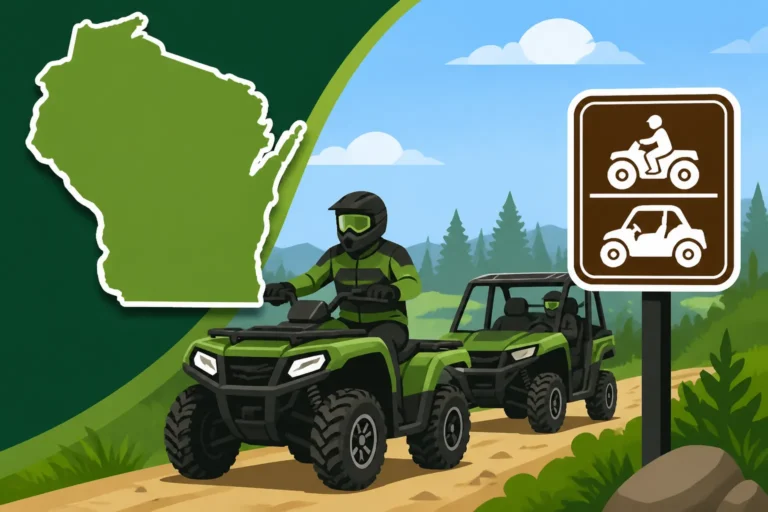
The frustration here for riders is often the inconsistency. What's legal in one town might not be in the next town just a few miles down the road. You can't assume that because you rode into Conover, you can automatically ride into Land O'Lakes. Each municipality makes its own decision, and while the intention is to create connectivity for riders, the reality can feel like a patchwork quilt of rules. These designated routes are typically marked with official signage, often a green and white sign that clearly indicates "ATV Route" or "UTV Route." Always keep an eye out for these signs, as they are your official invitation to ride on the pavement. Without that signage, you're generally on restricted turf. The DNR provides guidelines, but the ultimate decision rests with the local town board. This is where researching [Finding a Wisconsin Town's ATV Ordinance] becomes invaluable.
Common Rules on Town Roads
Once you're on a designated ATV/UTV route within a town, you're no longer just on a trail; you're sharing the road with cars, trucks, and often pedestrians. This means a different set of rules kicks in, designed for safety and integration with regular traffic. Speed is a major factor; most municipal routes will have a posted speed limit for ATVs and UTVs, often 25 mph or even slower, regardless of the posted limit for other vehicles. It's about blending in and showing respect for the residential and business areas you're passing through.
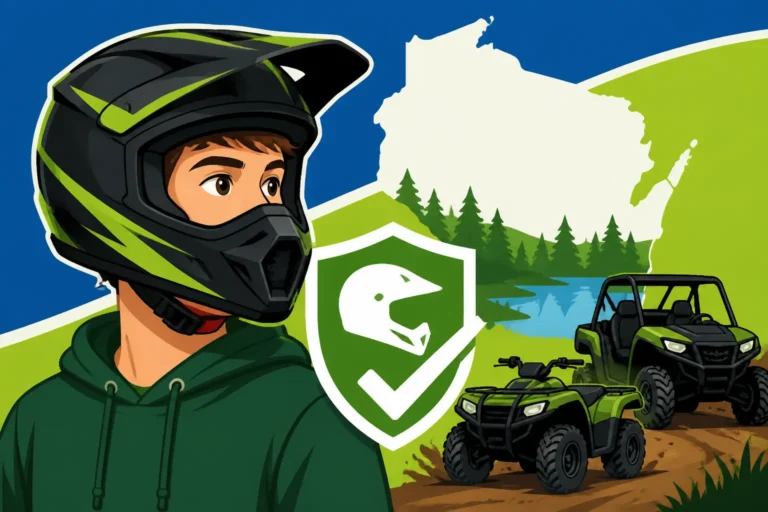
Beyond speed, your machine needs to be properly equipped for road use. We're talking about working headlights and taillights, and often, a rearview mirror. For UTVs, seatbelts are mandatory for all occupants, and it's always a good idea to wear them in an ATV too, even if not legally required on trails. [Wisconsin Road Rules Riders Get Wrong] can be a real headache if you're not prepared. For riders under the age of 18, helmets are mandatory, and for anyone born on or after January 1, 1988, an ATV/UTV safety certification is required to operate on public routes. [Wisconsin Rules for a Rider Who Turns 16] outlines these age-specific requirements. Some riders opt to enhance their machines with aftermarket accessories like turn signals or a horn, components often provided by companies like SuperATV, which, while not always legally required on all routes, certainly increase visibility and safety when sharing the road with other traffic. These additions can make you feel more confident and prepared for the variety of situations you might encounter in a busy town setting.
Navigating Common Trail Town Challenges
Riding into a trail town presents a different set of logistical challenges compared to cruising down a forest trail. Suddenly, you're dealing with traffic, pedestrians, and the need to find specific services. Thinking ahead can save you a lot of stress.
Fueling and Resupply Stops
One of the biggest reasons to venture into a trail town is often to refuel, both your machine and yourself! Finding a gas station that's easily accessible by ATV or UTV can sometimes be a little tricky. Most trail towns understand the needs of riders and will have gas stations located on or very near designated ATV/UTV routes. When you pull into a gas station, remember you're operating a recreational vehicle in a busy public space. Take it slow, be mindful of cars, trucks, and other customers. Park your machine neatly and safely out of the flow of traffic.
It's not just about gas; these towns are also your lifeline for snacks, drinks, ice, or even that forgotten tube of sunscreen. Convenience stores, grocery stores, and bait shops are common stops. Always plan your fuel stops, especially if you're riding in more remote areas of the Northwoods. Some trails can be long, and cell service can be spotty, so knowing where the next opportunity to fill up is can prevent you from running on fumes far from civilization. [Fueling an ATV in a Wisconsin Small Town] covers more specific considerations.
Parking and Securing Your Machine
Once you've fueled up or grabbed a snack, you might want to spend a bit more time exploring the town, maybe grab a meal, or check out a local shop. Parking your ATV or UTV safely and legally is key. Many trail towns will have designated ATV/UTV parking areas, often near popular restaurants or trailheads. These are usually clearly marked and are your best bet. If not, look for standard street parking that is explicitly allowed for ATVs/UTVs via local ordinance, or designated spots in business parking lots.
The stress here is always about the safety of your machine. These aren't cheap toys, and leaving them unattended, even for a short time, can bring a sense of unease. Always try to park where your machine is visible and well-lit. If you're staying overnight, many resorts and motels in trail towns offer secure parking for ATV/UTV riders. It's a good idea to bring a cable lock to secure your machine, even if just for a short stop. Be courteous: don't block entrances, exits, or pedestrian walkways. Nobody wants to be that rider who causes issues for local businesses or residents. For more specific parking advice, check out [Parking an ATV Outside a Wisconsin Tavern].
Crossing Highways and Major Roads
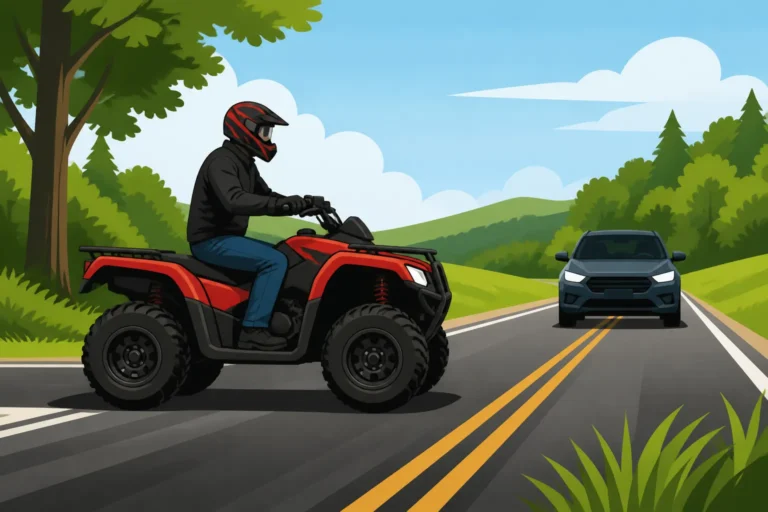
Wisconsin's trail systems and town routes often involve crossing major state or county highways. This is where extreme caution and a clear understanding of the rules are paramount. While a town road might be designated as an ATV/UTV route, a state highway rarely is, meaning you typically cannot ride on the highway itself for any significant distance. Instead, you'll find designated crossing points.
These crossings are often clearly marked with signs, and they require you to stop, look carefully in both directions, and proceed only when it is absolutely safe to do so. Think of it like crossing railroad tracks; you give way to the larger, faster traffic. Never assume the right-of-way. The danger is real, and the speeds of highway traffic are much higher than what you've been riding. If you're unsure about a crossing, it's always safer to err on the side of caution. Remember, wardens and local law enforcement often patrol these intersections specifically because of the increased risk. Always come to a complete stop, scan for traffic, and cross in the most direct and safest manner possible. For more detailed safety tips on this, look into [Crossing a Wisconsin Highway Safely].
Etiquette and Community Engagement in Trail Towns
Riding into a trail town isn't just about following the letter of the law; it's also about being a good ambassador for the sport. The continued success and expansion of ATV/UTV routes in Wisconsin rely heavily on how riders interact with local communities.
Being a Respectful Visitor
When you transition from the quiet of a forest trail to the hustle and bustle of a small town, your behavior makes a huge difference. Noise is a big one. While aftermarket exhausts can sound great on the trail, they can be incredibly disruptive in a residential or business area. Keep your engine RPMs low, avoid excessive revving, and always adhere to Wisconsin's [The 96-Decibel Sound Test in Wisconsin] limit, especially in towns. Nothing turns locals against ATV/UTV use faster than excessive noise.
Dust is another factor, particularly in dry conditions. If you're on a gravel road that's also a designated route, slow down significantly when passing homes or businesses to minimize the amount of dust you kick up. Eye protection is a given for riders, but think about the local resident trying to enjoy their porch. It's about showing courtesy and understanding that you are a guest in their community. Riding slowly and respectfully, acknowledging pedestrians with a nod, and generally being a good neighbor goes a long way in fostering positive relationships between riders and residents. Most towns want to welcome riders, but that welcome can quickly wear thin if riders aren't considerate.
Supporting Local Businesses
One of the primary drivers for small Wisconsin towns to open up their roads to ATVs and UTVs is the economic benefit. Riders bring tourism dollars, filling gas tanks, buying meals, staying in lodging, and shopping at local stores. This influx of money helps these small communities thrive, especially in areas where other industries may have declined.
Think of your ride into town as an opportunity to give back to the communities that provide you with these incredible riding opportunities. Grab that burger you've been craving at the local diner, buy a souvenir from a mom-and-pop shop, or pick up some local cheese. Your dollars directly support the jobs and livelihoods of the people who live there. Many towns, like Eagle River, St. Germain, and Mercer, have embraced the ATV/UTV culture, and they appreciate your business. When you show your support, it reinforces the positive economic impact of ATV/UTV tourism, making it more likely that these routes will remain open and perhaps even expand. If you're looking for dining recommendations, many riders rave about the experience of [Riding to Supper in a Wisconsin Trail Town].
Planning Your Trail Town Experience
A little bit of preparation can turn a potentially stressful ride into town into a smooth and enjoyable experience. Knowing what to expect and what you need can make all the difference.
Researching Local Ordinances
I've said it before, and I'll say it again: every town is different. What's allowed in one municipality might be strictly forbidden in its neighbor. This inconsistency is a common source of frustration for riders, but it's also a reality you need to be prepared for. Before you head out, especially if you're exploring a new area, take a few minutes to research the local ordinances for any towns you plan to ride into or through.
Many county and town websites will have their ATV/UTV ordinances posted online. The Wisconsin DNR website is also an excellent resource for general rules and often links to county-specific information. You might find variations in speed limits, hours of operation for routes [Municipal Hours of Operation for ATVs], or even specific equipment requirements beyond the state minimums. It's much better to know the rules beforehand than to learn them the hard way through a citation from a local warden. Ignorance of the law is rarely an excuse that gets you out of a ticket.
Essential Gear for Road Routes
While your machine might be perfectly equipped for the trails, riding on paved roads, even designated routes, often calls for a few additional items or checks. For starters, ensure all your lights are in working order – headlights, taillights, and brake lights are crucial for visibility, especially when sharing the road with cars. As mentioned, a rearview mirror is often required and always a good safety feature.
Consider also carrying your registration card [Keeping the Registration Card With the Machine] and proof of insurance [Insuring an ATV in Wisconsin], as some municipalities may require it, and a Wisconsin warden certainly will ask for it if you're stopped. Some riders even add aftermarket turn signals and horns, which, while not universally mandated, greatly enhance your ability to communicate with other drivers and pedestrians, making you feel safer and more confident on shared roads. Companies like SuperATV offer a range of accessories that can help you meet these safety and potential legal requirements, from full street-legal kits to individual mirrors and lights. Don't forget basic safety gear for yourself, too: appropriate clothing, sturdy boots, and, if you're under 18 or prefer the extra protection, a DOT-approved helmet. A little planning and the right gear ensure your ride into town is as safe and stress-free as possible.
Disclaimer
This article is for general informational purposes only and does not constitute professional advice. Laws, prices and regulations vary by location and change over time. Consult a qualified professional for guidance on your specific situation.