Yearly Cost of Owning an ATV in Wisconsin
Owning an ATV in Wisconsin can mean anything from occasional rides on your own land to regular trail trips that require a trailer, passes and lodging. The purchase price is only the start. This breakdown helps you identify recurring expenses, account for repairs and depreciation, and build a budget that matches how you actually plan to ride.
What a Year of ATV Ownership Really Costs
There isn’t one useful annual figure for every Wisconsin owner. A machine used for brief rides on private land has different expenses from one hauled to county trails every weekend. Even two similar machines can have very different costs if one is new and under warranty while the other needs tires, a belt or suspension work.
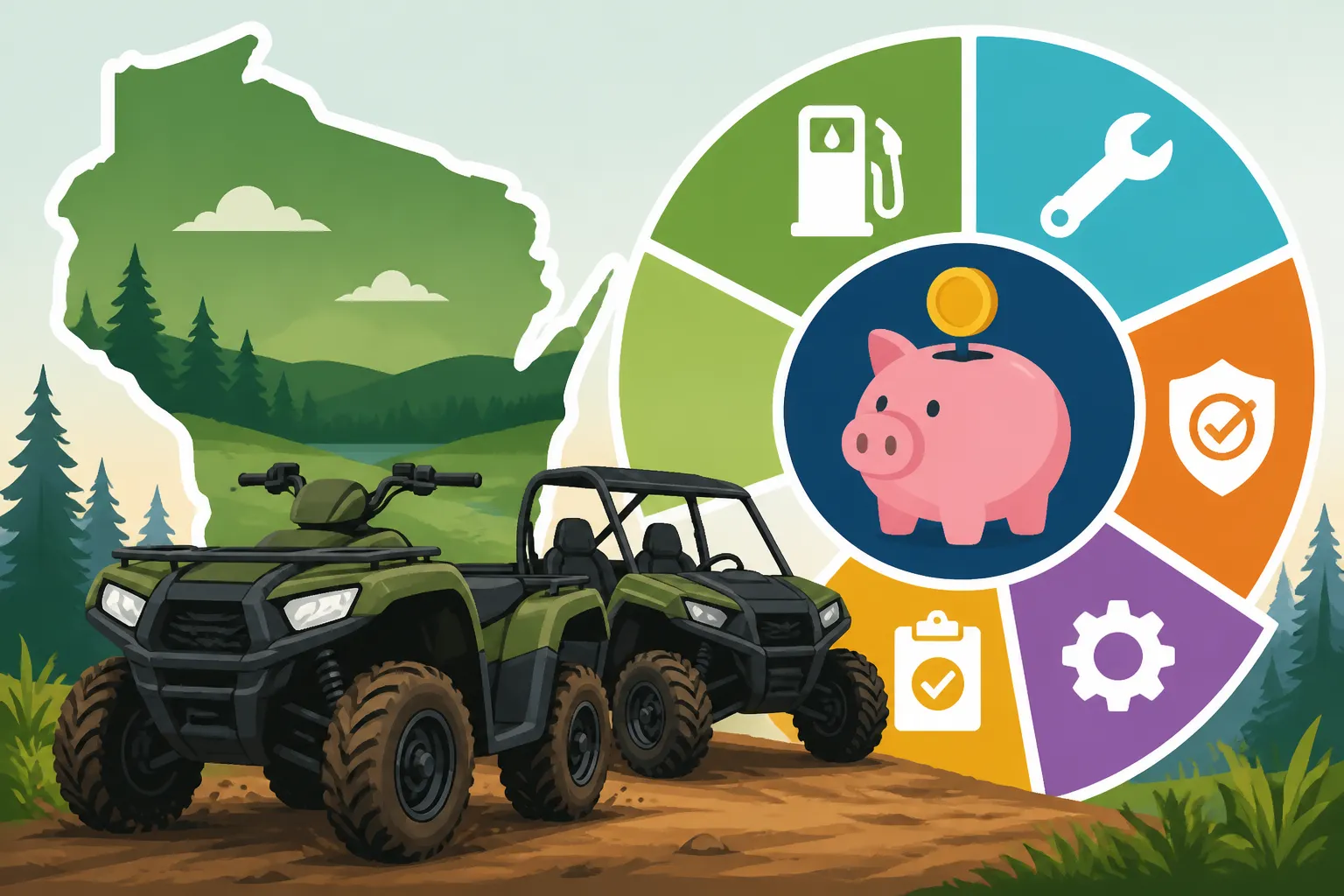
A practical budget separates expenses by when and why they occur:
| Cost category | When it occurs | What changes the amount |
|---|---|---|
| Registration and access | Each registration or riding season | Registration type, where you ride and current requirements |
| Insurance | Usually recurring | Machine value, coverage, use, location and insurer |
| Fuel and fluids | As you ride | Hours, terrain, load, machine and fuel prices |
| Routine maintenance | By schedule or use | Manufacturer recommendations, riding conditions and who does the work |
| Repairs and wear items | Unpredictably | Age, hours, care, riding style and previous damage |
| Storage and winter preparation | Often seasonal | Indoor space, climate, battery care and winter use |
| Hauling and travel | Per trip or season | Trailer access, distance, fuel, lodging and number of machines |
| Gear and accessories | Mostly when purchased or replaced | Rider needs, machine setup and how much equipment you already own |
| Depreciation and financing | Ongoing ownership cost | Purchase price, loan terms, condition and resale value |
The distinction between cash outlay and true ownership cost matters. If you buy a helmet this year, it is a cash expense this year, but you may use it across several seasons. A major repair, by contrast, may be a one-time bill that should still be reflected in a realistic annual reserve. Depreciation is different again: it may not require a payment, but the machine can be worth less when you sell it.
For a useful estimate, record three figures separately:
- Expected recurring expenses: registration, insurance, routine service and storage.
- Use-based expenses: fuel, fluids, trail access, hauling and lodging.
- Irregular ownership costs: repairs, replacement parts, gear and loss in resale value.
This makes the budget easier to update. If you decide to ride more often, you can revise fuel and trip costs without confusing them with fixed costs such as insurance. If you add a second machine, you can see which expenses are shared and which are charged per machine.
It also helps to distinguish the ATV itself from the whole riding setup. A machine may be affordable to keep in a garage, but trail riding can require a suitable trailer, tie-downs, protective equipment, maps and travel money. When comparing a quad and a side-by-side, look beyond the advertised purchase price. Consider machine width, passenger needs, storage space, trailer capacity and the kinds of routes or trails you expect to use.
For a broader starting point, Yearly Cost of Owning an ATV in Wisconsin is this article’s subject, while What an ATV Costs in Wisconsin looks at purchase and ownership expenses together. If you are still deciding what to buy, Buying Your First Side-by-Side in Wisconsin and New Versus Used in the Wisconsin Market can help you compare the initial purchase with likely costs after buying.
Build a personal estimate before buying
Begin with your intended use, not a generic average. Write down how many weekends you expect to ride, whether you will ride from home or haul to a trailhead, and whether the machine will also plow, tow or carry supplies. Then ask a dealer, insurer, registration agent or repair shop for the current amounts relevant to your situation. A few direct quotes are more useful than a broad estimate that assumes a different machine and riding pattern.
Keep an “annual ownership” figure and a “cash needed this season” figure. The first is for comparing machines and deciding whether ownership fits your finances. The second includes bills that are due soon, such as registration, insurance renewal, maintenance and any repair already identified during an inspection.
Registration, Trail Access and Other Riding Fees
Registration is one of the costs to check before riding, but the right choice depends on where and how the machine will be used. Wisconsin’s public-use and private-use registration options serve different purposes. Do not choose one based only on which seems cheaper; first confirm that it matches your riding plans and the places you expect to operate.
The details can also affect your yearly budget. Public-use registration has an expiration cycle, while private-use registration is designed for a different use pattern. Get the current requirements, fees and expiration information from the Wisconsin DNR or an authorized registration agent before paying. Public Use Versus Private Use in Wisconsin explains the distinction, and Registering an ATV in Wisconsin covers the broader registration process.
Trail access is another separate question. Registration does not automatically mean every trail, route or public riding area is open to you. Rules can depend on the machine, the place, local ordinances and whether a pass is required. A Wisconsin-registered machine and a visitor’s out-of-state machine may not have the same pass requirements, so confirm what applies to your exact situation. Which Wisconsin Trails Require a Pass and Wisconsin’s Non-Resident Trail Pass are useful starting points for checking access.
A pass or registration cost is only part of the travel budget. Some destinations may require you to plan around open dates, closures or local rules. Check trail status before you leave, because a closure can turn a planned ride into a longer drive to another trailhead or a canceled trip. Checking Wisconsin Trail Status Before You Drive can help you make that check part of trip planning.
Other costs associated with riding may include:
- A safety course or certificate: Whether this applies depends on the rider and the activity. Confirm the current Wisconsin rules rather than assuming that an adult or a returning rider is automatically exempt. See Who Must Certify to Ride in Wisconsin.
- Local requirements: A town or other local jurisdiction may set rules that affect routes and operation. Check the ordinance for the area you plan to ride, including any applicable insurance or equipment requirements.
- Pass display or replacement: If a pass must be displayed, follow the current instructions for placement. A damaged or lost pass may mean another purchase or an administrative step. Displaying a Wisconsin Trail Pass covers the practical side.
- Special events or guided rides: An organized event may have its own entry requirements or costs. Confirm those with the organizer before traveling.
Keep registration and access costs in a separate line for each machine. Do not assume that a household’s first registration, pass or paperwork automatically covers a second ATV. If several people share machines, make a small inventory with each machine’s registration status, pass status and expiration dates. Wisconsin Passes for a Second Machine explains why the second machine deserves its own check.
Registration and pass amounts can change, so use current official information when setting the final budget. The same goes for any deadline or exception. For the general budget, estimate a dedicated annual line; for the actual purchase, confirm the correct amount and whether it applies to that machine and rider.
Fuel, Fluids and the Cost of Riding More
Fuel is one of the easiest ownership costs to underestimate because it arrives in small purchases rather than one annual bill. The total depends on how often you ride, how long each outing lasts, the machine’s condition and setup, the terrain and the load. A slow workday on private land will not necessarily use fuel at the same rate as a long trail ride with frequent acceleration, mud or steep terrain.
Instead of relying on a generic fuel estimate, track a few outings. Record how much fuel you start with, how much you add, how many hours you ride and what you were doing. Do this for more than one type of trip if your use varies. You will get a more useful estimate for your machine and habits than a fuel figure copied from another owner.
Use the same approach for oil and other fluids. Check the owner’s manual for the maintenance schedule and fluid specifications, then note the intervals that apply to your machine. Do not assume that a vehicle maintained mainly for occasional trail use has the same needs as one used for frequent work. Dust, water, heavy loads and hard use can make inspections especially important.
Fuel planning also includes the cost of getting fuel to the riding area. Some trail systems have long gaps between convenient stops, and a trip may require carrying fuel safely or filling up before leaving town. Avoid carrying more than you need, and use equipment intended for fuel transport. A shortfall can interrupt a ride; carrying fuel carelessly creates a more serious safety hazard.
For a practical seasonal estimate, use this process:
- List the rides you expect to take, separating local use from trail trips.
- Estimate the hours or distance for each type of ride.
- Use your own measured fuel consumption where possible.
- Add the likely cost of fuel needed for the tow vehicle on hauling trips.
- Review the estimate after several rides and adjust it for actual use.
This also reveals why the cost of owning the machine and the cost of riding it are not the same. An owner who rides infrequently may spend relatively little on ATV fuel but still pay for insurance, storage and registration. A rider who takes frequent trips may have modest fixed expenses but much higher fuel, maintenance and hauling costs.
Fuel can increase indirectly when you add accessories or change how you use the machine. A heavier load, plow work, towing, low tire pressure or a mechanical issue can affect operating efficiency. If fuel use changes noticeably, look for a practical cause rather than treating the increase as inevitable. Check for maintenance needs and use the machine within the manufacturer’s recommendations.
For long-distance riding, plan the entire day’s travel. The ATV may need fuel, but so may the truck or tow vehicle. A route that looks close on a map can still involve a substantial drive to the staging area, and the trailer adds weight and may change the tow vehicle’s fuel use. Include those costs under trip expenses rather than attributing all fuel spending to the ATV.
Maintenance, Repairs and Wear Items
Routine maintenance is part of owning an ATV, not an optional extra. Follow the machine’s manual for service intervals and inspection points. The schedule may depend on time, use or operating hours, so keep records even if the machine sits for part of the year. A simple log of dates, hours and work performed helps you avoid missed service and makes it easier to explain the machine’s care to a future buyer.
Some tasks may be manageable at home if you have the right tools and skills. Others are better handled by a qualified repair shop. The cost of doing work yourself is not zero: account for tools, parts, fluids, time and the risk of making a mistake. A shop’s bill may be higher than the parts alone, but it can include diagnosis and labor that save time or prevent a small problem from becoming a larger one.
Common wear and service items may include:
- Engine oil and filters
- Air filters, especially in dusty conditions
- Tires and tire repairs
- Brake pads and related components
- Drive belts and other drivetrain parts
- Battery care or replacement
- CV boots and joint-related repairs
- Coolant or other fluids where applicable
- Winch, plow or accessory maintenance
A belt or tire replacement is not a predictable annual bill for every owner. Life depends on machine design, maintenance, terrain and riding behavior. The smart approach is to treat wear items as a reserve category: inspect them regularly, learn the replacement signs for your machine and put money aside rather than assuming they will last indefinitely.
Repairs are especially difficult to forecast on a used machine. A low asking price does not necessarily make an ATV inexpensive to own if it has been poorly maintained, used for hard work or stored outdoors. Before buying, inspect the machine carefully and budget for any identified issues. Inspecting a Used Machine in Wisconsin and Hidden Wear on a Used Quad can help you think through the risks. A professional inspection can be worthwhile when you cannot confidently assess the machine yourself.
If you already own a machine, pay attention to changes in sound, handling, starting, braking or fluid condition. Keep up with basic checks before rides, and address problems while they are small. Skipping maintenance may delay a bill, but it can also increase the chance of a failure far from a road or trailhead, where recovery adds expense and inconvenience.
A useful repair reserve depends on the machine’s age, condition and use. For a newer machine, warranty coverage may reduce the cost of certain covered failures, but it does not eliminate normal wear, maintenance or damage. Read the warranty terms and keep service records. For an older machine, or one with unknown history, set aside more room for unplanned work. What a Wisconsin Dealer’s Extended Warranty Covers can help you frame questions about additional coverage; check the provider for current terms and exclusions.
Do not budget only for parts. A repair may also mean towing, transportation to a shop, lost riding time or a second trip to pick up the machine. If the ATV is essential for work such as plowing, the cost of being without it may matter as much as the repair itself. An owner who can borrow a machine or postpone use has a different risk profile from someone who depends on one machine during winter.
Keep maintenance records simple
A notebook or spreadsheet is enough. Record the date, machine hours, parts and fluids used, work completed and any issue noticed. Save receipts for parts and shop work. This helps you identify recurring problems, plan the next service and estimate actual yearly costs after a season or two.
When comparing service quotes, ask what is included. A quote for an oil change may not include inspection of other components. A repair estimate may change after diagnosis. Request a clear explanation of labor, parts and any follow-up work the shop recommends, and decide what is urgent versus what can be scheduled later.
Insurance, Storage, Hauling and Equipment
Insurance is not a single fixed amount for every ATV owner. A quote can depend on the machine, its value, coverage selections, where it is kept, how it is used and the insurer’s underwriting. Ask for quotes using the same information and coverage choices so you can compare them fairly. Confirm how the policy treats theft, damage, liability, accessories and use for work; do not assume a homeowners or auto policy covers the same risks. Insuring an ATV in Wisconsin and Does a Homeowners Policy Cover a Wisconsin Quad? cover questions worth asking.
Insurance requirements may also depend on where you ride. A local ordinance, event or particular use can create requirements beyond what you would choose for occasional private-land use. Check the applicable rules before relying on a general statement about whether coverage is mandatory. Even where a certain policy is not required, consider what you could afford to pay after an accident, theft or damage.
Storage has both direct and indirect costs. If you already have a secure garage with room for the machine, the extra cash expense may be limited. If you need paid storage, a shed, security improvements or room for a trailer, include those expenses. Think about protection from moisture, weather, theft and accidental contact with other equipment. Good storage does not guarantee trouble-free ownership, but it can reduce avoidable damage and help keep the machine ready to use.
Winter care is part of the storage plan. Follow the manufacturer’s guidance for battery care, fuel, fluids, tires and any preparation required before a long period of inactivity. If you plan to ride through winter, make sure the machine and equipment are suited to the conditions and that your maintenance schedule reflects the additional use. Winterizing a Machine in Wisconsin and Spring Startup After a Wisconsin Winter can help you make seasonal tasks less likely to become surprise repairs.
Hauling can be a major part of the budget for trail riders. If you already own a suitable trailer and tow vehicle, each trip still uses fuel and adds wear. If you do not, compare the total cost of buying, maintaining and storing a trailer with renting one when needed. Make sure the trailer is appropriate for the machine’s size and weight, and check that the tow vehicle and hitch are suitable. Owning a Trailer Versus Renting One explores that choice.
Do not overlook small but essential hauling supplies. Secure tie-downs, ramps, wheel chocks and a way to inspect tires and lights are practical costs. Replace damaged equipment rather than trusting a worn strap for another trip. Proper loading and securement help protect the machine and other road users. See Strapping a Machine Down for the Freeway for more on hauling safely.
Riding gear is another category that can be spread across seasons, but it still belongs in the ownership budget. A helmet, eye protection, gloves, boots and weather-appropriate clothing should fit the rider and the activity. Families may need to replace or add gear as children grow. If you ride in colder months, insulated layers and suitable outerwear add cost but can make a ride safer and more comfortable. Do not treat protective gear as a one-time purchase that never needs inspection or replacement.
Accessories can improve usefulness, but they also add upfront and ongoing cost. A winch, plow, cab enclosure, storage box or lighting change may require installation, maintenance or repair. Before buying, decide whether the accessory solves a real problem in your use case. Compare the total cost, including fitment and installation, rather than just the item’s listed price. For basic supplies and accessories, Amazon can be one place to compare options, but verify compatibility, specifications and return terms; a low price is no help if the part does not fit your machine.
Depreciation, Financing and Different Ownership Budgets
The amount you pay to buy a machine is not the same as its yearly cost. If you finance, your monthly payment affects cash flow, but the payment includes principal and possibly interest rather than representing the machine’s full annual ownership cost. If you pay cash, there is no loan payment, but the money still has an opportunity cost and the machine may lose resale value over time.
Depreciation is the difference between what you pay and what you can later sell the machine for. It depends on condition, age, hours, maintenance history, demand and market conditions. Accessories do not always add their full purchase cost to resale value. A machine kept clean and documented may be easier to sell, but there is no guaranteed resale price. If you want to compare two models, estimate a realistic future selling value and treat the amount lost as an ownership cost.
With financing, review the full agreement before deciding what a machine “costs per month.” Account for the down payment, interest, required insurance, fees and the loan’s length. A lower payment can come from spreading repayment over more time, which may increase the total paid. Ask the lender or dealer for the complete figures and compare them with the cost of buying a less expensive machine or waiting until you can pay more upfront.
Taxes and dealer charges are typically tied to the purchase rather than repeated each year, but they matter when calculating the total investment. Ask for an itemized out-the-door quote that separates the machine, taxes, documentation or dealer charges, accessories and registration-related items. Avoid counting a one-time purchase charge as an annual bill; instead, include it in your initial ownership cost or spread it across the years you expect to own the machine for comparison.
Different use patterns produce different kinds of budgets:
| Owner profile | Costs likely to matter most | Budgeting focus |
|---|---|---|
| Occasional private-land rider | Insurance, maintenance, battery care and repairs | Confirm the correct registration and local rules; avoid paying for trips you rarely take |
| Frequent trail rider | Fuel, access, hauling, tires and scheduled service | Track actual trip costs and inspect wear items often |
| Winter work or plowing use | Maintenance, attachments, storage and downtime | Budget for harder use and the cost of keeping the machine ready |
| Family with several machines | Per-machine registration, insurance, gear and repairs | Separate costs by machine and plan for growing riders |
| Used-machine owner | Repairs, parts and inspection | Keep a larger repair reserve and retain service records |
These are not price rankings. They show where each owner should look first. A private-land rider could still have substantial repair costs, while a frequent trail rider who lives near a trailhead may spend little on hauling. The purpose is to identify the categories most likely to drive your own total.
For a seasonal owner, divide costs into “must pay whether I ride or not” and “only pay when I use it.” Insurance, storage and some registration expenses may continue even during a quiet year. Fuel, trail trips and lodging usually rise with use. This distinction helps when considering whether to keep a machine that is rarely used: compare the fixed costs of keeping it with the cost and convenience of renting or borrowing when a ride comes up.
A simple worksheet for your annual budget
Use current quotes and your own expected riding schedule to fill in these lines:
- Registration and any required riding pass
- Insurance
- Routine service and fluids
- Tires, belt, brakes and other expected wear items
- Repair reserve
- Fuel for the machine
- Tow-vehicle fuel and trailer expenses
- Storage and winter preparation
- Protective gear and replacements
- Accessories or installation
- Loan interest or other financing costs
- Expected depreciation
For a first estimate, you can leave uncertain lines as “quote needed” rather than guessing. Then get current amounts from the relevant provider or official source. After the first season, replace estimates with actual spending. This produces a better budget over time and shows whether a machine is costing more because of frequent use, maintenance issues or fixed expenses.
If the yearly total feels too high, look for the largest categories first. Reducing unnecessary accessories may help, but it will not solve a budget dominated by hauling, a repair problem or high financing costs. Sometimes the better choice is a different machine, a different riding pattern or a rental for occasional trips. What a First Season Really Costs in Wisconsin is a useful companion when you are planning the first year rather than estimating long-term ownership.
How to Keep the Cost Predictable
You cannot make every repair predictable, but you can reduce the number of avoidable surprises. Start with a machine that fits the work and terrain you expect. An oversized or highly equipped machine can cost more to buy, store and haul without making occasional rides more enjoyable. A machine that is too small or poorly suited to its intended use can also create trouble and wear.
Before buying used, verify the machine’s identity and paperwork, inspect it in person and ask for maintenance records. Test the controls and look for signs of neglect or hard use. If something does not add up, pause rather than treating a low price as a reason to rush. A pre-purchase inspection costs money, but it can reveal problems that would otherwise become your first repair bill. Related reading includes Buying a Used Machine in Wisconsin and Going Over a Machine Before You Hand Over Cash.
Once you own it, set calendar reminders for registration, insurance and service intervals. Keep receipts and record engine hours. Check tires, brakes, lights, steering, fluids and other items listed in the manual before a longer ride. The exact inspection points vary by machine, so use the manufacturer’s instructions rather than a generic checklist as a substitute.
Plan trips to reduce unnecessary hauling and last-minute costs. Check the trail map, hours, access requirements and closure status before leaving. Choose a route that fits your machine and experience, and make a plan for fuel and basic recovery needs. A return trip to collect a forgotten item or a tow after getting stuck can cost more than preparing well.
For parts and accessories, compare the delivered price, compatibility and support. A local dealer or repair shop may be valuable when you need advice or installation. Online marketplaces can offer a convenient comparison, but check that a listing matches the machine’s make, model and year, and be cautious about parts with unclear specifications. Do not buy equipment solely because it is inexpensive if a failure could affect safe operation.
Finally, review the budget after each riding season. Add up what you actually spent and note one-time purchases separately. If fuel is much higher than expected, adjust your trip estimate. If repairs dominate, reassess the machine’s condition and maintenance plan. If the cost of transporting it is high, consider whether a closer riding option or a different hauling arrangement would help. The goal is not to minimize every expense; it is to understand what you are paying for and avoid being caught off guard.
Frequently Asked Questions
What is the biggest yearly expense of owning an ATV in Wisconsin?
It depends on how you use and maintain the machine. For frequent trail riders, fuel and hauling can add up; for an older machine, repairs may dominate. Insurance, storage and registration can remain costs even in a year with little riding.
Does Wisconsin ATV registration include trail access?
Do not assume that registration alone gives access to every trail or route. Requirements depend on the machine and where you ride. Check current Wisconsin DNR information and local rules, including whether a pass applies.
Should I budget for repairs every year?
Yes, even if you do not expect a repair every season. Wear items and unexpected failures are part of ownership. Keep a reserve appropriate to the machine’s age, condition and use, and adjust it as you learn its maintenance history.
Is a trailer necessary for owning an ATV?
Not always. Some owners ride on private land or have access to a machine near their destination. Trail riders often need a way to transport the ATV. Compare the cost of buying, maintaining and storing a trailer with renting one or arranging transportation.
How can I estimate my own annual cost accurately?
List fixed expenses, use-based costs and an irregular repair reserve separately. Get current quotes for registration and insurance, estimate fuel from your own rides, and use the owner’s manual for maintenance intervals. After a season, replace estimates with actual spending.
Disclaimer
This article is for general informational purposes only and does not constitute professional advice. Laws, prices and regulations vary by location and change over time. Consult a qualified professional for guidance on your specific situation.