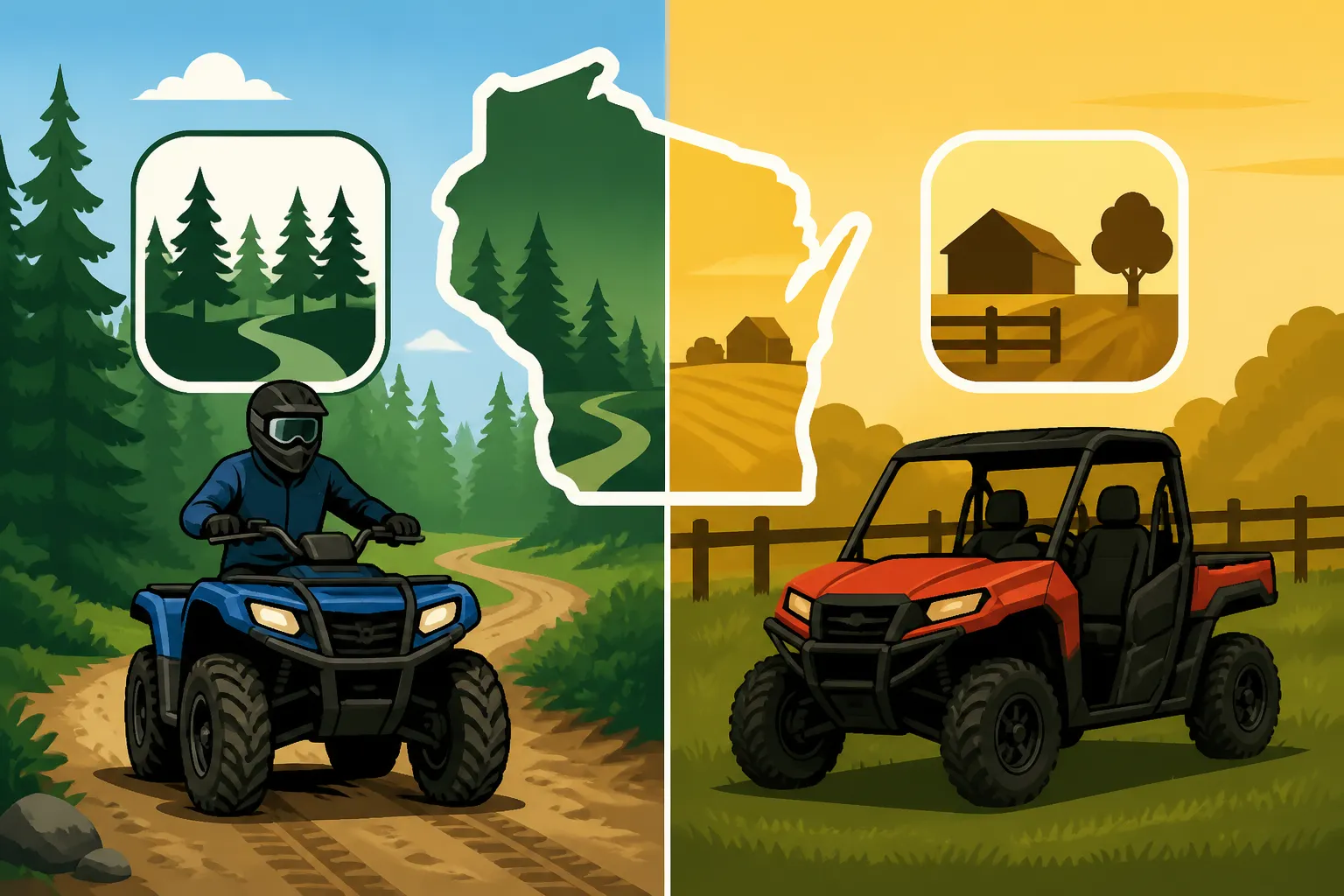
Public Use Versus Private Use in Wisconsin
It’s easy to get lost in the jargon when you first jump into the world of ATV and UTV ownership here in Wisconsin. Many folks get their new machine home, envisioning those glorious trail rides up north or simply puttering around their own back forty, only to be hit with a wave of questions about registration. One of the biggest head-scratchers for new and even seasoned riders is understanding the critical difference between "public use" and "private use" registration. This guide is here to untangle that confusion, helping you understand which one applies to you and why it matters.
Understanding the Core Distinction: Public Versus Private Use
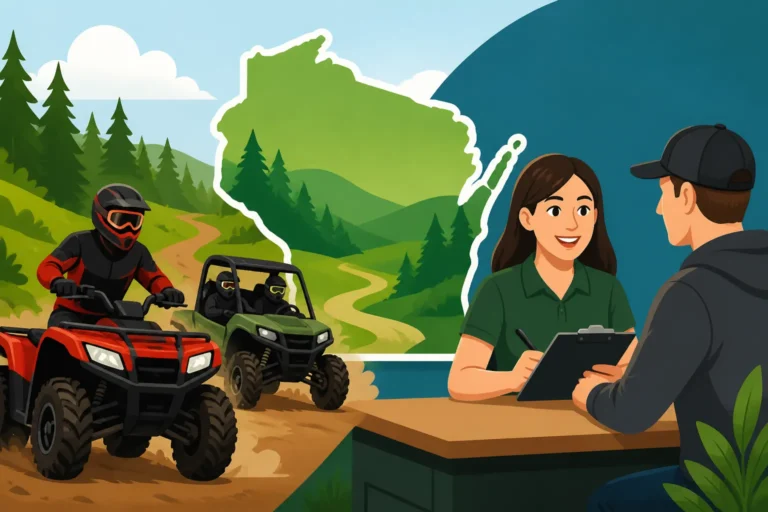
The core of Wisconsin's ATV and UTV registration system boils down to how you intend to use your machine. Are you planning on hitting the miles of incredible public trails and routes that crisscross our beautiful state? Or is your trusty quad primarily staying on private property, maybe your own land, a hunting lease, or a friend's farm? This isn't just a philosophical question; it dictates the type of registration you need, the fees you'll pay, and where you're legally allowed to ride. Getting this wrong can lead to fines, so it’s worth taking the time to understand.
Why the Distinction Matters for Wisconsin Riders
At its heart, the public versus private distinction is all about managing our shared resources and ensuring safety. Machines used on public lands – trails, routes, and designated areas – contribute to the upkeep of those resources through registration fees. It also means those machines are subject to specific rules and regulations designed for group safety and environmental protection. Private use, on the other hand, acknowledges that many machines are workhorses or recreational vehicles used exclusively where public access isn't a concern. The rules are different because the context of use is entirely different. For example, a farmer moving hay bales across his fields has very different needs and impacts than someone zipping down a county forest trail.
The Financial and Legal Implications
Beyond just where you can ride, the choice between public and private registration carries distinct financial and legal implications. Public use registrations typically cost more and expire annually, often on a specific date. This fee helps fund trail maintenance, signage, and warden patrols. Private use registrations, while sometimes having a lower initial cost or a non-expiring status, come with strict limitations on where you can operate your machine. If you purchase a machine and only ever plan to ride it on your own property, an expensive public use registration might feel like an unnecessary burden. Conversely, if you register for private use but then decide to take a spontaneous trip to a county trail, you could face penalties for operating an improperly registered machine. It’s a common pitfall, and one we want to help you avoid. [Wisconsin DNR ATV Registration Explained] offers more insights into the overall system.
Diving Deep into Public Use: Trails, Routes, and Regulations
For most recreational riders in Wisconsin, public use registration is the pathway to adventure. This is the registration that opens up access to the thousands of miles of designated ATV and UTV trails and routes found in state forests, county forests, and across numerous towns that have opened their roads. It's what allows you to explore the stunning Northwoods, cruise along old logging roads, or connect between small towns. Without it, those experiences are off-limits, no matter how tempting the trail signs might look.
What Public Registration Lets You Ride
When your ATV or UTV is registered for public use, you're essentially buying a ticket to Wisconsin's vast network of motorized recreational opportunities. This includes:
- Designated Trails: These are the backbone of our riding system – purpose-built or maintained trails often found within county and state forests. Think winding paths through the trees, challenging terrain, and scenic vistas.
- Open Road Routes: Many towns and counties across Wisconsin have passed ordinances opening certain town, city, or county roads to ATV and UTV use. These routes often connect trails, allow access to businesses, or provide a way to get from your cabin to a staging area.
- Frozen Lakes: While specific rules apply, a public use registration is generally required for operating ATVs and UTVs on the frozen surfaces of public waters in Wisconsin.
- Crossing Roads: Even if you're riding primarily on private property, if you need to cross a public road to get from one section of your land to another, or to access a neighbor's property, a public use registration typically covers this transit.
It’s crucial to remember that "public use" doesn't mean "anywhere public." You still must adhere to posted signs, stay on marked trails and routes, and respect private property boundaries. [What Public Registration Lets You Ride] elaborates on the vast network available.
Fees, Expiration, and Displaying Your Public Registration
A public use registration in Wisconsin usually involves a specific fee and expires annually on March 31st. This is a date many riders come to know well, as it means planning ahead for renewals. The sticker you receive, displaying your registration number, must be properly affixed to your machine in a visible location. There are specific guidelines for [Sticker Placement on a Wisconsin Machine] to ensure it can be easily seen by wardens and other riders. The funds generated from these registrations are vital, directly supporting the Wisconsin DNR's ATV/UTV program, which in turn helps maintain and expand the trail systems we all enjoy. For residents, you'll pay a fee, and for non-residents, there's a different fee and process, which often includes a trail pass in addition to their home-state registration.
The Importance of Staying on Designated Paths
One of the biggest frustrations for both wardens and responsible riders is seeing someone disregard trail markers or venture off-trail. While a public use registration grants you access to public lands, it's not a free pass to create your own paths. Veering off-trail can damage sensitive ecosystems, erode land, disturb wildlife, and even lead to fines. Our trails are often maintained by dedicated volunteers and clubs, and respecting their hard work means staying on the marked path. Always assume private property unless explicitly marked as an open trail or route. If you're unsure, don't ride there.
The Ins and Outs of Private Use Registration
Now, let's talk about private use. This is where a lot of confusion, and sometimes costly mistakes, can happen. Many people assume that if their machine never leaves their own land, they don't need to do anything. While there's truth to that for certain scenarios, the rules are more nuanced, especially if your definition of "private use" isn't strictly limited to a single, contiguous parcel of land.
When Private Use Registration is Your Go-To
Private use registration is designed for machines that are primarily, if not exclusively, operated on private property where public access is restricted or controlled. This typically includes:
- Your Own Land: If your ATV or UTV is strictly used for work or recreation on your own deeded property and never leaves it, this might be your category. However, be mindful of how you get the machine to your property. If it's trailered, great. If you have to ride it on a public road, even briefly, you're likely stepping into public use territory. [Registering a Machine That Never Leaves Your Land] provides further clarification.
- Designated Private Property (e.g., Hunting Leases, Private Parks): If you operate your machine on a private hunting lease, a large private timberland tract, or a private park that does not have public access or public routes crossing it, a private use registration might suffice. Always confirm the landowner's requirements.
- Farm Use: Machines used primarily for agricultural purposes on a farm are generally considered private use, though there can be specific exemptions or rules if they need to travel on public roads between fields.
The key takeaway here is "exclusively on private land." The moment you introduce any element of public access, even a quick jaunt down the road, you need to re-evaluate.
Features of Wisconsin's Private Use Registration
Wisconsin's private use registration is often seen as simpler than its public counterpart. One of its most appealing features is that it never expires. That's right, a one-time fee and you're good to go, as long as your machine continues to meet the criteria for private use. This non-expiring nature makes it attractive for those who truly only use their machine on their own property. You'll still receive a registration sticker, which needs to be displayed on your machine, just like with public use. The difference is, once it's on, you generally don't have to worry about renewal dates again. [Private Registration That Never Expires] gives you the full scoop.
The Pitfalls of Misinterpreting "Private Use"
The biggest danger with private use registration is misinterpretation. Many riders assume it covers more than it actually does. Here are some common scenarios where private use registration falls short:
- Riding to a Friend's Cabin: Even if your friend's cabin is on private land, if you have to ride on any public road, trail, or shoulder to get there, your private use registration is insufficient.
- Crossing a Public Road: If your property is split by a town road, and you want to ride your ATV from one parcel to another, this typically requires a public use registration, even if the vast majority of your riding is on your own land.
- Trailering to a Trailhead, Then Riding Back Home: If you trailer your machine to a public trailhead, ride the public trails, and then ride it down a short stretch of town road back to your cabin, you need public use. The moment those tires touch a public surface, the rules change.
This is a critical distinction, and one that Wisconsin wardens take seriously. The penalties for an unregistered ATV or for operating a privately registered machine on public land can be significant, including fines. [Penalties for an Unregistered ATV in Wisconsin] outlines what you could face.
When Your Machine's Use Changes: Shifting Between Categories
Life happens, and your plans for your ATV or UTV might change over time. Maybe you bought it for plowing your long driveway and registered it for private use, but now your friends are all hitting the trails up north, and you want to join them. Or perhaps you were an avid trail rider, but now your machine is strictly for chores on your new hobby farm. Wisconsin's system allows for this flexibility, but it requires a conscious effort on your part to update your registration.
Upgrading from Private to Public Use
If you initially registered your machine for private use but now want to hit those beautiful public trails and routes, you'll need to upgrade your registration. This isn't a simple amendment; you'll essentially be re-registering the machine for public use. This involves paying the current public use registration fee and will subject your machine to the annual March 31st expiration date. It's a straightforward process, often handled through the Wisconsin DNR's online system or at a designated registration agent. Think of it as purchasing a new permit for a different type of access. You'll then receive new decals that reflect your public use status.
Downgrading from Public to Private Use
Conversely, if you've been a public use rider but your machine will now be strictly confined to private land, you might consider switching to a private use registration. This could save you the hassle of annual renewals and the associated fees. To do this, you would typically allow your current public use registration to expire (if it's not already) and then register the machine for private use. Remember, the private use registration is a one-time, non-expiring fee. However, before making this switch, be absolutely certain that your machine will never touch public land, even momentarily for a road crossing or quick trip to a neighbor's. The financial savings might not be worth the risk of a citation if your use occasionally spills over.
The Importance of Updating Your Records
Regardless of which direction you're moving, it's paramount to keep your registration records accurate and up-to-date with the Wisconsin DNR. This not only ensures you're legally compliant but also helps the DNR accurately track machine usage and allocate resources for trail maintenance. Think of it as updating your driver's license when you move – it's a necessary administrative step that keeps everything above board. Failing to update can lead to confusion and potential legal issues down the road, especially if you sell the machine later and the new owner encounters discrepancies.
Common Misconceptions and Cost Implications
Even with all the information out there, certain myths and misunderstandings about public and private use registration persist. Clearing these up can save you headaches, and more importantly, money and fines. Let's tackle some of the most common ones and dive into the cost aspects a bit more.
"If it's on my trailer, it doesn't need registration."
This is a common one, and largely true while it's on the trailer. Your ATV or UTV doesn't need registration decals if it's strictly being transported on a trailer on public roads. However, the moment you unload it at a public trailhead or staging area and start riding it, it must be properly registered for public use. The registration is for operation on public lands, not for transport. If you're transporting a machine with a private use registration, that's perfectly fine. The issue arises when you then operate that privately registered machine on a public trail.
"I only ride it on my friend's land, so it's private use."
While you're riding on your friend's private land, it is indeed private use. The problem typically isn't the riding itself, but how you get it there. If you have to ride your machine down a public road, shoulder, or public trail to access your friend's property, then you need a public use registration. If you always trailer it to your friend's property and never touch public access points with the machine itself, then private use registration might apply. Always clarify with your friend if their land has any public easements or crossings that would affect your use. [Riding a Friend's Land Up North] provides more context for this scenario.
The Dollars and Cents: Comparing Registration Costs
While I can't give you exact current figures, I can tell you about the shape of the costs. Public use registration fees are typically higher and are paid annually. This recurring cost contributes significantly to the state's trail infrastructure. Private use registration, on the other hand, is generally a lower, one-time fee.
Here's a simple comparison table outlining the general cost and expiration differences:
| Feature | Public Use Registration | Private Use Registration |
|---|---|---|
| Cost Structure | Higher, recurring annual fee | Lower, one-time fee |
| Expiration | Annually, typically March 31st | Never expires |
| Where You Can Ride | Public trails, routes, designated areas, frozen lakes, private land | Strictly private land (with careful exceptions for crossing) |
| Funding Contribution | Directly supports public trail maintenance & programs | Minimal direct contribution to public trail infrastructure |
Remember to always check the Wisconsin DNR's official website or consult a registration agent for the most current fee schedules. The cost difference is substantial over the lifespan of a machine, so making the right choice upfront or adjusting as your use changes is smart financial planning.
Ensuring You're Legally Covered: The Consequences of Getting It Wrong
No one wants their recreational outing to end with a citation or a legal headache. Understanding and adhering to Wisconsin's registration laws for ATVs and UTVs is about more than just avoiding fines; it's about being a responsible rider, contributing to the system, and ensuring the continued access to the amazing riding opportunities our state offers.
Penalties for Incorrect Registration
Operating an ATV or UTV without the proper registration in Wisconsin can lead to various penalties. If you're on a public trail with a machine that's either completely unregistered or registered only for private use, you could face:
- Fines: These can range significantly depending on the specific violation and whether it's a first offense. These are often not small, casual fines.
- Court Costs: Beyond the fine, there might be additional court costs or fees if you're issued a citation that requires a court appearance.
- Impact on Future Privileges: Repeated offenses could potentially impact your riding privileges.
These penalties are in place to encourage compliance and to ensure that everyone who uses public resources contributes to their maintenance and abides by the rules designed for everyone's safety. It’s a bitter pill to swallow when you're caught unaware, which is why we stress this distinction so much.
What Wardens Look For
Wisconsin DNR wardens are out on the trails and routes, ensuring compliance with state regulations. They're looking for machines with properly displayed and current registration decals. They're also observing where machines are being operated. If you're on a designated public trail or route, and your machine doesn't have a public use registration sticker, it's a pretty clear indicator of a violation. They're not out to ruin anyone's fun, but they are there to enforce the laws that keep our trails open and safe for all. Be ready to present your registration card if asked. [What a Wisconsin Warden Asks a Rider For] covers this in more detail.
Documenting Ownership for Both Public and Private Machines
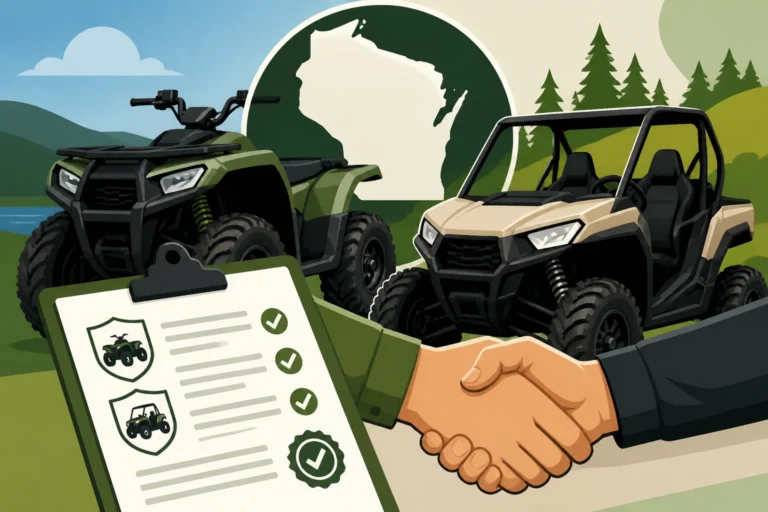
Regardless of whether your machine is registered for public or private use, having proper documentation of ownership is crucial. While Wisconsin doesn't title ATVs and UTVs like cars, a bill of sale is your proof of ownership. If you're buying a used machine, ensure you get a thorough bill of sale that includes details like the VIN, make, model, and year, along with the names and signatures of both buyer and seller. This is especially important for private sales. Resources like LawDepot can be invaluable here, offering customizable bill of sale templates that ensure you've covered all the necessary bases for your transaction, providing a clear record of who owns what and when. This documentation is essential not only for registration but also for insurance claims or in case of theft. [What a Wisconsin ATV Bill of Sale Should Carry] is a great resource here.
Disclaimer
This article is for general informational purposes only and does not constitute professional advice. Laws, prices and regulations vary by location and change over time. Consult a qualified professional for guidance on your specific situation.