Open Intoxicants on a Wisconsin Ride
There’s nothing quite like a day out on Wisconsin’s amazing ATV and UTV trails, soaking in the Northwoods scenery, or exploring the miles of [Wisconsin Towns With Miles of Open Roads] that welcome riders. Many of us love to unwind after a long ride, or even grab a beverage at a trailside tavern. But the rules around "open intoxicants" when you're riding an ATV or UTV in Wisconsin can be a real head-scratcher, leading to confusion and, unfortunately, some costly mistakes. This guide is here to untangle those rules, clarify what's allowed and what's definitely not, and help you enjoy your Wisconsin rides responsibly and legally.
Understanding Wisconsin's Open Intoxicant Laws for ATVs and UTVs
It’s easy to think that ATV and UTV rules are completely different from those for cars, especially when you’re out in the wilderness. However, when it comes to alcohol, Wisconsin law draws a lot of parallels. It's not just about drunk driving; it's also about having an open container in your possession while operating or even simply being in physical control of your machine. The consequences can range from a hefty fine to much more serious legal troubles.
The Core Rule: Operating Under the Influence (OWI) and Open Containers
Let’s get straight to the most crucial point: operating an ATV or UTV in Wisconsin while under the influence of alcohol is just as illegal and serious as drunk driving a car. The legal blood alcohol content (BAC) limits are the same: 0.08% for most adults, and even lower for commercial operators or those under 21. If you're found to be operating your machine with a BAC at or above this limit, you’re looking at an [An OWI on an ATV in Wisconsin] charge, which carries severe penalties.
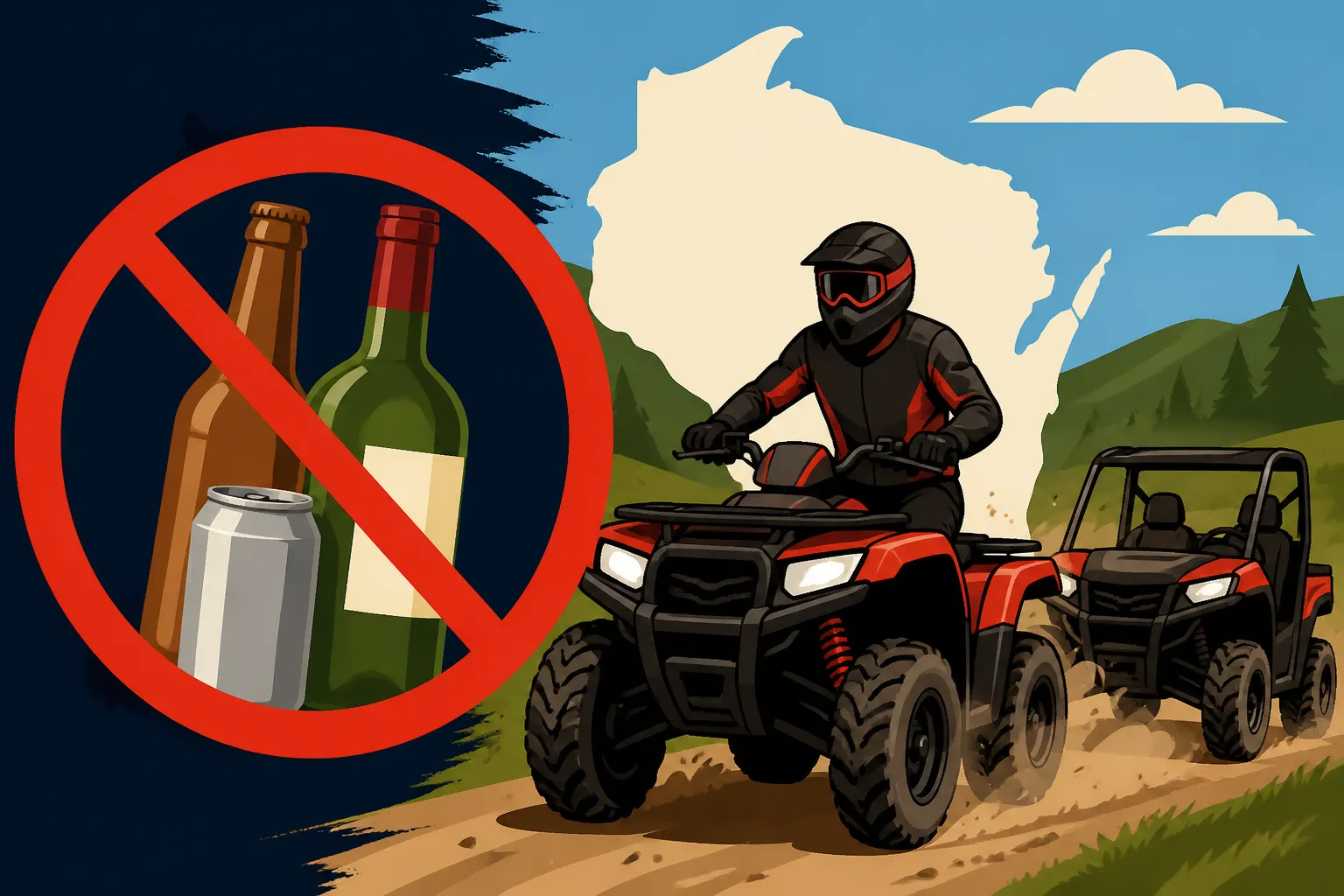
But here’s where many riders get tripped up: it’s not just about being legally intoxicated. Wisconsin also has "open intoxicant" laws that apply to ATVs and UTVs. This means that having an open container of alcohol in your possession while operating, or even just being in physical control of, an ATV or UTV on public lands, trails, or designated routes is generally against the law. You don't have to be swerving all over the place or clearly impaired for an open container violation to occur. Even if your machine is parked at a trailside picnic area, if you're sitting on it and have an open beer can, you could be cited. The intent is to prevent even the temptation of consumption while in control of a recreational vehicle.
It’s important to understand the definition of "operating" here. It doesn't always mean moving. If you're sitting on your machine with the keys in the ignition, or even just readily available, a warden might consider you to be "in physical control." This means that having an open beer in your cup holder while you're simply taking a break by the side of the trail could still lead to a citation. The law aims to prevent the situation from escalating into an OWI, recognizing that even a moment of casual consumption can impair judgment.
Where the Rules Apply: Trails, Road Routes, and Private Land
These rules aren't confined to paved roads; they extend across most of the places you ride your ATV or UTV in Wisconsin. This includes the vast network of state and county ATV trails, designated ATV/UTV [Wisconsin Towns With Miles of Open Roads], and even access roads within state forests and national forests. Basically, if it's public land that's open to ATV/UTV use, assume the open intoxicant laws apply. This can be a tough pill to swallow for riders who feel they're far from "civilization" on a remote trail, but the law's reach is extensive to ensure safety across all public riding areas.
The nuance of private land is where things can sometimes get confusing. Generally speaking, Wisconsin's OWI laws still apply if you're operating an ATV or UTV on private property, meaning you cannot be intoxicated while driving, even if it's your own land. This is a crucial safety measure to prevent accidents and injuries, regardless of ownership. However, specific open container laws can vary more widely on private land, depending on local ordinances. Some counties or municipalities might have stricter rules, even for private property, while others might not specifically prohibit open containers on private land unless you're also impaired. It's always best to err on the side of caution, or consult local municipal ordinances, before assuming you can have open containers on your own property, especially if you plan to operate the machine.
For instance, if you're on a designated ATV route through a small Wisconsin town, the rules are often identical to those for automobiles on the same road. You wouldn't drive your car down Main Street with an open beer, so you shouldn't do it on your UTV. Even if you pull over to the shoulder to stretch your legs, an open container on your machine could still be a problem. The presence of law enforcement, such as a [What a Wisconsin Warden Asks a Rider For], is common in these areas to ensure compliance and maintain safety for all users, including those on foot or in other vehicles.
What Counts as an "Open Intoxicant"?
Defining "open intoxicant" is key to staying out of trouble. In Wisconsin, for ATVs and UTVs, an open container generally means any bottle, can, or other receptacle containing alcohol that has been opened, had its seal broken, or had some of its contents removed. This could be a half-empty can of beer, a wine bottle with the cork removed, or even a mixed drink in a cup that's not clearly sealed and stored. The law aims to prevent easy access to alcohol while operating the machine, thereby reducing the temptation to drink and drive.
It's not just about beer. The law applies to any alcoholic beverage, whether it's spirits, wine, or mixed drinks. A bottle of whiskey with a broken seal in your cargo box, even if you're not drinking from it at that moment, could still be considered an open intoxicant if it's readily accessible to the operator or passengers. This is where proper storage becomes paramount. If you're bringing alcohol on your ride, it absolutely must be in its original, unopened packaging. Think of it like bringing groceries home from the store – you wouldn't open a soda and start drinking it before you've paid, right? Same principle applies here for alcoholic beverages.
Transporting sealed alcoholic beverages is generally permissible, but there’s a right way to do it. These unopened containers should ideally be stored in an area not readily accessible to the operator or passengers while the machine is in motion. For example, placing a sealed six-pack in a secure, latched cargo box or a cooler that’s tied down behind the seat of your UTV is a much safer bet than having it rolling around on the floorboards or within easy reach. Many SuperATV cargo boxes and secure storage solutions are perfect for keeping these items out of reach and safely stowed, ensuring you're not inadvertently violating open container laws by having an accessible, albeit unopened, beverage. The goal is to separate the act of transport from the act of consumption.
Penalties and Consequences of Violating Wisconsin's Intoxicant Laws
Ignoring Wisconsin's open intoxicant and OWI laws for ATVs and UTVs can lead to a host of unpleasant and costly repercussions. These aren't just minor inconveniences; they can significantly impact your wallet, your driving privileges, and even your future. Understanding the gravity of these penalties is crucial for every responsible rider.
The Immediate Impact: Citations, Fines, and Machine Impoundment
If you're caught with an open intoxicant or, even worse, operating your ATV or UTV under the influence, the immediate impact can be severe. A law enforcement officer, such as a Wisconsin DNR warden, will likely issue a citation. The fines for [Wisconsin ATV Ticket Amounts] related to open containers can be substantial, often hundreds of dollars, depending on the specific violation and whether there are any aggravating circumstances. This initial fine can be a rude awakening, especially for those who mistakenly believed the rules were more relaxed off-road.
Beyond the monetary penalty, an open container violation can sometimes lead to the temporary impoundment of your machine. Imagine being deep on a trail system, getting a citation, and then having your ATV or UTV towed away. This not only adds the cost of towing and storage to your troubles but also leaves you stranded, potentially miles from your vehicle or camp. This scenario is a real possibility and serves as a strong deterrent against casual disregard for the rules. For OWI offenses, machine impoundment is even more likely and can be longer-term, forcing you to go through a legal process to retrieve your machine, which often incurs additional fees and paperwork.
A warden's enforcement power extends across all public lands and designated routes. They are specifically trained to identify signs of impairment and open container violations. During a routine stop, or if they observe suspicious behavior, they can ask for identification, registration, and may conduct field sobriety tests if they suspect impairment. Your best course of action is always to be cooperative, but also to understand that violating these laws carries significant and immediate consequences. It's not just a slap on the wrist; it's a serious legal matter that can disrupt your entire riding trip.
Long-Term Repercussions: License Suspension and Increased Insurance Costs
The consequences of an OWI on an ATV or UTV in Wisconsin don't just stay on the trails. These offenses can have a direct and negative impact on your regular driver's license. Unlike some states, Wisconsin treats OWI on an ATV or UTV very similarly to an OWI in a motor vehicle on a public road. This means that a conviction can lead to the suspension or revocation of your standard driver's license, making it impossible to drive your car, truck, or motorcycle legally. This can throw your daily life into chaos, affecting your commute to work, your ability to run errands, and your overall independence.
Furthermore, an OWI conviction on an ATV or UTV will almost certainly cause your [Wisconsin ATV Insurance Cost] to skyrocket. Insurance companies view OWI as a high-risk factor, indicating a greater likelihood of future accidents or claims. You might find your premiums increasing dramatically, or even face difficulty finding an insurer willing to cover you. This financial burden can last for several years, long after the initial fines are paid, making your love for riding significantly more expensive. In some cases, insurers may even drop your policy altogether, leaving you without coverage.
Beyond financial and driving license impacts, repeat offenses or particularly egregious violations can lead to [Losing Wisconsin Riding Privileges] entirely, either temporarily or permanently. This means you could be prohibited from operating any ATV or UTV on Wisconsin's public lands, effectively ending your enjoyment of the sport in the state. The legal system in Wisconsin takes these matters seriously, recognizing the inherent dangers of impaired operation of these powerful machines. It’s a sobering thought that one poor decision can lead to such lasting repercussions, truly putting a damper on your passion for off-road adventure.
Safety Risks and Liabilities: Why These Laws Exist
Beyond the legal and financial penalties, the most profound reason for these laws is safety. Operating an ATV or UTV under the influence of alcohol significantly impairs your judgment, coordination, and reaction time. What might seem like a fun, casual ride can quickly turn into a dangerous situation. Even a small amount of alcohol can dull your senses, making it harder to navigate tricky terrain, react to sudden obstacles, or maintain control of your machine. This isn't just a risk to you; it's a risk to your passengers, other riders on the trail, and even bystanders.
The statistics on ATV and UTV accidents paint a clear picture: alcohol is a significant contributing factor in many serious incidents, including those involving severe injuries or fatalities. When you're impaired, you're more likely to take unnecessary risks, misjudge distances, or simply lose control, leading to a [Wisconsin ATV Crash Reporting] situation. These machines are powerful and require a high degree of focus and skill to operate safely. Adding alcohol to the mix is a recipe for disaster, turning a recreational activity into a hazardous gamble.
Beyond the personal safety risks, there's also the aspect of civil liability. If you operate an ATV or UTV while impaired and cause an accident that results in injury or property damage to another party, you could face significant civil lawsuits. This means you could be held financially responsible for medical bills, lost wages, and property repairs for years to come. Your insurance might even deny coverage if you were operating illegally, leaving you personally on the hook for potentially hundreds of thousands of dollars. These laws are in place to protect everyone on the trails and roads, not just to penalize individual riders. They underscore a fundamental principle: responsible operation is paramount for the enjoyment and safety of the entire riding community.
Practical Advice for Responsible Riding in Wisconsin
Navigating Wisconsin's ATV and UTV trails and road routes while ensuring you stay on the right side of the law regarding alcohol doesn't have to be complicated. With a little planning and common sense, you can enjoy your rides and still partake in refreshments responsibly. It's all about making smart choices before, during, and after your ride.
Planning Ahead: Designated Drivers and Safe Storage
The best way to avoid issues with alcohol and ATV/UTV riding is to plan ahead. If your group intends to consume alcoholic beverages at some point during your outing – perhaps after the ride at a cabin or campground, or at a trailside establishment – designate a sober driver for the machine. Just like with cars, this simple step can prevent an OWI charge and ensure everyone's safety. Make it clear from the outset who will be operating the machine and who will be consuming alcohol. This proactive approach takes the guesswork out of the situation when temptations arise.
When transporting alcoholic beverages, always ensure they are in their original, unopened containers. If a bottle or can has been opened, even if you’ve recapped or sealed it, it's considered an open intoxicant. The key is to keep all alcohol sealed until you are at your final destination and are no longer operating or in control of the machine. Consider the analogy of buying alcohol at the store: you wouldn’t open a beer in the parking lot and drive home; you wait until you're safely at home. The same goes for your ATV or UTV.
For proper storage, think "out of sight, out of mind, and out of reach." Sealed alcoholic beverages should be stowed securely in a cargo box, a trunk, or a cooler that is not easily accessible to the operator or passengers while the machine is in motion. For instance, a secure, lockable storage box mounted on the rear rack of your ATV or in the bed of your UTV is an ideal place. Many aftermarket options, including sturdy boxes from brands like SuperATV, provide excellent solutions for safely stowing gear and sealed beverages. The goal is to make it clear that the alcohol is being transported, not consumed, and is not within arm's reach of anyone operating the machine.
Utilizing Trail Towns and Designated Stops
Wisconsin is fantastic because many of its ATV and UTV trail systems are designed to connect with small communities, known as [Riding Into a Wisconsin Trail Town]. These towns often embrace riders, offering restaurants, taverns, and [Wisconsin Gas Stations Along the Routes] where you can stop, refuel, grab a meal, and even enjoy an alcoholic beverage. This is the perfect, legal way to combine your ride with a social drink: stop your machine, dismount, and go into an establishment.
The crucial distinction here is that you are consuming alcohol off your machine, as a patron of a business. Once you step off your ATV or UTV and enter a tavern or restaurant, you are no longer "operating" or "in physical control" of the machine in the eyes of the law, regarding open container rules. You can then enjoy a beverage responsibly. However, remember that the OWI laws still apply when you get back on your machine. So, if you've had a few drinks, you absolutely must ensure you are sober before you get back into the driver's seat. Plan to eat a meal, drink plenty of water, and allow ample time for the alcohol to metabolize. It’s far better to wait an extra hour than to risk an OWI.
These trail towns are designed for riders to experience the local culture and economy. Take advantage of them! Park your machine safely, walk into a local establishment, and enjoy the hospitality. This approach not only supports the communities that maintain these fantastic trails but also ensures you're riding legally and safely. Never consume alcohol on the shoulder of a road route or directly on a public trail, even if you've stopped the machine. Save the consumption for the designated establishments in town.
Understanding Local Ordinances and Warden Interactions
Wisconsin's ATV and UTV laws are primarily state-level, but local municipalities and counties have the authority to enact their own ordinances, which can sometimes be more restrictive. Before you head out, especially if you're exploring a new area, it's always a good idea to check [Finding a Wisconsin Town's ATV Ordinance] or the county's specific rules regarding ATV/UTV use, including those related to alcohol. While the general state laws apply everywhere, some towns might have specific hours for ATV operation or even unique rules about where alcohol can be consumed in public spaces, even off a machine.
If you are stopped by a Wisconsin DNR warden or local law enforcement, always remain polite, cooperative, and respectful. They are there to ensure the safety of all riders and to enforce the laws that keep our trails open and enjoyable. Provide your identification, registration, and any other requested documents promptly. If asked about alcohol, be honest. Knowing your rights is important, but so is understanding that wardens have legal authority to investigate and enforce. Attempting to hide an open container or arguing unnecessarily can escalate the situation and lead to further charges.
Familiarize yourself with Wisconsin's laws regarding alcohol and ATV/UTV operation. Understanding the difference between transporting sealed alcohol, having an open container, and operating while impaired is critical. By planning your rides responsibly, utilizing the amenities of Wisconsin's trail towns, and respecting the law enforcement officers who patrol our trails, you can ensure your adventures are both thrilling and trouble-free. The goal is to have fun, make memories, and return home safely, ready for your next Wisconsin adventure.
| Scenario | Is it Legal? | Key Point |
|---|---|---|
| Operating an ATV/UTV under the influence (BAC above limit) | No | Strict OWI laws apply, similar to cars. Major penalties. |
| Having an open alcoholic beverage while operating (even if not impaired) | No | Open container laws apply. Citation likely. |
| Transporting sealed, unopened alcoholic beverages | Yes (with caveats) | Must be unopened, out of reach of operator/passengers, ideally in a secure, sealed compartment. |
| Consuming alcohol off the machine at a tavern in a trail town | Yes | Encouraged responsible behavior. Ensure sobriety before returning to machine. |
| Consuming alcohol on private land while operating an ATV/UTV | No (OWI) | OWI laws still apply. Open container rules may vary by local ordinance. |
Disclaimer
This article is for general informational purposes only and does not constitute professional advice. Laws, prices and regulations vary by location and change over time. Consult a qualified professional for guidance on your specific situation.