Which Wisconsin Towns Have ATV Routes
It’s incredibly frustrating, isn't it? You’ve got your ATV or UTV ready, itching to explore, but figuring out which Wisconsin towns actually welcome off-road vehicles on their streets can feel like a maze of conflicting information and local ordinances. Nobody wants to accidentally ride somewhere they shouldn't, risking a fine or, worse, losing riding privileges. This guide is here to cut through that confusion, helping you understand how towns open their roads to ATVs and UTVs, and most importantly, how you can discover where to ride legally and confidently.
Understanding Wisconsin's ATV/UTV Route System
For many riders, the dream is to connect trails, grab a bite to eat in a small town, or simply cruise through a scenic village. Wisconsin has made great strides in accommodating this desire, but it's crucial to understand the distinction between designated trails and town routes. They operate under different rules, and knowing the difference is your first step to a hassle-free ride.
The Difference Between Trails and Routes
When we talk about "trails" in Wisconsin, we're usually thinking of the expansive county forest systems, state forests like Black River, or national forest lands such as the Chequamegon-Nicolet. These are often purpose-built or designated corridors, managed specifically for off-road recreational use. They might be narrow, winding through dense woods, or follow old logging roads. They're designed for the experience of off-road riding, often away from traffic and residential areas. [Where to Ride an ATV in Wisconsin] offers a great overview of these larger trail systems.
"Routes," on the other hand, are typically town, village, or city roads that have been officially opened to ATV and UTV use by local ordinance. Think of them as extensions of the trail system, allowing you to legally travel through a community, access services, or connect to another trail system. These are public roads, shared with cars, bicycles, and pedestrians, which means the rules are often a blend of ATV/UTV regulations and standard traffic laws. The speed limits, right-of-way rules, and general etiquette are far more akin to driving a car than riding a backcountry trail. For instance, while you might tackle challenging terrain on a trail, a town route will demand you operate your machine like any other vehicle on the road, often requiring turn signals, mirrors, and appropriate lighting. Equipping your machine with robust accessories from trusted brands like SuperATV can help ensure you meet these requirements and enhance your visibility on shared roadways.
How a Town Opens an ATV Route
It’s not as simple as a town just deciding, "Hey, let's let quads ride here!" There's a formal process involved, and it all revolves around local government. Generally, a town, village, or city board must pass an ordinance specifically designating certain roads as ATV or UTV routes. This isn't a quick decision; it often involves public hearings, input from residents, and careful consideration of safety, noise, and traffic flow.
The process usually begins with local enthusiasts or ATV/UTV clubs advocating for access. They might present proposals to their town board, highlighting the economic benefits that riders bring to local businesses – think gas stations, restaurants, and lodging. Once a municipality decides to move forward, they'll typically identify specific roads or sections of roads that are suitable for routes. These are generally lower-speed roads, often gravel or quiet residential streets, rather than busy state highways. After the ordinance is passed, proper signage must be installed to clearly mark the beginning and end of the routes, as well as any specific speed limits or restrictions. [How a Wisconsin Town Votes in a Route] details this process, which ensures that routes are established thoughtfully and safely for everyone.
Finding Specific Towns with ATV/UTV Routes
Now for the million-dollar question: how do you actually find these elusive towns that welcome your machine? Because these routes are locally managed, there isn't one central, always-up-to-date statewide map that instantly shows you every single open town road. However, with a little detective work, you can absolutely pinpoint where to ride.
Official DNR Resources and County Maps
The Wisconsin Department of Natural Resources (DNR) is a great starting point, though they primarily focus on state-managed trails. They do, however, often provide links or information regarding county-level ATV/UTV programs. Many counties, particularly those in the popular riding regions like the Northwoods, have excellent online resources. These might include detailed maps showing not only their county forest trails but also how those trails connect to various town routes.
For example, counties like Vilas, Oneida, and Marinette are well-known for their extensive networks. If you're planning a trip to one of these areas, checking the county's official tourism or forestry department website is crucial. They'll often have downloadable PDF maps that highlight open roads. These maps are updated periodically, so always make sure you're looking at the most current version. Remember, [Route Signage Standards in Wisconsin] dictate how these routes should be marked, so once you’re on the ground, look for those clear signs.
Online Communities and Apps like onX Offroad
Beyond official government sites, the power of the riding community and modern technology can be your best friend. Online forums, social media groups dedicated to Wisconsin ATV/UTV riding, and enthusiast websites are treasure troves of information. Experienced riders often share their knowledge of specific towns, recent route openings, or even which local businesses are particularly rider-friendly.
Apps like onX Offroad have revolutionized how riders navigate and discover new areas. These apps often combine official trail data with user-generated content, meaning you can frequently see town routes highlighted alongside traditional trails. Users can report current conditions, point out amenities, and even share photos. While user-generated content is incredibly helpful, always cross-reference with official county or town information if possible, as local ordinances can change. When outfitting your machine for navigation on these diverse routes, consider accessories from SuperATV that can protect your GPS or phone, ensuring your critical navigation tools are safe.
Here's a quick comparison of the two primary types of riding opportunities:
| Feature | Designated ATV/UTV Trails (County/State/National) | Town, Village, City Routes (Local Ordinances) |
|---|---|---|
| Management Body | DNR, County Forestry, National Forest Service | Local Municipalities (Town, Village, City Boards) |
| Primary Purpose | Off-road recreational riding, scenic exploration | Connecting communities, accessing services, road travel |
| Typical Terrain | Dirt, gravel, sand, mud, varying difficulty | Paved, gravel, residential streets, shared with traffic |
| Speed Limits | Varies, often higher on specific trail segments | Strictly adhere to posted road speed limits, often 25 mph |
| Required Equipment | Basic machine requirements, spark arrestor | Standard road vehicle requirements (lights, mirrors, etc.) |
| Signage | Trail markers, caution signs | Standard road signs, specific ATV/UTV route signs |
| Local Enforcement | DNR Wardens, County Sheriffs | Local Police, County Sheriffs, DNR Wardens |
| Access to Services | Often limited, requires planning | Direct access to gas, food, lodging, businesses |
Key Considerations When Riding Town Routes
Riding through a quaint Wisconsin town on your ATV or UTV can be a fantastic experience, but it comes with a different set of responsibilities than bombing down a forest trail. To ensure a safe and enjoyable experience for yourself and the community, it's vital to be aware of local rules and practice good etiquette.
Understanding Local Ordinances and Rules
Every municipality that opens its roads to ATVs and UTVs will have its own specific ordinance, and these can vary significantly from one town to the next. What's legal in Eagle River might be different in a small village closer to home. These ordinances typically cover:
- Operating Hours: Some towns might restrict ATV/UTV use to certain hours, like sunrise to sunset, or prohibit late-night riding to minimize noise complaints.
- Speed Limits: While state law dictates a maximum speed on routes, towns can set lower limits, especially in residential or business districts. Always obey posted speed limits.
- Required Equipment: Beyond the state minimums, a town might require additional equipment such as specific types of lighting, turn signals, or even a horn. This is where investing in quality aftermarket parts from companies like SuperATV can ensure you're fully compliant and ready for any local requirement.
- Passenger Restrictions: Some towns might have stricter rules about the number of passengers or the age of passengers, especially for ATVs designed for a single rider.
- Insurance Requirements: While state law doesn't mandate ATV insurance for all riders, some municipalities might require proof of insurance to ride on their routes. [Municipal Ordinances Wisconsin Riders Must Read] is an excellent resource for understanding these complexities. Always verify the specific rules for any town you plan to ride through.
Safety and Etiquette on Town Roads
Riding on town roads means sharing the space with other vehicles, pedestrians, and residents. Your behavior directly impacts the perception of all ATV/UTV riders, so courteous and safe operation is paramount.
- Be a Good Neighbor: Keep your speed down, especially in residential areas. Avoid excessive noise, particularly early in the morning or late at night. Mud flying off your tires onto someone's mailbox isn't going to win you any friends.
- Share the Road: ATVs and UTVs are legal vehicles on designated routes, but cars and trucks are also using those roads. Drive defensively, obey all traffic laws, and be predictable. Use hand signals or turn signals, especially if you're turning into a business.
- Yield to Pedestrians and Cyclists: These are vulnerable road users. Give them plenty of space and the right-of-way. A friendly nod and a slow pass go a long way.
- Park Responsibly: When stopping at a business or for a break, park your machine considerately, not blocking entrances or pedestrian pathways. Many businesses in trail towns welcome riders and might even have designated ATV/UTV parking. [Riding to Supper in a Wisconsin Trail Town] highlights the importance of this kind of etiquette.
- Know Your Limits: While town routes are generally easy riding, always be aware of your machine's capabilities and your own riding skills. Don't take unnecessary risks, especially when other people are around. Remember, [Wisconsin ATV Safety Certificate Requirements] are in place for a reason, especially for younger riders, and safety should always be your top priority.
The Benefits and Challenges of Town Routes
The expansion of ATV and UTV routes into Wisconsin towns has brought both exciting opportunities and some understandable friction. Understanding these dynamics can help riders appreciate the privilege of access and navigate potential issues with respect and awareness.
Connecting Communities and Services
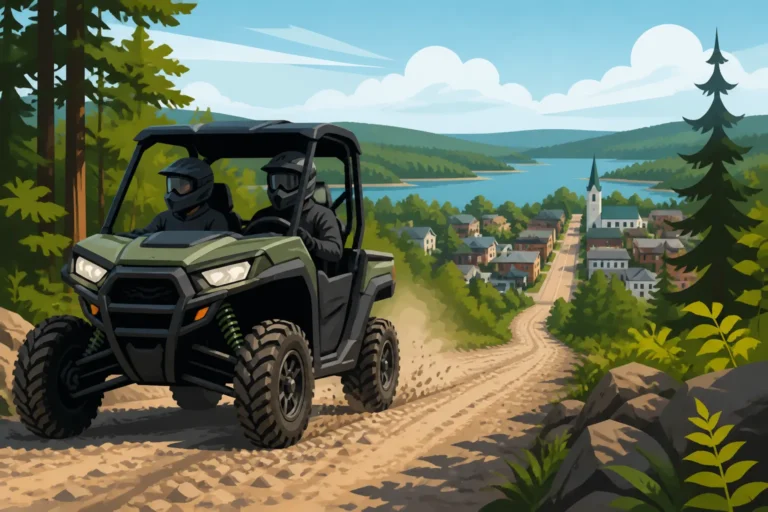
The biggest benefit of town routes is undoubtedly the connectivity they offer. Imagine riding hundreds of miles through a county forest, and then suddenly you can legally pull into a small town, fill up your tank, grab a sandwich, or even stay overnight at a local lodge. This directly translates into economic boosts for these communities, many of which rely heavily on tourism dollars. For instance, towns like Eagle River, St. Germain, and Mercer have embraced routes, allowing riders to easily access their shops, restaurants, and gas stations, turning them into true "trail towns."
These routes don't just benefit riders and businesses; they also knit together larger trail systems. A short stretch of town road might be the only way to link two significant trail networks, creating much longer, more diverse riding loops. This fosters a sense of regional collaboration, where counties and towns work together to create a seamless experience for visitors. It expands the options for everyone, from families looking for a leisurely ride to hardcore enthusiasts wanting to cover serious mileage. In areas where routes are plentiful, you can even plan a multi-day trip, moving from town to town, entirely on your machine. [Wisconsin Trails That Reach a Tavern] is a testament to how these routes enhance the overall riding experience.
Navigating Public Perception and Restrictions
Despite the economic benefits and increased rider satisfaction, opening town roads to ATVs and UTVs is not without its challenges. Noise, dust, and safety concerns are often at the forefront of residents' minds. Many people who live in or visit these towns expect quiet, rural charm, and the constant hum of machines can be disruptive. This is why strict adherence to speed limits, operating hours, and noise ordinances is so critical. A few careless riders can quickly sour public opinion, leading to calls for stricter regulations or even the closure of routes.
Furthermore, managing these routes requires continuous effort from municipalities. Signage needs to be maintained, ordinances need to be enforced (and [Warden Enforcement on Wisconsin Routes] is a real thing!), and complaints need to be addressed. As a rider, you are an ambassador for the entire sport. Every time you ride respectfully through a town, you reinforce the positive image of responsible riding. If you ride carelessly, you undermine years of effort by local clubs and advocacy groups who worked hard to open these routes. This ongoing balance between recreational access and community well-being is something every rider should be mindful of, ensuring these precious routes remain open for years to come.
Disclaimer
This article is for general informational purposes only and does not constitute professional advice. Laws, prices and regulations vary by location and change over time. Consult a qualified professional for guidance on your specific situation.