Riding a Gravel Road Into a Northwoods Town
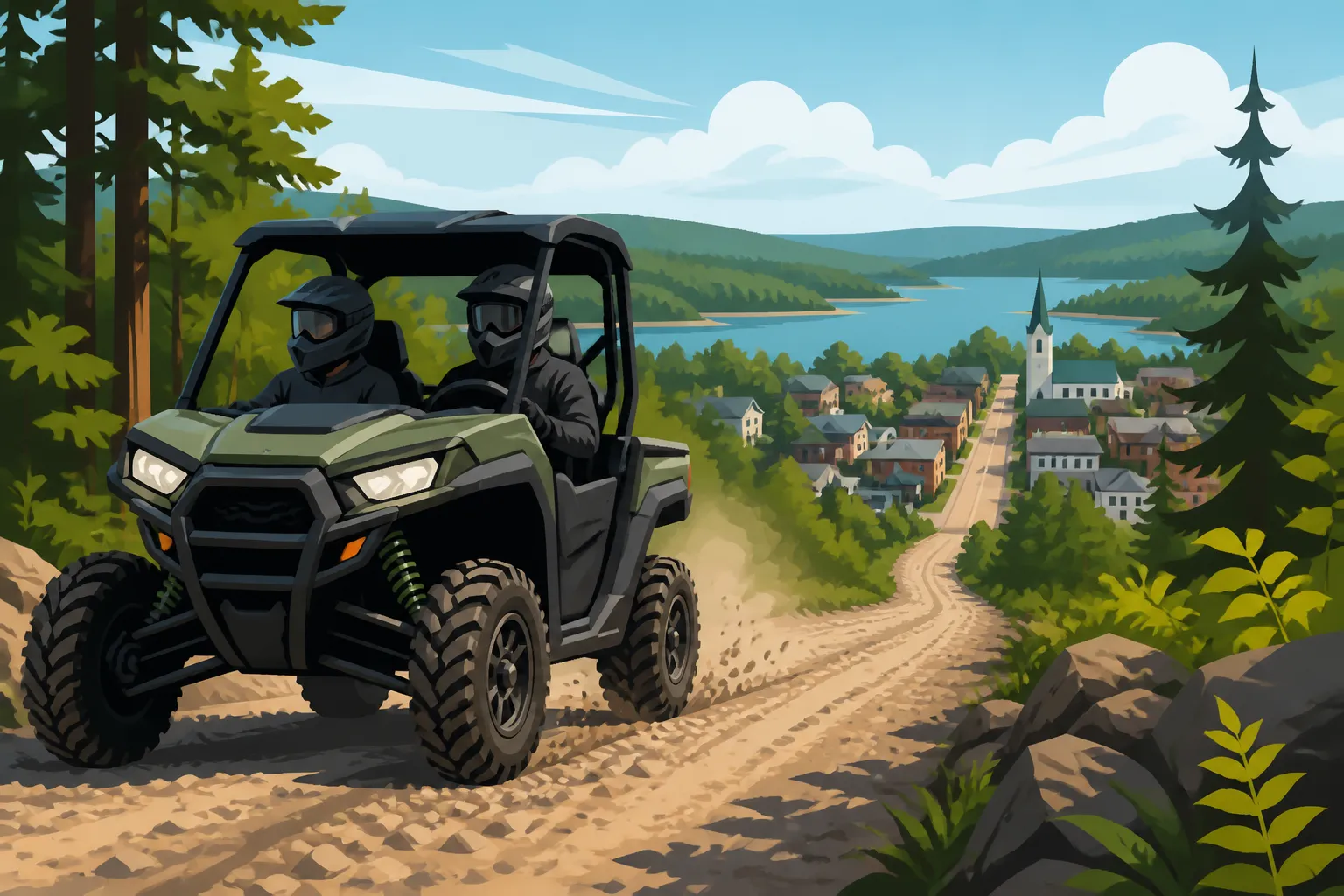
Ah, the dream of cruising into a charming Northwoods town, the dust kicking up gently behind your machine as you pull up to that quaint local diner or general store. It's a picture many of us hold dear, but the reality of riding your ATV or UTV on those Wisconsin gravel roads, especially those leading into towns, can be a maze of regulations and unspoken rules. This guide is here to untangle that, helping you understand how to navigate these roads legally, safely, and respectfully, ensuring your Northwoods adventure is exactly what you envisioned.
Understanding Wisconsin's Designated Road Routes
It's easy to assume that any gravel road out in the middle of nowhere, or even on the outskirts of a small town, is fair game for your ATV or UTV. After all, it's not a paved highway, right? Unfortunately, that assumption can lead to some pretty hefty fines and a quick end to your riding fun. Wisconsin has a specific system for opening roads to ATV and UTV traffic, and it's absolutely crucial to understand the difference between just "a road" and an "approved route."
The Difference Between a Road and a Route
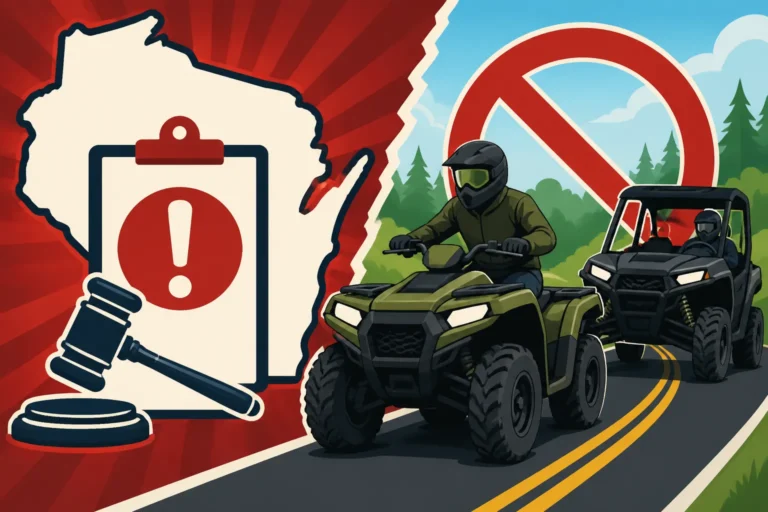
In Wisconsin, you can't just pick any road and decide it's a place for your machine. Roads, whether paved or gravel, are generally considered off-limits to ATVs and UTVs unless they have been officially designated as an "ATV/UTV route." This designation isn't just a suggestion; it's a legal process that local municipalities undertake. They pass ordinances to open specific town, county, or even state-owned roads to motorized off-road vehicle traffic. This means that while a gravel road might look perfect for a scenic ride into town, if it hasn't been specifically marked and approved as a route, riding on it is considered illegal. It's a common frustration for riders who see an inviting stretch of gravel and don't understand the nuances of the law. The intent behind these designations is to manage safety, minimize environmental impact, and ensure harmonious coexistence with local residents and other vehicles. Think of it less like an open invitation and more like a carefully drawn map of allowed travel.
Navigating Local Ordinances and Signage
So, how do you know if that appealing gravel road into a town like St. Germain or Eagle River is actually an approved route? It all comes down to local ordinances and clear signage. When a town or county officially opens a road as an ATV/UTV route, they are required to post specific signs indicating its status. These signs typically show a green rectangle with a white ATV or UTV symbol, sometimes accompanied by arrows or specific hours of operation. If you don't see these signs, assume the road is not a designated route. It's vital to remember that these ordinances can vary significantly from one municipality to another. One town might have extensive gravel road routes, while the neighboring town might have none. The onus is on the rider to know the local rules. Many towns will post their ATV/UTV ordinances on their municipal websites, and county tourism sites often provide maps of approved routes. Failing to check these resources and relying solely on what "looks" like a route can land you in trouble with a warden who knows the local rulebook inside and out. Understanding [How a Wisconsin Town Opens an ATV Route] and recognizing [Wisconsin Route Signage Standards and What They Mean] are your first steps to a legal and enjoyable ride.
Safety First on Northwoods Gravel Roads
Once you've confirmed you're on a legal route, the nature of gravel roads presents its own set of challenges. These aren't manicured trails; they're often rural arteries shared with cars, trucks, and even farm equipment. Your safety, and the safety of others, hinges on understanding these unique conditions and adjusting your riding style accordingly.
Managing Dust, Limited Visibility, and Loose Gravel
Riding on gravel roads, especially during dry spells, inevitably means dealing with dust. This isn't just a minor annoyance; it can severely impact visibility for you and for any oncoming or following vehicles. Imagine riding around a blind curve only to be enveloped in a cloud of dust, making it impossible to see a logging truck heading your way. That's a real and dangerous scenario. It's crucial to slow down, increase your following distance if riding in a group, and be extra vigilant, particularly on those long, straight stretches where speeds tend to creep up. Loose gravel itself poses a traction challenge, especially on curves or when braking. You'll need to be smooth with your controls, avoiding sudden movements that could cause your tires to lose grip. Investing in a good quality windshield for your UTV or even durable eye protection for an ATV rider can make a huge difference in keeping dust out of your face and maintaining clear vision. Many riders look to companies like SuperATV for sturdy windshields that stand up to the rigors of gravel roads, protecting against flying debris and reducing dust in the cab. Don't underestimate the impact of [Dust on a Dry Wisconsin Town Road] on your ride quality and safety.
Sharing the Road with Other Vehicles
While these gravel roads might feel like your personal playground, remember you're sharing them with a diverse mix of traffic. Local residents driving their cars, trucks hauling equipment, farmers moving machinery, and even cyclists enjoying the quiet scenery all have a right to be there. ATVs and UTVs, while fun, often blend into the environment less effectively than larger vehicles, and their relatively smaller profile can sometimes make them harder to spot. Always assume there's an oncoming vehicle around the next bend or over the next hill. Keep to your side of the road, especially on those narrower stretches or when passing through residential areas. Be prepared to yield to larger vehicles, as they have less maneuverability. If you encounter a vehicle that seems hesitant or unsure how to pass you, slow down, move to the side, and offer a friendly wave. Courtesy goes a long way in ensuring these routes remain open and enjoyable for everyone. Remember that even on gravel roads designated as routes, the same rules of the road largely apply, including adhering to posted speed limits and using appropriate hand signals or turn signals when necessary.
Practicing Respectful Trail Town Etiquette
The Northwoods towns that embrace ATV/UTV routes do so with the hope that riders will contribute positively to their communities. A few bad apples can quickly turn local sentiment against riders, leading to route closures or stricter regulations. Maintaining a respectful demeanor, both on the approach and within the town itself, is paramount to preserving these riding opportunities.
Mindful Riding Through Populated Areas
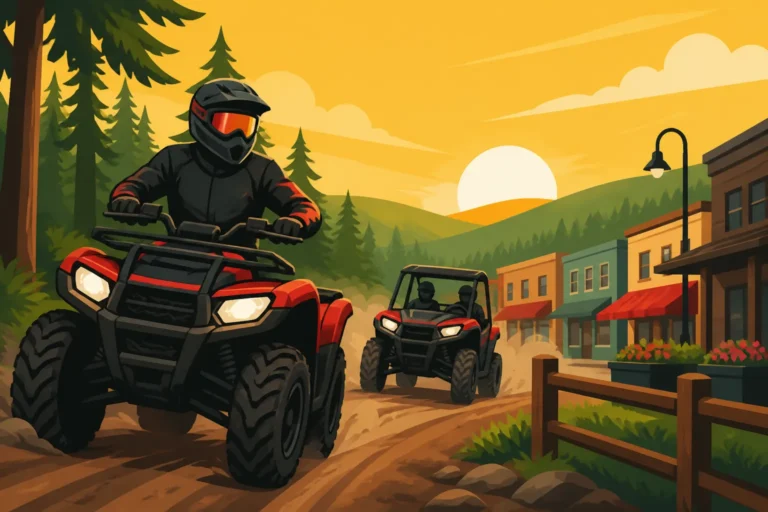
As you transition from the open gravel roads to the more populated sections of a Northwoods town, your riding approach needs to shift significantly. This isn't the time for wide-open throttles or kicking up huge rooster tails of gravel. Slow down to the posted speed limits, which are often much lower in town, sometimes as low as 15 or 25 MPH. Keep your engine noise to a minimum; aftermarket exhaust systems, while popular, can be incredibly disruptive in quiet residential areas. Be aware of pedestrians, especially children playing near homes or walking sidewalks. Make eye contact, give a friendly nod, and be ready to stop if necessary. Your machine might be loud and powerful, but demonstrating respect for the people who live and work in these towns is crucial. Riding single file and maintaining a steady, moderate pace shows you understand you're a guest in their community. It's about being a good ambassador for the sport, ensuring locals welcome you back. Good [Group Etiquette Through a Northwoods Town] benefits everyone.
Parking and Supporting Local Businesses
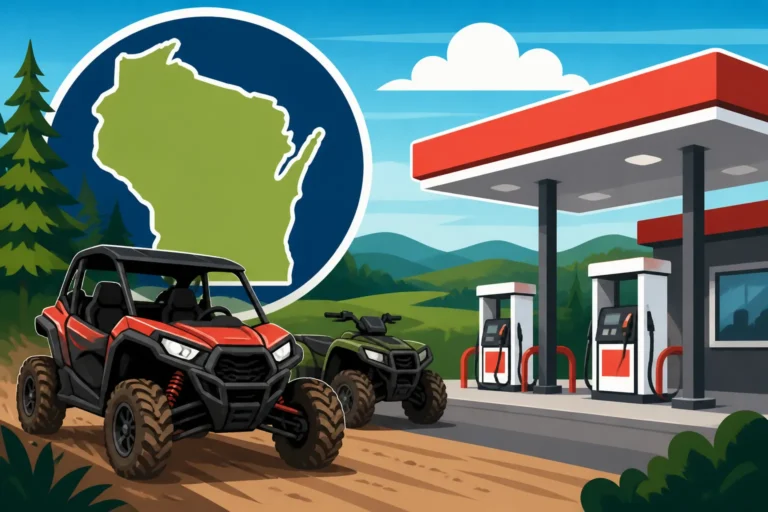
One of the big draws of riding into a Northwoods town is the chance to grab a bite, fill up on gas, or browse the local shops. When you arrive, be mindful of where you park. Look for designated ATV/UTV parking areas, if available, or choose spots that don't block traffic, access to businesses, or pedestrian walkways. Avoid parking on lawns or private property without permission. Always consider the space your machine takes up; these aren't cars, and they can sometimes feel more imposing. Once parked, take off your helmet, tidy up a bit, and step into the local businesses. These small towns often rely heavily on tourism, and your patronage directly supports the very communities that welcome riders. Buying a meal, a souvenir, or simply filling your tank at a local gas station is a tangible way to say "thank you" for the privilege of using their roads and enjoying their hospitality. Many riders look for gas stations and restaurants that are explicitly [Wisconsin Gas Stations Along the Routes] or offer easy [Parking an ATV Outside a Wisconsin Tavern].
Essential Gear and Legal Requirements
Before you even think about putting tires to gravel, you need to ensure both your machine and your paperwork are in order. Wisconsin has clear regulations that apply to ATVs and UTVs operating on public routes, and being caught without the correct documentation or equipment can quickly turn a fun day into a frustrating one, complete with citations.
Mandatory Registrations, Passes, and Safety Certificates
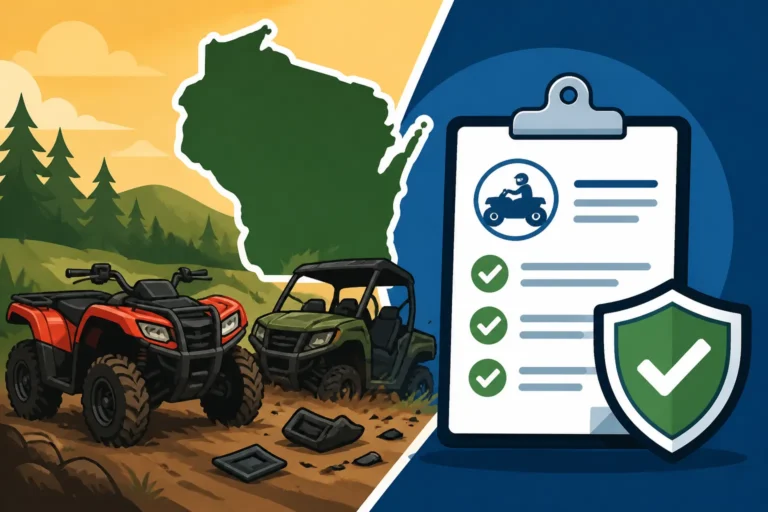
Operating an ATV or UTV on any public land, which includes designated road routes, requires a valid Wisconsin registration. For most recreational riders, this means a "public use" registration, which comes with an annual sticker. This is different from a "private use" registration, which is for machines that never leave private property. It’s a common point of confusion, but essential to get right. If you’re coming from out of state, you’ll need to ensure your machine is properly registered in Wisconsin for public use as well, or you might need a non-resident trail pass, depending on the specifics of the road route and whether it connects to a trail system. Beyond registration, don't forget the Wisconsin ATV safety certificate requirement for riders born on or after January 1, 1988. This certificate proves you've completed a state-approved safety course. Keep all your documentation – registration card, proof of safety certification (if applicable), and possibly proof of insurance (some municipalities require it) – with you while you ride. A Wisconsin warden can, and often will, ask to see these papers. Make sure you understand [Wisconsin Public Use ATV Registration] and [Wisconsin's ATV Safety Certificate Requirement] thoroughly.
Enhancing Your Ride with the Right Accessories
While some accessories are optional, many can significantly improve your safety and comfort on gravel roads. For UTVs, a quality windshield is almost a necessity to protect against dust, rocks, and bugs. Many riders opt for durable, scratch-resistant windshields, and companies like SuperATV offer a range of options, from full to half windshields, that can make your ride into town much more pleasant. Mirrors are another often-overlooked but crucial safety item. Being able to see what's behind you, especially other vehicles or fellow riders, is vital on shared roads. A functional horn is also a great idea for alerting pedestrians or other drivers to your presence. Lights, both headlights and taillights, must be in good working order, especially if there's any chance your ride extends into dusk or darkness. Ensuring your machine's exhaust system meets the 96-decibel sound limit is also key, helping you avoid noise complaints in town and stay legal. Consider what you might need for [Eye Protection on a Wisconsin Ride] and ensure your [Mufflers and Spark Arresters in Wisconsin] are compliant.
Here's a quick look at some key accessories and why they matter for gravel road riding:
| Accessory Type | Benefit on Gravel Roads | Why it's Important |
|---|---|---|
| Windshield | Reduces dust, debris, and bug impact | Improves visibility and rider comfort, especially for UTVs. |
| Side/Rearview Mirrors | Enhances situational awareness | Crucial for seeing other vehicles, riders, or hazards behind you. |
| Horn | Alerts others to your presence | A safety tool for pedestrians, cyclists, or vehicles, especially on blind corners. |
| Proper Lighting | Ensures visibility at dawn/dusk/night | Essential for seeing and being seen, required by law during certain hours. |
| Spark Arrester | Prevents fires and is legally required | Mandatory for public land use; protects forests and complies with regulations. |
| Fire Extinguisher | Provides immediate fire suppression | Good practice for any off-road vehicle, especially in dry conditions. |
| First Aid Kit | Addresses minor injuries quickly | Essential for personal safety, as help might be far on remote gravel roads. |
Planning Your Northwoods Adventure Responsibly
A well-planned trip is a safe and enjoyable trip. Taking a little extra time to prepare your machine and familiarize yourself with the area can make all the difference, especially when venturing into unfamiliar Northwoods territory.
Preparing Your Machine for the Journey
Before heading out on those gravel roads, give your ATV or UTV a thorough once-over. Check your tire pressure and condition; gravel can be notoriously hard on tires. Ensure your brakes are working effectively. Verify all your lights – headlights, taillights, and brake lights – are functional. Check your fluid levels and make sure your battery is fully charged. Loose components can vibrate free on corrugated gravel roads, so a quick check of bolts and nuts isn't a bad idea. If you're running any aftermarket parts, especially from a brand like SuperATV, ensure they are securely installed and meet all relevant safety and legal standards. A well-maintained machine is not only safer but also less likely to break down far from home, leaving you stranded on a remote gravel path into town. Think about a general pre-ride inspection, similar to what you'd do before any significant trip.
Knowing Where to Find Updated Trail and Route Information
The Northwoods landscape can change rapidly. Routes might open or close, conditions can shift after heavy rains, or local ordinances might be updated. Never rely on outdated maps or information from several seasons ago. Always check current sources before you leave home. The Wisconsin DNR website is an excellent starting point for statewide regulations and links to county-specific information. Many individual counties, like Vilas or Oneida County, and even specific towns, maintain their own websites with detailed maps and up-to-date information on ATV/UTV routes. Look for downloadable PDF maps or interactive online maps that clearly show designated routes, parking areas, and points of interest. Local ATV/UTV clubs are also fantastic resources; they often have the most current ground-level knowledge about conditions and local rules. A quick call to a town clerk or local tourism office can also provide valuable insights. The more informed you are, the smoother your journey into that charming Northwoods town will be. Knowing [Where Wisconsin Closure Notices Are Posted] and [Checking Wisconsin Trail Status Before You Drive] are vital habits for any responsible rider.
Disclaimer
This article is for general informational purposes only and does not constitute professional advice. Laws, prices and regulations vary by location and change over time. Consult a qualified professional for guidance on your specific situation.