Adding a Spouse to a Wisconsin Record
It’s a common scenario: you bought that shiny new (or new-to-you) ATV or side-by-side, eager to hit the trails, and put it solely in your name. But as time goes on, your spouse is just as invested, riding right alongside you, and you realize you both truly own this machine. This guide will walk you through the ins and outs of officially adding your spouse to your Wisconsin ATV or UTV registration record, ensuring shared legal recognition and a smoother ride down the road.
Why Put Both Names on a Wisconsin ATV or UTV Record?
You might be thinking, "What's the big deal? We're married, it's our machine." And in spirit, you're absolutely right! However, from a legal and administrative standpoint, having only one name on the Wisconsin ATV or UTV registration can lead to some unexpected headaches down the line. It's not just about who rides it; it's about who truly "owns" it in the eyes of the system.
Establishing Clear Ownership and Rights
When it comes to something as significant as a recreational vehicle, clear ownership is paramount. While Wisconsin doesn't issue traditional titles for ATVs and UTVs like it does for cars, the registration record serves as the primary official document linking the machine to its owner. If only one name is on that record, that person is the sole legal owner, even if marital assets dictate otherwise. This can become especially tricky in unforeseen circumstances.
Imagine a situation where the registered owner passes away. Without the spouse also listed on the record, the machine could become part of the estate process, potentially leading to delays, probate, and extra paperwork before the surviving spouse can fully claim or even renew the registration for the machine they've been riding for years. By having both names on the record, you simplify these future scenarios dramatically, ensuring that both parties have an undeniable claim to the machine. It clearly states, "This machine belongs to both of us," leaving little room for ambiguity. This is particularly important because [Why Wisconsin Does Not Title ATVs] means the registration is your main proof.
Streamlining Registration Renewals and Updates
Life happens, and sometimes the person whose name is solely on the registration might be unavailable or unable to handle administrative tasks. Perhaps they're deployed, traveling for an extended period, or facing health challenges. If the registration needs to be renewed or an address update is required, having only one name on the record can complicate matters. Only the registered owner, or someone with specific legal authority, can typically make changes or renewals to the registration.
With both names on the record, either spouse can usually handle these routine tasks. This flexibility can be a real blessing, especially as the March 31st registration deadline looms for public use machines. [Wisconsin Public Use Registrations Expire March 31] is a date no rider wants to miss. It means less stress and more seamless management of your beloved quad or side-by-side. It ensures that your shared passion for riding doesn't get bogged down by administrative hurdles, allowing you both to focus on planning your next adventure on the trails rather than worrying about paperwork.
Simplified Sale or Transfer in the Future
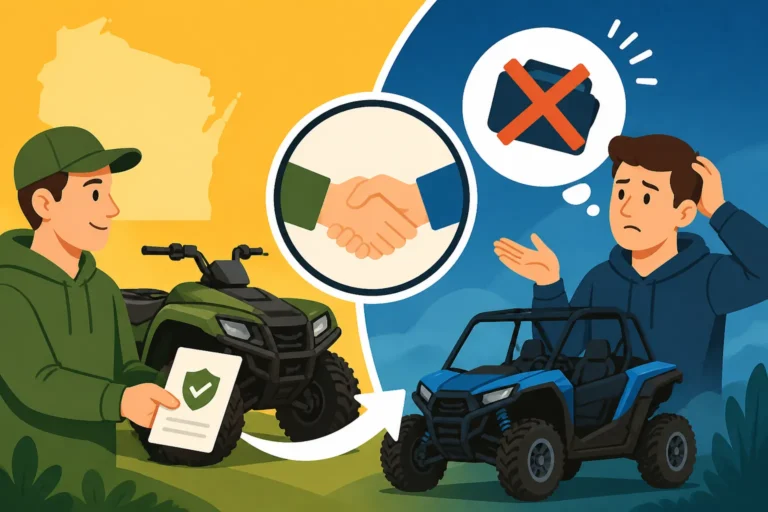
While you might not be thinking about selling your machine now, circumstances change. When the time comes to sell or [Transferring a Wisconsin Registration Within Ten Days], having both names on the registration makes the process much more straightforward. All registered owners typically need to sign off on a transfer of ownership, verifying their consent to the sale.
If only one name is on the registration and you go to sell, technically only that one person needs to sign. But what if the non-registered spouse contributed significantly to the purchase or maintenance? This could lead to internal disagreements or, in extreme cases, legal disputes. By having both names from the outset, you establish shared authority over the sale, ensuring that both parties are in agreement and that the transaction proceeds smoothly. It also provides a layer of protection for the buyer, who knows they are acquiring the machine from all legal owners. When buying a used machine, it's always good to verify ownership, and the registration card is key, even if you’re [Buying a Used ATV in Wisconsin: The Paperwork].
The Process for Adding Your Spouse to a Wisconsin ATV or UTV Record
So, you've decided to officially add your spouse to your ATV or UTV registration. Great choice! The process in Wisconsin is fairly straightforward, but it does involve a few specific steps and knowing which forms to use. Remember, because [Why Wisconsin Does Not Title ATVs], the registration record holds significant weight.
Updating an Existing Registration
If your ATV or UTV is already registered in Wisconsin under your name, and you now wish to add your spouse, you essentially need to process a transfer of ownership that includes adding a new owner. This isn't just a simple name change; it's a change in the legal ownership structure. The Wisconsin DNR manages all ATV and UTV registrations, so they are your primary point of contact.
The most common way to do this is to complete a "transfer of ownership" to yourself and your spouse jointly. This means you will effectively be selling or gifting a portion of the machine to your spouse, even if it's within the family. You'll need to fill out a new registration application. This form will allow you to list both your name and your spouse's name as owners. You'll also need the existing registration card that is currently in your sole name. This card serves as the "proof of ownership" being transferred. Be prepared to pay the modest transfer fee. It's often just a few dollars, but it signifies the official update to the state's records. For example, you might be looking at [The $5 Wisconsin Transfer Fee] at the time of your transfer.
Required Documents and Fees
When heading to a Wisconsin DNR service center or mailing in your application, you'll need a few key pieces of paperwork. Think of it as building a complete picture for the DNR of who owns the machine.
First and foremost, you'll need the original, signed registration card from the machine. This is critical. The registered owner will sign the "seller" portion of the card, and both you and your spouse will sign as "buyers" on the new application. If you don't have the original card, you might need to request a duplicate first, which can add a slight delay. You'll also need to complete the DNR's ATV/UTV registration application form, clearly indicating both names and addresses. This form usually has sections for multiple owners.
Beyond the forms, there's the administrative fee. As mentioned, Wisconsin charges a small fee for transfers, which covers the processing of the new registration. You'll also need to consider any applicable sales tax, although internal transfers within a marriage are often exempt or handled differently. It's always best to check the current guidelines directly with the Wisconsin DNR or a local [Wisconsin Registration Agents and Where They Are] to ensure you have the most up-to-date information on fees and any potential tax implications for an intra-family transfer. Remember, for new registration, you can learn more by checking out [Registering an ATV in Wisconsin].
Utilizing a Bill of Sale for Clarity
While Wisconsin doesn't title ATVs and UTVs, a bill of sale can be an incredibly useful document, even when transferring ownership within a marriage. It serves as a formal record of the transaction, even if no money is exchanged. Think of it as a detailed receipt for the transfer of ownership from one individual to two individuals.
A bill of sale should clearly identify the ATV or UTV by its Vehicle Identification Number (VIN), make, model, and year. It should state that the previously sole owner is transferring ownership to both themselves and their spouse. Even if it's a gift, stating "$0.00" as the purchase price on the bill of sale can prevent future questions about sales tax liability. This document provides a clear paper trail, which can be invaluable for your own records, for insurance purposes, or if there's ever a dispute. Online resources like LawDepot offer customizable bill of sale templates that can be easily adapted for this purpose, ensuring all necessary details are included. [What a Wisconsin ATV Bill of Sale Should Carry] is a great reference for what details to include.
Considerations for Joint Ownership of Your Machine
Once you've successfully added your spouse to the Wisconsin ATV/UTV record, you're both officially recognized as owners. This joint ownership brings with it certain implications and advantages that are worth understanding fully. It’s not just about sharing the ride; it’s about sharing the responsibility and benefits.
Shared Responsibility and Benefits
Joint ownership means you both share in the rights and responsibilities associated with the machine. On the positive side, you both have full authority to use the machine (within legal limits, of course), renew its registration, or even sell it. This can be a huge convenience, as discussed earlier. It also means if the machine is ever stolen or damaged, both names are on the record, simplifying claims and recovery processes. Looking up [Looking Up a Wisconsin ATV Registration] will now show both names.
However, shared ownership also means shared responsibility. For instance, if there are any outstanding fees or penalties related to the machine, both registered owners could potentially be held accountable. While unlikely in most marital situations, it’s a legal point to be aware of. More practically, it means you both share the responsibility for upkeep, maintenance, and ensuring the machine is stored and used safely. This shared responsibility can often strengthen your bond over the machine, as you both have a vested interest in keeping it running perfectly for those Wisconsin trail adventures.
Implications for Insurance and Accidents
When your ATV or UTV is registered in both names, it's crucial to ensure your insurance policy reflects this joint ownership. Most insurance providers prefer to list all legal owners on the policy, as it clarifies who is covered in the event of an accident, theft, or damage. Failing to list both owners could potentially complicate a claim, though many policies extend coverage to household members.
It’s always a good idea to contact your insurance provider (or look for a new one if yours isn't flexible) and update them about the change in ownership. They can advise you on how this might affect your premiums or coverage. In the unfortunate event of an accident, having both names on the registration and policy can streamline the process of filing a claim and ensuring proper compensation for repairs or medical expenses. This attention to detail can give you peace of mind, knowing that you and your spouse are fully protected when enjoying the trails. To ensure you’re adequately covered, it’s worth researching [Insuring an ATV in Wisconsin].
Future Changes and Estate Planning
Life has a way of throwing curveballs, and it’s always wise to be prepared. Joint ownership of your ATV or UTV naturally flows into broader estate planning considerations. If one spouse were to pass away, having both names on the registration usually means the machine automatically transfers to the surviving spouse without the need for probate, thanks to the principle of "joint tenancy with right of survivorship" often associated with jointly held assets. This is a significant benefit, simplifying what can be a very difficult time.
However, if you ever decide to separate, divorce, or transfer ownership to someone else entirely, both registered owners will need to agree to the terms and sign off on the necessary paperwork. This is where a clear bill of sale or other legal document, perhaps drafted with the help of LawDepot, can be invaluable. It ensures that any future transfers or changes are done with the full consent of both parties, avoiding potential disagreements down the line. It's a proactive step that protects both your interests and the future of your beloved machine. Understanding [Inheriting an ATV in Wisconsin] or [Wisconsin Estate Paperwork for a Machine] can be helpful in these circumstances.
Ensuring Your Paperwork is Airtight
Getting your spouse officially added to the Wisconsin ATV or UTV registration is a proactive step that brings peace of mind and simplifies future administrative tasks. But like any official process, paying close attention to detail is key. Ensuring your paperwork is accurate and complete prevents delays and potential headaches.
Double-Checking All Information
Before submitting any forms, take a moment to carefully review everything. This might sound obvious, but small errors are surprisingly common and can lead to your application being rejected or delayed. Check for correct spellings of names, accurate addresses, and ensure the Vehicle Identification Number (VIN) on your application precisely matches the VIN on your machine and previous registration card. A single transposed digit in the VIN can cause significant issues down the line.
Also, verify that all required signatures are present. Both the "seller" (the original sole owner) and the "buyers" (you and your spouse) need to sign the appropriate sections. Ensure you've filled out all necessary fields on the DNR application form, not just the ones directly related to the ownership change. A quick double-check can save you a trip back to the DNR office or an extended wait for your new registration card to arrive. Accuracy truly is your best friend here.
Keeping Records and Proof of Submission
Once you've submitted your application, it's vital to keep copies of everything for your own records. Make photocopies of the completed application form, the old registration card (especially the signed-over portion), and any bill of sale you created. Also, keep a record of the date you submitted the application, whether it was mailed or dropped off in person. If you mailed it, consider sending it with a tracking number so you have proof of delivery.
This personal archive of documents serves as your proof that you followed the proper procedure. If for some reason the new registration card doesn't arrive within the expected timeframe, or if there's a discrepancy in the DNR's records later, your copies will be invaluable for resolving the issue. It's like having your own personal backup, giving you peace of mind. Remember, the DNR can sometimes take a few weeks to process these changes, so patience is key, but having your own copies means you're not left in the dark. If you're wondering [Looking Up a Wisconsin ATV Registration], your copies will give you all the information you need.
What to Do If the New Card Doesn't Arrive
After submitting your application to add your spouse, you'll naturally be eager to receive your new registration card reflecting both names. The Wisconsin DNR generally processes these requests efficiently, but sometimes things can get held up. If a reasonable amount of time has passed (typically a few weeks) and your new registration card hasn't arrived, don't panic.
First, check your copies of the submitted documents. Did you include all the necessary information and correct fees? Sometimes a missing detail can cause a delay. Next, reach out to the Wisconsin DNR directly. You can usually find their contact information for ATV/UTV registration inquiries on their website or by calling their main customer service line. Have your machine's VIN and the date you submitted your application ready. They can look up the status of your request and inform you if there were any issues or if it's simply still in process. Remaining calm and having your documentation ready will make this inquiry much smoother. This new card will reflect [A Wisconsin Registration in Two Names].
Disclaimer
This article is for general informational purposes only and does not constitute professional advice. Laws, prices and regulations vary by location and change over time. Consult a qualified professional for guidance on your specific situation.