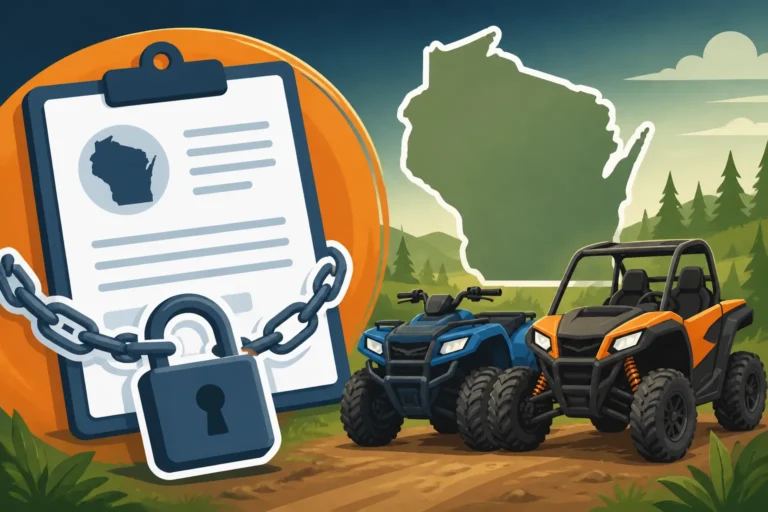
A Wisconsin Registration in Two Names
Buying an ATV or UTV with a partner, spouse, or even a trusted friend is a fantastic way to split costs and share the joy of hitting Wisconsin's incredible trails. But when it comes to the nitty-gritty of registration, many folks pause and wonder, "How exactly does that work with two names?" It's a valid question, especially since Wisconsin handles ATV ownership a bit differently than cars. This guide will walk you through everything you need to know about registering your off-road machine in more than one name, ensuring smooth sailing and clear understanding for all parties involved.
Why Registering in Two Names Matters in Wisconsin
It might seem like a small detail, but whose name appears on that little registration card can have big implications down the road. In Wisconsin, where ATVs and UTVs aren't issued traditional titles like cars, the registration serves as your primary proof of ownership. So, when you're looking at co-ownership, understanding how that reflects on the registration is absolutely crucial for protecting everyone's interests.
Clarifying Ownership for Legal Protection
When two names are on a Wisconsin ATV or UTV registration, it generally signifies joint ownership. This means that both individuals listed are considered legal owners of the machine. Why is this so important? Well, imagine a scenario where you and a buddy chip in equally for a sweet side-by-side. If only one name ends up on the registration, the law views that person as the sole owner. This can create a messy situation if there's ever a disagreement about selling the machine, dividing assets, or even determining who's responsible for its upkeep.
For instance, if the machine is ever stolen and recovered, the police will look at the registration to verify ownership. If only one name is there, the other co-owner might face an uphill battle proving their stake. Similarly, in the unfortunate event of a legal dispute, having both names clearly listed on the official record simplifies matters immensely. It's about establishing clear, undeniable proof of who owns what, which is especially critical given Wisconsin doesn't have a specific title for these machines. The registration card becomes the equivalent, so you want it to be as accurate as possible from day one.
Shared Responsibilities and Privileges
With two names on the registration comes shared responsibility – and shared fun, of course! Both parties listed are equally accountable for ensuring the machine remains properly registered, which includes paying renewal fees on time. Think about it: if the renewal notice goes to one owner and they forget, both owners are technically operating an unregistered machine, which can lead to penalties. [Penalties for an Unregistered ATV in Wisconsin] can be a real headache, so communication is key.
Beyond just registration, dual ownership impacts other areas, like insurance. When you go to [Insuring an ATV in Wisconsin], the insurance company will want to know who the owners are. Having both names on the policy ensures that both individuals have coverage and are recognized as having an insurable interest in the machine. This is vital because if one owner gets into an accident, the other owner's liability could be affected if they aren't properly listed or covered. It's a package deal: shared ownership means shared financial and legal obligations, but also shared access to the trails and the thrill of the ride. It's all about making sure everyone is on the same page regarding the machine's ongoing legal standing and upkeep.
How to Register an ATV/UTV in Wisconsin Under Multiple Names
The actual process of registering an ATV or UTV in Wisconsin is fairly straightforward, but when you introduce a second owner, there are a few extra details to keep in mind. Don't worry, it's not overly complicated, but it does require diligence from both parties to ensure all the paperwork is complete and accurate.
The Initial Registration Process
Whether you're registering a brand-new machine from a dealer or one you've purchased privately, the core steps for [Registering an ATV in Wisconsin] remain the same. The key difference for co-owners is that all required information must be provided for each individual who will be listed on the registration. This includes names, addresses, and dates of birth.
You can typically register your machine through the Wisconsin DNR website, or by visiting a certified registration agent. When using the online system, there will be sections to input information for multiple owners. If you're going through an agent, make sure both owners are present, if possible, or that one owner has all the necessary personal information and appropriate authorization (like a power of attorney, though often not required for initial registration if all documents are signed). The goal is to ensure the DNR's records accurately reflect that the machine is owned by multiple people. The DNR wants to know who exactly is responsible for that machine, so providing comprehensive details for all owners is crucial. For a full breakdown, check out [Wisconsin DNR ATV Registration Explained].
Essential Documents for Co-Owners
The bedrock of any ATV or UTV registration in Wisconsin is proof of ownership. For a brand new machine, this will be the Manufacturer's Statement of Origin (MSO) or Certificate of Origin (MCO). For a used machine, it's typically a bill of sale and the previous owner's registration card. When registering with multiple names, it's imperative that these documents reflect all intended owners.
For example, if you're buying a used machine, the bill of sale should clearly list both of your names as the buyers. A simple, well-drafted bill of sale is your best friend here. You can find templates or services like LawDepot that help you create a robust bill of sale that explicitly names both purchasers, detailing the machine, purchase price, and date. This prevents any ambiguity later on. Along with the bill of sale, both individuals will need to provide valid identification. Ensure that the names on your IDs match exactly how they are written on the bill of sale and registration application. [What a Wisconsin ATV Bill of Sale Should Carry] details what information should be included to make sure your purchase is legally sound.
Understanding "And" vs. "Or" on Registration
This is a subtle but important point that often trips people up when dealing with joint ownership of assets. In many legal contexts, how names are joined – with "and" or "or" – dictates how the property can be transferred or managed. However, with Wisconsin ATV/UTV registrations, the system typically assumes a joint tenancy for multiple owners, meaning both owners generally must agree to any major action involving the machine, such as selling it.
While the DNR registration card itself might not explicitly state "John Doe AND Jane Doe" in a way that legally differentiates it from "John Doe OR Jane Doe," the underlying assumption for ATV registrations in Wisconsin is that both listed individuals have an equal stake and would need to concur on actions like a sale. If you're worried about future disagreements or want to define specific rights for each owner, consider drawing up a separate, detailed co-ownership agreement. This formal document, perhaps drafted with the help of a legal template from a service like LawDepot, can spell out everything from who pays for maintenance to what happens if one owner wants out. This type of agreement goes beyond the basic registration and can offer a layer of protection that the registration alone might not explicitly provide.
Managing a Dual Registration Long-Term
Getting your ATV or UTV registered in two names is a great first step, but the journey doesn't end there. Just like any shared asset, a co-owned off-road machine requires ongoing communication and management to ensure everything stays compliant and equitable for both parties.
Renewing a Wisconsin Registration with Co-Owners
Ah, the annual ritual of registration renewal! In Wisconsin, nearly all ATV and UTV registrations, whether for public or private use, expire on March 31st. This is a date that [The March 31 Expiration Every Wisconsin Rider Learns] quickly. When you have a machine registered in two names, the DNR typically sends the renewal notice to the primary contact address on file. This means one person will likely receive the official reminder.
It's crucial for co-owners to establish a system for handling these renewals. Will one person be responsible for submitting the renewal online, or will you do it together? Will you split the fee, or will one person cover it? Communication is absolutely vital here to avoid the registration lapsing. You can [Renewing a Wisconsin Registration Online] easily, but ensure both parties are aware it's happening. A lapsed registration can lead to fines and restrictions on where you can ride, so it's a shared responsibility to keep it current. Treat it like any other shared bill – mark it on the calendar, send reminders, and decide on the payment plan well in advance of the deadline.
Transferring Ownership from a Dual Registration
Life happens, and sometimes, the ownership structure of your ATV or UTV needs to change. Maybe one co-owner wants to buy out the other's share, or perhaps you're selling the machine entirely. Regardless, transferring ownership from a dual registration requires the cooperation of both listed owners.
If you're selling the machine to a new party, both names on the current registration must sign the transfer section on the back of the registration card. This is non-negotiable. The buyer will need this signed card, along with a bill of sale that also lists both sellers, to register the machine in their name. Remember the [The Ten-Day Transfer Deadline in Wisconsin] for the new owner. If one of the co-owners passes away, the process becomes a bit more complex. Typically, the surviving owner will need to provide documentation such as a death certificate to the DNR to update the registration. This often falls under [Transferring a Wisconsin ATV After a Death] protocols, which involve specific legal steps to ensure rightful transfer. Having a clear understanding of these procedures ahead of time can save a lot of stress during an already difficult period.
Addressing Disputes and Liabilities
No one wants to think about disputes, especially with a shared recreational passion, but it's important to be realistic. What happens if co-owners disagree on selling the machine, or who is responsible for a major repair bill? An informal agreement, while friendly, often falls apart under pressure. This is where a more formal written co-ownership agreement, perhaps created using resources from LawDepot, can be a lifesaver. This document can explicitly outline decision-making processes, financial responsibilities, and even a buy-out clause if one party wishes to exit the arrangement.
Beyond internal disputes, consider liability. If one owner operates the ATV/UTV negligently and causes an accident, how does that impact the other co-owner? Joint ownership can sometimes mean joint liability, depending on the circumstances and how your insurance is structured. This underscores why having comprehensive [Insuring an ATV in Wisconsin] that covers both owners, and clear communication about safe riding practices, is so important. You are, in essence, sharing the legal and financial risks as well as the rewards of ownership. Protecting yourself means not just registering correctly, but also planning for contingencies.
Common Scenarios and Considerations
Beyond the initial setup and routine management, co-ownership of an ATV or UTV can bring up unique situations. Thinking through these ahead of time can help you navigate changes smoothly and maintain good relations with your co-owner.
Adding or Removing a Name from an Existing Registration
Sometimes circumstances change, and you might need to adjust who is listed on the registration. Perhaps you got married and want to [Adding a Spouse to a Wisconsin Record], or maybe a friendship dissolved, and you need to [Taking a Name Off a Wisconsin Record]. This isn't usually as simple as just "editing" the existing registration online.
To add a name, you're essentially performing a partial transfer of ownership. This typically involves completing a new registration application, providing a bill of sale (even if it's an internal transfer for $1 to denote the change in ownership percentage), and paying any applicable transfer fees. Both the existing owner(s) and the new owner(s) would need to be involved in signing the necessary paperwork. Removing a name is a similar process – it's a transfer from the original joint owners to the remaining owner(s). The removed individual would need to sign off on their relinquishment of ownership. Always contact the Wisconsin DNR or a registration agent directly to confirm the precise steps and required forms for your specific situation.
Shared Use and Legal Implications
The beauty of co-ownership is shared access to the machine. But it's also important to establish ground rules. Can either owner ride it whenever they want? What if one owner wants to lend the machine to a friend or family member? Clear communication about shared use policies can prevent misunderstandings and potential liability issues.
For example, if one owner lends the machine to someone else, and that person has an accident, the liability could extend to both registered owners. This is another area where your [Wisconsin ATV Insurance Cost] and policy details become critical. Does your policy cover other operators, and what are the stipulations? Again, a comprehensive co-ownership agreement that addresses these scenarios can provide much-needed clarity. It's about setting expectations for who can ride, when they can ride, and what responsibilities come with that privilege.
Estate Planning and Dual Ownership
It's not a pleasant topic, but it's a necessary one. What happens to the ATV or UTV if one of the co-owners passes away? Without clear instructions, the machine could become tied up in probate, causing stress and delays for the surviving owner. This is where basic estate planning can be incredibly beneficial.
If you have a will, ensure it specifies what should happen to your share of the ATV or UTV. You might stipulate that your share goes directly to the surviving co-owner. Alternatively, you could have a clause in your co-ownership agreement that dictates a buy-out or transfer in such an event. For more guidance on this sensitive topic, exploring options around [Inheriting an ATV in Wisconsin] can provide valuable insights. While the registration itself primarily identifies current ownership, proper estate planning ensures a smooth transition of that ownership during challenging times, allowing the surviving co-owner to continue enjoying the trails without unnecessary legal hurdles.
Comparing Single vs. Dual ATV Registration in Wisconsin
To help clarify the differences, here's a quick comparison of what you can expect with single versus dual registration for your ATV or UTV in Wisconsin.
| Feature | Single Owner Registration | Dual Owner Registration |
|---|---|---|
| Primary Contact | Single individual listed on all official correspondence. | One primary contact, but both owners' info is on record. |
| Proof of Ownership | Solely in one individual's name. | Jointly in both individuals' names. |
| Renewal Process | One person responsible for renewal and fees. | Both parties jointly responsible for renewal and fees. |
| Selling the Machine | Only one signature needed for transfer. | Signatures from all listed owners typically required for transfer. |
| Liability | Primarily with the registered owner and operator. | Shared liability implications for both registered owners. |
| Insurance | Policy typically covers the single owner/named operators. | Policy needs to consider and cover both registered owners. |
| Dispute Resolution | Less complex ownership disputes. | Potential for disputes; formal agreement highly recommended. |
| Estate Planning | Straightforward transfer via will/estate. | Requires clear instructions for surviving co-owner(s). |
Disclaimer
This article is for general informational purposes only and does not constitute professional advice. Laws, prices and regulations vary by location and change over time. Consult a qualified professional for guidance on your specific situation.