Frozen Lakes and Wisconsin Public Registration
Trying to enjoy the unique thrill of riding your ATV or UTV across a vast, frozen Wisconsin lake often brings up a heap of questions, especially when it comes to registration. It's a rite of passage for many in the Badger State, but the rules can feel like navigating through a blizzard without a map. This guide is here to clear the ice, explaining exactly why public registration is crucial for hitting those frozen waterways and what you need to do to stay on the right side of the law.
Understanding Public Registration in Wisconsin for ATV/UTVs
Let's be real: Wisconsin offers some incredible opportunities for ATV and UTV enthusiasts, and riding on frozen lakes is definitely one of the highlights. But before you even think about carving lines on a frozen expanse, you need to understand the fundamental concept of public registration. It's not just a suggestion; it's a requirement that protects everyone and helps maintain the trails and access points we all love.
What Public Registration Entails
When we talk about "public registration" for your ATV or UTV in Wisconsin, we're talking about the standard registration that allows you to operate your machine on public lands, designated trails, and, yes, frozen public waterways. This isn't just a piece of paper; it's a system designed by the Wisconsin Department of Natural Resources (DNR) to ensure that machines operating in public spaces meet certain criteria and that their owners contribute to the upkeep of these shared resources. Without it, you're essentially riding illegally, even if you think you're just out for a quick spin. It's the difference between freely enjoying the vast outdoor playground and constantly looking over your shoulder.
This registration is a vital part of being a responsible rider. The fees collected from public use registrations directly support the maintenance and development of Wisconsin's extensive ATV and UTV trail systems, including signage, bridge repairs, and even law enforcement patrols that keep everyone safe. So, when you get that sticker, you're not just complying with the law; you're actively contributing to the community that makes this sport so enjoyable. It’s a shared responsibility that ensures these opportunities remain open for generations to come.
Where Public Registration Applies
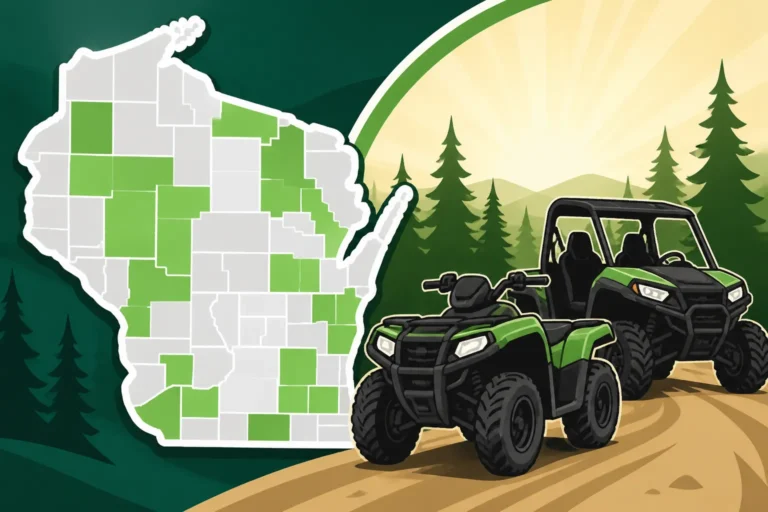
So, where exactly does this public registration come into play? Think of it this way: if you're not on your own private property, or land that you have explicit permission to ride on without registration, chances are you need public registration. This includes all of Wisconsin's designated public ATV/UTV trails, which crisscross state forests, county forests, and even national forests. It also applies to open town roads that are part of the statewide route network, and crucially, all public frozen waterways like lakes and navigable rivers. The moment your tires touch a public lake's surface, whether it's Lake Winnebago, a small Northwoods gem, or even a wide spot on the Wisconsin River, you're operating in a public domain.
It’s easy to assume that because a frozen lake "feels" like open, unregulated space, the rules might be different. But the DNR considers these bodies of water public domain, just like a state trail. This means that if you're planning a trip to a fishing shack, heading out for some ice racing (safely and legally, of course!), or just enjoying the expansive views, your machine absolutely needs a current [Wisconsin's Public Use ATV Registration]. Ignoring this could lead to a less-than-pleasant encounter with a warden, spoiling what should be a fantastic day out.
The Importance of a Current Registration
Having a current public registration isn't just about avoiding a ticket; it's about peace of mind and demonstrating your commitment to safe and legal riding. When you head out onto a frozen lake, knowing your machine is properly registered allows you to focus on the experience, the scenery, and the company, rather than worrying if you're going to get pulled over. It's also a clear signal to others that you're a responsible rider. There's a lot of respect among the riding community for those who play by the rules and contribute to the sport.
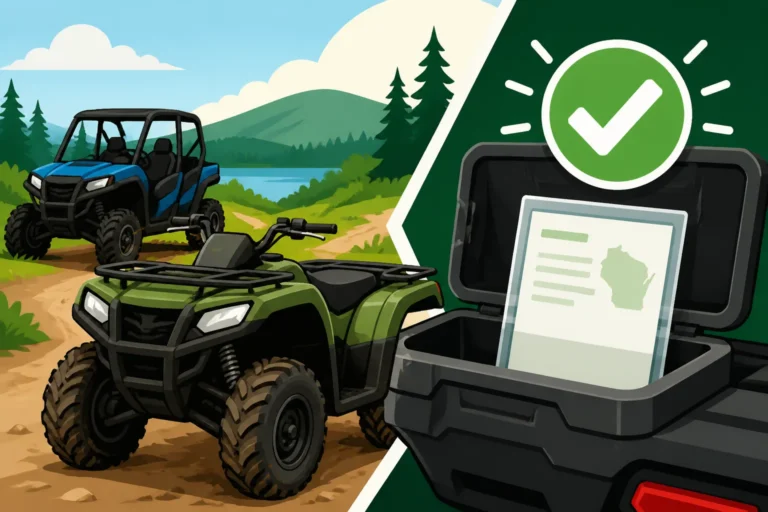
Beyond the immediate legal implications, an unregistered machine on public land can also raise questions in the event of an accident or incident. While registration doesn't guarantee insurance coverage, it's a foundational step in legal operation. It helps wardens identify ownership and track machines, which can be critical in situations like theft or if a machine is involved in an accident. The sticker on your machine, along with carrying your [Keeping the Registration Card With the Machine], shows you're prepared and legitimate. It really is a small price to pay for access to so much incredible riding.
Wisconsin's Rules for Riding on Frozen Lakes
Riding on a frozen lake is an experience unlike any other. The vast open spaces, the crisp air, and the unique challenges present a memorable adventure. However, these aren't your typical trails, and the rules, while similar to other public riding, have specific nuances you absolutely need to be aware of.
The Legal Landscape of Frozen Water
In Wisconsin, frozen lakes and navigable rivers are generally considered public waterways. This designation means that any motorized vehicle, including ATVs and UTVs, operating on their surface is subject to the same public use regulations as if you were on a designated land trail. There's no special carve-out or exemption just because the water is solid. If you require public registration to ride a groomed trail in the woods, you require it to ride across a frozen lake. This can sometimes catch riders by surprise, especially if they're used to only riding on their own property or thinking of a lake as a "free-for-all" zone.
The core principle here is access. Since these lakes are public, they are accessible to everyone, and with that access comes the responsibility to operate your machine legally and safely. This means your machine must have a valid public use registration, and the decals must be properly affixed. It's the law, plain and simple, and wardens patrol these areas just as they do land trails. The good news is that following the rules is straightforward, and the DNR provides clear guidelines on [Wisconsin Rules on Frozen Lakes] so there's no confusion.
Safety First: Beyond Registration
While proper registration is non-negotiable for riding on frozen lakes, it's just one piece of a much larger safety puzzle. The biggest concern when riding on ice is, quite obviously, the ice itself. No amount of legal paperwork can protect you if the ice is too thin or unstable. Always check local ice conditions, heed warnings, and never ride alone or venture onto unfamiliar ice without proper precautions. Carry safety gear like ice picks, a throw rope, and know how to use them. Dress in layers, tell someone where you're going, and carry a fully charged phone (and maybe a satellite messenger if you're really remote).
Additionally, the challenges of visibility on wide-open frozen expanses, especially in blowing snow or at dusk, necessitate extra caution. Other users like ice fishermen, snowmobilers, and even cross-country skiers might be present. Always maintain safe speeds, be aware of your surroundings, and respect other users. Even if your machine is perfectly registered, ignoring these fundamental safety principles can turn a fun day into a dangerous situation in a hurry. Remember, a [Wisconsin ATV Safety Certificate Requirement] is also vital for many riders, ensuring they have the knowledge to operate safely in various conditions, including on ice.
Local Ordinances and Frozen Lakes
Here's where things can get a little tricky. While the state mandates public registration for all public waterways, individual towns and counties in Wisconsin can, and often do, implement additional ordinances that apply to frozen lakes within their jurisdiction. These local rules might dictate things like hours of operation, designated access points, noise limits, or even areas that are completely off-limits to motorized vehicles for safety or environmental reasons. For instance, a small lake community might have rules about how close you can ride to shore or residences, or a specific bay might be a designated sanctuary zone.
It's absolutely essential to check with the local authorities or the DNR station nearest your riding destination before heading out onto the ice. A quick call to the local sheriff's department or town clerk's office can save you a lot of grief. These local rules are in addition to state registration requirements, not a replacement. Ignorance of the law is never an excuse, especially when it comes to local nuances that might be specific to a particular body of water. Planning ahead ensures you're not just state-compliant, but locally compliant as well.
The Process of Obtaining or Renewing Public Registration for Wisconsin Riders
So, you're ready to hit those frozen lakes, fully understanding the need for public registration. Fantastic! Now, let's walk through the actual steps of getting your machine registered or renewing that all-important sticker. It's a fairly straightforward process, but knowing the deadlines and what to expect can save you a headache.
Initial Registration Steps
If you've just purchased a new ATV or UTV, or you're registering a machine for the first time in Wisconsin, you'll need to go through the initial registration process. This typically involves submitting an application, providing proof of ownership (like a bill of sale, especially helpful if drafted with tools from LawDepot), and paying the required fees. The DNR has specific forms for this, which are usually available online or at a local registration agent. You'll need information like your machine's Vehicle Identification Number (VIN), make, model, and year.
You can register your machine either online through the Wisconsin DNR GoWild system, or in person at one of the many authorized [Wisconsin Registration Agents and Where They Are] located throughout the state. Many dealerships are also authorized agents and can handle the registration process for you right at the point of sale. Once your application is processed and fees are paid, you'll receive your registration certificate and those all-important decals. Make sure to affix them properly, usually on the front and rear of the machine, where they are clearly visible. Correct [Sticker Placement on a Wisconsin Machine] is important for quick identification by wardens.
Renewing Your Public Use Registration
Unlike a one-and-done deal, Wisconsin's public use ATV/UTV registrations expire annually. This is a crucial detail that many riders overlook until it's too late. All public use registrations expire on March 31st, regardless of when you initially registered your machine. So, if you register your quad in July, it will still expire the following March 31st, not the next July. This consistent expiration date simplifies the process for everyone but means you need to be mindful of the calendar, especially as winter gives way to spring.
The good news is that renewing is often even easier than the initial registration. The DNR sends out renewal reminders, and you can typically renew online through the GoWild system, by mail, or again, in person at a registration agent. It's usually a quick process to pay the [Wisconsin ATV Registration Fee for Public Use] and get your new decals. Don't procrastinate! Many riders get caught out on the first warm spring day, only to realize their registration expired weeks ago. For those planning a late-season ice fishing trip in March, remembering that [Wisconsin Public Use Registrations Expire March 31] is absolutely critical.
Keeping Your Records Straight
Beyond the registration itself, it's always wise to keep meticulous records related to your machine. This includes your bill of sale, any maintenance records, and, of course, your current registration certificate. Tools like LawDepot can be incredibly useful for generating official-looking documents, such as a bill of sale when you buy or sell a used machine, or even a simple agreement if you're loaning your machine to a friend. Having these records organized and accessible can be invaluable in various situations, from proving ownership to resolving potential disputes.
When you're out riding, especially on a frozen lake where conditions can be unpredictable, carrying your physical registration card with you is highly recommended. While wardens can often look up your registration by the decals, having the card proves immediate compliance. It’s also a good idea to keep a digital copy on your phone as a backup, just in case the physical card gets wet or lost. Being prepared with your documentation isn't just about legality; it's about being a responsible and savvy machine owner.
Common Misconceptions and Nuances of Ice Riding Registration
The world of ATV/UTV regulations can sometimes feel like a maze, and when you throw frozen lakes into the mix, it's easy for misconceptions to take hold. Let's tackle some of these common misunderstandings head-on to ensure you're riding with accurate information.
Private Land Access vs. Public Waterways
One of the most frequent sources of confusion for riders, especially those new to Wisconsin, is the distinction between riding on private land and riding on public waterways. If you own a large tract of land in Wisconsin and only ever ride your ATV or UTV within your own property boundaries, you generally do not need a public use registration. In this specific scenario, your machine is operating strictly in a private domain. This is often where the idea of "not needing registration" comes from.
However, the moment your machine leaves your private property and enters any public land, public trail, or public waterway – including a frozen lake – then public registration is mandatory. There's no gray area here. Many people keep their machines at a cabin that borders a lake. While they might ride on their cabin property without issue, driving that machine onto the frozen lake requires a valid public registration. It's a direct contrast to the situation described in [Registering a Machine That Never Leaves Your Land]. The lake itself is a public space, regardless of who owns the adjacent shoreline.
The "Exemption" Myth
Another persistent myth is that there are broad exemptions for ATVs or UTVs on frozen lakes. Perhaps some folks believe if they're just crossing a small section to get to an ice fishing spot, or if it's a very remote lake, the rules don't apply. This simply isn't true for recreational riders. The DNR's stance is clear: if it's a public body of water, and you're operating an ATV or UTV for recreational purposes, public registration is required. There isn't a "fishing exemption" or a "remote lake exemption."
The only machines that might have certain exemptions are those used exclusively for specific agricultural purposes, or certain types of utility work, but these are very narrow and don't generally apply to recreational use on frozen lakes. For the vast majority of riders heading out for fun or fishing, assume you need that public registration. Don't fall for anecdotes or "what my buddy said." When in doubt, always refer to official DNR guidance.
Temporary vs. Permanent Residents
Wisconsin is a popular destination for seasonal residents, vacationers, and those with second homes or deer camps. This often raises questions about registration requirements for out-of-state machines or for those who only visit for part of the year. If you are a non-resident bringing your ATV or UTV into Wisconsin to ride on public lands or frozen lakes, you generally need a Wisconsin non-resident trail pass. However, this is in addition to your machine being properly registered in your home state.
If you are a temporary resident (e.g., spending the winter at a cabin) and plan to use your machine extensively on Wisconsin's public frozen lakes, you may also consider registering it in Wisconsin for public use. It streamlines things and ensures full compliance with local expectations. The rules can be a bit intricate here, so if you're in this category, it's always best to contact the DNR directly for clarification on your specific situation. The bottom line remains: if you're on a public frozen lake, there must be some form of valid authorization for your machine to be there, whether it's Wisconsin public registration or an out-of-state registration combined with a trail pass.
Ensuring Compliance and Avoiding Penalties
Nobody wants their peaceful day on a frozen Wisconsin lake to end with a ticket. Understanding what wardens look for and the potential penalties for non-compliance can help you stay safe and legal, making your ice riding experience truly enjoyable.
What a Warden Looks For
When a Wisconsin DNR warden or local law enforcement officer encounters ATVs or UTVs on a frozen lake, they're typically looking for a few key things to ensure compliance. First and foremost, they'll be checking for valid public registration decals prominently displayed on your machine. These are usually affixed to the front and rear of your ATV or UTV. If they can't easily spot the current decals, that's often the first trigger for them to stop you.
Beyond the visible decals, a warden will almost certainly ask you for your physical registration card. It's your tangible proof that the machine is registered to you and that the information matches the decals. They'll also typically check for a valid [Wisconsin ATV Safety Certificate Requirement] if you fall into the age categories that require it (riders born on or after January 1, 1988). Finally, wardens are also observing general safe operating practices, adherence to local ordinances (like speed limits or hours), and looking for any signs of impairment. Carrying your documents and operating responsibly are the best ways to pass inspection. What a [What a Wisconsin Warden Asks a Rider For] typically includes is a clear indication of what to have ready.
Penalties for Riding Unregistered on Ice
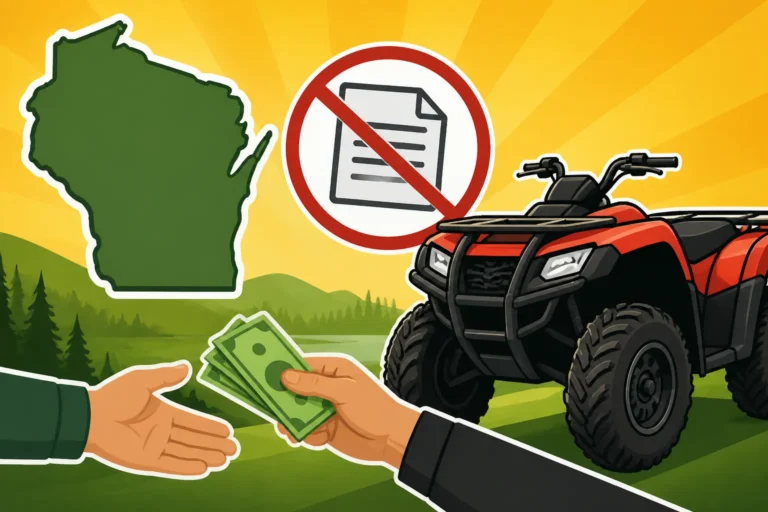
Riding an unregistered ATV or UTV on a frozen Wisconsin lake can lead to significant penalties. This isn't a minor infraction that gets a slap on the wrist. The state takes compliance with registration laws seriously, both for funding trail maintenance and for accountability in case of incidents. If you're caught operating a machine on a public frozen lake without a valid public registration, you can expect to face fines. These [Fines for Riding Wisconsin Unregistered] can quickly add up, easily costing you hundreds of dollars.
In some cases, especially for repeat offenders or in conjunction with other violations (like reckless operation or operating while impaired), an unregistered machine could even be impounded. Imagine being stuck miles out on a frozen lake, having your machine towed away, and facing a hefty bill to get it back, on top of your fines. It's a scenario that can ruin your entire season and leave a lasting dent in your wallet. It simply isn't worth the risk.
Beyond Registration: Other Legal Requirements
While registration is the focus here, it's critical to remember that it's not the only legal requirement for riding on frozen lakes. All general Wisconsin ATV/UTV laws apply. This means:
- Safety Certificates: As mentioned, if you were born on or after January 1, 1988, you must have an ATV safety certificate to operate on public lands, including frozen lakes.
- Helmets: Riders under the age of 18 are required to wear a helmet. While adults over 18 are not legally required to wear one, it is always highly recommended for safety, especially on unpredictable ice surfaces.
- Lights: If you're riding at dusk, dawn, or during periods of low visibility (like blowing snow), your machine must have working headlights and taillights.
- Mufflers and Spark Arresters: All machines must be equipped with a muffler that keeps noise levels within legal limits (96 decibels) and a spark arrester.
- Alcohol and Drugs: Operating an ATV or UTV under the influence of alcohol or drugs is strictly prohibited and carries severe penalties, similar to operating a motor vehicle.
Always make sure you're up-to-date on all these regulations. A great resource for all this information, and where you might even find forms for various documents, is a platform like LawDepot. Being fully compliant across the board ensures a safe, legal, and truly enjoyable experience out on Wisconsin's magnificent frozen lakes.
Comparing Public and Private Registration for Ice Riding
| Feature | Wisconsin Public Use Registration | Wisconsin Private Use Registration |
|---|---|---|
| Purpose | Required for riding on public lands, designated trails, and public frozen waterways (lakes, rivers). | For machines used exclusively on private property that you own, or have permission to ride on. |
| Frozen Lakes | REQUIRED. All public frozen lakes are considered public waterways. | NOT SUFFICIENT. Does not allow riding on public frozen lakes, even if adjacent to private land. |
| Decals | Standard annual decals, usually placed on front and rear. | Decals are typically for identification on private land only; often a one-time issue. |
| Expiration | Expires annually on March 31st. | Does not expire (unless machine changes hands or purpose changes). |
| Cost | Annually recurring fee (check current DNR fees). | One-time fee (check current DNR fees). |
| Safety Certificate | Required for riders born on or after Jan. 1, 1988, on public lands/waterways. | Not required for operation solely on private land. |
| Trail System Access | Grants legal access to Wisconsin's extensive public ATV/UTV trail and route systems. | No access to public trails or routes. |
| Enforcement | Actively checked by wardens on public lands, trails, and frozen lakes. | Generally not enforced by wardens unless machine is found on public land/water. |
Disclaimer
This article is for general informational purposes only and does not constitute professional advice. Laws, prices and regulations vary by location and change over time. Consult a qualified professional for guidance on your specific situation.