Wisconsin Winter Route Riding Rules
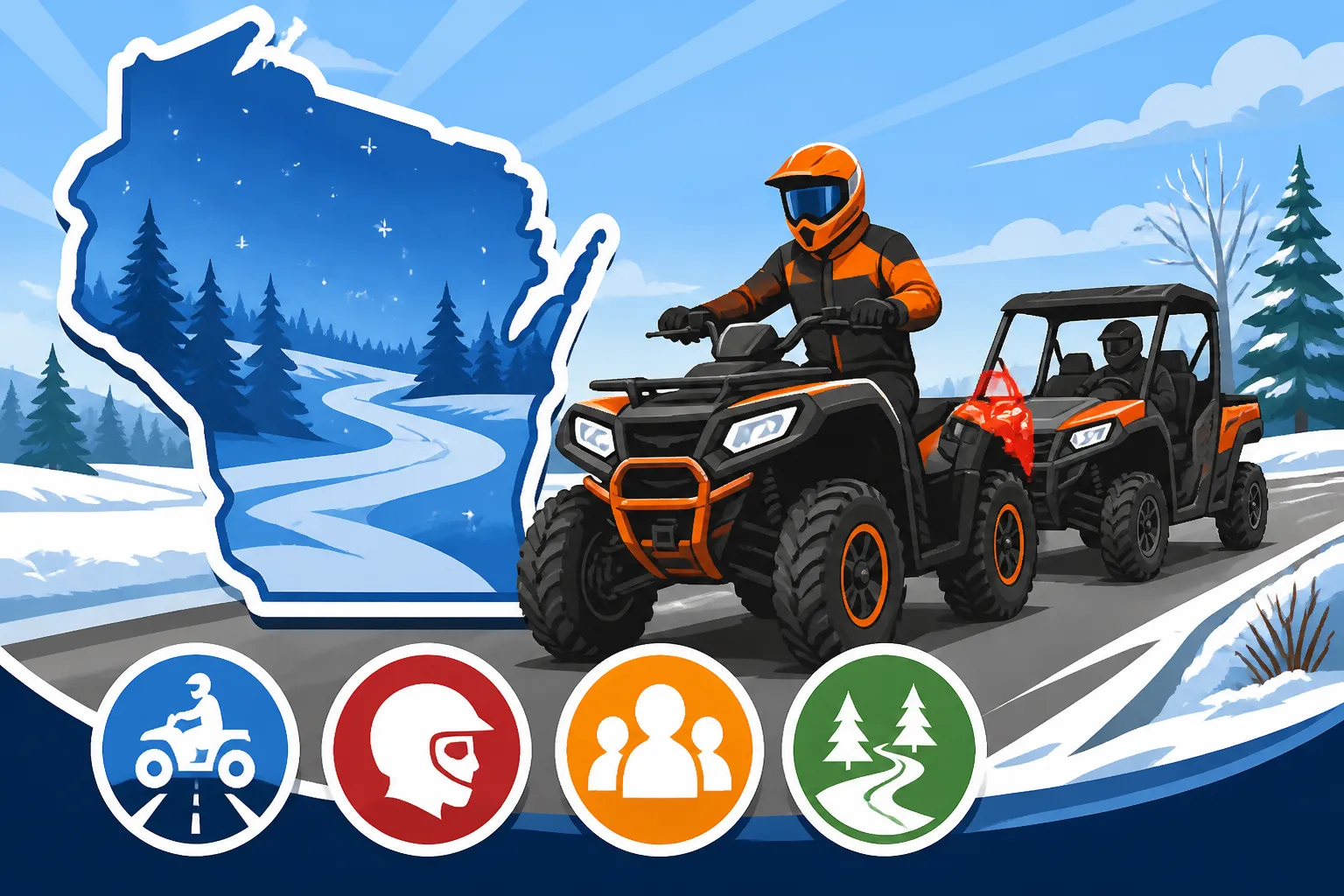
Picture this: a crisp Wisconsin winter day, fresh snow clinging to the pines, and your ATV or UTV humming, ready for an adventure. Riding the marked routes through a sleepy Northwoods town or along a county road can be an incredible experience. However, winter riding on Wisconsin’s designated road routes comes with its own unique set of challenges and regulations that can easily trip up even seasoned riders. This guide will walk you through the specific rules, safety considerations, and practical tips you need to know to enjoy Wisconsin's winter ATV and UTV routes safely and legally.
Understanding Wisconsin's Winter ATV/UTV Route Landscape
Wisconsin has done a fantastic job of opening up vast networks of trails and routes for ATV and UTV riders, but winter adds a few extra layers of complexity. While dedicated trails often have their own specific grooming and maintenance plans, road routes are different. These are typically town or county roads that local municipalities have voted to open to ATV and UTV use, often with specific hours, days, or seasonal restrictions. In winter, this means you're not just dealing with the typical rules of the route, but also with snow, ice, and the general unpredictability of a Wisconsin winter.
It's common for riders to assume that if a route is open in summer, it's automatically open in winter for snow-covered operation. Unfortunately, this isn't always the case. Some towns or counties may have specific ordinances that dictate when and how their road routes can be used during the winter months, especially if they see heavy snowmobile traffic or if road maintenance becomes a major concern. Always double-check the local municipal ordinances for the specific areas you plan to ride, as these can vary significantly from one township to the next. What's allowed in one town might lead to a citation just a few miles down the road in another.
Distinguishing Routes from Trails in Winter
The distinction between a designated ATV/UTV trail and an ATV/UTV route becomes even more critical in winter. Trails are typically off-road paths, often maintained by local clubs or the DNR, and can sometimes be shared with snowmobiles. They are designed for recreational riding, usually winding through forests and fields. Routes, on the other hand, are public roads, like town roads or county highways, that have been specifically opened for ATV/UTV use. These routes are shared with other vehicular traffic, even in winter conditions, which brings a whole different set of safety considerations.
When winter blankets the landscape, snowmobile trails are often meticulously groomed, offering a smooth ride. ATV/UTV routes, being public roads, are generally plowed just like any other road, but this can leave varying conditions, from bare asphalt to packed snow and ice. You might encounter deep slush, icy patches hiding under a dusting of fresh powder, or even sections of plowed road that are completely clear. It's a mixed bag, and your machine needs to be prepared for all of it. Remember, even if a route is snow-covered, it’s still considered a road, and all standard road route rules apply.
Municipal Ordinances and Winter Operations
The key to legal and safe winter route riding in Wisconsin often lies in local municipal ordinances. While the state provides a framework for ATV and UTV operation on routes, it's the towns and counties that make the final call on opening and closing them, and often, on setting specific conditions. Some towns might decide to close their routes entirely once a certain amount of snow falls, fearing damage to the road surface or conflicts with snowmobile traffic. Others might keep them open but impose strict speed limits or hours of operation.
It's not uncommon for riders to get caught off guard, especially when traveling through multiple jurisdictions on a longer ride. One minute you're legally cruising a town route, the next you've crossed into an area with different rules you weren't aware of. Before heading out, make it a habit to check the websites of the county and specific towns you'll be riding through. Many will post their ATV/UTV ordinances online, often under their clerk's or highway department sections. Local chambers of commerce or tourism sites can also be good resources for current route status, especially in popular riding areas. Don't rely solely on word-of-mouth or last year's information; conditions and regulations can change without much notice. You might even find yourself needing to consult [Finding a Wisconsin Town's ATV Ordinance] to confirm what’s currently allowed.
Specific Gear and Machine Requirements for Winter Route Riding
Winter riding in Wisconsin is not just about braving the cold; it's about being prepared for extreme conditions that can test both rider and machine. Unlike a leisurely summer cruise, winter demands a heightened level of preparation and often requires specialized gear, both for your personal safety and to ensure your ATV or UTV can handle the harsh environment. Skimping on preparation can lead to uncomfortable, unsafe, or even stranded situations.
Think about it: when you're out on a snowy road route, you're exposed to wind chill, potential white-out conditions, and rapidly dropping temperatures if the sun sets or weather shifts. Your machine, too, is working harder, battling slush, ice, and cold engine starts. This isn't just about throwing on an extra jacket; it's about a systematic approach to winterizing yourself and your ride.
Essential Personal Gear for Cold Weather
Staying warm and dry is paramount when riding in Wisconsin's winter. Hypothermia and frostbite are serious risks if you’re not properly dressed. Layering is your best friend. Start with a moisture-wicking base layer against your skin to pull sweat away. Next, add an insulating mid-layer, like fleece or down, to trap body heat. Your outer shell should be waterproof and windproof to protect against snow, sleet, and biting winds. This includes a heavy-duty jacket and snow pants specifically designed for cold-weather recreation.
Don't forget extremities: warm, waterproof gloves or mitts are crucial, as cold hands can quickly become painful and impair your ability to operate controls. Insulated, waterproof boots are equally important, especially if you anticipate stepping into snow or slush. A good quality helmet is a must, and for winter, consider one with a heated shield to prevent fogging, or at least a breath box and good ventilation. A balaclava or neck gaiter will protect your face and neck from the relentless wind. Eye protection is also key; clear or yellow lenses are often preferred for low-light winter conditions, and goggles can offer better protection than glasses in blowing snow. [Wisconsin Helmet Rules for Riders Under 18] outlines specific requirements for younger riders, but all riders benefit from proper head and eye protection in winter.
Machine Modifications for Winter Conditions
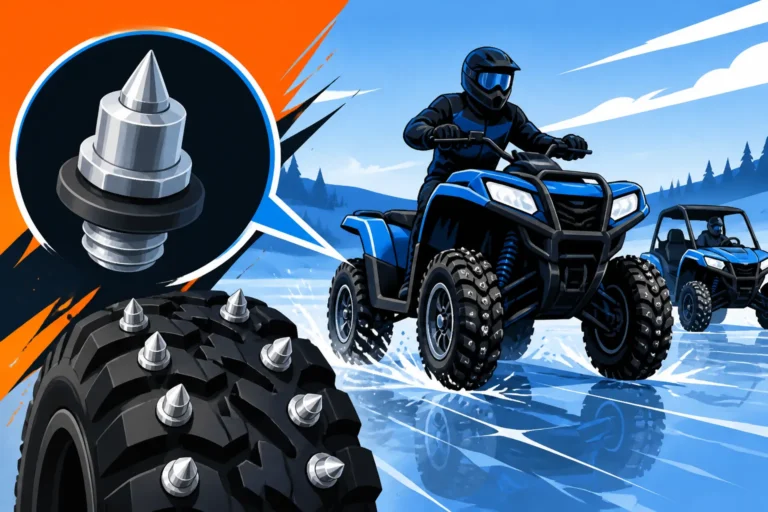
Your ATV or UTV might be a beast in summer, but winter demands different capabilities. First and foremost, good tires are critical. Aggressive tread patterns designed for snow and mud will provide better traction on slushy or packed snow routes. Some riders even opt for studded tires for enhanced grip on ice, but be aware of any local ordinances regarding studded tires on public roads. For the ultimate winter capability, track systems (like those offered by companies such as SuperATV) can transform your machine into a snow-going powerhouse, allowing you to float over deeper snow that would bog down tires. However, tracks significantly change the machine's handling and speed, so be prepared for that adjustment.
Beyond traction, consider cab enclosures for UTVs, which provide vital protection from the wind and elements, allowing for longer, more comfortable rides. Add a heater to that enclosure, and you’ll be much happier! For ATVs, hand warmers and thumb warmers are game-changers for maintaining dexterity and comfort. Adequate lighting is another non-negotiable. Shorter daylight hours and often overcast skies mean you'll be riding in low light more often. Ensure your headlights, taillights, and any auxiliary lighting are clean and fully functional, as per [Lighting Rules for Wisconsin Night Riding]. A winch can also be a lifesaver if you get stuck in a snowdrift or icy ditch, and a snow plow attachment can turn your machine into a functional tool for clearing your own drive or helping out a neighbor.
| Winter Riding Checklist | Personal Gear | Machine Prep |
|---|---|---|
| Required Protection | DOT-approved helmet (heated shield recommended), eye protection, balaclava/neck gaiter | Functional headlights, taillights, brake lights |
| Warmth & Layers | Moisture-wicking base layers, insulating mid-layers, waterproof/windproof outer shell | Hand warmers, thumb warmers (ATV), cab enclosure (UTV), heater (UTV) |
| Extremities | Waterproof, insulated gloves/mitts, insulated boots | |
| Traction | Aggressive snow/mud tires (studded optional), track systems (if appropriate) | |
| Visibility | Brightly colored outerwear | Clean lights, reflective tape, whip flag |
| Safety & Recovery | First-aid kit, communication device, emergency blanket, high-energy snacks | Winch, tow strap, small shovel, basic tool kit, fuel stabilizer, fully charged battery |
| Legal Documents | Valid registration card, safety certificate (if required), trail pass (if applicable), driver's license | Visible registration decals |
Navigating the Unique Challenges of Winter Routes
Riding Wisconsin's ATV and UTV routes in winter offers stunning scenery and a unique thrill, but it also comes with a distinct set of challenges that riders must be prepared for. These aren't just minor inconveniences; they can significantly impact your safety, your machine's performance, and your overall enjoyment. Ignoring these factors is not just risky, it's irresponsible. The serene beauty of a snow-covered landscape can quickly turn treacherous if you're caught unprepared.
From the slick surfaces that demand constant vigilance to the potential for getting lost in a whiteout, winter riding requires a different mindset and skillset than fair-weather cruising. It's about being proactive, understanding the environment, and knowing your limits, as well as the limits of your machine.
Dealing with Snow and Ice on Paved Surfaces
This is probably the biggest challenge of winter route riding. While trails might offer consistent snow, road routes are a mixed bag. You could encounter sections of dry pavement, patches of packed snow, deep slush, or treacherous black ice – sometimes all within a few hundred feet. This variability makes consistent traction a pipe dream. Your steering and braking distances will be significantly different than on dry ground, and even subtle changes in surface can throw you off.
Slow down, plain and simple. Adjust your speed to the conditions, not to the posted speed limit. Approach turns and intersections with extreme caution, anticipating potential icy spots. Avoid sudden braking or acceleration, which can easily lead to a loss of control. Remember that other vehicles on the road will also be struggling with these conditions, so maintain ample space and be highly visible. If you're riding a two-wheel drive ATV, consider engaging 4×4 mode on your UTV or ATV in questionable conditions, even if you typically only use it for extreme off-road situations. It can provide a crucial margin of safety on slippery road surfaces.
Reduced Visibility and Changing Weather Conditions
Winter in Wisconsin often means reduced visibility. Blowing snow, fog, and shorter daylight hours can make it incredibly difficult to see other vehicles, wildlife, or hazards on the road. Even clear days can quickly turn into a whiteout with an unexpected snow squall. This is where your machine’s lighting and your personal visibility gear become absolutely critical. Ensure your headlights are working perfectly, and consider adding auxiliary lights if you plan on riding often in low-light conditions. Wearing bright, contrasting colors will help other motorists spot you sooner.
Beyond visibility, Wisconsin's winter weather can change on a dime. A sunny morning can turn into a blizzard by afternoon, bringing plummeting temperatures, heavy snow, and strong winds. Always check the forecast before you leave, and be prepared for conditions to worsen. This means packing extra layers, a fully charged cell phone (though service can be spotty in the Northwoods!), and perhaps even an emergency blanket and high-energy snacks. Letting someone know your route and estimated return time is also a smart practice, especially when venturing into more remote areas.
Sharing the Road with Other Vehicles and Snowmobiles
Unlike dedicated trails, road routes are, first and foremost, roads. This means you will be sharing them with cars, trucks, and potentially even snowmobiles if they are designated as shared routes. The dynamics of sharing a snow-covered or icy road with other vehicles are vastly different than sharing a dry trail. Drivers of cars and trucks may not expect to see ATVs or UTVs, or they may underestimate your braking distance on slick surfaces.
Always ride defensively, assuming other drivers don't see you. Maintain a predictable path, use your turn signals, and give other vehicles a wide berth. If snowmobiles are also permitted on the route, be aware of their higher speeds and different operating characteristics. Some road routes in areas like Iron County or Vilas County may have dedicated snowmobile trails running parallel or crossing them, so always be mindful of signage. Patience and courtesy go a long way in preventing conflicts and ensuring everyone can enjoy the winter wonderland safely. This is where knowing [Wisconsin Road Rules Riders Get Wrong] can truly make a difference.
Staying Safe and Legal on Frozen Routes
Riding ATVs and UTVs on Wisconsin's winter routes can be an exhilarating experience, but it’s absolutely essential to prioritize safety and adhere strictly to all legal requirements. The colder temperatures, reduced visibility, and unpredictable road conditions amplify the risks, making compliance with regulations not just a suggestion, but a necessity for your well-being and the longevity of your riding privileges. A casual approach to rules in winter can have far more severe consequences than during the milder months.
Many riders, eager to hit the snow, might overlook critical details like registration expiration or local curfew ordinances. The enthusiasm is understandable, but the wardens and local law enforcement are still out there, ensuring everyone follows the rules. Ignorance of the law is rarely an acceptable excuse, especially when safety is on the line.
Adhering to Speed Limits and Alcohol Restrictions
One of the most critical aspects of safe winter route riding is controlling your speed. While a town route might have a posted speed limit of 25 or 35 mph, that limit is for ideal driving conditions. On a snow-covered or icy road, even 15 mph can be too fast. Always operate at a speed that is prudent for the conditions, giving yourself ample time to react to hazards, other vehicles, or unexpected changes in surface traction. This often means riding significantly slower than you might in summer. Remember, your machine handles differently on snow and ice, and a sudden brake or turn at speed can easily lead to a skid or rollover.
Just as critical are the alcohol restrictions. Wisconsin’s rules against operating an ATV or UTV while intoxicated are just as strict as those for cars. An OWI on an ATV carries the same serious penalties, including hefty fines, loss of driving privileges, and even jail time. [Wisconsin Alcohol Limits for ATV Operators] are clear: if you’re drinking, don’t ride. The combination of impaired judgment and challenging winter conditions is a recipe for disaster. It’s simply not worth the risk.
Proper Registration and Decal Placement
Before you even think about hitting a winter route, ensure your ATV or UTV is properly registered for public use in Wisconsin. This isn't just a formality; the fees from registration help maintain the very routes and trails you'll be riding. Public use registration often has an expiration date, [The March 31 Expiration Every Wisconsin Rider Learns] being a common one. Make sure your decals are current and correctly placed on your machine. [Sticker Placement on a Wisconsin Machine] guidelines are there for a reason – wardens need to easily identify your machine's registration status.
Riding an unregistered machine or with expired decals can lead to fines and a ruined day. In winter, with fewer riders out and about, wardens often have more time for checks. Always carry your physical registration card with you. If a warden asks for it, having it readily accessible can make the interaction smooth. This is part of [What a Wisconsin Warden Asks a Rider For]. If you've just bought a machine, be aware of the [Transferring a Wisconsin Registration Within Ten Days] rule to ensure you're riding legally.
Emergency Preparedness and Communication
Even the most experienced riders can encounter unexpected situations in winter. Getting stuck in a snowdrift, breaking down in freezing temperatures, or experiencing a minor accident are all possibilities. Being prepared for these scenarios is crucial. Always carry a small shovel, a tow strap, and a basic tool kit suitable for on-the-spot repairs. A fully charged cell phone is a must, but remember that cell service can be spotty in remote parts of northern Wisconsin. Consider carrying a satellite messenger or a two-way radio if you frequently ride in areas with poor reception, especially if you’re riding alone.
Beyond tools, think about personal survival. An emergency blanket, high-energy snacks, extra warm layers, and a headlamp or flashlight can be lifesavers if you become stranded after dark or during a severe cold snap. Riding with a partner or in a group is always recommended in winter, as there’s safety in numbers. They can help you out of a tough spot or go for help if needed. Understanding your machine's limits and knowing when to turn back if conditions worsen are critical aspects of responsible winter riding.
Disclaimer
This article is for general informational purposes only and does not constitute professional advice. Laws, prices and regulations vary by location and change over time. Consult a qualified professional for guidance on your specific situation.