Group Etiquette Through a Northwoods Town
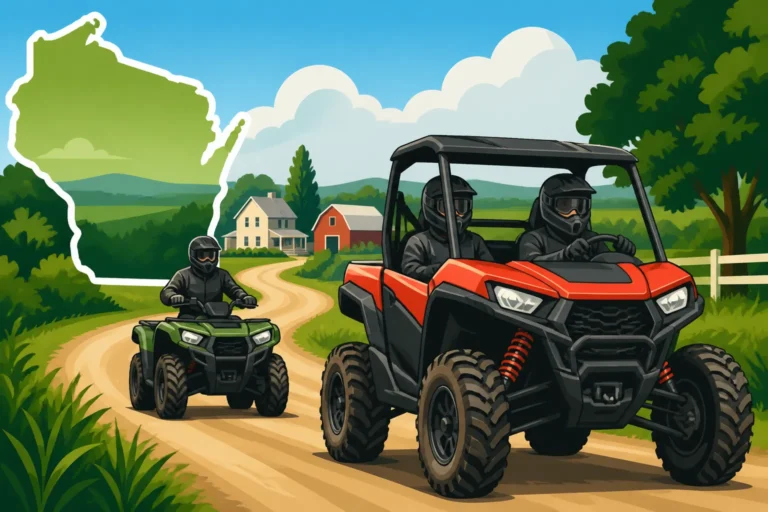
There’s nothing quite like gathering your riding buddies, firing up those ATVs and UTVs, and heading out for a day on Wisconsin’s incredible Northwoods trails. The crisp air, the towering pines, the camaraderie – it’s what draws so many of us here. But as we transition from the freedom of the forest trails to the charm of a small Northwoods town, our group dynamics need a little adjustment. Navigating these welcoming communities with a pack of machines can sometimes feel like a delicate dance, and it’s easy to inadvertently ruffle feathers if you’re not mindful. This guide is all about mastering that dance, ensuring your group leaves a positive impression, keeps everyone safe, and preserves access for all riders in these vital trail towns.
Why Group Etiquette Is Crucial in Northwoods Towns
Imagine living in a quiet town that suddenly sees dozens, if not hundreds, of ATVs and UTVs rumbling through its main street on a busy weekend. For residents, especially those not actively involved in the riding community, this can be a jarring experience. Their peaceful afternoon might be interrupted by engine noise, dust, or groups taking up more space than they should. As riders, it’s easy to get caught up in the excitement of the moment, but failing to consider the impact on the local community can have real, negative consequences for all of us.
Preserving Access for Future Generations
The relationship between riders and Northwoods towns is a symbiotic one. Riders bring tourism dollars, supporting local businesses like restaurants, gas stations, and lodging. In return, towns often open up road routes, allowing us to connect trails, access amenities, and truly make our riding trips an immersive experience. This partnership, however, is fragile. If residents and local officials feel that ATV and UTV groups are consistently disruptive or disrespectful, they might push for stricter ordinances, reduced route access, or even outright bans. We’ve all seen towns where trail access seems to shrink rather than grow, and often, it’s a direct result of poor rider behavior. By practicing good etiquette, we actively contribute to maintaining, and even expanding, these crucial connections. When town boards see riders as respectful visitors rather than noisy nuisances, they are far more likely to continue [How a Wisconsin Town Opens an ATV Route] and support our passion.
Safety for Everyone on the Road
Riding in a group introduces complexities that single riders don't always face. The sheer number of machines, the varied skill levels within a group, and the distraction of conversation can all contribute to safety hazards. When you add in local vehicle traffic, pedestrians, and children playing, the stakes get even higher. Good group etiquette isn't just about being polite; it's fundamentally about safety. It means being predictable, maintaining safe distances, and communicating clearly, all of which reduce the risk of accidents for riders, pedestrians, and other motorists alike. Many towns, especially those that cater to visitors, have [Municipal Ordinances Wisconsin Riders Must Read] which often include safety provisions specific to ATV and UTV use on their roads.
Shaping Public Perception of Riders
Let's be honest: not everyone loves ATVs and UTVs. Some people view them as loud, destructive, or dangerous. Every time a group of riders passes through a town, they are ambassadors for the entire sport. A polite, orderly group that respects speed limits, minimizes noise, and waves to locals can chip away at negative stereotypes. Conversely, a boisterous, dusty, or reckless group can reinforce those same negative perceptions, making it harder for our clubs and advocacy groups to gain support for new trails and routes. Our actions speak louder than any words, and a little consideration goes a long way in showing the broader community that we are responsible outdoor enthusiasts.
Core Principles of Respectful Group Riding
When your tires hit the pavement of a Northwoods town, it's time to shift gears from trail mode to town mode. This means a different mindset and a conscious effort to adjust your riding habits.
Mind Your Speed: Slow Down and Enjoy the View
This is arguably the most critical rule of all. Town speed limits are there for a reason, and they apply to ATVs and UTVs just as much as cars. Often, these limits are significantly lower than what you might be used to on the open trails or even county roads. Speeding through a residential area is not only illegal and dangerous but also incredibly annoying to residents. It kicks up dust, amplifies engine noise, and simply looks aggressive. Imagine a group of motorcycles roaring through your neighborhood at 45 MPH. You wouldn't appreciate it, and neither do town residents.
Even if the posted limit feels slow to you, remember that you’re in a populated area. Children might be playing near the road, cars could back out of driveways unexpectedly, and pedestrians might be crossing. By maintaining a sensible speed, well within the posted limit, you demonstrate respect for the community and provide ample time to react to unexpected hazards. Slowing down also allows you to actually see and appreciate the unique character of the [Riding Into a Wisconsin Trail Town] you're passing through, rather than just blasting past.
Keep the Noise Level Down
ATVs and UTVs, by their nature, can be loud. While many of us enjoy the rumble of a well-tuned engine, residents, especially those with homes or businesses along a route, often don't. Excessive noise is a leading cause of complaints against riders and can quickly turn public opinion against route access.
- Avoid unnecessary revving: There's no need to show off your engine in town. Keep throttle input smooth and consistent.
- Check your exhaust: Ensure your machine has a properly functioning muffler and spark arrester. Aftermarket exhaust systems designed for performance can often exceed legal noise limits, particularly when combined with aggressive riding styles. [The 96-Decibel Sound Test in Wisconsin] exists for a reason, and wardens can and do enforce it. If your machine is notoriously loud, consider investing in quieter options, or at the very least, be extra mindful in town.
- Travel in smaller sub-groups: If you have a very large group, consider breaking into smaller units (3-5 machines) when entering town. This reduces the cumulative noise impact and makes it easier for other traffic to navigate around you.
Minimize Dust and Debris
Dust is a common complaint, particularly on dry gravel roads that many towns designate as ATV routes. When a group of machines kicks up a cloud of dust, it can coat nearby homes, businesses, and even other vehicles. This isn't just an inconvenience; it can be an ongoing source of frustration for locals.
- Maintain adequate spacing: Giving each rider enough room to avoid riding directly in the dust cloud of the machine in front of them also helps reduce the overall dust plume.
- Slow down: As mentioned, speed is a huge factor in dust creation. The slower you go, the less dust you'll kick up. This is especially true when [Riding Slowly Past a Farmyard on a Route] or past residential driveways.
- Be aware of conditions: If it's a particularly dry day, your group might need to slow down even more and increase spacing to mitigate dust.
Ride Single File and Stay Right
When riding on town roads, treat your ATV or UTV like any other vehicle. This means riding on the right side of the road and, for groups, generally staying in [Single File on a Wisconsin Route]. Riding two or three abreast might feel natural on a wide trail, but it blocks traffic, looks imposing, and can be dangerous on public roads where cars, bicycles, and pedestrians might be present. Allow ample space for other vehicles to safely pass, and never hog the entire lane. If you encounter an oncoming vehicle or are being overtaken, keep to the right as much as possible.
Navigating Through Town: Specific Scenarios
Moving through a Northwoods town involves more than just riding; it's about interacting with the built environment and the people in it.
Fueling Up at the Local Gas Station
Stopping for gas is a common and necessary part of any long ride. When your group pulls into a [Wisconsin Gas Stations Along the Routes], remember that you're sharing that space with cars, trucks, and potentially other trail users.
- Park thoughtfully: Don't block pumps, entrances, or exits. Try to consolidate your machines into designated parking areas if possible, or line them up neatly out of the way. If your group is large, consider sending a few riders in first to fuel, then rotating, rather than everyone crowding the pumps at once.
- Be patient: Gas station attendants might not be used to serving a large group of ATV/UTV riders all at once. Be prepared to wait your turn politely.
- Support the business: Buy a snack, a drink, or something else from the convenience store. These businesses often rely on rider traffic, so show your appreciation.
Dining Out and Parking Responsibly
One of the great joys of riding in the Northwoods is pulling into a charming town for lunch or supper. These "trail towns" often have restaurants, taverns, and cafes that welcome riders with open arms.
- Park in designated areas: Many establishments catering to riders will have specific parking areas for ATVs and UTVs. Use them! If not, park your machines neatly together, ideally off to the side of the main parking lot or in an area where they won't impede other customers or traffic flow. [Parking an ATV Outside a Wisconsin Tavern] often requires a bit more thought than just pulling up to the front door.
- Control your volume: When entering a restaurant or tavern, be mindful of your voices. The excitement of a ride can carry over, but indoor spaces have different acoustics.
- Leave no trace: Pack out any trash, even if it's just a straw wrapper. Leave the area as clean or cleaner than you found it.
Crossing Intersections and Yielding to Others
Intersections, especially those with blind spots or heavy cross-traffic, demand extra vigilance.
- Communicate within your group: Use hand signals or helmet comms to alert riders behind you to upcoming turns, stops, or hazards.
- Yield to pedestrians: Always give pedestrians the right-of-way, even if you technically have it. A friendly nod and a wave go a long way.
- Watch for other vehicles: Assume cars don't see you. Make eye contact with drivers when possible, especially before proceeding through an intersection.
- Avoid blocking intersections: If your group is large and traffic is heavy, avoid proceeding into an intersection if you can't clear it entirely. You don't want to be halfway across when the light changes or block cross-traffic.
Interacting with Residents and Other Visitors
Beyond specific riding behaviors, your general demeanor is critical.
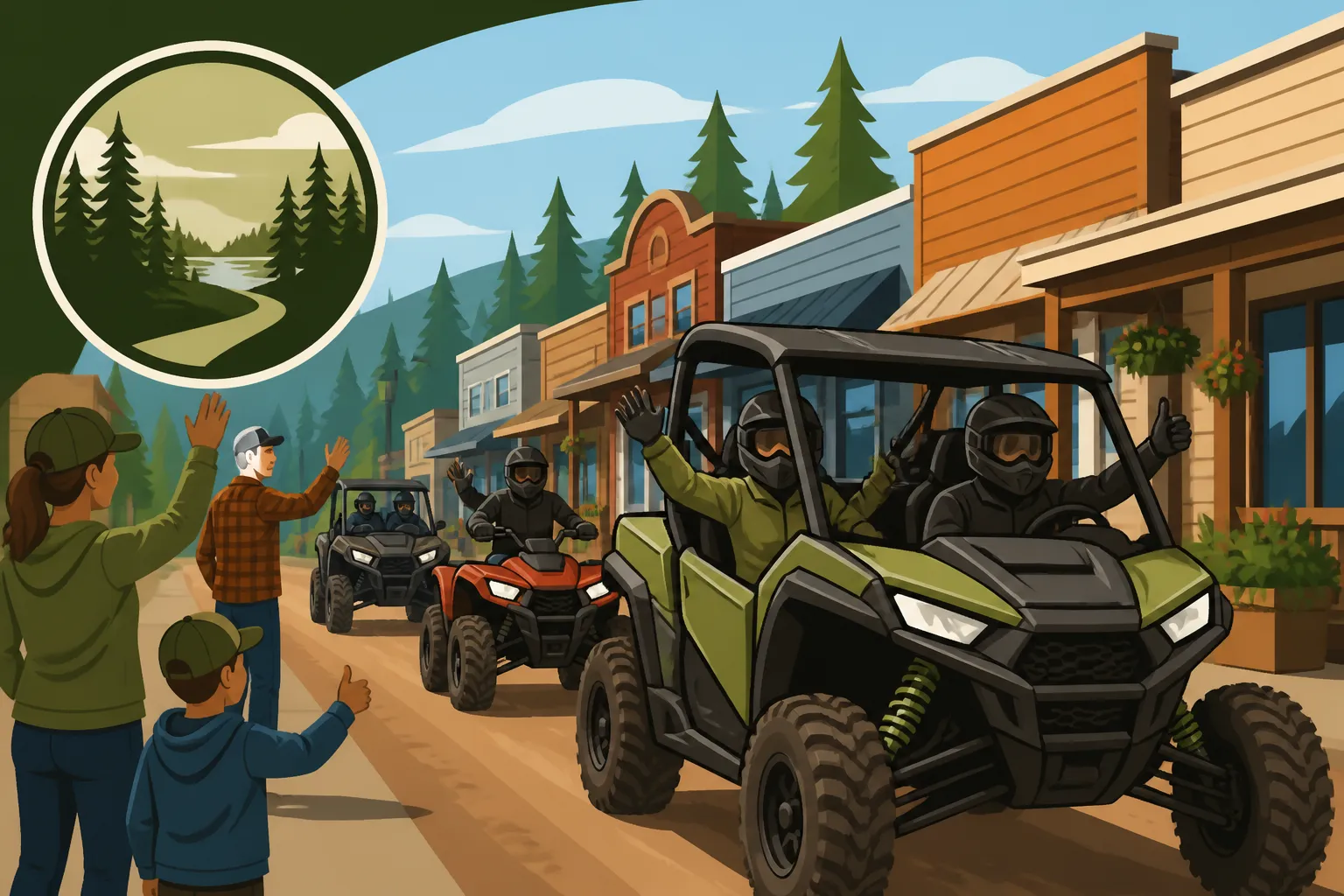
- Wave and smile: A simple wave or nod to a pedestrian, homeowner, or shopkeeper can make a world of difference. It acknowledges their presence and shows you're a friendly visitor.
- Be polite if questioned: If a resident approaches you with a concern (e.g., about noise or dust), listen respectfully. Acknowledge their point of view, apologize if appropriate, and assure them you'll be more mindful. Becoming defensive only escalates the situation.
- Mind your language: Especially around families or children, keep language clean and appropriate. The Northwoods are family-friendly destinations.
Setting Up Your Group for Success
Good etiquette doesn't just happen by chance; it's a result of planning and communication within your group.
Pre-Ride Briefings and Expectations
Before you even hit the trails, and certainly before you enter a town, have a quick group huddle. This is your chance to set expectations.
- Designate a leader and a sweep: The leader sets the pace and navigates, while the sweep ensures no one gets left behind.
- Review town rules: Briefly remind everyone of the importance of slowing down, staying single file, and being quiet in town. Talk about [Group Etiquette Through a Northwoods Town] as a shared responsibility.
- Discuss communication: How will you signal stops, turns, or hazards? If using helmet communicators, ensure everyone understands how they work.
- Plan your stops: Know where you intend to fuel up, eat, or take breaks. This reduces confusion and minimizes idling time in residential areas. Many riders find that quality accessories like those from SuperATV can enhance safety and communication within a group, making these briefings more effective on the trail.
Communication on the Go
Clear communication during the ride, particularly when approaching or moving through a town, is vital.
- Hand signals: Standardized hand signals (e.g., slowing down, turning, hazard ahead) should be understood by all.
- Helmet communicators: If your group uses comms, make sure they're charged and working. These are invaluable for relaying information efficiently without having to shout or stop.
- Line of sight: The lead rider should periodically check their mirrors to ensure the group is still together. The sweep rider should alert the leader if someone falls behind.
Responsible Group Leadership
A good group leader doesn't just know the route; they understand the dynamics of group riding and the importance of being a good ambassador.
- Lead by example: The leader should be the first to slow down in town, yield to pedestrians, and offer a friendly wave. Their actions set the tone for the entire group.
- Enforce etiquette: If a rider in your group is consistently speeding, being excessively loud, or riding irresponsibly, the leader needs to gently but firmly address it. It's not about being a killjoy; it's about protecting access for everyone. Remember, one person's bad behavior can reflect poorly on the entire group and the wider riding community.
- Manage group size: For very large groups, consider breaking into smaller, more manageable units when traveling through populated areas. This helps reduce congestion, noise, and overall impact. If you've invested in a quality side-by-side with aftermarket modifications from SuperATV, you likely appreciate the performance benefits, but always remember to modulate that performance to match the environment, especially in town.
A Quick Etiquette Checklist for Your Group
To make it easy, here’s a quick rundown of dos and don’ts for your next Northwoods town passage.
| Do's | Don'ts |
|---|---|
| Adhere strictly to posted speed limits | Speed or accelerate rapidly in town |
| Ride single file | Ride two or more abreast |
| Maintain adequate spacing for dust | Tailgate or ride in someone's dust cloud |
| Keep engine noise to a minimum | Rev engines unnecessarily or use loud aftermarket exhausts |
| Wave and acknowledge locals | Ignore or glare at residents |
| Park thoughtfully at businesses | Block entrances, exits, or pumps |
| Clean up any trash | Leave trash behind at stops |
| Yield to pedestrians | Assume right-of-way over walkers |
| Communicate clearly with your group | Let riders get lost or confused |
| Be an ambassador for the sport | Reinforce negative stereotypes |
Remember, the goal is for everyone to have a great time while ensuring that our access to these wonderful Northwoods towns remains open and welcoming. A little thoughtfulness, especially when riding with a group, can make all the difference. Enjoy the trails, and ride respectfully! Consider adding some useful accessories from SuperATV to your machine to improve communication or storage, making your group rides even smoother and more organized.
Disclaimer
This article is for general informational purposes only and does not constitute professional advice. Laws, prices and regulations vary by location and change over time. Consult a qualified professional for guidance on your specific situation.