After a Crash on a Wisconsin Route
Experiencing a crash on your ATV or UTV while riding on a Wisconsin route can be an incredibly jarring and confusing experience. One moment you're enjoying the open air and the next, everything changes. This guide will walk you through the essential steps to take after an incident on a Wisconsin route, helping you navigate the immediate aftermath, understand your reporting responsibilities, and handle the insurance and repair processes.
The Immediate Aftermath: Prioritizing Safety and Assessment
When a crash happens, especially on a public road or designated ATV/UTV route, your first priority is always safety. Panic is a natural reaction, but taking a few deep breaths and focusing on these critical steps can make all the difference for everyone involved.
Securing the Scene and Checking for Injuries
Your safety, and the safety of anyone else involved, comes before anything else. Even if you feel okay at first, adrenaline can mask pain, so a thorough check is crucial.
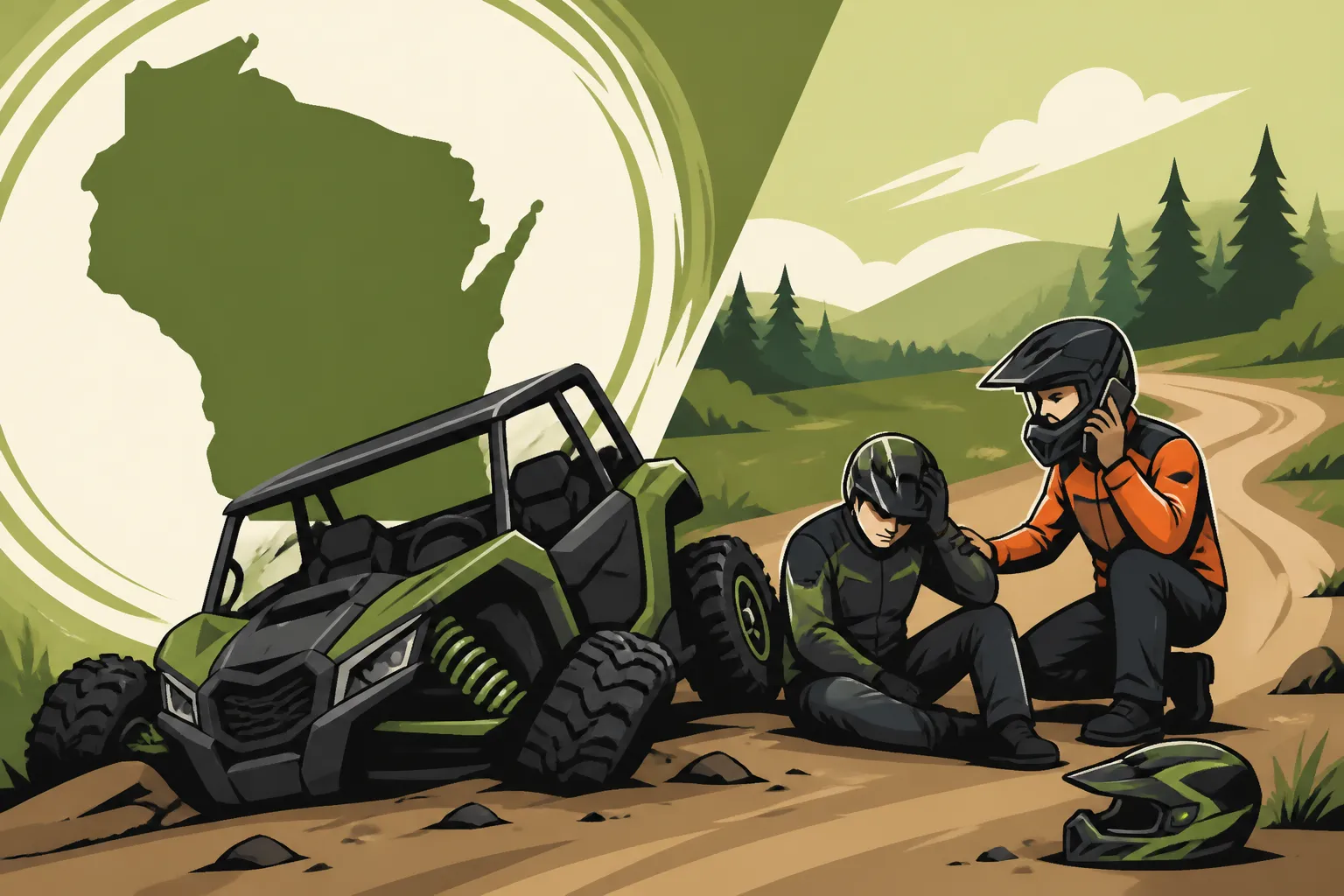
First, assess yourself and any passengers for injuries. Are you bleeding? Do you have any pain? Can you move all your limbs? Ask passengers the same questions. If anyone is clearly injured or unconscious, do not move them unless they are in immediate danger, such as being in the path of oncoming traffic or if the machine is on fire. Next, secure the scene as best you can. If your machine is blocking traffic on a town road or a busy route, and it's safe to do so, try to move it to the side. Turn off your machine to prevent any further damage or fire risk. If you have any emergency triangles, flares, or reflective vests, deploy them to warn other motorists or riders. Remember, these routes can be shared with cars, trucks, and even farm equipment, so visibility is key. Even if you think the crash is minor, or you just bumped into a tree on a county forest road open to ATVs, take a moment to evaluate. Sometimes seemingly minor impacts can hide more serious issues with your machine or even delayed physical symptoms.
Notifying Authorities and Seeking Medical Help
Once immediate safety checks are done, the next step is to call for help. For any injuries, no matter how minor they seem at the moment, or if there's significant property damage, dial 911 immediately.
This call will dispatch local law enforcement (sheriff's deputies, city police), paramedics, and potentially the Wisconsin DNR wardens if the incident occurred on a state-designated trail or route. Be prepared to provide your exact location, the nature of the emergency, and if anyone is injured. Even if you're in a remote area in the [Chequamegon-Nicolet National Forest Trails] or [Black River State Forest ATV Riding], give the most precise location you can, referencing mile markers, road names, or nearby landmarks. For minor incidents where no one is hurt and damage is minimal, you might still want to contact local law enforcement to report it, especially if it involved another party. This creates an official record, which can be invaluable later. Even a bump with a deer or hitting a fence post on a town road requires an incident report for insurance purposes. Don't try to tough it out or just shake hands with the other party. A paper trail is essential.
Navigating the Legal and Reporting Requirements
Wisconsin has specific rules for reporting accidents involving ATVs and UTVs, particularly when they occur on public routes. Understanding these requirements can save you a lot of headache down the line.
When a Crash Report is Required
Wisconsin law mandates that an ATV or UTV crash be reported if it results in injury to a person, or if there is property damage totaling a certain amount. While the exact dollar figure can change, the general rule is that if you or someone else needed medical attention beyond basic first aid, or if there's substantial damage to either machine or property (like a damaged fence, sign, or vehicle), you're legally obligated to report it to the Wisconsin DNR. This is different from a typical car accident, where specific dollar amounts for property damage always trigger a police report. For ATVs, the emphasis is heavily on injury or significant damage. Even if no law enforcement shows up at the scene, you may still need to file a formal report with the DNR. They have specific forms for [Wisconsin ATV Crash Reporting] that you can find on their website. Failing to report a required incident can lead to penalties and could complicate any insurance claims.
Cooperating with Law Enforcement and Wardens
When law enforcement, whether it's a local sheriff or a Wisconsin DNR warden, arrives at the scene, it's crucial to cooperate fully and honestly.
They will conduct an investigation, which may include taking statements, drawing diagrams, and collecting evidence. Answer their questions clearly and factually. Avoid speculating or admitting fault; simply stick to what you know happened. If you're unsure about an answer, it's okay to say so. They'll want to see your identification, registration card, and any safety certificates, especially if you're a younger rider or fall under the [The January 1988 Birthdate Rule]. They may ask you about [Wisconsin Alcohol Limits for ATV Operators] and your condition, so be prepared for those inquiries. Remember, their job is to determine the facts of the incident and ensure compliance with state laws and local ordinances, especially if you were on a municipal [Wisconsin Road Rules Riders Get Wrong]. They might also check your machine for things like proper lighting, mufflers, and spark arresters, which could become additional issues if not in compliance. If you're asked for something you don't have, like an expired registration, be honest but do not volunteer information beyond what is asked. It's often helpful to provide them with the contact information for any witnesses you may have gathered as well.
Documenting the Scene for Your Records
After a crash, your memory can be hazy, and details can easily be forgotten. Comprehensive documentation is your best friend when dealing with insurance companies and potential legal matters.
Take as many photos and videos as possible from various angles. Capture the position of the machines, any damage to your ATV/UTV, other vehicles or property involved, tire marks, road conditions, signage, and any contributing factors like debris, potholes, or obstructions. Get wide shots of the overall scene and close-ups of specific damages. Document the weather conditions, time of day, and location. Write down the names, contact information, and insurance details of all parties involved, including passengers and witnesses. This includes the contact information for any responding law enforcement officers or wardens. Sketch a simple diagram of the crash, showing the direction of travel and impact points. Note any details about your machine, such as the VIN, registration number, and any aftermarket accessories that might be damaged. Keep all this information organized in one place. This detailed record will be invaluable when filing insurance claims or if any disputes arise.
Here's a quick checklist of what to document:
| Item | Details to Capture |
|---|---|
| Photos/Videos | Damage to all vehicles/property, scene overview, road conditions, signage, debris |
| Date & Time | Exact date and time of the incident |
| Location | Street address, nearest intersection, mile marker, GPS coordinates |
| Weather Conditions | Sunny, rainy, snowy, icy, foggy, clear |
| Other Parties | Name, address, phone, email, insurance company & policy number, driver's license number |
| Witnesses | Name, address, phone, email |
| Law Enforcement | Officer name, badge number, department, incident report number |
| Vehicle Info | VIN, make, model, year, license/registration number for all vehicles involved |
| Injuries | Description of injuries for all persons, even minor ones |
| Machine Condition | Any pre-existing damage, tire condition, modifications |
Dealing with Insurance and Financial Implications
A crash, even a minor one, almost always comes with financial implications. Knowing what your ATV/UTV insurance covers and how to file a claim is crucial.
Understanding Your ATV/UTV Insurance Coverage
Unlike cars, insurance for ATVs and UTVs isn't always mandatory in Wisconsin, though it's highly recommended and some [Municipal Ordinances That Require Insurance] exist. However, if you financed your machine, your lender likely required comprehensive and collision coverage. Your policy typically has several components:
- Liability Coverage: This is key. If you're at fault in an accident, liability coverage helps pay for the other person's bodily injuries and property damage. Without it, you could be personally responsible for significant costs, especially if you cause a severe accident on a busy [Wisconsin Town Road].
- Collision Coverage: This covers damage to your own ATV or UTV if it collides with another vehicle or object, regardless of who is at fault. This is essential for repairing or replacing your machine.
- Comprehensive Coverage: This covers damage to your machine from non-collision events, such as theft, vandalism, fire, or hitting an animal.
- Uninsured/Underinsured Motorist Coverage: This protects you if you're hit by another rider who doesn't have insurance or doesn't have enough to cover your damages.
It's vital to review your specific policy to understand your deductibles and coverage limits. Some riders mistakenly believe their homeowners' policy will cover their ATV, but often, this coverage is limited or non-existent, especially when riding off your own property. It's best to have a dedicated [Insuring an ATV in Wisconsin] policy.
Filing a Claim and What to Expect
Once you've ensured everyone's safety and reported the incident to the authorities, contact your insurance company as soon as possible to file a claim.
Provide them with all the documentation you gathered at the scene, including photos, witness statements, and the police report number. Your insurer will assign an adjuster to your case. The adjuster will investigate the crash, review the damages, and determine coverage. They may want to inspect your machine to assess the extent of the damage. Be patient through this process, as it can take some time. They will work with repair shops to get estimates for the repairs. If your machine is deemed a total loss (meaning the cost of repair exceeds a certain percentage of its value), the insurer will pay you the actual cash value of the machine, minus your deductible. If you're unsure about the process or feel like your claim isn't being handled fairly, you have the right to ask questions and advocate for yourself. Remember, the goal here is to get your machine repaired or replaced so you can get back to riding the [Bayfield County's Northwoods Trails] or enjoying a trip to [Eagle River and Conover Trail Access].
Property Damage and Liability Concerns
If your crash involved damage to property that isn't your own, like a municipal sign, a farmer's fence along a route, or another vehicle, your liability coverage will come into play.
Your insurance company will work to assess the damage and negotiate with the property owner or their insurance company. This is why it's so important to have adequate liability coverage. Without it, you could be on the hook for potentially thousands of dollars in repairs or replacement costs. If another party was at fault, their liability insurance should cover the damage to your machine and any injuries you sustained. This is where your detailed documentation of the scene becomes crucial, as it provides evidence to support your claim against the at-fault party. Understanding [Who Pays After a Wisconsin ATV Collision] can be complex, involving multiple insurance companies and potentially even attorneys, especially if injuries are significant.
What Happens Next: Recovery and Resolution
After the initial shock and paperwork, the focus shifts to getting your machine back in shape and resolving any lingering issues from the crash.
Retrieving Your Machine and Repairs
If your machine is not rideable after a crash, you'll need to arrange for it to be towed from the scene to a repair shop or your home. Your insurance policy may cover towing costs, so check your coverage.
Once at the shop, a qualified mechanic will assess the damage and provide an estimate. For major repairs, consider a shop that specializes in ATVs and UTVs. They'll have the expertise and the right parts. If your frame is bent or major components are damaged, it might be a significant undertaking. For instance, you might need entirely new suspension components, a new roll cage for a side-by-side, or even engine work depending on the impact. If you need replacement parts or even decide to upgrade some components after the repair, companies like SuperATV offer a wide range of options, from suspension lifts to stronger axles and protective gear, which can sometimes be a good opportunity to enhance your machine's durability or performance after a repair. Always ensure repairs are done by reputable professionals to maintain the safety and integrity of your machine, especially if you plan on taking it on demanding routes in [Marinette County Year-Round Riding]. If the machine is totaled, you'll need to work with your insurance company on its disposition and receiving your settlement.
Potential Fines and Riding Privilege Impacts
Beyond the immediate costs of repairs and insurance deductibles, there could be other consequences depending on the circumstances of the crash.
If the investigation reveals that you were operating your machine illegally or negligently, you could face fines. This might include citations for things like [Wisconsin Penalties for Reckless Riding], operating under the influence ([Wisconsin Alcohol Limits for ATV Operators]), or violating specific [Wisconsin Road Route Rules Riders Get Wrong] in the area where the crash occurred. In more severe cases, especially those involving serious injury or fatality, criminal charges could be brought. Repeated offenses or very serious incidents can even lead to your [Losing Wisconsin Riding Privileges] for a period. For younger riders, especially those still subject to [Wisconsin's Rule for Riders Aged 12 to 15], a crash could result in mandatory re-certification or loss of their ability to ride on public trails. Always be aware of the rules, from basic [Wisconsin Helmet Rules for Riders Under 18] to local speed limits, to avoid these severe penalties.
Disclaimer
This article is for general informational purposes only and does not constitute professional advice. Laws, prices and regulations vary by location and change over time. Consult a qualified professional for guidance on your specific situation.