Proving Insurance to a Wisconsin Warden
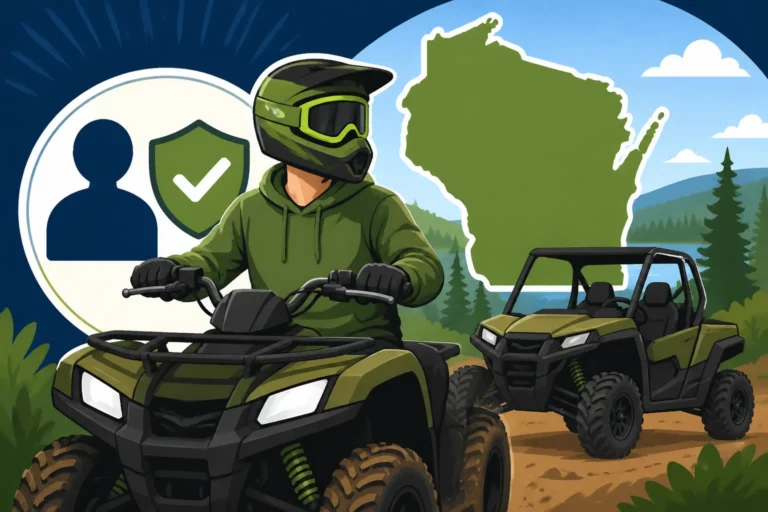
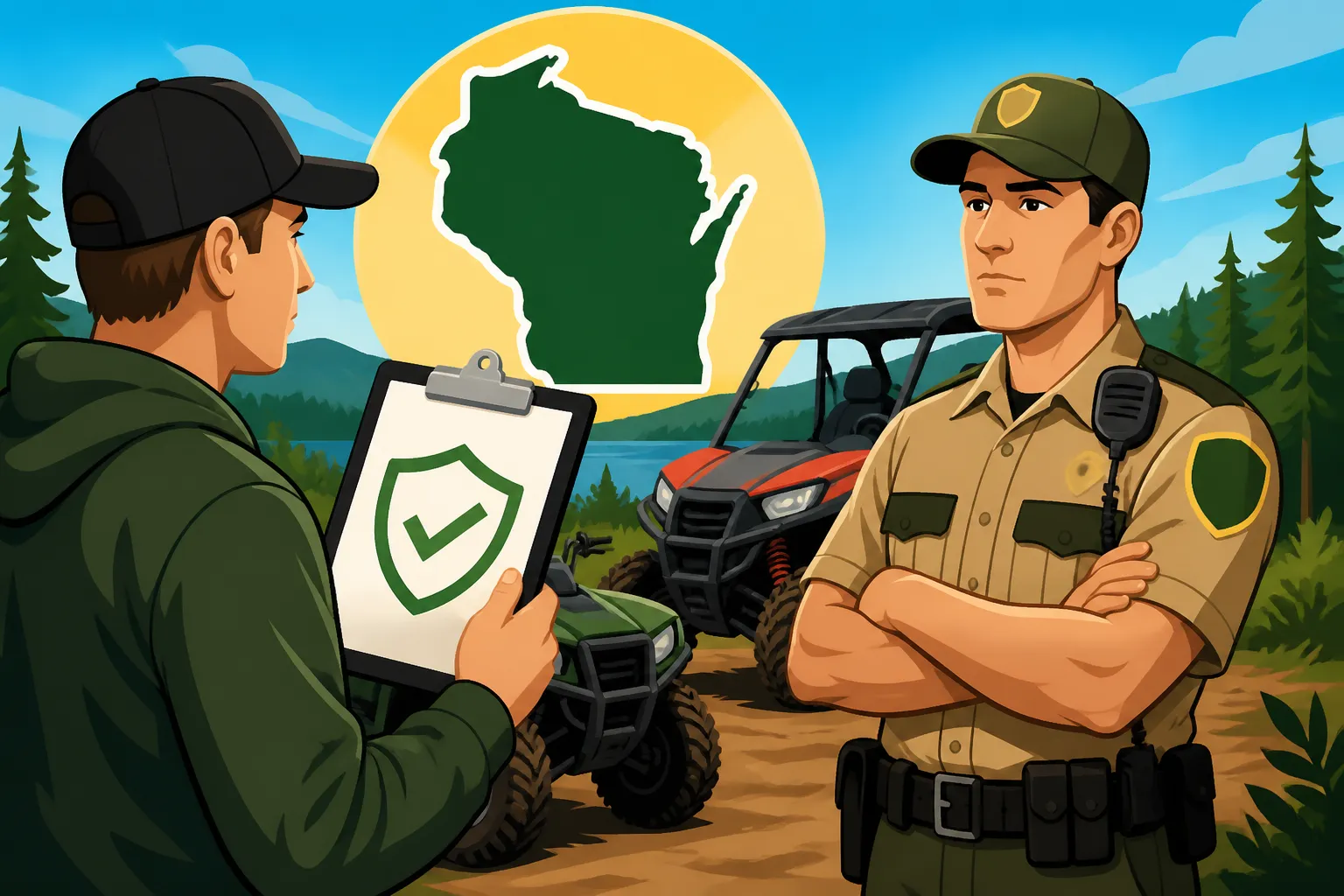
Riding your ATV or UTV in Wisconsin is an incredible experience, but it also comes with responsibilities, and one of the most stressful moments can be when a warden pulls you over and asks for proof of insurance. It's a common concern for riders: what exactly do they want to see, and how do you keep that vital information safe and accessible out on the trails or routes? This guide will walk you through precisely what counts as proof, the best ways to carry it, and why it's so important for your peace of mind and your wallet.
The Requirement for ATV/UTV Insurance in Wisconsin
It's a common misconception that ATV and UTV insurance is always mandated statewide in Wisconsin, similar to how car insurance is for road vehicles. The truth is a little more nuanced, and it often catches riders off guard, leading to frustrating encounters. Most of the time, the requirement for ATV/UTV insurance comes down to specific municipal ordinances, rather than a broad state mandate for all riding. Understanding this distinction is the first step to staying compliant and avoiding an unexpected citation.
When Local Ordinances Step In
While the state doesn't typically demand insurance for all ATV/UTV operation on public trails, many towns and counties that open up their roads for ATV/UTV use do. These are often referred to as "road routes" or "municipal routes," and when you're cruising down a town road that's been designated for ATV/UTV traffic, you're usually stepping into a jurisdiction where insurance is a must-have. Think of it like this: the state might say "you can ride here," but the local community adds, "and when you do, we require you to have insurance for everyone's safety." It's these local rules that often trip up riders who are just passing through or enjoying a weekend getaway, unaware of the specific requirements of that particular town or county. You'll often find these requirements mentioned in the local ordinance that establishes the route itself.
These municipal insurance requirements aren't just arbitrary rules; they're put in place to protect both the rider and the community. When you're operating a motorized vehicle on public roads, even if it's an ATV or UTV, the potential for accidents involving other vehicles, pedestrians, or property increases. Having insurance ensures that if something goes wrong, there's a financial safety net in place to cover damages or injuries. This makes a huge difference to local authorities who want to promote safe riding while also protecting their citizens and infrastructure. It's wise to check the specific ordinances of any town you plan to ride through on a designated route, as [Municipal Ordinances That Require Insurance] vary significantly from one locale to the next.
The "Why" Behind Insurance Requirements
Beyond the local ordinances, there’s a fundamental reason why insurance is a good idea for any ATV or UTV owner in Wisconsin, regardless of strict legal mandates. These machines are powerful, and while incredibly fun, they also carry inherent risks. Accidents happen, sometimes involving other riders, sometimes property damage, and sometimes injuries to yourself or passengers. Without insurance, you're personally on the hook for all the costs associated with such incidents, which can quickly spiral into tens of thousands of dollars, or even more, in medical bills or repair expenses.
From a community standpoint, insurance helps maintain the viability of these road routes and trail systems. If accidents consistently result in uninsured losses, it creates a burden on individuals and can lead to public outcry, potentially causing towns to reconsider opening their roads to ATVs and UTVs in the first place. When riders are insured, it demonstrates a commitment to responsible operation and helps foster a positive relationship between the riding community and the towns that welcome them. Even if you only ride on private land, understanding [Does a Homeowners Policy Cover a Wisconsin Quad?] is crucial, as many standard policies offer limited or no coverage for off-road vehicle use, especially once it leaves your property.
What Constitutes Valid Proof of Insurance?
So, you're riding a municipal route where insurance is required, and a Wisconsin warden approaches. What exactly do they need to see? This isn't like pulling out your driver's license from your wallet and handing it over. Proving insurance for an ATV or UTV requires specific documentation, and knowing what's acceptable and what information it needs to display can save you a lot of hassle and potential fines.
Acceptable Documentation Formats
Generally, wardens are looking for official documentation from your insurance provider. This can come in several forms, and thankfully, most providers have adapted to the digital age, offering more options than just a paper card.
Here's a breakdown of commonly accepted proofs:
- Physical Insurance Card: This is the most traditional form. It's a small card issued by your insurer, similar to an auto insurance card, that lists your policy number, vehicle details, and policy effective dates.
- Copy of Your Policy Declaration Page: This is a more detailed document that outlines all the specifics of your policy, including coverage limits, deductibles, and the insured vehicle. A clear, legible copy is usually sufficient.
- Digital Proof on a Mobile Device: Many insurance companies now offer digital insurance cards or the ability to access your policy details through their mobile apps. If you can pull up your insurance information directly on your smartphone or tablet, most wardens will accept this. However, it's essential that your device is charged and functional, as a dead battery isn't an excuse.
It's always a good practice to confirm with your specific insurance provider what documents they issue for ATV/UTV coverage and what they recommend you carry. They're typically well-versed in these requirements and can guide you.
Key Information a Warden Looks For
Regardless of the format, there are a few critical pieces of information that any proof of insurance absolutely must contain for it to be considered valid by a Wisconsin warden. Think of these as the non-negotiables:
- Your Name (or the Registered Owner's Name): The policy needs to clearly show that it covers you, or the person who legally owns the ATV/UTV you are operating.
- The ATV/UTV's Vehicle Identification Number (VIN): This is paramount. The VIN on your insurance document must precisely match the VIN on the machine you are riding. This proves that this specific vehicle is covered by the policy. This is why [Running a Used Quad Past Theft Records] and verifying VINs during a purchase is so important; it links directly to everything from registration to insurance.
- Policy Number: The unique identifier for your insurance policy.
- Effective Dates: The policy must be active and current, showing a start date and an expiration date that covers the period you are riding. An expired policy, even by a day, won't cut it.
- Insurance Company Name: The name of the insurer providing the coverage.
Here's a quick reference table for what wardens typically expect:
| Document Type | Key Information Expected | Best Practices |
|---|---|---|
| Physical Card | Name, VIN, Policy Number, Dates, Insurer | Laminate or place in waterproof holder. |
| Declaration Page | Name, VIN, Policy Number, Dates, Insurer, Coverage Details | Carry a clear, legible copy. |
| Digital on Phone | Name, VIN, Policy Number, Dates, Insurer (via app/PDF) | Ensure phone is charged. Be ready to quickly access the information. |
When a warden asks for proof of insurance, they are primarily trying to verify that the machine you are operating is indeed covered by an active policy that meets the local requirements. Having all this information clearly presented will make the interaction smooth and efficient.
Practical Ways to Carry and Protect Your Insurance Proof
You've got your insurance sorted, and you know what documentation is needed. Great! But riding an ATV or UTV in Wisconsin means you're often exposed to the elements – dust, mud, rain, snow, and rough vibrations. Just stuffing a paper card in your back pocket is a recipe for a soggy, illegible mess. Keeping your proof accessible and safe from damage is just as important as having it in the first place.
Physical Copies: Laminate or Water-Resistant Holders
For those who prefer a physical document, protection is key. A standard paper insurance card or printout of your declaration page will not last long in the often-rugged environments of Wisconsin's trails and routes. Moisture is perhaps the biggest enemy, as a water-damaged document can become illegible, rendering it useless as proof.
- Laminating: Taking your insurance card to a print shop or even using a home laminator is an excellent, inexpensive solution. A laminated card is waterproof, tear-resistant, and will stand up to grime. It can be easily stored in a small compartment or even attached to a lanyard.
- Waterproof Document Pouches or Wallets: These are readily available at outdoor or sporting goods stores. Look for heavy-duty, sealable bags designed for boating or camping. They provide a secure, watertight environment for your documents. Some riders even keep a small, dedicated waterproof wallet for all their essential papers, including their [Keeping the Registration Card With the Machine] and safety certificate. This keeps everything in one place and ensures it's protected from the elements.
Remember, the goal is to have a document that is easily retrievable and perfectly readable, even after a full day of riding through puddles or getting caught in a sudden Northwoods rain shower.
Digital Proof: Advantages and Considerations
The rise of smartphones has made digital proof incredibly convenient for many aspects of our lives, and ATV/UTV insurance is no exception. Most major insurance carriers offer mobile apps where you can access your insurance card, policy details, and even make changes on the go.
-
Advantages:
- Always With You: Most people rarely leave home without their phone, making digital proof inherently accessible.
- Eco-Friendly: No need to print paper copies.
- Instant Updates: If your policy changes or renews, the digital version updates automatically.
-
Considerations:
- Battery Life: A dead phone means no proof. Always ensure your device is fully charged before a ride, especially in remote areas where charging might not be an option. Carrying a portable power bank is a smart move.
- Signal Strength: While the digital card might be downloaded, sometimes accessing policy details in a low-signal area can be an issue. Make sure your digital proof can be accessed offline.
- Durability: While your phone itself is durable, dropping it in mud or water while trying to present proof is a real risk. Be careful when handling your device in less-than-ideal conditions.
- Screen Damage: A cracked screen might make your digital proof unreadable, presenting the same problem as a waterlogged paper document.
Integrated Storage Solutions on Your Machine
Beyond personal carrying options, many ATVs and UTVs offer built-in storage, or you can add aftermarket accessories to safely stow your important documents.
- Built-in Compartments: Check your machine's glove box, under-seat storage, or other factory-installed compartments. While these offer convenience, they aren't always fully waterproof. Lining them with a Ziploc bag or a smaller waterproof pouch for your documents is a good idea.
- Aftermarket Storage Boxes: Companies like SuperATV offer a range of robust, weatherproof storage boxes and bags designed to attach securely to your ATV rack or UTV bed. These are fantastic for keeping not only your documents but also emergency tools, snacks, and extra layers dry and secure. Many feature rugged construction and tight seals, making them ideal for protecting paper or electronic items from the elements. Whether it's a front storage box or a rear cargo bag, investing in a quality storage solution means you'll always have a safe spot for your essential paperwork.
- Dash Organizers: For UTVs especially, dash-mounted organizers can keep smaller items like insurance cards, [What a Wisconsin Warden Asks a Rider For], and small maps within easy reach. Again, opt for weather-resistant materials if possible, or use a small waterproof inner pouch.
The key is to develop a routine: before every ride, confirm your insurance documents (physical or digital) are securely stored, accessible, and protected from the elements. This proactive approach will save you stress and potential penalties when you encounter a warden on the trail.
Consequences of Not Providing Proof of Insurance
It's a beautiful day, you're enjoying a ride, and then it happens: a warden stops you, asks for proof of insurance, and you realize you don't have it, or what you have is invalid. This isn't just an embarrassing moment; it can lead to tangible and often costly consequences. Understanding these potential penalties is a strong motivator for always ensuring your paperwork is in order before you hit the trails or routes.
Municipal Fines and Penalties
The immediate and most direct consequence of not being able to provide proof of required insurance is a citation. Since these requirements are typically set by municipal ordinances, the fines will be determined by the local town or county. These aren't usually minor slap-on-the-wrist fees; they can be substantial, often comparable to other moving violations.
- Monetary Fines: Expect a significant fine that will make you wish you'd double-checked your documents. These can range from a couple of hundred dollars upwards, depending on the specific ordinance and whether it's a first offense or repeat violation.
- Court Appearances: In some cases, especially for repeat offenses or if there are other accompanying violations, you might be required to appear in court. This adds the burden of time off work, travel, and potentially legal fees on top of the initial fine.
- Impoundment (Rare but Possible): While less common for just an insurance infraction on its own, if the machine is also unregistered, or if you're involved in an accident without insurance, the warden might have the authority to impound your ATV or UTV. This means additional impoundment fees, storage costs, and the significant hassle of recovering your machine. This is a scenario where [Penalties for an Unregistered ATV in Wisconsin] could stack with insurance penalties.
It’s crucial to remember that these fines are separate from any civil liability you might face if you are involved in an accident while uninsured. The ticket from the warden is just the beginning; the real financial pain can come from a collision where you're at fault and have no coverage.
The Broader Implications for Riders
Beyond the immediate fines, there are broader implications for riders and the entire ATV/UTV community when individuals fail to comply with insurance requirements.
- Increased Scrutiny and Enforcement: When wardens or local authorities encounter frequent instances of uninsured riders, it can lead to more stringent enforcement, more checkpoints, and a general tightening of rules. This impacts everyone, making riding less enjoyable and potentially leading to more restrictions on where and when ATVs and UTVs can operate.
- Negative Public Perception: Uninsured accidents reflect poorly on the entire riding community. It fuels negative stereotypes and can make local residents and officials less willing to support ATV/UTV use, potentially leading to closures of popular routes or trails. Maintaining a positive image relies on all riders being responsible and compliant.
- Risk of Personal Financial Ruin: This is perhaps the most critical, yet often overlooked, consequence. If you cause an accident resulting in serious injury or property damage to another party while uninsured, you are personally liable for all those costs. This could mean massive medical bills, repair costs for someone else's vehicle or property, and even legal judgments against you. Without the financial backing of an insurance policy, your personal assets – your home, savings, future earnings – could be at risk. This is the very reason for insurance, whether it's for a car, a home, or your machine. It's a small recurring cost that provides immense peace of mind.
Ultimately, carrying and being able to present proof of insurance isn't just about avoiding a ticket; it's about being a responsible rider, protecting yourself and others, and contributing to the sustained enjoyment of ATV/UTV riding opportunities across Wisconsin. Even if you're riding a machine with aftermarket parts from a company like SuperATV, which might be robust and built for tough conditions, the requirement for proof of insurance remains.
Disclaimer
This article is for general informational purposes only and does not constitute professional advice. Laws, prices and regulations vary by location and change over time. Consult a qualified professional for guidance on your specific situation.