Wisconsin Rules for a Rider Who Turns 16
Turning 16 in Wisconsin is a huge milestone for so many things, and for off-road enthusiasts, it brings a fresh set of questions about what you can and can't do with your ATV or UTV. It can feel like the rules are constantly shifting, and what was true a year ago might not be today, leaving young riders and their parents scratching their heads about everything from riding solo to carrying passengers. This guide will clarify the specific Wisconsin ATV and UTV rules that apply once a rider celebrates their sixteenth birthday, helping you confidently hit the trails and routes.
Navigating the Transition at 16: What Changes?
Becoming 16 opens up a lot of new freedoms and responsibilities, and this definitely extends to operating ATVs and UTVs in Wisconsin. The state's regulations are designed with a graduated approach, meaning privileges increase as riders gain age and experience. When you're 16, you're stepping into a new tier of those rules, and understanding these shifts is key to safe and legal riding.
The Core Age Milestones
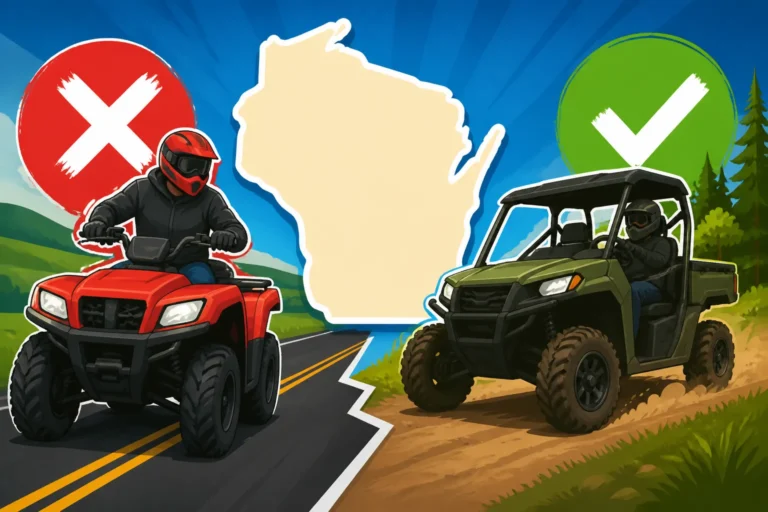
Before 16, Wisconsin has fairly strict rules in place to ensure safety, especially for younger riders. For instance, children between 12 and 15 years old can operate ATVs on public trails and routes, but there are always caveats. They must hold a valid ATV safety certificate and, crucially, must be accompanied by an adult guardian or an adult at least 18 years old who is approved by their parent or guardian. This adult has to be close enough to keep the youth operator in sight and hear any conversations. The rules for UTVs are even more stringent for younger riders; generally, those under 16 are not allowed to operate UTVs on public trails or routes at all, even with supervision. This difference between ATVs and UTVs is a common point of confusion, but it's essential to remember why [Why a 14-Year-Old Cannot Drive a UTV] is a rule in Wisconsin.
When you turn 16, many of these supervisory requirements melt away. The state recognizes that a 16-year-old is generally capable of making more independent decisions and possesses a higher level of maturity and experience, especially if they've been riding for a few years already. This age marks a significant point where the training wheels, so to speak, come off in terms of adult oversight on public lands.
Increased Independence
The biggest change for a 16-year-old ATV rider in Wisconsin is the newfound ability to ride unsupervised on public trails and routes. No longer do you need an adult guardian or an approved adult riding within sight and sound. This is a huge step for many young riders, offering them the freedom to explore the vast network of Wisconsin's trails and designated road routes with their friends, or simply on their own terms. Imagine the feeling of packing a lunch, checking the [Checking Wisconsin Trail Status Before You Drive], and heading out for a full day of riding without having to coordinate with an adult's schedule.
This independence, however, comes with heightened personal responsibility. While the state trusts you to make good decisions, it also expects you to know and follow all the rules of the trail. This includes everything from staying on marked trails and respecting private property to understanding local ordinances for towns you might ride through. It’s not just about the freedom; it’s about earning and maintaining that trust by being a responsible rider.
Supervision Requirements Shift
So, what does this shift in supervision actually look like? For an ATV operator who is 16 or older, the requirement to have an adult physically present and supervising while on public lands (trails, designated routes, frozen lakes) is removed. You are now considered an adult operator in the eyes of ATV regulations, assuming you meet the other requirements. This means you can plan rides with peers of the same age or older without needing an adult chaperone. This change is often the most celebrated aspect of turning 16 for passionate riders.
However, it's crucial to distinguish this from other aspects of legal responsibility. While you can ride solo, you are also fully accountable for your actions, and any citations or penalties incurred will be your responsibility. This also means understanding and adhering to all [Wisconsin Helmet Rules for Riders Under 18], which may still apply if you're not yet 18, and being aware of [Wisconsin's Rule for Riders Aged 12 to 15] if you're riding with younger siblings or friends. The freedom is great, but the personal accountability is even greater.
Driver's License & Safety Certificates: The Big Milestones
When you turn 16, thoughts often turn to getting a driver's license for a car, but how does that intertwine with your off-road machine? Wisconsin's rules treat ATV and UTV operation somewhat separately from traditional motor vehicle licensing, but there are some important intersections and distinctions, particularly regarding safety certificates and the type of machine you can operate.
The Safety Certificate Requirement
For any person born on or after January 1, 1988, operating an ATV or UTV on public lands in Wisconsin requires a valid ATV or UTV safety certificate. This rule is firm and does not change once you turn 16. If you've been riding on public trails since you were 12, you've already obtained this, so it's not a new hurdle. However, it's worth double-checking that your certificate is still valid and that you have proof of it with you when you ride. [Wisconsin ATV Safety Certificate Requirements] are a cornerstone of safe riding in the state, regardless of age.
What does this mean in practice? It means that even if you have a shiny new driver's license for your car, it doesn't exempt you from the ATV/UTV safety certificate. A Wisconsin warden on patrol will still ask to see your safety certificate, alongside your registration, if you're stopped on a public trail or route. Failing to produce it, if required by your birthdate, can lead to fines. It’s also a good idea to refresh your knowledge periodically, even if the certificate itself doesn't technically expire. [Does a Wisconsin Safety Certificate Expire?] is a common question, and generally, no, but knowledge can fade.
Does a Driver's License Change Anything?
This is a common point of confusion: does getting a regular car driver's license (Class D) affect your ability to ride an ATV or UTV? For ATVs, the answer is largely no. Your car driver's license doesn't grant you any new privileges for ATV operation that your safety certificate doesn't already cover at 16. The ATV safety certificate is the primary document that qualifies you to ride an ATV on public lands if you were born after the cutoff date.
However, for UTVs, a driver's license does make a difference. While 16-year-olds can now drive ATVs unsupervised, the rules for UTVs are stricter. To operate a UTV on public trails and routes, you must be at least 16 and possess a valid driver's license (not just a learner's permit) for operating motor vehicles. So, that newly acquired car driver's license is your ticket to legally operating a UTV on designated public lands. Without it, even at 16, you are still restricted from UTV operation on trails and routes.
Understanding UTV Restrictions
The distinction between ATVs and UTVs for riders under 18 is significant and often overlooked. Wisconsin law generally considers UTVs to be more akin to automobiles in their operation and potential impact, hence the additional requirement of a driver's license for their public operation. So, while you might be itching to take your friends out in your family's side-by-side, if you're 16 and don't have that valid Class D driver's license, you'll have to stick to the quads on public land.
This UTV restriction particularly impacts group rides where a mix of machines might be present. A 16-year-old with a safety certificate can lead an ATV expedition, but they cannot operate a UTV on public trails or routes until they have that Class D license. This rule ensures that UTV operators have demonstrated proficiency in general driving skills. Many parts and accessories for UTVs, like those from SuperATV, are designed to enhance capability, but they don't override the fundamental licensing requirements. Always ensure that both the operator and the machine meet all legal requirements before heading out.
Equipment and Machine Type Considerations
Beyond the rider's age and certifications, the type of machine you're riding and how it's equipped also plays a significant role in what's legal on Wisconsin's trails and roads. Turning 16 doesn't automatically mean all machines are fair game, and understanding the nuances of ATVs versus UTVs, as well as passenger rules, is crucial.
ATV vs. UTV: The Crucial Distinction
As we touched on, the main difference for a 16-year-old is that operating an ATV on public trails and routes only requires the safety certificate (if born after 1988), while operating a UTV (side-by-side) on those same public lands requires both the safety certificate and a valid Class D driver's license. This distinction is paramount and often trips up new 16-year-old riders.
Think of it this way: your trusty quad, the one you've been riding since you were 12, is now yours to command solo on public trails as long as you have your safety certificate. But that cool UTV with its steering wheel and passenger seats? You'll need your car driver's license to take that out on public land. This applies to all UTVs, from utility models used for chores to sportier side-by-sides. Even if your UTV is equipped with great aftermarket accessories from SuperATV designed for safety and performance, the basic licensing rule remains. It’s a matter of state law, designed to ensure a certain level of driving experience for the larger, multi-passenger UTVs.
Passenger Rules
Another exciting aspect of turning 16 is the ability to carry passengers. Prior to this age, restrictions on carrying passengers on ATVs, especially, are quite strict. However, once you're 16, you can generally carry a passenger on an ATV designed for more than one person. This usually means a "2-up" ATV with a specifically designed and approved passenger seat. You cannot, for example, carry a passenger on a single-rider ATV, no matter how clever you think you are with a makeshift seat. This is explicitly prohibited for safety reasons. [Wisconsin Rules for a Child Passenger] outlines the specific requirements for younger passengers.
For UTVs, since they are designed with multiple seating positions and safety restraints, carrying passengers is generally permitted for a 16-year-old with a valid driver's license, provided the UTV has enough designated seats and seatbelts for everyone. Always ensure all passengers are wearing seatbelts and following any other safety guidelines like helmet use for those under 18. Having a UTV allows for a shared experience, which is fantastic, but ensure every seatbelt is buckled and everyone is riding safely.
Modifications and Safety
As riders get older and more experienced, there's often an inclination to customize or modify their machines. While adding aftermarket parts for performance or utility is common, it's crucial that any modifications do not make the machine unsafe or non-compliant with Wisconsin's regulations. This includes ensuring headlights and taillights meet standards for night riding, maintaining proper exhaust sound levels ([The 96-Decibel Sound Test in Wisconsin]), and having spark arresters on public lands.
Things like lift kits, wider tires, or engine performance upgrades might be tempting, but always consider how they impact the machine's stability, handling, and overall safety. Even premium components, like those from SuperATV, must be installed correctly and used responsibly. A 16-year-old with increased independence needs to understand that they are now fully responsible for the roadworthiness and legality of their machine on public trails. A machine that is modified in a way that compromises safety or violates regulations can lead to citations, regardless of the rider's age.
Here's a quick overview of how the rules change:
| Feature/Requirement | Rider Aged 12-15 (ATV) | Rider Aged 16+ (ATV) | Rider Aged 16+ (UTV) |
|---|---|---|---|
| Supervision on Public Land | Required | Not Required | Not Required |
| ATV Safety Certificate | Required | Required (if born after 1/1/88) | Required (if born after 1/1/88) |
| Valid Driver's License | Not Required | Not Required | Required |
| Operation on Public Trails | Yes | Yes | Yes (with DL) |
| Operation on Public Routes | Yes | Yes | Yes (with DL) |
| Carry Passengers (Multi-seat) | No | Yes (on approved multi-seat ATV) | Yes (on approved multi-seat UTV) |
| Helmet Required | Yes | Yes (until 18th birthday) | Yes (until 18th birthday) |
| VIN Verification | N/A | Standard registration requirement | Standard registration requirement |
| Responsibility for Citations | Parent/Guardian | Rider | Rider |
Real-World Riding Scenarios for 16-Year-Olds
Understanding the specific rules is one thing, but knowing how they apply in various riding situations is another. Turning 16 unlocks new possibilities for exploration, but it also demands a clear understanding of where you can go, how you can interact with roads, and the importance of responsible behavior.
Riding on Public Trails & Routes
The moment you turn 16 and meet the certification requirements, Wisconsin's extensive network of public ATV trails and designated UTV/ATV routes opens up for solo exploration. You can now plan a day trip with friends your age or older, head out to the [Chequamegon-Nicolet and Its Motorized Trail Systems], or explore local county forest trails without needing an adult present. This is a game-changer for many riders, offering true freedom to experience the diverse terrain Wisconsin has to offer, from sandy stretches to wooded paths.
When riding on these public trails and routes, all the standard rules still apply. You need to have your machine properly registered – [Wisconsin DNR ATV Registration Explained] is a good resource if you need a refresher – and display your decals correctly. You'll also need to carry your ATV safety certificate and, if applicable for UTVs, your driver's license. Always stay on marked trails, respect directional signage, and be courteous to other riders, hikers, and residents. Remember that public trails are maintained by various entities, and respecting them ensures they remain open for everyone.
Riding on Private Property
The rules for riding on private property are generally more lenient, as they fall under the discretion of the landowner. If you're 16, and you're riding on land you own or land where you have explicit permission from the landowner, the state's public land rules for supervision or even some certification requirements typically do not apply. This means if you're helping out on a farm, plowing a driveway, or just cruising around your family's cabin property, you might not need your safety certificate handy, and the UTV driver's license rule for public lands doesn't necessarily dictate your actions on private ground. [Do You Need Registration on Your Own Wisconsin Land?] is a great example of this distinction.
However, even on private land, common sense and safety should always prevail. Always wear appropriate safety gear, and ensure your machine is in good working order. If you're riding on a friend's property, make sure you understand the landowner's specific rules and boundaries. Trespassing is a serious offense, and even if you're 16, you can face penalties for riding on posted land without permission. Always confirm you have the right to be there before turning a wheel.
Crossing Roads and Using Shoulders
Wisconsin has a unique system of designated ATV/UTV routes that often utilize town roads or road shoulders. As a 16-year-old rider, your ability to legally navigate these areas expands, especially with a valid driver's license if you're in a UTV. You'll need to know [Riding an ATV on a Wisconsin Road Route] and all the specific rules for operating on these shared roadways. This includes obeying all traffic laws, such as stop signs, speed limits, and yielding to other vehicles.
When crossing a road or using a designated shoulder, it’s critical to exercise extreme caution. Even when legally allowed, you are sharing the space with cars and trucks, which are much larger and faster. Always use proper hand signals if your machine doesn't have turn signals, and make eye contact with drivers if possible. Remember that some towns may have additional [Municipal Ordinances That Require Insurance] or specific hours of operation for routes. The freedom to connect trails via road routes is fantastic, but it comes with a high degree of responsibility for your safety and the safety of others.
Disclaimer
This article is for general informational purposes only and does not constitute professional advice. Laws, prices and regulations vary by location and change over time. Consult a qualified professional for guidance on your specific situation.