Wisconsin ATV Crash Reporting
Oh boy, a crash. It’s the last thing any of us wants to think about when we head out on the trails or even just for a quick utility run around the property. But the reality is, accidents happen, and when they involve an ATV or UTV in Wisconsin, there are specific steps you need to take, especially when it comes to reporting. This guide is here to walk you through what to do if the unthinkable happens, helping you understand the reporting requirements and the importance of taking the right actions after an incident.
The Immediate Aftermath: What to Do Right After a Wisconsin ATV Crash
When an ATV or UTV accident occurs, the moments immediately following can be chaotic and confusing. It’s completely natural to feel shaken, scared, or even disoriented. However, acting quickly and methodically in these critical first few minutes can make a huge difference in ensuring safety, getting help, and properly documenting the event. Think of it as a playbook for a situation you hope you never encounter, but one that you'll be glad you've reviewed.
Prioritizing Safety and Assessing Injuries
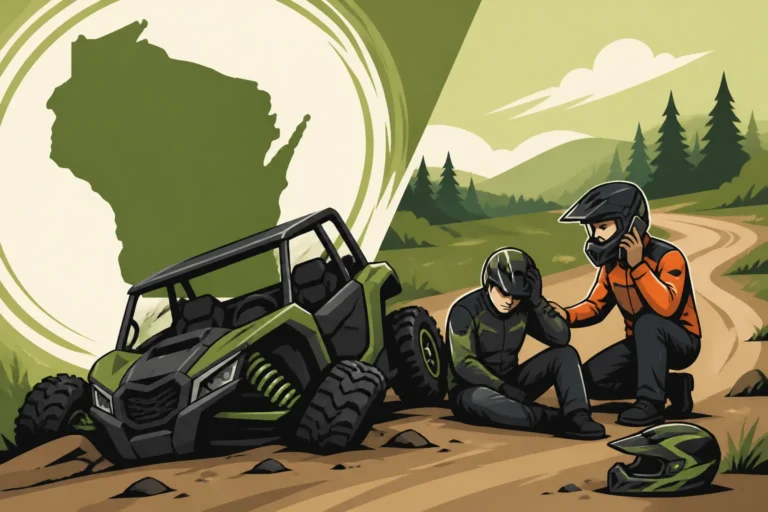
Your very first concern, above all else, must be the safety and well-being of everyone involved. This isn't just about the person operating the machine; it includes any passengers, bystanders, or even other trail users. Take a deep breath and try to quickly assess the situation. Are there obvious injuries? Is anyone unconscious or bleeding heavily? If there's a serious injury, don't hesitate. Call 911 immediately. Emergency services are there for a reason, and getting professional medical help as quickly as possible can be life-saving. Even if injuries seem minor at first, it's always best to err on the side of caution. Adrenaline can mask pain, and what feels like a small bump might be something more serious once the shock wears off.
Once you’ve addressed immediate medical needs, consider the scene itself. Is the machine in a dangerous position? Is there a risk of fire from spilled fuel? If it’s safe to do so, try to secure the area. This might mean turning off the machine's engine, if it's still running, or putting out any small fires if you have a fire extinguisher on hand. If you're on a public trail or road, think about alerting other riders to the hazard. Placing bright markers, if you have them, or having someone stand a safe distance away to warn approaching traffic can prevent a secondary accident.
Securing the Scene and Gathering Information
After ensuring everyone's immediate safety and calling for help, your next step is to secure the accident scene and begin collecting information. This is crucial for any potential investigations, insurance claims, or legal actions down the line. If possible, do not move the ATV or UTV unless it's absolutely necessary to prevent further injury or danger. The position of the machine, tire marks, and debris can tell a significant story about what happened.
Start taking photos and videos with your phone if you have one. Capture wide shots of the overall scene, showing the surrounding environment, the trail conditions, and the weather. Then, zoom in on specific details: damage to the machine, any injuries, property damage, and anything that might have contributed to the crash, like a fallen tree limb or a hidden rock. Get multiple angles and don't be shy about taking too many pictures. It's better to have more evidence than not enough.
As soon as it's practical, try to collect contact and insurance information from anyone else involved, including witnesses. Get their full names, phone numbers, addresses, and details about their machine or vehicle. Jot down license plate numbers if other vehicles were involved. People's memories can fade quickly, or they might leave the scene, so gathering this information promptly is vital. This diligent collection of details can make a significant difference later on, especially when dealing with insurance companies or explaining the situation to a warden.
When a Crash Needs a Report: Understanding Wisconsin's Rules
It’s tempting to want to just pick up the pieces and move on after a minor scrape, especially if you feel nobody was seriously hurt. But in Wisconsin, there are very clear criteria for when an ATV or UTV crash must be reported to the Wisconsin Department of Natural Resources (DNR). Ignoring these requirements can lead to further headaches, fines, and even legal trouble, so it's essential to understand the thresholds.
Defining a "Reportable" ATV/UTV Accident
The Wisconsin DNR defines a reportable ATV or UTV accident based on specific outcomes related to injury, death, or property damage. It’s not just about whether you feel it was serious; it’s about meeting one of these hard criteria. If your crash resulted in any of the following, you are legally required to file a report:
- Death: Tragically, if anyone dies as a result of the accident.
- Injury: If any person requires medical treatment beyond immediate first aid. This means if you or a passenger went to the ER, saw a doctor, or even had an ambulance check you out, it's likely a reportable injury. This is where many people get confused; a sprained ankle might seem minor, but if it required a doctor's visit, it falls under this category.
- Property Damage: If there is damage to the ATV, UTV, or any other property (like another vehicle, a fence, a mailbox, or even public trail signage) exceeding a certain monetary threshold. This threshold can change, so it's always wise to check the most current DNR guidelines, but typically it’s set to capture incidents where repairs are significant. Remember, this includes damage to your own machine, not just someone else's.
It’s important to note that these criteria apply whether the accident occurred on a designated trail, on private land, or even if you were just riding your machine in your backyard. The rules are designed to track incidents and identify safety trends across all types of ATV and UTV use. For more on the bigger picture of ATV operations, you might want to read up on [Wisconsin DNR ATV Registration Explained].
The Timeframe for Filing Your Report
Once you've determined your accident is reportable, time is of the essence. Wisconsin law specifies a strict deadline for when you must file the official accident report with the DNR. Generally, if the accident resulted in death, you or your representative must file a report within 10 days of the incident. For accidents involving injury or property damage above the reporting threshold, the deadline is also typically 10 days.
Missing this deadline is not advised. Failure to report a qualifying accident can lead to citations, fines, and may even complicate any insurance claims you try to make. The DNR uses these reports to analyze accident data, identify hazardous trail sections, review safety regulations, and improve rider education. Your compliance helps them make riding safer for everyone. So, even if you're dealing with injuries or machine repairs, make sure filing that report remains a top priority within the designated timeframe. It's a small but significant step in navigating the aftermath correctly.
Filling Out the Wisconsin DNR ATV Accident Report Form
Alright, so you’ve been in a crash, you’ve assessed the immediate situation, and you know it's reportable. Now comes the paperwork part, which can feel daunting when you're already stressed. But taking a methodical approach to filling out the Wisconsin DNR ATV Accident Report form will make the process much smoother and ensure you provide all the necessary information. Think of it as telling the full story of what happened, in a structured way.
Where to Find and How to Submit the Form
The first step is actually getting your hands on the right form. The Wisconsin DNR generally makes these forms available online through their official website. You'll typically find it under the "Recreation" or "Law Enforcement" sections, often specifically within the ATV/UTV program information. Sometimes, a quick search for "Wisconsin DNR ATV accident report form" will take you directly there. You can usually download it as a PDF, which you can then print out and fill in by hand, or sometimes fill out digitally before printing.
If you don't have easy access to a printer or computer, you can also inquire about obtaining a physical copy from a local DNR service center or by contacting a DNR recreational safety warden. They are often helpful resources in these situations. Once the form is complete, you'll need to submit it. The form itself will provide instructions on where to send it – usually to a specific address within the DNR's Law Enforcement Division, or occasionally via email. Make sure to follow these submission instructions precisely to ensure your report is received and processed correctly. Keep a copy for your own records, just in case.
Key Information Required on the Report
The DNR accident report form is designed to capture a comprehensive overview of the incident. It’s critical to be as accurate and detailed as possible. Here’s a rundown of the type of information you'll need to provide:
- Operator Information: Your full name, address, date of birth, and contact information. You’ll also need to provide details about your Wisconsin ATV safety certificate, if applicable. Remember, riders born on or after January 1, 1988, generally need a safety certificate to operate an ATV or UTV on public trails in Wisconsin. [The Wisconsin Rule for Riders Born On or After 1988] is a good resource here.
- Machine Information: Details about the ATV or UTV involved. This includes the make, model, year, VIN (Vehicle Identification Number), and the Wisconsin registration number. If you're wondering about this, [Registering an ATV in Wisconsin] can provide background. You'll also be asked about the machine's condition, such as whether it had any known defects before the crash.
- Accident Details: This is the heart of the report. You'll describe when the accident occurred (date and time), where it happened (specific location, including county, nearest town, and even GPS coordinates if you have them), and what the environmental conditions were (weather, light, trail conditions). You’ll then need to provide a narrative description of how the accident happened, in your own words. Be factual and avoid speculation.
- Injuries and Damage: List all individuals involved, noting any injuries they sustained and whether they required medical attention. Describe the damage to the ATV/UTV, estimating the cost of repairs if possible. Also, detail any damage to other property.
- Witness Information: If there were any witnesses, provide their names and contact information.
- Law Enforcement: Indicate if law enforcement (DNR warden, local police, sheriff) responded to the scene and if so, their agency and badge number.
The more accurate and complete your report is, the better the DNR can understand the circumstances of the crash and use the data to improve safety. Don't leave sections blank if you can help it. If you're unsure about a specific detail, it's better to state that you don't know rather than guess.
Beyond the Report: Insurance, Legalities, and Consequences
Filing the official accident report with the Wisconsin DNR is a crucial step, but it's often just one piece of a larger puzzle. A crash, especially one involving injuries or significant property damage, can trigger a whole host of other considerations, including dealing with insurance companies, understanding potential legal liabilities, and facing consequences for any violations that might have contributed to the incident. Navigating these waters can be complex, and it’s important to be prepared.
Dealing With Insurance Claims
After you've filed your DNR report, your next major hurdle will likely be your insurance company. If you carry ATV or UTV insurance – which, while not always mandatory for registration, is highly recommended – you’ll need to notify your insurer promptly. They will have their own claims process that runs parallel to the DNR's reporting requirements. Provide them with a copy of your DNR accident report, any photos you took, and contact information for other parties involved. [Insuring an ATV in Wisconsin] offers a great overview of why this coverage is so vital.
Be prepared to answer a lot of questions from your insurance adjuster. They'll want to understand the sequence of events, the extent of the damage, and any injuries. It's important to be honest and consistent with the information you provided in your DNR report. If you've upgraded your machine with components from companies like SuperATV, like a heavy-duty bumper or a winch, make sure your insurance policy covers these additions. Some policies require specific riders for aftermarket parts. Having comprehensive coverage can be a lifesaver, covering repair costs for your machine, medical expenses, and even liability if you were at fault for damaging someone else's property or causing their injuries. Without insurance, you could be on the hook for significant out-of-pocket expenses.
Potential Penalties and Legal Liabilities
Depending on the circumstances of the crash, you could face penalties or legal liabilities. If the investigation reveals you were operating unsafely, violating specific ATV/UTV laws, or under the influence, the consequences can range from fines to license suspension, or even criminal charges in severe cases. For instance, operating an ATV while intoxicated carries serious penalties, much like a regular OWI for a car. [Wisconsin Alcohol Limits for ATV Operators] details these serious risks.
Additionally, if your actions caused injury or damage to others, you could face civil lawsuits. This is where your liability insurance comes into play. If you were found negligent – for example, driving too fast for conditions, riding off a designated trail, or failing to yield – you could be held responsible for the other party's medical bills, property repairs, lost wages, and pain and suffering. Even if you consider yourself a safe rider, understanding the potential for these outcomes is critical. It reinforces why adhering to safety guidelines and understanding [Wisconsin ATV Crash Reporting] is so important, not just for statistics, but for your own legal and financial protection.
Preventing Future Incidents: Safety, Maintenance, and Preparedness
While knowing how to report a crash is essential, preventing one in the first place is always the preferred outcome. The vast majority of ATV and UTV accidents are preventable, stemming from a combination of operator error, lack of preparedness, or inadequate machine maintenance. By adopting a proactive mindset focused on safety and diligence, you can significantly reduce your risk of becoming another accident statistic in Wisconsin.
Rider Education and Responsible Operation
The foundation of accident prevention lies in proper rider education and responsible operation. Simply put, know your machine and know the rules. In Wisconsin, this is so important that the state requires a safety certificate for many riders. [Wisconsin Safety Certificate Requirements] are in place to ensure riders understand basic operation, trail etiquette, and the laws governing ATV and UTV use. Even if you're not legally required to have one, taking a safety course can teach you invaluable skills and decision-making techniques that can help you avoid dangerous situations.
Responsible operation also means understanding your limits and those of your machine. Don't push your speed beyond what the terrain allows, especially on unfamiliar trails or in adverse weather conditions. Always ride sober – alcohol and drug impairment are major factors in serious ATV crashes. Maintain a safe distance from other riders and be aware of your surroundings, including blind spots. And speaking of proper operation, make sure you know [What a Wisconsin Warden Asks a Rider For] if you're ever stopped on the trail. They'll want to see proof of registration, safety course completion, and adherence to other rules designed to keep everyone safe.
Machine Maintenance and Safety Gear
A well-maintained machine is a safe machine. Regular inspections and preventative maintenance are critical to ensure all components are in good working order before you hit the trail. Check your tires for proper inflation and tread wear, inspect your brakes, lights, and steering components, and ensure all fluids are at appropriate levels. A pre-ride checklist can be an invaluable tool to catch potential issues before they become hazards. If you're looking for replacement parts or want to enhance your machine's durability, companies like SuperATV offer a range of products from heavy-duty axles to control arms, which can improve performance and reliability. Just remember that any modifications should be done correctly and within manufacturer specifications to maintain safety.
Equally important is wearing appropriate safety gear every single time you ride. This isn't just a suggestion; it’s often a legal requirement for certain age groups in Wisconsin. A DOT-approved helmet is paramount and can prevent severe head injuries. Eye protection, such as goggles, will shield your eyes from debris, branches, and dust, ensuring you can always see clearly. Wear long pants, long sleeves, sturdy over-the-ankle boots, and gloves to protect your skin and extremities. While it might seem like a hassle, especially on a hot day, this gear is your first line of defense in an accident. Thinking of it as an investment in your well-being, just like the money you might spend on a new set of tires or accessories from a brand like SuperATV, makes it an easy choice.
Planning Your Ride and Preparedness
Finally, smart riding begins before you even start the engine. Plan your route, especially if you’re heading into unfamiliar territory. Know the terrain, check weather forecasts, and inform someone of your planned route and estimated return time. Carry essential supplies like a first-aid kit, a small toolkit, a communication device (though remember cell service can be spotty in the Northwoods), and enough water and snacks. Companies like SuperATV even offer storage solutions that can help you carry these crucial items securely on your machine.
Consider riding with a buddy. There's safety in numbers, and having someone else along can be invaluable in case of a breakdown or an accident. If you're riding in a group, ensure everyone understands the signals and stays together. Being prepared for common trail issues, from a flat tire to getting stuck, means you're less likely to turn a minor inconvenience into a major emergency. By combining education, maintenance, proper gear, and thorough planning, you can dramatically increase your chances of an enjoyable and, most importantly, safe ATV or UTV experience in Wisconsin.
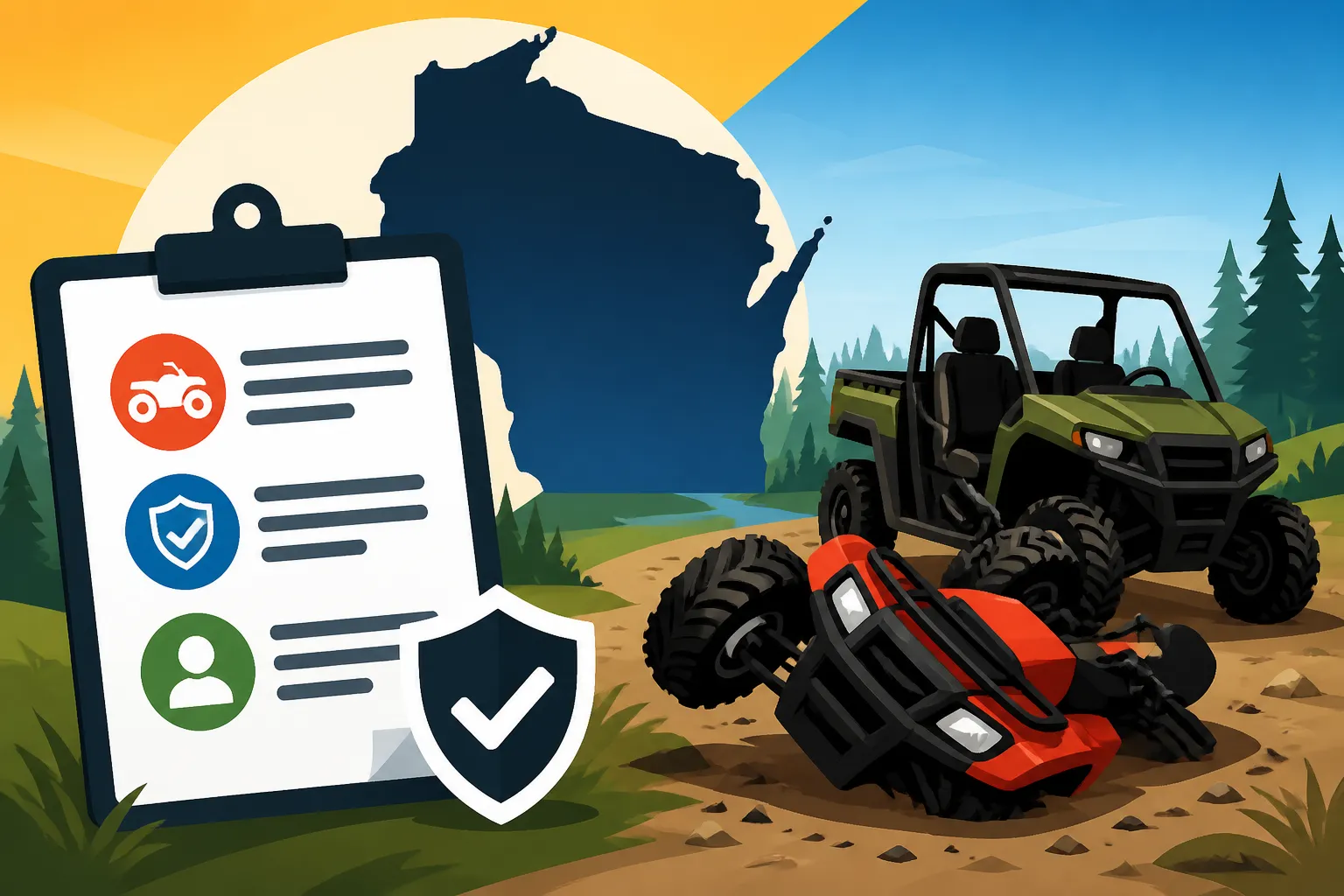
Wisconsin ATV Accident Reporting Checklist
To help summarize, here’s a quick checklist of what typically makes a Wisconsin ATV/UTV accident reportable and what to gather.
| Category | Criteria for Reportable Accident | Information to Gather |
|---|---|---|
| Injuries | Any injury requiring medical treatment beyond first aid | Names, contact info, nature of injuries, medical providers |
| Fatalities | Any death resulting from the accident | Name of deceased, date/time of death |
| Property Damage | Total damage to machines and/or other property exceeds value | Photos, damage estimates, property owner contact info |
| Operator Info | N/A (always required if involved) | Name, address, DOB, safety certificate, registration |
| Machine Info | N/A (always required if involved) | Make, model, year, VIN, Wisconsin registration # |
| Accident Details | N/A (always required if involved) | Date, time, precise location, weather, narrative |
| Witnesses | N/A (important for any crash) | Names, contact info |
| Law Enforcement | If wardens/police responded | Agency, officer name/badge # |
| Reporting Window | 10 days from the incident | Ensure timely submission to DNR |
Disclaimer
This article is for general informational purposes only and does not constitute professional advice. Laws, prices and regulations vary by location and change over time. Consult a qualified professional for guidance on your specific situation.